How to Get My Cat to Stop Scratching Furniture: Proven Tips
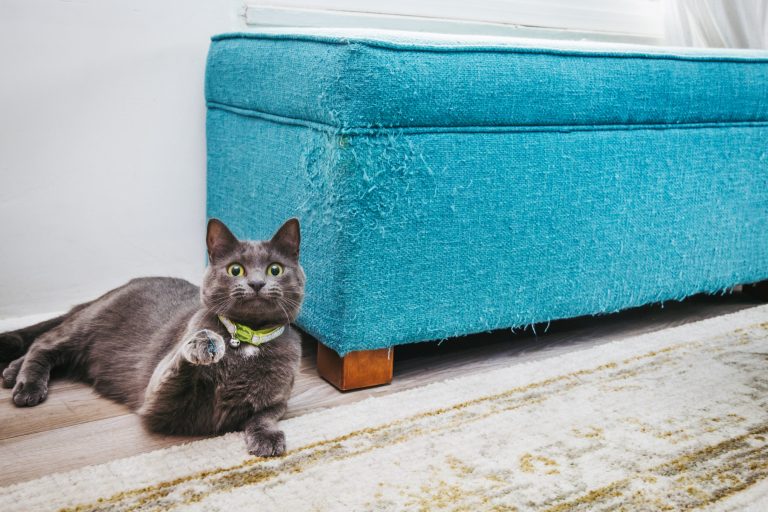
Imagine walking into your living room, only to find your favorite couch now resembles a shredded canvas. Sound familiar?
If you’re a cat owner, you know the struggle of trying to keep your furniture intact while your feline friend indulges in their natural urge to scratch. The good news is, you’re not alone, and there are effective ways to protect your home.
In this guide, you’ll discover simple and practical techniques to teach your cat better scratching habits. No more worrying about the state of your furniture or feeling frustrated. By the end of this article, you’ll be equipped with the tips and tricks to restore harmony in your home, ensuring both your cat and furniture live in peace. Ready to put an end to the scratching saga? Let’s dive in!
Understanding Cat Scratching Behavior
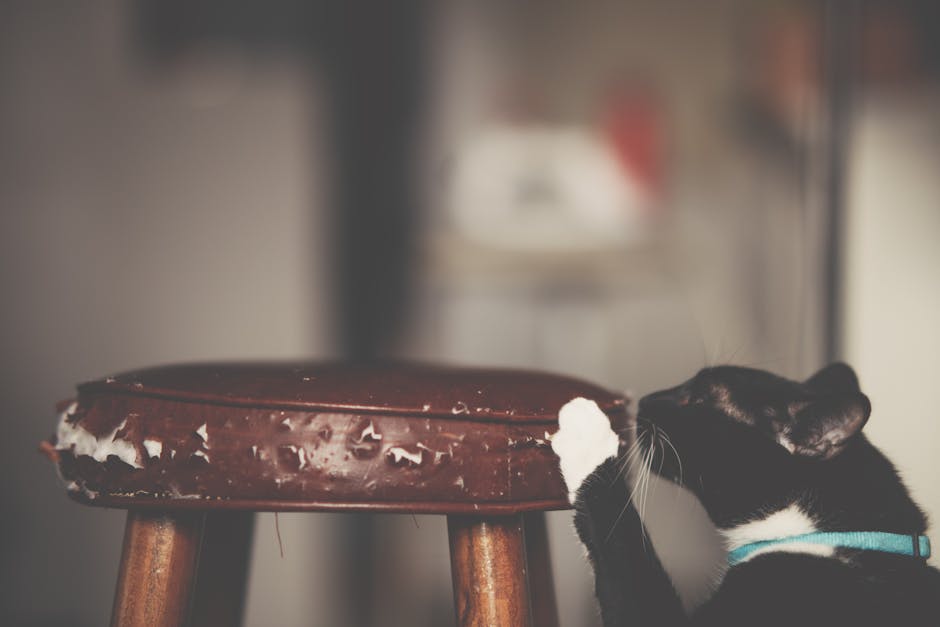
Understanding why cats scratch furniture is key to stopping the behavior. Cats scratch for many reasons, and each is rooted in their natural instincts. Let’s explore these behaviors to help guide your furry friend.
Natural Instincts
Cats scratch due to innate instincts. Scratching helps them shed the outer nail layers. This keeps their claws sharp and healthy. It’s like grooming. It’s a crucial part of their routine. Scratching also provides a satisfying stretch. It engages muscles they don’t use often.
Territorial Marking
Cats use scratching to mark their territory. Their paws have scent glands. These glands leave a scent when they scratch. It’s a way to claim their space. Visual marks also communicate ownership. To other cats, these marks say “this is mine”.
Exercise And Stress Relief
Scratching offers physical exercise. It helps your cat stay active. This activity relieves stress and reduces anxiety. Scratching can be a coping mechanism. It provides an outlet for pent-up energy. A bored cat is a destructive cat. Keeping them busy is crucial.
:strip_icc()/keep-cat-from-scratching-carpet-554831_final-a8dcf3bb9e3b4c269259604c244f42d5.png)
Credit: wb-iisg.com
Choosing The Right Scratching Post
Scratching is a natural behavior for cats, and while it’s essential for their well-being, it can be frustrating when your furniture becomes their favorite target. The solution? A well-chosen scratching post. Not all scratching posts are created equal, and selecting the right one can make a significant difference in keeping your cat away from your beloved couch. Let’s explore how to find the perfect scratching post for your feline friend.
Types Of Scratching Posts
Scratching posts come in various shapes and sizes. Consider whether your cat prefers vertical or horizontal scratching. Some cats love tall posts they can stretch up on, while others enjoy scratching mats laid flat on the floor. Observing your cat’s current scratching habits can guide you in choosing the right type.
There are also multi-purpose posts that include platforms or toys for added stimulation. These can serve as both a scratcher and a playground, potentially making them more attractive than your furniture.
Materials To Consider
The material of the scratching post is crucial. Sisal rope or fabric is popular for its durability and appealing texture for cats. Cardboard is another option, especially for cats who enjoy shredding.
Make sure the material feels sturdy. A flimsy post won’t satisfy your cat’s scratching instincts. You might find that a combination of materials keeps your cat intrigued longer.
Optimal Placement
Placement matters as much as the post itself. Position it near your cat’s favorite scratching spots, like the corner of your sofa. This encourages them to use the post instead.
Don’t hide it in an unused corner. Cats like to scratch in places where they spend a lot of time. If you move it to a visible spot, your cat is more likely to use it.
Would you want to scratch something you hardly see? Think about your cat’s view when deciding the location.
Remember, a scratching post can save your furniture but only if your cat feels it’s a better option. Are you ready to make that change? Choose wisely and watch your cat’s behavior transform.
Encouraging Scratching Post Use
Transforming your cat’s habit of scratching furniture starts with a dedicated scratching post. Place it near favorite scratching spots. Use catnip or toys to make the post more appealing. Gradually, your cat will prefer it over the furniture.
Encouraging your cat to use a scratching post can save your furniture. Cats need to scratch; it’s natural for them. Redirecting this behavior to a scratching post is key. Here’s how you can make it happen.
Positive Reinforcement Techniques
Praise your cat when it uses the scratching post. Use a happy voice. Give treats to reinforce the behavior. Cats love rewards. Positive reinforcement makes them repeat the action. Keep treats near the scratching post. Reward immediately for best results.
Training Strategies
Place the scratching post where your cat spends time. Move it close to the furniture your cat scratches. Gradually shift the post to a desired location. Make the post appealing. Use textures cats like. Show your cat how to use the post. Scratch it yourself. Cats learn by watching.
Using Catnip
Catnip can attract your cat to the scratching post. Sprinkle it on the post. Cats enjoy the smell. It encourages them to explore. Not all cats respond to catnip. Test small amounts first. If your cat likes it, use it often. Refresh catnip regularly for continued interest.
Protecting Furniture From Scratches
Training your cat can save your furniture from scratches. Offer scratching posts near favorite spots. Use deterrent sprays to discourage furniture scratching.
Protecting your furniture from your cat’s relentless scratching can feel like an ongoing battle. But with the right strategies, you can safeguard your beloved pieces. Whether you’re dealing with a new kitten or a seasoned feline, these methods can help you protect your furniture without sacrificing your cat’s happiness.
Furniture Covers And Protectors
Furniture covers can be a lifesaver. They provide a physical barrier between your cat’s claws and your treasured couch. Look for covers made from durable materials like thick cotton or microfiber. Consider covers with a snug fit to prevent slipping. Some pet owners find success using slipcovers specifically designed for pet protection. These often feature water-resistant layers that add another level of defense.
Deterrent Sprays
Deterrent sprays are a handy tool in your anti-scratch arsenal. They work by emitting a scent cats typically dislike, such as citrus or eucalyptus. These sprays are safe for use around pets and humans. Apply the spray to areas your cat frequently targets. Reapplication is key, especially after cleaning. You might be surprised at how effective this simple solution can be.
Double-sided Tape
Double-sided tape can be an unexpected ally. Cats hate the sticky feeling on their paws, which discourages them from scratching. It’s an easy and inexpensive solution. Place strips of double-sided tape on the edges of your furniture. This is often where cats prefer to scratch. Over time, they may lose interest in these areas altogether. Have you tried any of these methods with your own furniture? Remember, protecting your home doesn’t mean you have to compromise on style or comfort. With a bit of creativity and persistence, you and your feline friend can live in harmony.
Keeping Your Cat Engaged
Keeping your cat engaged is essential to prevent furniture scratching. Cats scratch to mark territory or relieve stress. Redirect this behavior with engaging activities. Stimulate your cat’s mind and body. This helps reduce furniture damage and keeps your feline friend happy.
Interactive Toys
Interactive toys are a great way to keep your cat busy. Toys that move or make noise catch your cat’s attention. Try balls, feather wands, or electronic mice. These toys mimic prey, engaging your cat’s hunting instincts. Rotate the toys often to keep your cat interested.
Regular Playtime
Set aside time daily for play. Playtime strengthens your bond and uses your cat’s energy. Use toys like laser pointers or string to engage your cat. This routine reduces boredom and destructive scratching. Schedule play sessions in the morning or evening.
Environmental Enrichment
Provide a stimulating environment. Use cat trees or shelves for climbing. Create spaces for hiding or resting. Add scratching posts to redirect scratching. Vary the location of these posts. Use different textures to appeal to your cat’s preference. Regularly update the environment to maintain interest.

Credit: wb-iisg.com
Addressing Anxiety And Stress
Cats often scratch furniture due to stress and anxiety. Providing scratching posts can redirect this behavior effectively. Use cat-friendly sprays to deter them from scratching your couch and chairs.
Cats scratching furniture can be frustrating, but it often stems from underlying anxiety or stress. Understanding your feline friend’s emotional state is crucial to addressing this behavior effectively. By focusing on their mental well-being, you can create a more harmonious environment for both you and your pet.
Identifying Stress Triggers
Start by observing your cat’s behavior to pinpoint what might be causing stress. Changes in the household, such as new pets or rearranged furniture, can upset your cat. Pay attention to when the scratching occurs most—could it be linked to loud noises or strangers in the home? Sometimes, stress triggers can be subtle. A different feeding schedule or even a new scent in the house might upset your cat. By identifying these triggers, you can take steps to minimize or eliminate them.
Creating A Safe Space
Every cat needs a sanctuary where they feel secure. Designate a quiet corner with their favorite toys, a cozy bed, and perhaps a scratching post. This safe haven can help reduce anxiety by giving your cat control over their environment. I once noticed my cat scratching more than usual after a neighbor’s dog started barking incessantly. Creating a space away from the noise with calming elements like a pheromone diffuser did wonders. Does your cat have a peaceful retreat in your home?
Consulting A Vet
If stress and anxiety persist, seeking professional advice is wise. A vet can rule out medical issues that might be contributing to the behavior. They can also offer solutions, such as supplements or behavioral therapy, tailored to your cat’s needs. Vets have seen it all and can provide insights you might not have considered. Are you open to exploring professional help to improve your cat’s quality of life? Remember, addressing your cat’s emotional health is just as important as their physical health.
Long-term Solutions And Maintenance
Persistent scratching can be managed by offering your cat designated scratching posts. Regular trimming of your cat’s nails minimizes damage to furniture. Consistent positive reinforcement encourages them to use their scratch-friendly alternatives.
Long-term Solutions and Maintenance When you’re dealing with a cat that loves to scratch your furniture, quick fixes might not be enough. You need a strategy that will ensure your furniture stays intact in the long run. Adopting a consistent approach, understanding your cat’s needs, and maintaining these practices are crucial.
Consistency In Training
Consistency is your best friend when training your cat. If you want your cat to stop scratching the couch, make sure everyone in the household is on the same page. Encourage them to redirect the cat to a scratching post and reward positive behavior with treats or affection. Have you ever noticed how cats respond to routine? Use this to your advantage. Set a fixed time each day for training sessions, and soon your cat will understand what’s expected.
Regular Claw Trimming
Keeping your cat’s claws trimmed is a simple yet effective way to reduce the damage to your furniture. Regular trimming can make a world of difference in preventing scratches. You can do this at home with a good pair of clippers or take your cat to a professional groomer. Are you worried about hurting your cat during trimming? Start slowly and gently, and reward your cat with treats afterward. With practice, you’ll both become more comfortable with the process.
Monitoring Behavioral Changes
Cats are creatures of habit, but they can also change behavior due to stress, health issues, or boredom. Keep an eye out for any shifts in your cat’s scratching habits. If you notice increased scratching, consider what might have changed in their environment. Could it be a new family member, a change in routine, or even something as simple as moving furniture? Understanding these triggers can help you adapt your long-term strategy. Engage with your cat through play or new activities to keep their mind and body active. By focusing on these actionable steps, you can create a harmonious living space for you and your feline friend. What strategies have worked for you in managing your cat’s scratching? Share your experiences and tips with other cat owners.

Credit: wb-iisg.com
Frequently Asked Questions
How Do I Get My Cat To Stop Scratching The Couch?
Provide a scratching post near the couch. Use double-sided tape on the couch to deter scratching. Trim your cat’s nails regularly. Reward your cat when they use the scratching post. Use a cat deterrent spray on the couch.
At What Age Do Cats Stop Clawing?
Cats typically continue clawing throughout their lives. Clawing is a natural behavior for cats to mark territory and maintain claw health. While they don’t stop clawing, providing scratching posts can help redirect this behavior away from furniture. Training and regular nail trims can also minimize unwanted scratching.
What Scent Will Deter Cats From Scratching Furniture?
Citrus scents like lemon, orange, and lime deter cats from scratching furniture. Cats dislike the smell of vinegar, too. Use essential oils or sprays to apply these scents on your furniture. Consistent application helps in keeping cats away effectively.
How To Punish A Cat For Scratching A Couch?
Redirect your cat’s scratching to a designated post. Use deterrent sprays on the couch. Offer rewards for good behavior. Consistent training and patience are key to changing habits. Avoid physical punishment, as it can harm trust. Keep your cat’s nails trimmed to minimize damage.
Conclusion
Helping your cat stop scratching furniture is possible with patience. Use scratching posts and positive reinforcement. They guide your cat to better habits. Try different materials and locations for the posts. Keep your cat’s nails trimmed. It reduces damage. Also, use sprays or tape to deter unwanted scratching.
Remember, consistency is key. Cats need time to learn new habits. Show love and understanding during this process. Your furniture and your cat will thank you. Enjoy a scratch-free home!