Is Ringworm in Cats Contagious? Uncover the Facts
Your fluffy feline friend is more than just a pet; they’re family. So, when you notice a suspicious patch of hair loss or redness on their skin, it’s natural to worry.
One of the common culprits behind such symptoms in cats is ringworm, a fungal infection that can easily spread. But how does this affect you and your household? Is ringworm in cats contagious to humans and other pets? Before you dismiss it as just another pet problem, it’s crucial to understand the potential risks.
Imagine the peace of mind you’d feel knowing how to protect both your pet and your family from this pesky intruder. By reading on, you’ll uncover essential insights about the contagion factor of ringworm, how it spreads, and most importantly, how you can safeguard your home. Dive into this article to arm yourself with the knowledge needed to keep your loved ones safe and secure.
Ringworm Basics
Understanding ringworm in cats is crucial, especially if you’re a pet owner concerned about your feline’s health. Despite its name, ringworm isn’t caused by worms but by a type of fungus. It’s essential to grasp the basics to ensure your cat stays happy and healthy. Knowing what to look for can help you act swiftly if your cat contracts this common infection.
What Is Ringworm?
Ringworm is a fungal infection affecting the skin, hair, and nails. It’s scientifically known as dermatophytosis. This fungus thrives in warm, humid environments, making it easy for your cat to catch it from other animals or contaminated objects. Ringworm manifests as circular patches on the skin, often leading to hair loss. It’s not life-threatening, but it does require attention.
Have you ever noticed your cat scratching more than usual? This could be a sign of ringworm. It’s a common issue, especially in shelters or multi-pet households. Recognizing these signs early can prevent it from spreading to other animals or even to you.
Symptoms In Cats
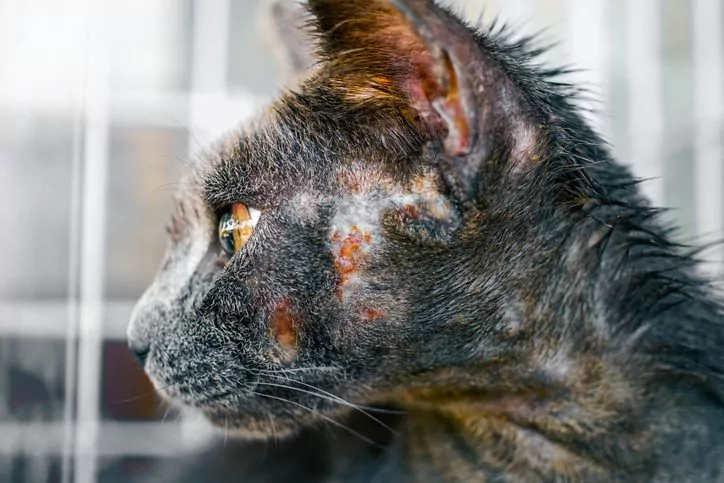
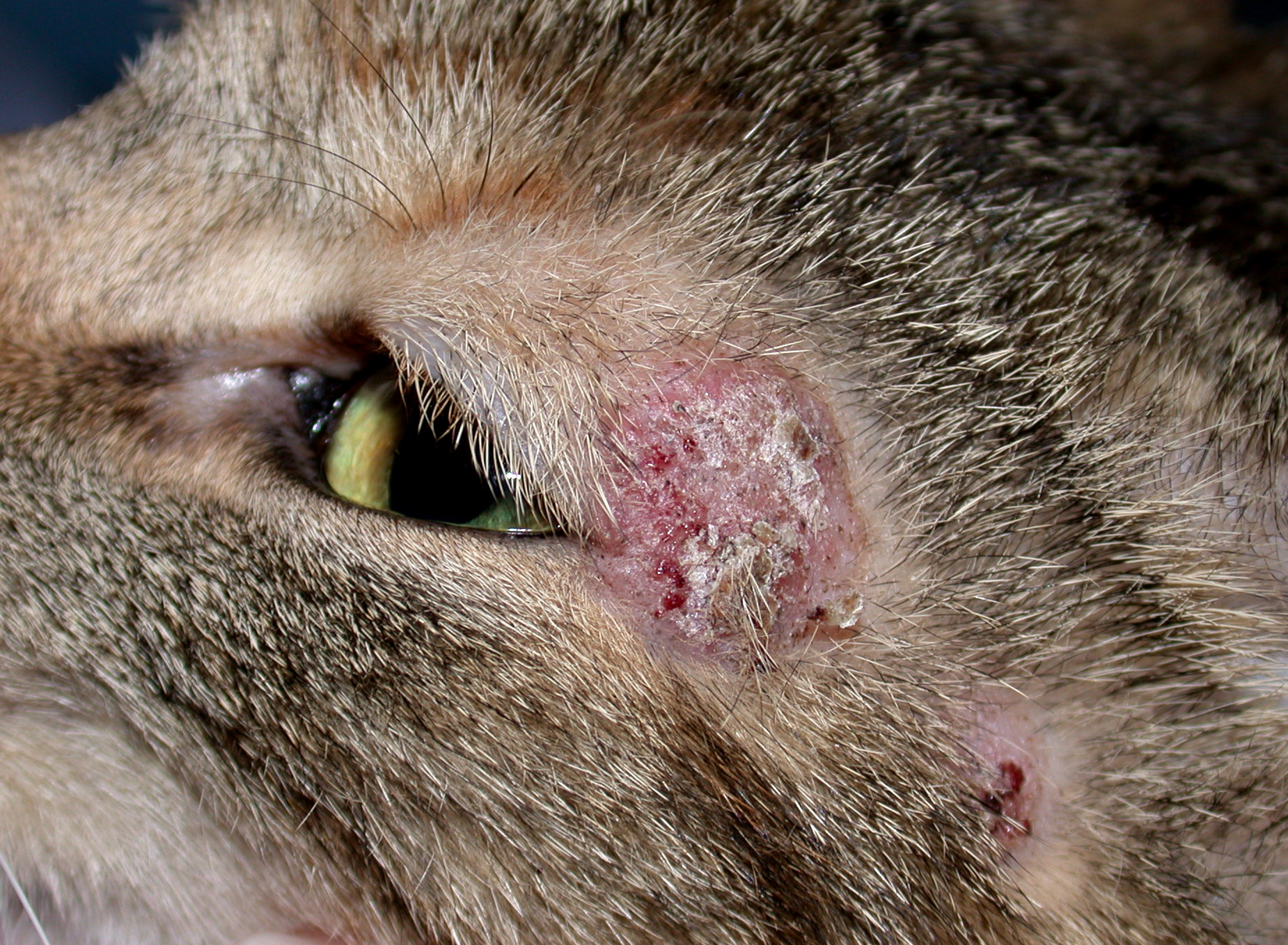
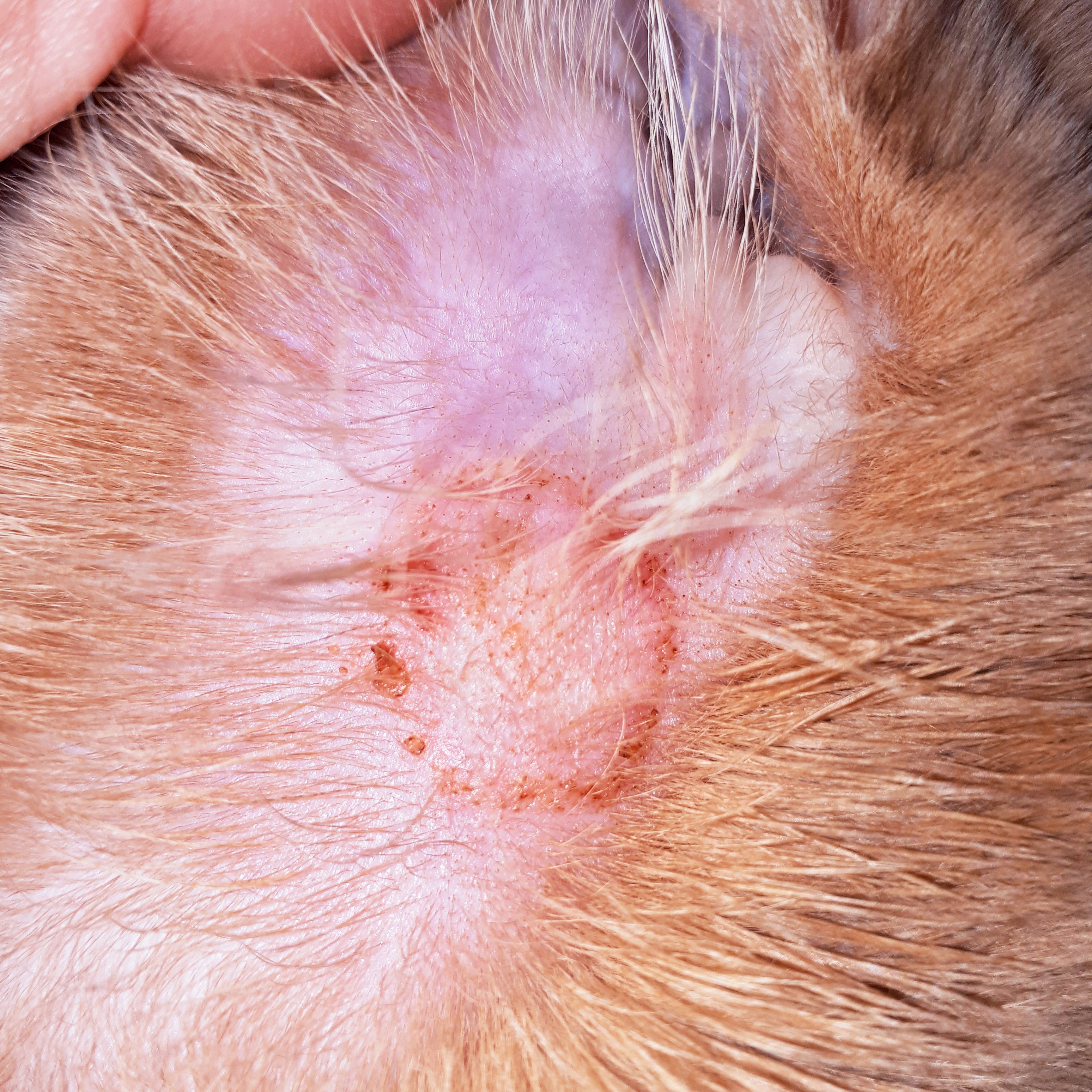
Symptoms of ringworm in cats can vary. Typically, you’ll see circular lesions or bald spots on your cat’s skin. These areas may appear red and scaly. If you notice your cat licking or scratching these spots more than usual, it’s time to consider a vet visit.
Other signs include broken hair and dandruff-like scaling. Sometimes, the infection is so subtle, you might only notice slight changes in your cat’s coat. It’s vital to observe your cat closely. Is your cat acting differently or hiding more? These could be indicators of discomfort from ringworm.
Ringworm can be contagious, spreading easily among cats and other animals. But don’t panic. By understanding the symptoms and acting quickly, you can protect your cat and your home from this pesky fungus. Have you ever dealt with ringworm in your pets? How did you manage it?
By staying informed and observant, you can ensure your cat remains healthy and ringworm-free. What steps will you take to safeguard your furry friend?
Credit: careyanimalhospital.com
Transmission To Humans
Ringworm in cats can transmit to humans, causing skin infections. This fungal infection is highly contagious. Understanding how it spreads and the risks for humans is crucial. Protecting yourself and your family from transmission is important.
How Ringworm Spreads
Ringworm spreads through direct contact with an infected cat. Touching the animal’s skin or fur can transfer the fungus. It can also spread through contact with contaminated surfaces. Bedding, carpets, and grooming tools can harbor the fungus. Spores can survive for months in the environment. This makes controlling its spread challenging.
Risks For Humans
Humans with weakened immune systems are at higher risk. Children and the elderly are more susceptible to infection. People with existing skin conditions should be cautious. They can develop itchy, red, and circular lesions. These are the common signs of a ringworm infection. Treating infections early can prevent complications.
Diagnosing Ringworm
Ringworm in cats can be difficult to identify. This fungal infection often mimics other skin conditions. Accurate diagnosis is essential for effective treatment. Understanding the signs and tests helps in early detection. Early intervention can prevent spreading.
Veterinary Tests
Veterinarians use several tests to diagnose ringworm. A Wood’s lamp examination is common. This special light makes infected areas glow. Not all ringworm cases glow under this light. A more precise test is a fungal culture. It involves collecting hair or skin samples. These samples are grown in a lab to identify the fungus. This method is reliable but takes time. PCR tests are also available. They provide quick results by detecting fungal DNA. These tests are useful for fast diagnosis.
Signs To Watch For
Cats show specific signs of ringworm. Look for circular patches of hair loss. These patches often have red, scaly skin. Itching and scratching are common. Watch for broken hairs on the coat. Some cats may have lesions on their claws. Cats with weak immune systems are more vulnerable. Kittens and older cats are at higher risk. Regular checks can spot signs early. Early action helps control the spread.
Credit: www.cdph.ca.gov
Treatment Options
Ringworm in cats is a common concern for many pet owners. It’s crucial to address this issue promptly. Effective treatment options are available. These can help manage and eliminate the infection.
Medications For Cats
Topical antifungal creams are often the first line of defense. They are applied directly to the affected areas. Oral medications might also be necessary. These help in severe cases where topical treatments aren’t enough. Always consult a veterinarian for the best medication choice. They will guide you based on your cat’s specific needs.
Preventing Spread
Isolate the infected cat to prevent spreading ringworm. Clean the environment regularly. Use disinfectants that kill fungal spores. Wash bedding and toys frequently. Vacuum carpets and furniture to remove spores. Encourage regular handwashing after handling your cat. This reduces the risk of spreading ringworm to humans or other pets.
Preventive Measures
Ringworm in cats is highly contagious. It spreads through direct contact or shared items like bedding and grooming tools. Regular cleaning and limiting contact with infected cats can help prevent its spread.
Ringworm in cats can be a troublesome issue, especially when it comes to its contagious nature. Understanding preventive measures is crucial for keeping your furry friend and yourself safe. These proactive steps not only help in managing the spread of ringworm but also ensure a healthy environment for your pets.
Hygiene Practices
Maintaining cleanliness is your first line of defense. Regularly clean your cat’s bedding, toys, and feeding areas. Use a vacuum cleaner to remove any hair or skin flakes that might harbor the fungus. Wash your hands thoroughly after handling your cat, especially if you suspect an infection. This simple act can significantly reduce the risk of transferring ringworm. Consider using anti-fungal sprays or wipes for your home. They can help in eliminating spores that might be lingering around.
Reducing Exposure
Limit your cat’s interaction with stray animals. Strays are often carriers of various infections, including ringworm. If you are fostering or adopting a new cat, keep them isolated until they are deemed healthy. This minimizes the risk of introducing ringworm to your existing pets. Have you ever noticed your cat frequently scratching or licking itself? It could be more than just an itch. Regular vet visits can help in early detection and prevention of ringworm. Your vigilance in monitoring your cat’s health plays a pivotal role in prevention. Are you ready to take these steps to ensure a safe environment for your beloved pet?
Credit: www.purina.com.au
Myths And Misconceptions
Cats can catch ringworm, which is a fungal infection. It spreads easily through direct contact. Misunderstandings arise because its name suggests a worm, but it’s actually a fungus.
Understanding the myths and misconceptions about ringworm in cats can help you make informed decisions about your feline friend’s health. Many people harbor incorrect beliefs about this condition, often leading to unnecessary fear or negligence. Let’s clear up the confusion by addressing common misbeliefs and what science actually tells us.
Common Misbeliefs
A widespread myth is that ringworm is caused by worms. Despite its name, ringworm is actually a fungal infection, not a parasitic one. This misconception can lead to improper treatments that don’t address the real issue. Another common belief is that only stray cats get ringworm. While stray cats may have a higher risk due to environmental exposure, any cat can contract ringworm. Even indoor cats are not immune if they come in contact with contaminated items or other infected animals. Some think that if a cat doesn’t have visible lesions, it’s not contagious. However, ringworm can spread even without obvious symptoms. Relying solely on visible signs may delay necessary precautions and treatment.
Scientific Facts
Ringworm is highly contagious and can spread through direct contact with an infected cat or indirect contact with contaminated objects. Fungal spores can survive on surfaces like bedding and grooming tools for months, making thorough cleaning essential. Studies show that young kittens and older cats are more susceptible due to weaker immune systems. Knowing this can help you take preventive measures if your cat falls into these categories. Effective treatment often requires a combination of topical and oral antifungal medications. Scientific research supports this dual approach for faster recovery and reduced risk of spreading the infection. By understanding these facts, you can better manage your cat’s health and prevent ringworm from spreading. Do you know anyone who might still believe these myths? Sharing this knowledge can help others protect their pets too.
Frequently Asked Questions
Is It Safe To Be Around A Cat With Ringworm?
Being around a cat with ringworm carries some risk, as it is a contagious fungal infection. Wash hands after contact and avoid touching infected areas. Consult a veterinarian for treatment and take precautions to prevent spreading. Keep the cat isolated until treated.
How Did My Indoor Cat Get Ringworm?
Indoor cats can get ringworm from contaminated objects, other pets, or humans carrying the fungus. It spreads easily through spores on bedding, carpets, or grooming tools. Weak immune systems in cats increase susceptibility. Regular cleaning and minimizing contact with infected sources can help prevent ringworm.
How Long Does Ringworm Stay Contagious In Cats?
Ringworm in cats stays contagious for about 2-4 weeks with treatment. Without treatment, it can last longer. Regular cleaning and antifungal medications help reduce the contagious period. Always consult a veterinarian for proper diagnosis and treatment to prevent spreading it to other pets or humans.
Do I Need To Quarantine If My Cat Has Ringworm?
Quarantine isn’t required for humans when a cat has ringworm. Maintain good hygiene and treat the cat promptly. Ringworm is contagious, so avoid direct contact and consult a vet for guidance. Clean your home regularly to prevent the spread of infection.
Conclusion
Ringworm in cats can spread easily to other pets and humans. It’s important to recognize symptoms early for effective treatment. Regular check-ups and cleaning can help manage this fungus. Keep your cat’s environment clean to reduce risks. If your cat shows signs of ringworm, seek veterinary advice promptly.
Protecting your family and pets starts with awareness. Stay informed and maintain good hygiene practices. Keeping ringworm at bay ensures a healthy home for everyone. Always prioritize your cat’s health for happy companionship.