Is Cat Scratch Fever Contagious? Uncover the Truth
Imagine playing with your adorable cat, and suddenly, you feel a sharp scratch on your hand. You brush it off as nothing serious, but then a thought creeps into your mind: “Is Cat Scratch Fever contagious?”
You’re not alone in wondering about this. Many cat owners and animal lovers like you are curious and concerned about the potential risks associated with their feline friends’ playful scratches. Your health and peace of mind are important, and understanding the nature of Cat Scratch Fever can help you take the right steps to protect both yourself and your furry companion.
This article will uncover the facts about Cat Scratch Fever, dispel myths, and give you clear guidance on what you should know. Keep reading to ensure you’re informed and reassured about the connection between you, your cat, and this mysterious-sounding condition.
What Is Cat Scratch Fever?
Cat Scratch Fever is a bacterial infection. It is transmitted through cat scratches or bites. Most cats carry the bacteria causing this condition. People can get infected by contact with cats.
This illness is usually mild in humans. Young children and those with weak immune systems might experience more severe symptoms. Understanding Cat Scratch Fever helps in early detection and treatment.
Definition And Causes
Cat Scratch Fever is caused by Bartonella henselae bacteria. Cats often have this bacteria in their saliva. It spreads to humans through scratches, bites, or licks. Not all cats show symptoms of carrying this bacteria.
The bacteria thrive in warm and moist environments. Fleas can also spread the bacteria between cats. Humans contract the disease from infected cats.
Symptoms And Diagnosis
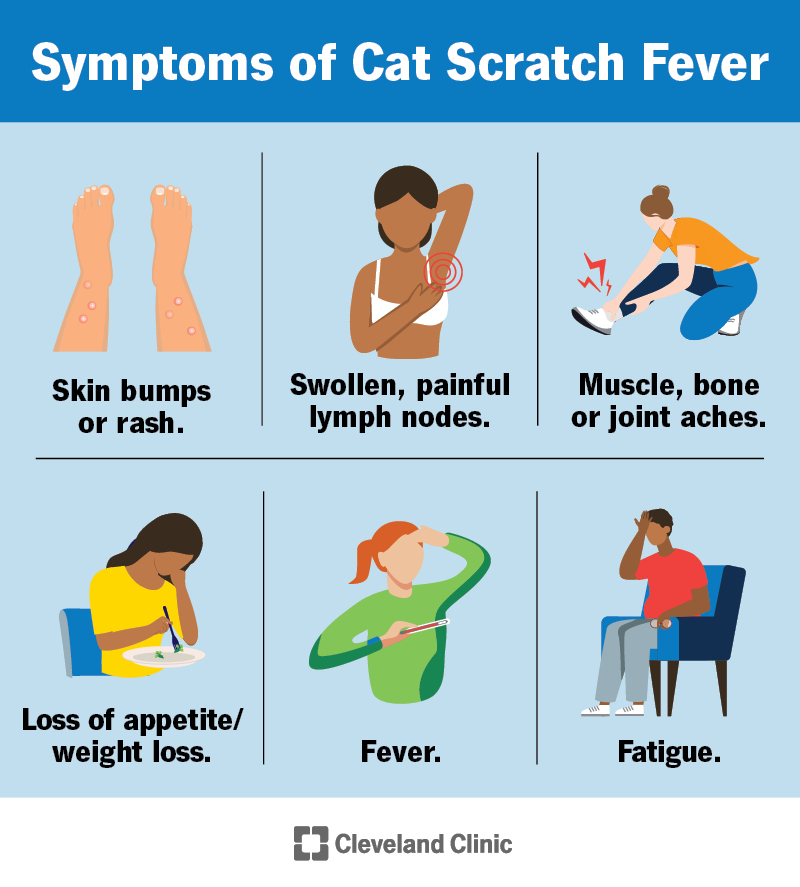
Symptoms include swollen lymph nodes, fever, and fatigue. Some people may also experience headaches or a loss of appetite. Symptoms can appear days or weeks after infection.
Doctors diagnose Cat Scratch Fever through blood tests. A doctor will check for antibodies against the bacteria. Early diagnosis helps in managing symptoms effectively.
Transmission Methods
Understanding how Cat Scratch Fever spreads is crucial for prevention. This illness, caused by the bacterium Bartonella henselae, often spreads in various ways. Knowing these methods helps keep both you and your pets safe.
Animal To Human Transmission
The primary way Cat Scratch Fever spreads is from animal to human. Cats can carry the bacteria without showing signs. A scratch or bite from an infected cat can transmit the bacteria. Even a playful lick on broken skin poses a risk. Fleas on cats can also carry the bacteria. They transfer it to cats, who then pass it to humans.
Human To Human Transmission
Direct human to human transmission is rare for Cat Scratch Fever. The bacteria do not easily spread between people. Close contact or shared items usually do not transmit the disease. Being aware of the main transmission method helps in taking the right precautions.
Risk Factors
Understanding the risk factors of Cat Scratch Fever is crucial. Not everyone is equally susceptible to this condition. Some individuals face higher risks due to specific circumstances. Environmental and behavioral factors also play a significant role in determining the likelihood of contracting the disease.
Who Is Most At Risk?
Children are often at greater risk. They are more likely to play with cats and experience scratches. People with weakened immune systems are also vulnerable. This includes those undergoing chemotherapy or living with chronic illnesses. Individuals with HIV/AIDS may face higher risks as well. The body’s defenses are compromised, making it easier for infections to spread.
Environmental And Behavioral Factors
Living with multiple cats increases exposure to potential scratches. Outdoor cats are more likely to carry the bacteria responsible for Cat Scratch Fever. Their interaction with other animals can heighten the risk. Poor hygiene practices can also contribute. Not washing hands after handling pets may facilitate bacterial transmission.
Neglecting veterinary care can elevate risks too. Regular check-ups help ensure cats are healthy and free from harmful bacteria. Scratches from playful interactions are common. Avoiding rough play with cats can reduce the chances of scratches. Teaching children to be gentle with pets is essential.

Credit: www.mountsinai.org
Preventive Measures
Cat scratch fever is a bacterial infection from cat scratches or bites. Understanding preventive measures can reduce the risk of this infection. Simple precautions ensure safety while enjoying the company of cats.
Handling Cats Safely
Handle cats gently to avoid scratches. Avoid rough play that might provoke the cat. Use toys for play instead of hands. This keeps both you and the cat safe. Teach children the importance of gentle handling.
Be cautious around stray cats. They might not be comfortable with human interaction. Approach them slowly and watch for signs of aggression. If a cat seems stressed, give it space.
Maintaining Cleanliness
Wash hands after playing with cats. Use soap and water for effective cleaning. Clean any scratches immediately with antiseptic. This prevents bacterial infection.
Keep cat claws trimmed to minimize scratches. Regular grooming reduces sharpness. Clean cat bedding and toys frequently. This helps prevent the spread of bacteria.
Ensure your cat’s health with regular vet visits. Vaccinations and check-ups help maintain overall health. A healthy cat is less likely to transmit infections.
Treatment Options
Cat scratch fever, primarily caused by the bacterium Bartonella henselae, can be a concern if you’re a cat owner or enthusiast. Once diagnosed, knowing the right treatment options is crucial to alleviate symptoms and prevent complications. Whether you’re dealing with mild discomfort or seeking medical advice, understanding the treatment choices available can empower you to take control of your health.
Medical Treatments
If you suspect cat scratch fever, consulting a healthcare professional is your best bet. They might prescribe antibiotics like azithromycin to target the bacterial infection. This approach is effective but should be tailored to your specific needs. Your doctor could recommend blood tests to confirm the diagnosis, ensuring the right treatment plan is in place.
Timeliness is key; early intervention can prevent the infection from spreading and causing more severe symptoms. You might wonder, how soon should you seek medical help? If fever or swollen lymph nodes persist beyond a few days, it’s time to get a professional opinion.
Home Remedies
For milder cases, there are simple home remedies you can try. Cleaning the scratch thoroughly with soap and water can prevent further bacterial spread. Applying an antiseptic ointment can also help to ward off infection. These steps are straightforward yet effective in reducing the risk of complications.
Consider your diet; boosting your immune system with foods rich in vitamins C and E can aid in recovery. These nutrients can be found in citrus fruits, almonds, and spinach. Have you ever thought about the power of hydration? Drinking plenty of water supports your body’s natural healing processes.
While home remedies can be beneficial, they’re not a substitute for professional medical advice. If symptoms worsen or don’t improve, it’s crucial to seek medical assistance promptly.
Whether through medical treatments or home remedies, taking proactive steps can make a difference in your recovery. Which option will you choose to ensure your peace of mind and health?

Credit: www.cancertherapyadvisor.com
Myths And Misconceptions
Many believe cat scratch fever is contagious to humans. This confusion stems from myths and misconceptions. It’s time to clear these misunderstandings.
Common Myths
Some think cat scratch fever spreads like the flu. This is not true. The disease doesn’t transfer from person to person. Others believe all cats carry the disease. Not all cats have the bacteria causing it. Misunderstandings often lead to fear and misinformation.
Clarifying Misconceptions
Cat scratch fever comes from a bacteria called Bartonella henselae. It spreads through cat bites or scratches, not human contact. Washing a scratch with soap and water reduces risk. Most healthy people recover without treatment. Educating yourself helps prevent unnecessary worry.

Credit: kidshealth.org
Frequently Asked Questions
Can Cat Scratch Fever Spread From Person To Person?
Cat scratch fever, caused by Bartonella henselae, doesn’t spread from person to person. It’s transmitted through cat scratches or bites. Always wash wounds and maintain good hygiene to reduce risk. Seek medical advice if symptoms persist.
Should I Go To The Er For Cat Scratch Fever?
Cat scratch fever symptoms often improve without ER visits. Seek medical attention for severe symptoms like high fever or swollen lymph nodes. Always monitor your condition and consult a healthcare professional for guidance. Early treatment can prevent complications and ensure a quicker recovery.
What Are The Signs Of Bartonella In Humans?
Signs of Bartonella in humans include fatigue, fever, headache, and swollen lymph nodes. Some may experience muscle pain, skin rashes, and neurological symptoms. It’s crucial to consult a healthcare professional for proper diagnosis and treatment. Bartonella infections can vary, so professional medical advice is essential for accurate identification and care.
How Likely Are You To Get Sick From A Cat Scratch?
Cat scratches can lead to infections like cat scratch fever, though serious illness is rare. Keeping the wound clean and monitoring for signs of infection reduces risk. Seek medical advice if symptoms like swelling or fever occur. Always wash hands after handling cats to minimize potential health risks.
Conclusion
Cat scratch fever isn’t easily spread among people. Direct contact with infected cats is the main source. Washing hands after handling cats helps prevent it. Early symptoms include fever and swollen nodes. Treatment often involves antibiotics. Most recover quickly with proper care.
Consulting a doctor ensures the right diagnosis. Protect yourself by avoiding rough play with cats. Keeping cats indoors reduces risk. Regular vet checks help maintain cat health. Stay informed and safe. Your health matters.

Similar Posts