How to Switch Cat Food: A Stress-Free Guide
Switching your cat’s food might seem like a simple task, but it can be a bit tricky if not done correctly. Imagine yourself standing in the pet food aisle, overwhelmed by the variety of options and unsure of how to make the transition without upsetting your feline friend’s stomach.
You want the best for your cat, and making the right dietary changes is crucial for their health and happiness. In this guide, you’ll discover the secrets to making a smooth switch that keeps your cat purring with contentment. By understanding the process and following a few easy steps, you can ensure your cat adapts to its new diet effortlessly.
Curious about how to make this transition without a hitch? Keep reading, and you’ll learn everything you need to know to make your cat’s mealtime a tail-wagging success.
Choosing The Right Cat Food
Choosing the right cat food can be challenging. Every cat has different needs. The goal is to keep them healthy and happy. A good diet is important for their wellbeing. Let’s explore what makes a cat food suitable.
Understanding Nutritional Needs
Cats need proteins, fats, and some carbohydrates. Proteins help muscles grow and repair. Fats give energy and keep the skin healthy. Carbohydrates are less important but provide fiber. Ensure the food has vitamins and minerals too.
Considering Age And Health Conditions
Kittens need more proteins and fats. Older cats may need fewer calories. Cats with health issues require special diets. Consult a vet for specific needs. Adjust food based on your cat’s age and health.
Types Of Cat Food Available
There are dry, wet, and semi-moist foods. Dry food is convenient and less messy. Wet food has more moisture, good for hydration. Semi-moist food is tasty, but less popular. Choose the type that suits your cat’s preference.
Gradual Transition Process
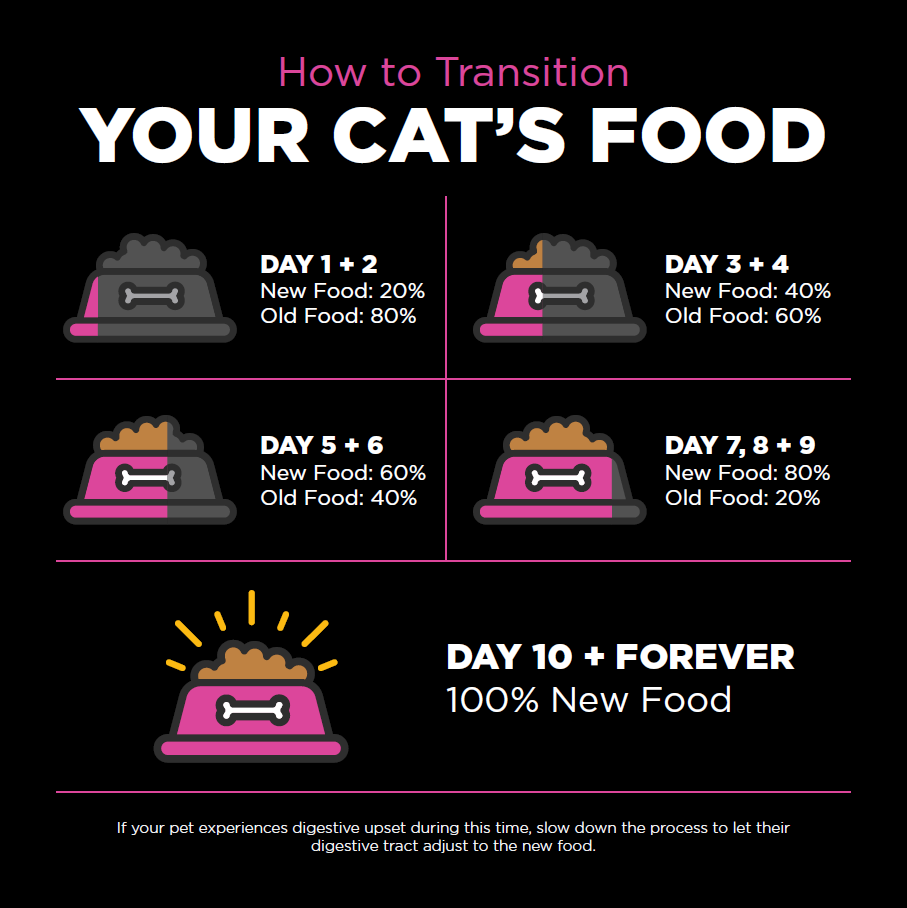
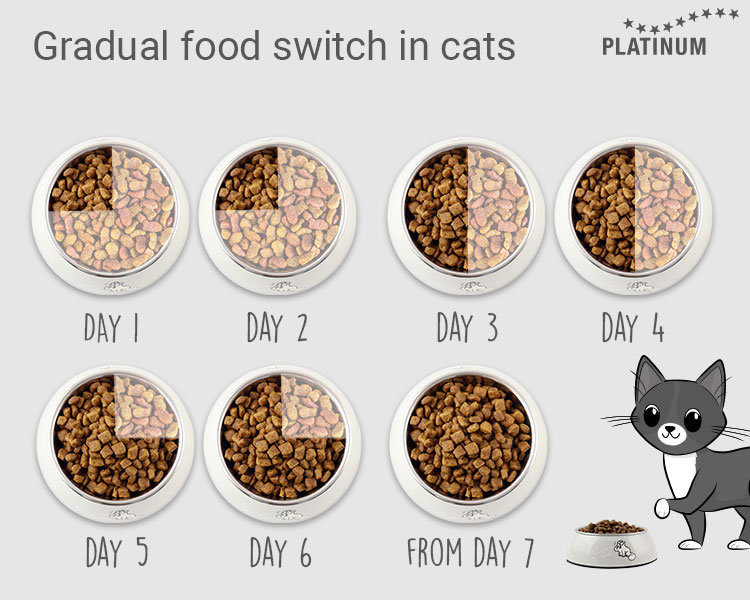
Switching cat food requires a slow transition process. Gradually mix new food with the old one over a week. This helps avoid stomach upset and ensures your cat accepts the new diet comfortably.
Switching your cat’s food is not just about pouring new kibble into a bowl. Cats are creatures of habit, and a sudden change in diet can upset their stomachs and lead to other health issues. A gradual transition process ensures that your feline friend adjusts smoothly, reducing the risk of digestive problems and increasing the chance of acceptance of the new food. Let’s explore how you can make this transition as smooth as possible for your cat.
Mixing New And Old Food
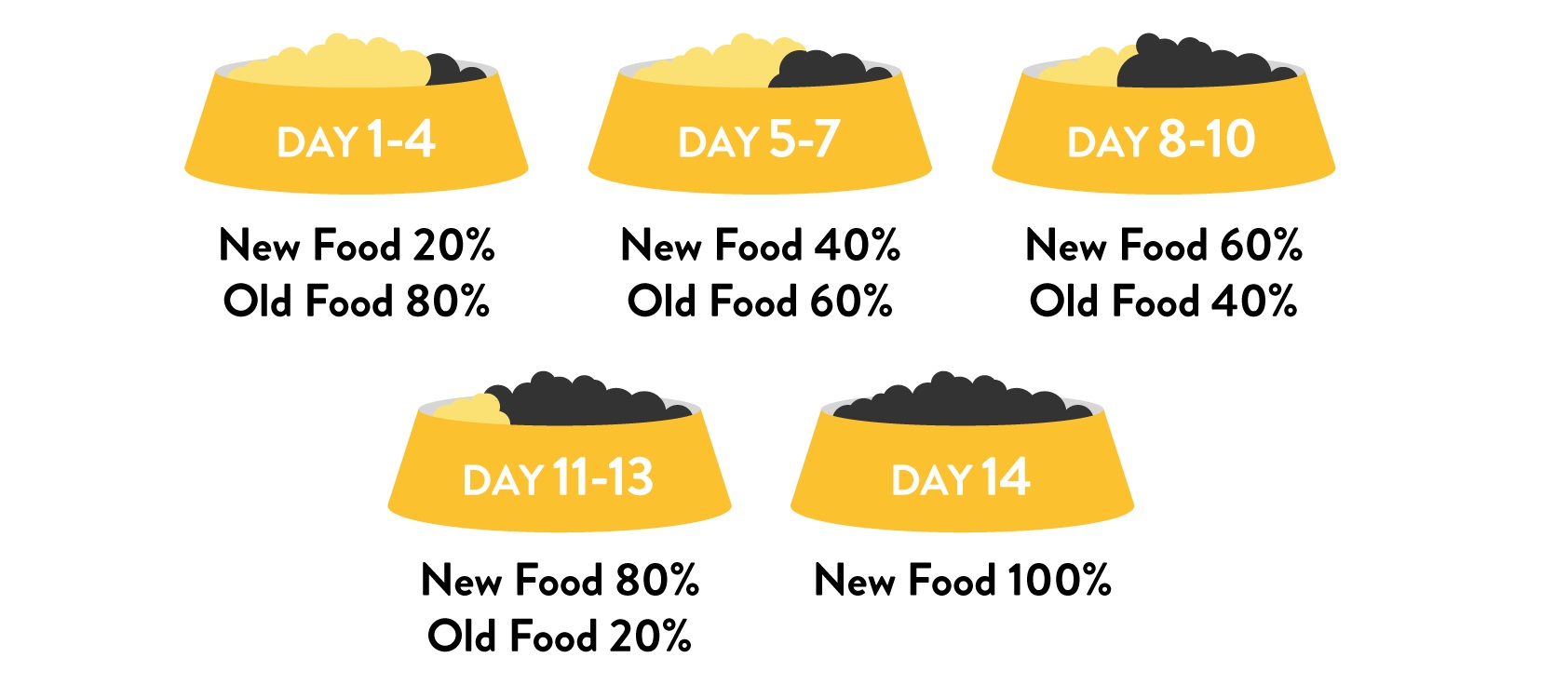
Begin by mixing a small amount of the new food with your cat’s current food. A simple ratio to start with is 75% old food and 25% new food. Gradually increase the proportion of new food over a week or two. This slow introduction helps your cat get used to the new taste and texture. It also allows their digestive system to adjust without causing distress. Have you ever tried changing your diet abruptly? It’s not pleasant, and your cat feels the same way.
Monitoring Your Cat’s Reaction
Keep an eye on your cat’s behavior and health during the transition. Is your cat eating less, or seem uninterested in the new mix? Look for signs of digestive discomfort like vomiting or diarrhea. If you notice any adverse reactions, slow down the transition process. Sometimes, a cat may need more time to adapt. You might even need to try a different brand if your cat consistently refuses the new food.
Adjusting Portions Gradually
As your cat becomes accustomed to the new food, adjust the portion sizes. Gradually decrease the old food until your cat is eating only the new food. This process should take about 7-10 days, depending on your cat’s sensitivity. Portion control is essential, especially if you’re changing to a food with different calorie content. Overfeeding can lead to weight gain, while underfeeding might leave your cat hungry. Have you checked the feeding guidelines on the new food packaging? Taking the time to transition your cat’s food gradually can lead to a healthier and happier pet. Patience and observation are your best tools throughout this process. Wouldn’t you want the same care if you had to change your diet?
Managing Stress In Cats
Switching cat food should be gradual to manage stress. Start by mixing small amounts of new food with the old. Gradually increase the new food over a week. This helps your cat adjust without stress.
Managing stress in cats is crucial when switching their food. Cats are creatures of habit. Changes can cause them stress. Stress affects their health and behavior. It’s important to manage this effectively. A calm cat adapts better to new food.
Creating A Comfortable Environment
A peaceful space helps reduce stress. Ensure your cat’s environment is quiet. Provide cozy spots for rest. Keep their feeding area clean and calm. Avoid loud noises during meal times. Familiar surroundings make transitions smoother.
Recognizing Stress Signs
Identify stress signs early. Watch for changes in appetite. Notice if your cat becomes withdrawn. Increased aggression or hiding are also signs. Monitor their litter box habits. Early recognition helps in managing stress.
Using Calming Techniques
Calming techniques can ease stress. Try gentle petting or brushing. Use soothing tones when speaking. Consider pheromone diffusers for a calming effect. Interactive play can distract from stress. Maintain a consistent routine for comfort.
Credit: www.platinum.com
Consulting With A Veterinarian
Switching cat food is a significant decision. It affects your pet’s health. Consulting a veterinarian is crucial. They provide expert advice. A vet ensures a smooth transition. This minimizes any health risks. It’s wise to seek professional guidance. Vets can offer tailored recommendations. This helps your cat adapt easily.
When To Seek Professional Advice
Consider consulting a vet before switching cat food. If your cat has allergies, seek advice. Weight issues or digestive problems need professional input. Consult a vet if your cat is older or has health conditions. They can assess dietary needs accurately.
Questions To Ask Your Vet
Prepare questions for your vet. Ask about suitable food options. Inquire about transition periods. Question potential allergies or intolerances. Ask for feeding schedules. Discuss portion sizes and nutritional balance. These questions guide your decision.
Benefits Of Regular Check-ups
Regular vet check-ups are beneficial. They monitor your cat’s health. Early detection of issues is possible. Vets ensure dietary needs are met. Regular visits build a health profile. This assists in future food transitions. It’s a proactive approach to pet care.
Common Mistakes To Avoid
Switching cat food might seem simple, but mistakes can happen. These errors can upset your cat’s tummy or cause other issues. Understanding what to avoid helps make the transition smooth for your feline friend.
Changing Food Too Quickly
Many owners make the mistake of changing food fast. Cats need time to adjust to new food types. Sudden changes can lead to digestive problems. Gradually mix the new food with the old. This helps your cat’s stomach get used to the change.
Ignoring Allergies And Sensitivities
Allergies in cats are common. Some foods might trigger bad reactions. Always check for signs like itching or vomiting. Consult your vet if you notice these symptoms. Choose food that suits your cat’s specific needs.
Neglecting Hydration Needs
Cats often need moisture in their diet. Dry food alone might not provide enough water. Ensure your cat has access to fresh water at all times. Consider wet food options for balanced hydration. Hydration is key for a healthy cat.

Credit: www.petfood.express
Tracking Progress And Success
Switching cat food requires careful monitoring of your feline’s health and behavior. Observe changes in energy levels, coat shine, and digestive habits. Gradual transitions help track progress and ensure success in dietary shifts.
Switching your cat’s food can be a delicate process, and ensuring a smooth transition is crucial for your pet’s health and happiness. Tracking progress and success during this phase will help you understand if your cat is adjusting well to their new diet. By keeping a close eye on changes and documenting the journey, you can make informed decisions and celebrate every small victory along the way.
Using A Feeding Diary
Creating a feeding diary is an excellent way to monitor your cat’s transition. Note the amount and type of food given each day. Record any changes in appetite or eating habits. Did your cat finish their meal, or did they leave some behind? This diary will provide valuable insights into how well your cat is adjusting. It will also help you determine if the new food is being accepted or if adjustments are needed.
Observing Behavioral Changes
Keep an eye out for any behavioral changes in your cat. Are they more playful, or do they seem lethargic? Changes in behavior can indicate how the new diet is impacting their energy levels and overall wellbeing. Does your cat appear more satisfied after meals? Perhaps they’re grooming more or less frequently. These subtle shifts can provide clues about how the new food is affecting them, both physically and mentally.
Celebrating Milestones
Every small step towards the successful transition deserves celebration. Did your cat try the new food for the first time without hesitation? That’s a win! Recognize and celebrate these milestones, as they mark progress in the journey. It could be as simple as giving your cat an extra cuddle or sharing a proud moment with fellow pet owners. Celebrating these moments keeps you motivated and reassures your cat that they’re doing great. Tracking your cat’s progress with these methods not only ensures their health but also strengthens the bond between you and your furry friend. How will you celebrate your cat’s next milestone?
Credit: www.petbarn.com.au
Frequently Asked Questions
What Happens If You Switch Cat Food Too Fast?
Switching cat food too fast can cause digestive upset. Cats may experience vomiting, diarrhea, or reduced appetite. Gradually mix new food with the old to avoid issues. A slow transition ensures your cat adjusts well, maintaining health and happiness. Always consult a vet for dietary changes.
How Long Should I Give My Cat To Adjust To New Food?
Gradually transition your cat to new food over 7-10 days. Start with 25% new food mixed with 75% old food. Slowly increase the new food amount while decreasing the old food. This helps prevent digestive issues and allows your cat to adjust smoothly.
Monitor their response and consult a vet if needed.
What Is The 25 Rule For Cat Food?
The 25% rule for cat food means the named ingredient must constitute at least 25% of the product. This rule ensures that the product contains a significant amount of the listed ingredient, providing transparency for cat owners.
Can I Switch My Cat’s Food Without Transitioning?
Sudden food changes can upset your cat’s stomach. Gradually transition their diet over 7-10 days for safety. Mixing new and old food helps avoid digestive issues. Always consult your vet for specific advice tailored to your cat’s needs. Transitioning ensures your cat’s health and happiness with their new diet.
Conclusion
Switching cat food requires patience and care. Gradually introduce new food. This helps prevent stomach issues. Watch for any allergic reactions. Your cat’s health is important. Observe their behavior and energy levels. Consult a vet if unsure. Maintain a balanced diet for your cat.
Healthy eating leads to a happy pet. Take time to adjust their meals. Your cat will appreciate the effort. Enjoy the journey of finding the perfect food. Your feline friend deserves the best. Trust your instincts and keep learning. Cats thrive on love and good nutrition.

Similar Posts