How to Know If Your Cat Has Separation Anxiety: Signs
Does your cat seem distressed when you leave the house? Have you noticed unusual behaviors like excessive meowing or destructive scratching when you’re not around?
These could be signs that your furry friend is struggling with separation anxiety. Understanding your cat’s emotional needs is crucial for their well-being and your peace of mind. We’ll explore the telltale signs of separation anxiety in cats and offer practical solutions to help ease their distress.
Ready to ensure your cat feels safe and secure even when you’re away? Let’s dive in!

Credit: www.pawmaw.com
Signs Of Separation Anxiety
Is your cat acting differently when you’re not around? Cats can experience separation anxiety. It can be hard to spot. Understanding the signs is key. This helps you provide comfort and support. Let’s explore the common signs of separation anxiety in cats.
Excessive Meowing
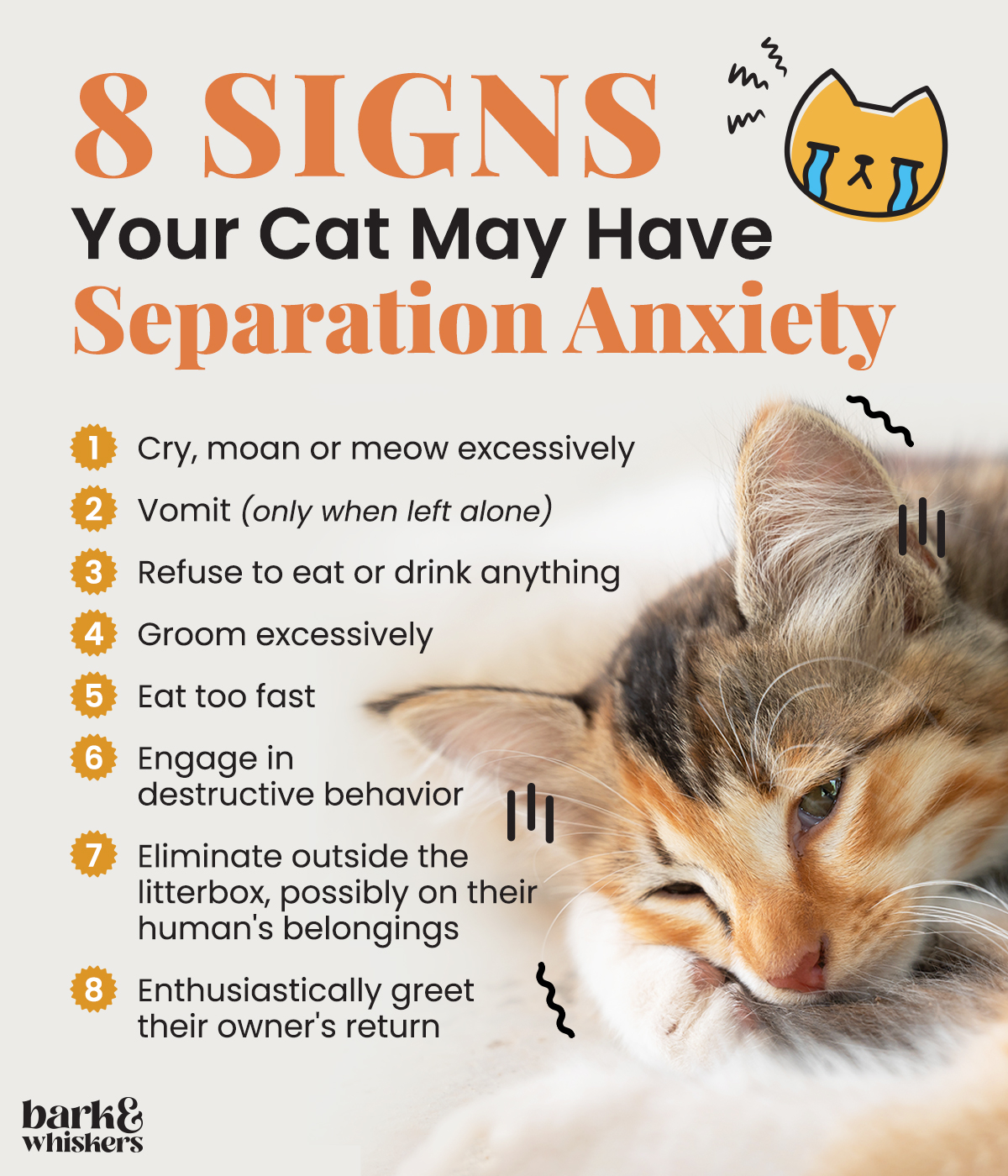
Cats usually meow to communicate. But too much meowing can mean stress. Does your cat meow loudly when you leave? This could indicate anxiety. Pay attention to the pitch and frequency. A sudden increase is a red flag. It’s their way of seeking attention.
Destructive Behavior
Cats may scratch furniture or knock things over. This isn’t just mischief. Anxiety can cause this behavior. They might chew on wires or tear up paper. Observe any changes in their actions. Destructive acts often signal distress. Your absence might be causing it.
Changes In Appetite
Is your cat eating less or more? Anxiety can change eating habits. Some cats lose appetite. Others eat more for comfort. Notice any sudden shifts in their diet. Changes in weight can follow. Monitor their food intake closely.
Litter Box Issues
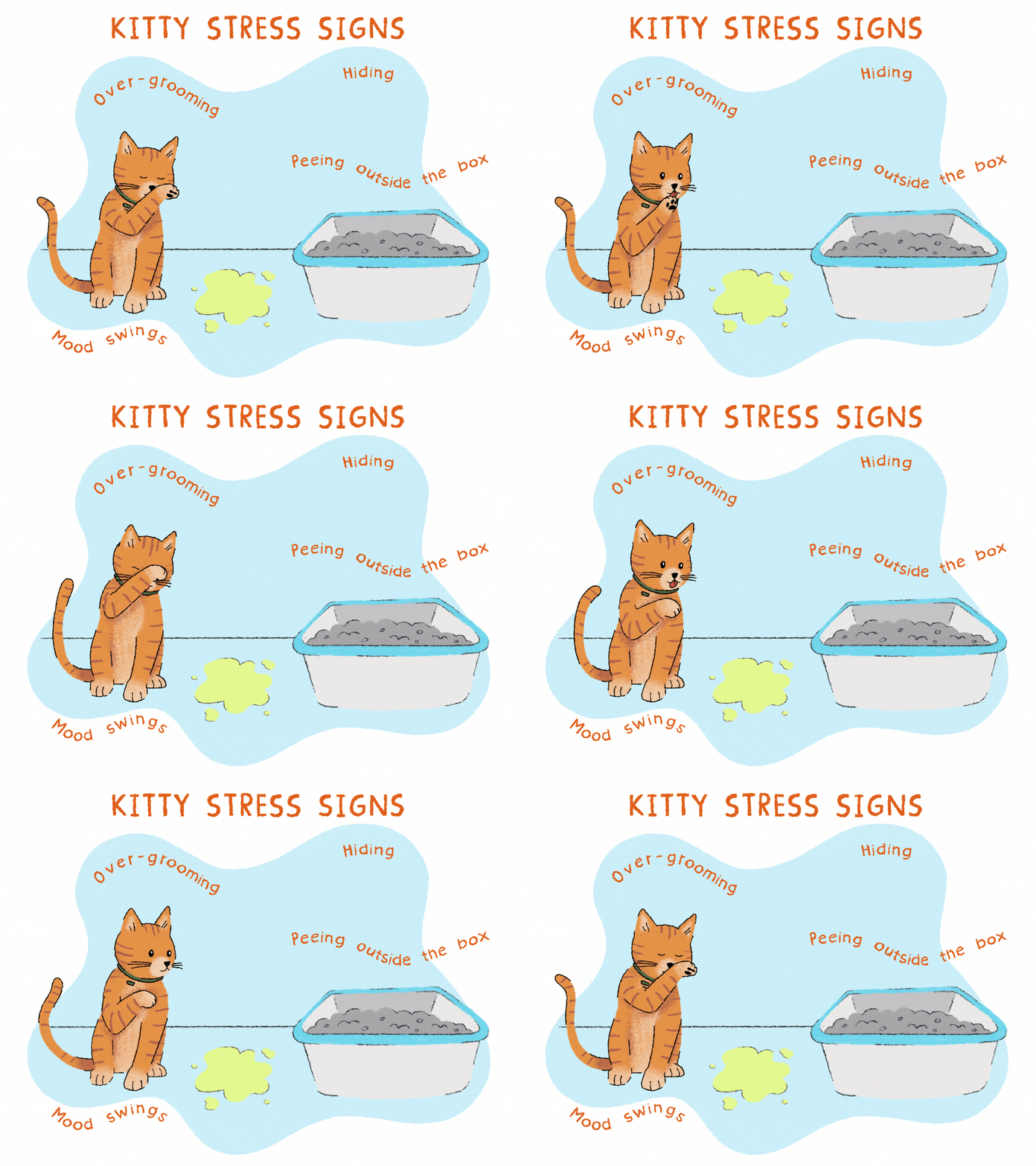
Cats are usually clean with their litter box. An anxious cat might avoid it. They may urinate outside the box. This behavior can be a sign of stress. It’s not just a mess. It’s a message. Address it by checking their emotional needs.
Behavioral Changes
Cats may show separation anxiety through unusual behavior. Watch for excessive meowing, destructive actions, or litter box issues. Understanding these signs helps in comforting your feline friend.
Understanding the behavioral changes in your cat can be key to identifying separation anxiety. These changes may manifest in different ways, and noticing them early can help you provide the support your feline friend needs. While each cat is unique, certain behaviors are common indicators of stress when you’re away. Could your cat be trying to tell you something? Let’s dive into these behavioral changes.Clinginess
Has your cat suddenly transformed into your shadow? Cats with separation anxiety often become extra clingy, seeking constant attention and following you around the house. This behavior might seem cute, but it can be a sign of underlying anxiety. Think about the times you’re preparing to leave—does your cat park themselves right next to your shoes? Clinginess might include excessive meowing or nudging when you’re getting ready to go. These actions could be their way of expressing discomfort and a need for reassurance.Pacing Or Restlessness
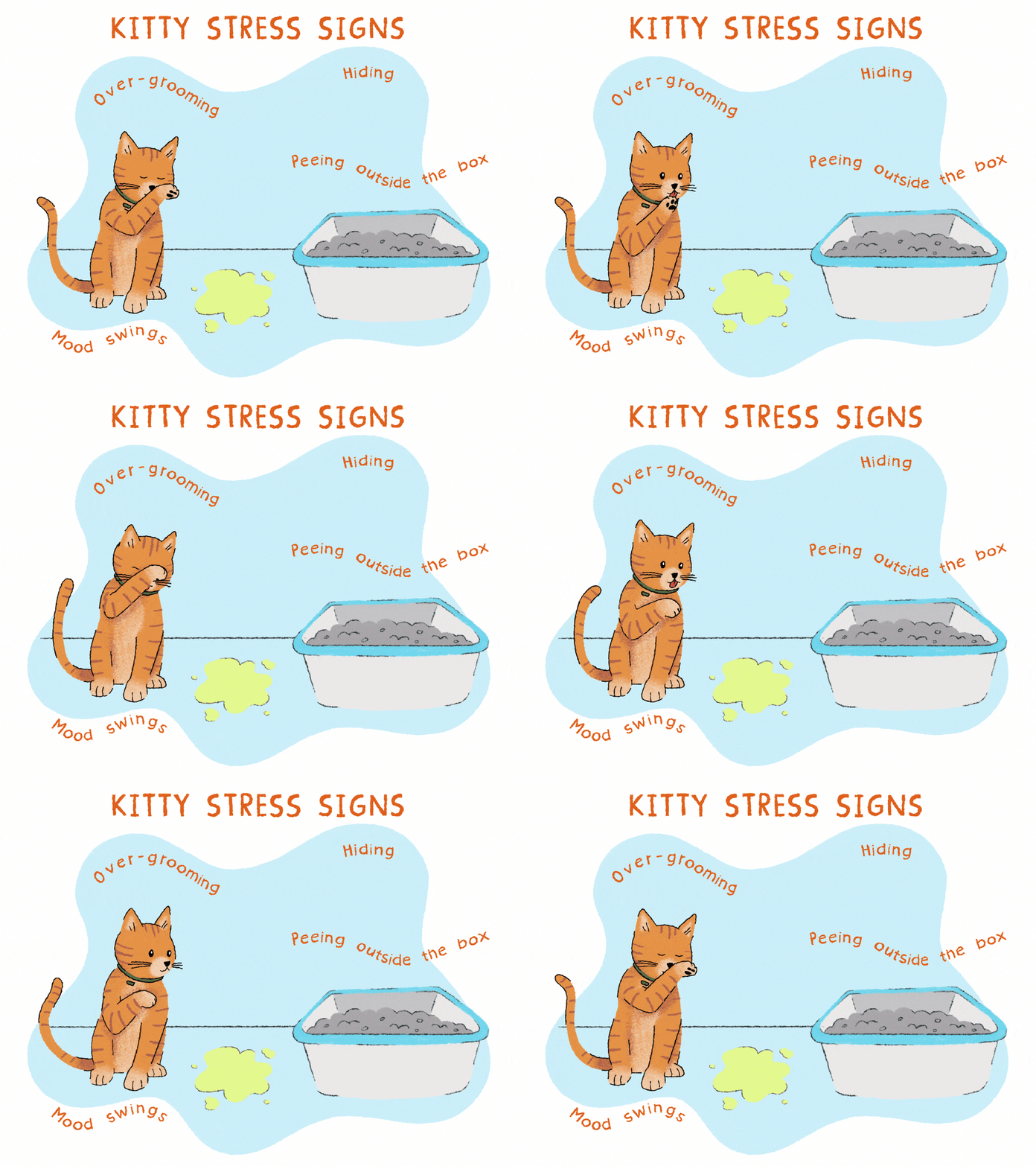
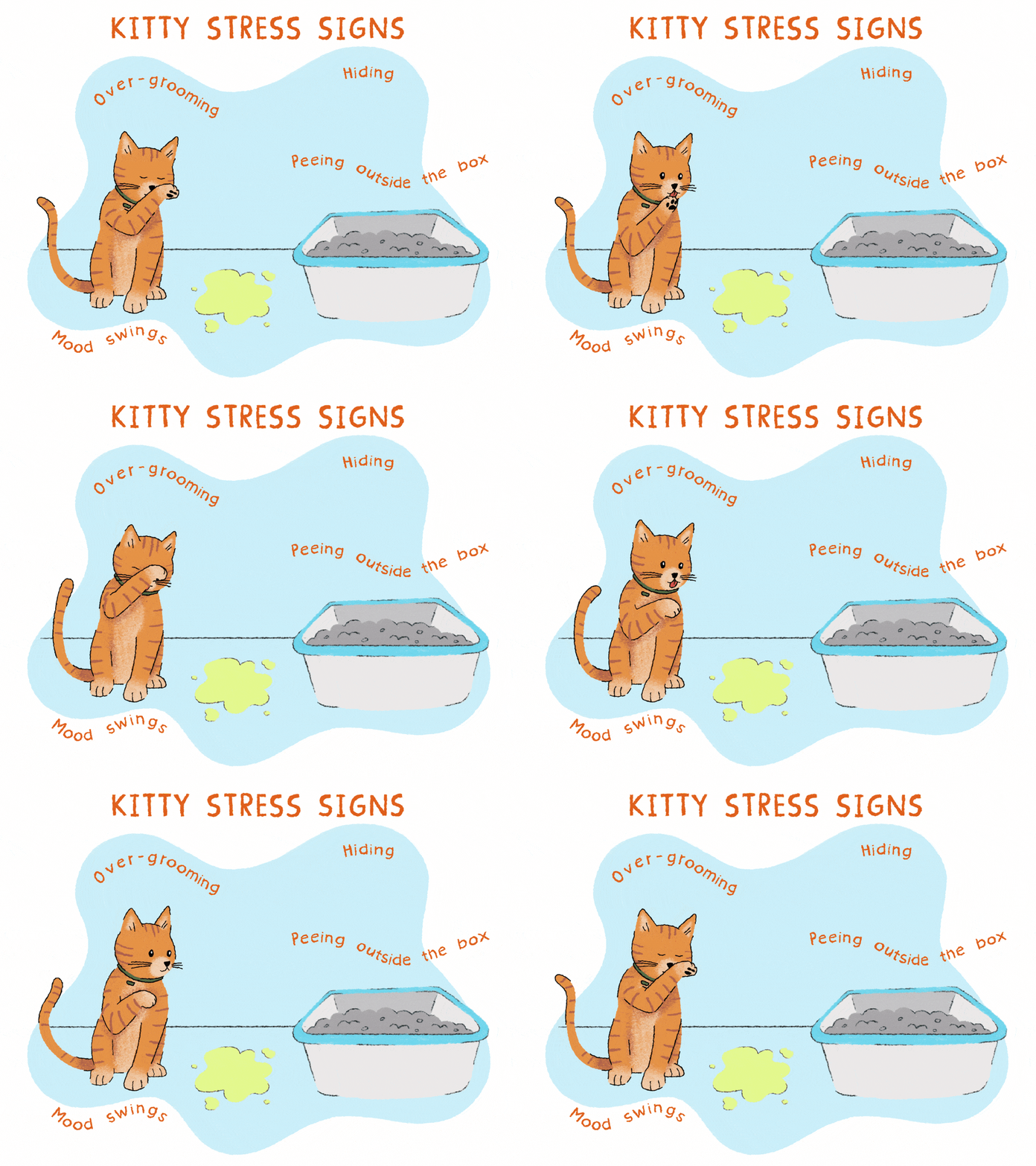
Notice if your cat is pacing back and forth, especially when you’re about to leave. This restlessness is a classic sign of anxiety. You might see them moving around more, appearing unsettled, or even over-grooming themselves. Consider whether your cat’s pacing happens at specific times, like when you grab your keys. Such patterns might reveal their unease with impending separation. You can try to engage them with toys or a cozy spot to rest, but pay attention to their body language for further clues.Hiding Or Avoidance
While some cats become clingy, others might go the opposite way—hiding or avoiding you altogether. This behavior can be perplexing, especially if your usually social kitty suddenly becomes a recluse. Think about the last time you had to search the entire house for your cat. Were they tucked away in their favorite hiding spot, possibly avoiding the perceived stress of your absence? If hiding becomes a frequent behavior, it might be worth considering ways to make your home environment more comforting for them. These behavioral changes are not just quirks; they are your cat’s way of communicating distress. By being observant and proactive, you can help ease their anxiety. Have you noticed any of these signs in your cat? If so, what steps have you taken to help them feel more secure? Your insights might just be the key to a happier, more relaxed feline friend.Physical Symptoms
Recognizing physical symptoms of separation anxiety in your cat can be crucial for their well-being. Cats may not express their emotions as overtly as humans do, but their bodies can reveal underlying stress. Have you noticed any unusual behavior in your feline friend lately? Let’s dive into some physical signs that might indicate your cat is struggling with separation anxiety.
Excessive Grooming
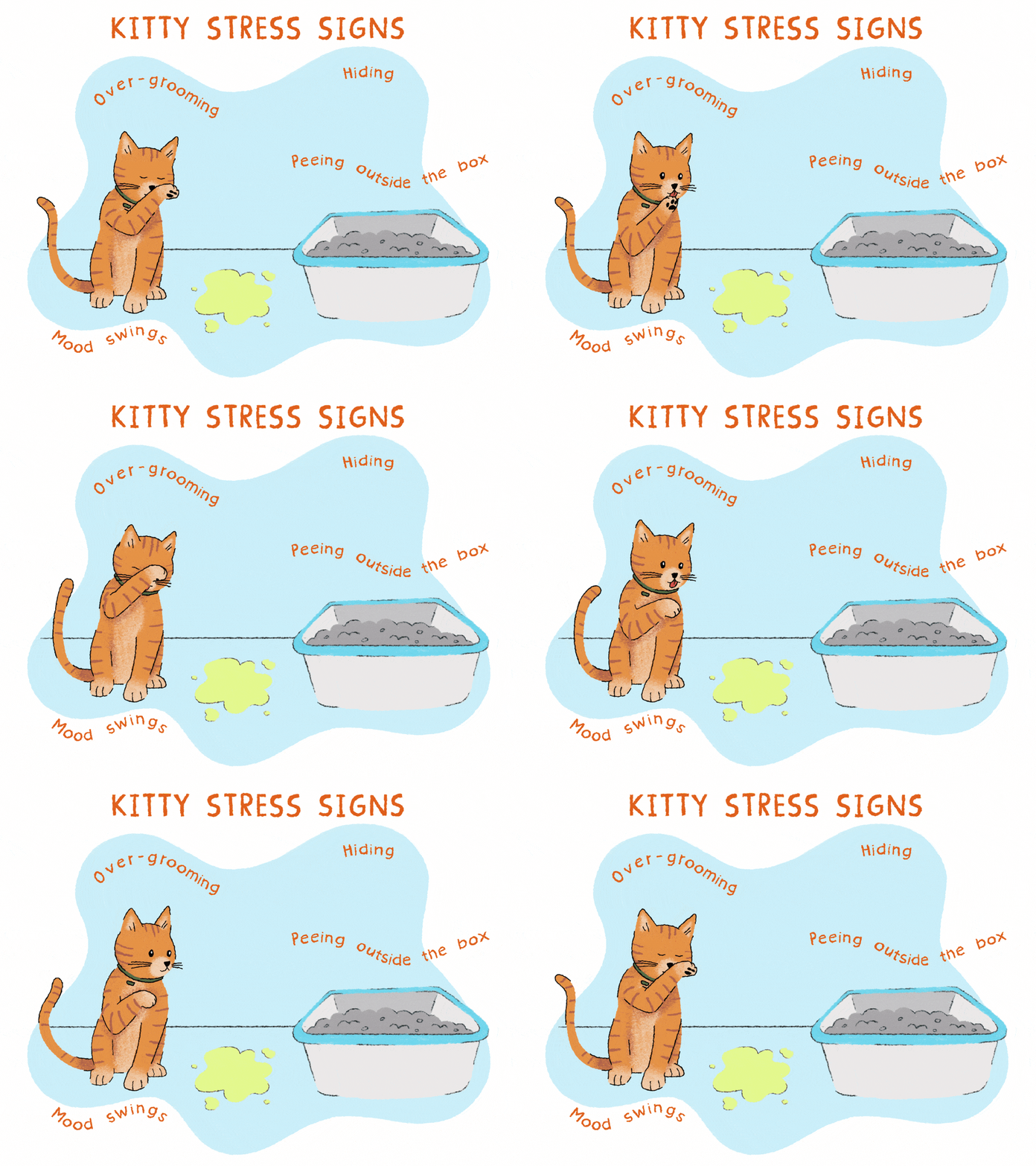
One clear indicator of separation anxiety is excessive grooming. If your cat is licking or biting their fur more than usual, they might be trying to soothe themselves. This behavior can lead to bald patches or irritated skin.
Consider the last time you left for vacation. Did your cat seem to be grooming more upon your return? It could be their way of coping with your absence. Observing grooming habits can give insight into their emotional state.
Vomiting Or Diarrhea
Digestive issues are another physical symptom of anxiety. If your cat is experiencing vomiting or diarrhea, it might be more than a dietary issue. Stress can upset their stomach, just as it does in humans.
Reflect on any recent changes in your schedule. Did you start a new job that keeps you away longer? Sudden shifts can unsettle your cat, leading to digestive troubles. If you notice these symptoms, it might be time to assess their stress levels.
Understanding these physical signs is just one part of addressing your cat’s separation anxiety. How do you plan to make your pet feel more secure during your absence? Taking proactive steps can create a more comforting environment for your furry companion.
Credit: x.com
Environmental Triggers
Environmental triggers can play a crucial role in your cat’s mental health, particularly when it comes to separation anxiety. Cats are creatures of habit, and changes in their surroundings can lead to stress. Understanding these triggers is the first step in helping your feline friend feel more comfortable.
Changes In Routine
Has your schedule shifted recently? Cats thrive on routine. If you suddenly start leaving home earlier or coming back later, your cat might feel confused and anxious. Consider keeping feeding times consistent and providing toys that mimic your presence, like automated laser pointers or puzzle feeders.
Consistency is key. Try to establish a predictable pattern even when your routine changes. This helps your cat feel secure and reduces anxiety.
New Household Members
Introducing a new family member, whether it’s a baby, partner, or another pet, can be overwhelming for your cat. They may feel displaced or neglected. When we adopted a puppy, our cat initially showed signs of stress. We made sure to spend quality one-on-one time with her and gradually introduced the puppy to her space.
How would your cat react if you suddenly had a new roommate? Creating a safe space for your cat where they can retreat can ease the transition. Allocate a quiet corner with their favorite toys and bedding.
It’s all about balance. While new members bring joy, ensure your cat still gets the attention they crave. This not only helps them adjust but also strengthens your bond.
Differentiating From Other Issues
Cats may show signs like excessive meowing, destructive behavior, or litter box issues. These behaviors can indicate separation anxiety rather than other health problems. Observing your cat’s behavior when you leave can help identify this condition.
Cats are known for their independence, yet they can suffer from separation anxiety just like humans. It’s crucial to differentiate separation anxiety from other issues to address your cat’s needs effectively. This can be a challenging task, but understanding the nuances can make it easier for you and your furry friend.Medical Causes
Sometimes, what seems like separation anxiety could be a medical issue. Your cat might be experiencing pain or discomfort, leading to changes in behavior. A sudden increase in vocalization, excessive grooming, or changes in appetite could be signs of underlying health problems. Visiting a vet can help rule out medical concerns. Imagine how relieved you’ll feel knowing your cat is healthy, or that you’re taking steps to address any issues.Other Behavioral Problems
Behavioral problems often mimic separation anxiety. Your cat might act out due to stressors like moving to a new home or the addition of a new pet. Aggression or territorial marking can indicate stress rather than anxiety. These behaviors might seem similar, but the root cause differs. Consider the environment changes. Is there something new that could be causing stress? Understanding these distinctions will help you provide the right support for your cat. Have you ever noticed your cat pacing or meowing excessively when you leave? Before jumping to conclusions, ask yourself if recent changes might be affecting them. Knowing the difference is empowering. It helps you take the right steps, whether it’s seeking medical advice or adjusting your cat’s environment. Addressing the real issue ensures your cat remains happy and healthy, allowing you both to enjoy your time together without unnecessary stress.
Credit: www.instagram.com
Frequently Asked Questions
What Are The Signs Of A Stressed Cat?
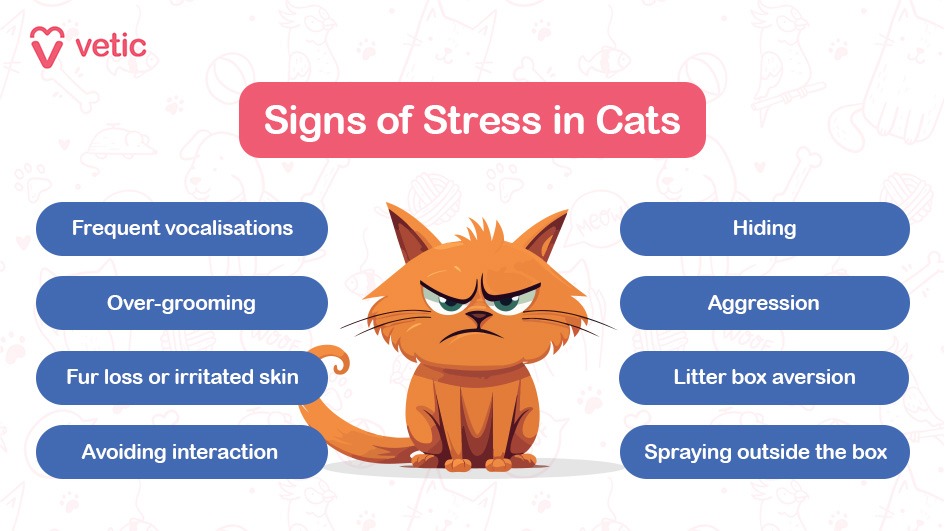
Cats show stress by hiding, excessive grooming, or avoiding interaction. They may also show aggression or have appetite changes. Look for increased vocalization or litter box issues. A stressed cat might scratch furniture or have tense body language. Regular vet check-ups help address and manage stress in cats effectively.
How Do You Tell If Your Cat Is Too Attached?
A cat may be too attached if it follows you everywhere, constantly seeks attention, or shows separation anxiety. Excessive meowing, grooming, or clinginess are signs of overattachment. Balance your cat’s independence with affection to ensure a healthy relationship.
What Calms Cats Naturally?
Cats naturally calm with pheromone diffusers, catnip, and interactive play. Create a quiet, cozy space for relaxation. Offer gentle petting and soothing music. Consider using calming sprays or herbal remedies like valerian root. Regular routines and positive interactions help maintain a stress-free environment for your cat.
Do Cats Mind Being Left Alone?
Cats can tolerate being alone for short periods. Some may feel lonely and need companionship or stimulation. Provide toys and a cozy environment to keep them entertained. It’s essential to monitor their behavior and adjust their alone time based on their individual needs and comfort levels.
Conclusion
Recognizing separation anxiety in cats improves their well-being. Observe their behavior closely. Look for signs like excessive meowing or destruction. Consult a vet if you notice these behaviors. They can guide you to solutions. Consider interactive toys for mental stimulation.
A routine helps cats feel secure. Try leaving worn clothes around for comfort. Spend quality time with your cat when home. This strengthens your bond. Understanding your cat’s needs can ease their anxiety. A happy cat is a calm cat.
Your attention makes a difference. Be patient and consistent in your approach.

Similar Posts