How to Help Cat With Anxiety: Expert Tips

Is your furry friend acting out of sorts? You might notice your cat hiding more than usual, becoming unusually aggressive, or displaying other puzzling behaviors.
These could be signs of anxiety, a common issue among cats that can leave both you and your pet feeling stressed. You love your cat and want to see them happy and relaxed, but it can be tough to know where to start.
Imagine being able to create a peaceful environment where your cat feels safe and secure. Sounds like a dream, right? Understanding how to help your cat with anxiety is crucial, not just for their well-being but for your peace of mind too. Dive into this article to uncover simple yet effective strategies that can transform your anxious kitty into a calm and content companion. Don’t wait—your cat’s happiness is just a few tips away.
Recognizing Anxiety In Cats
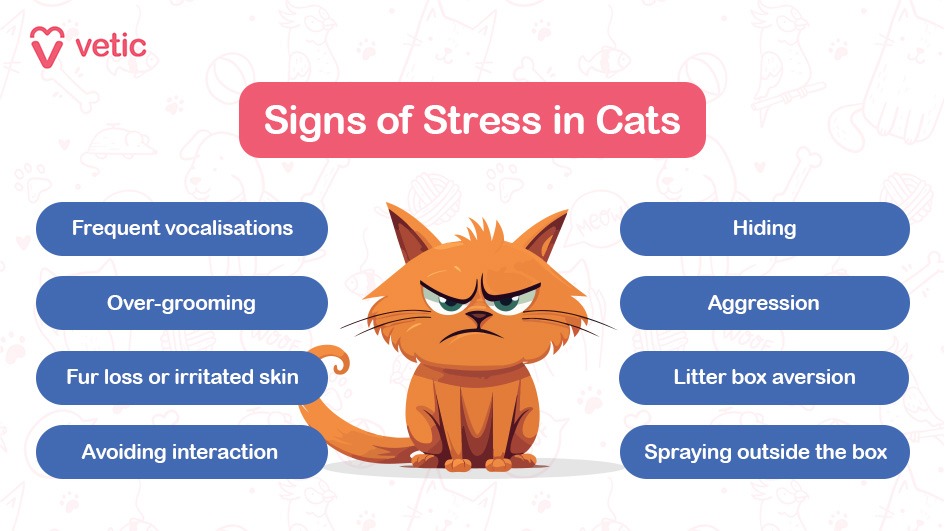
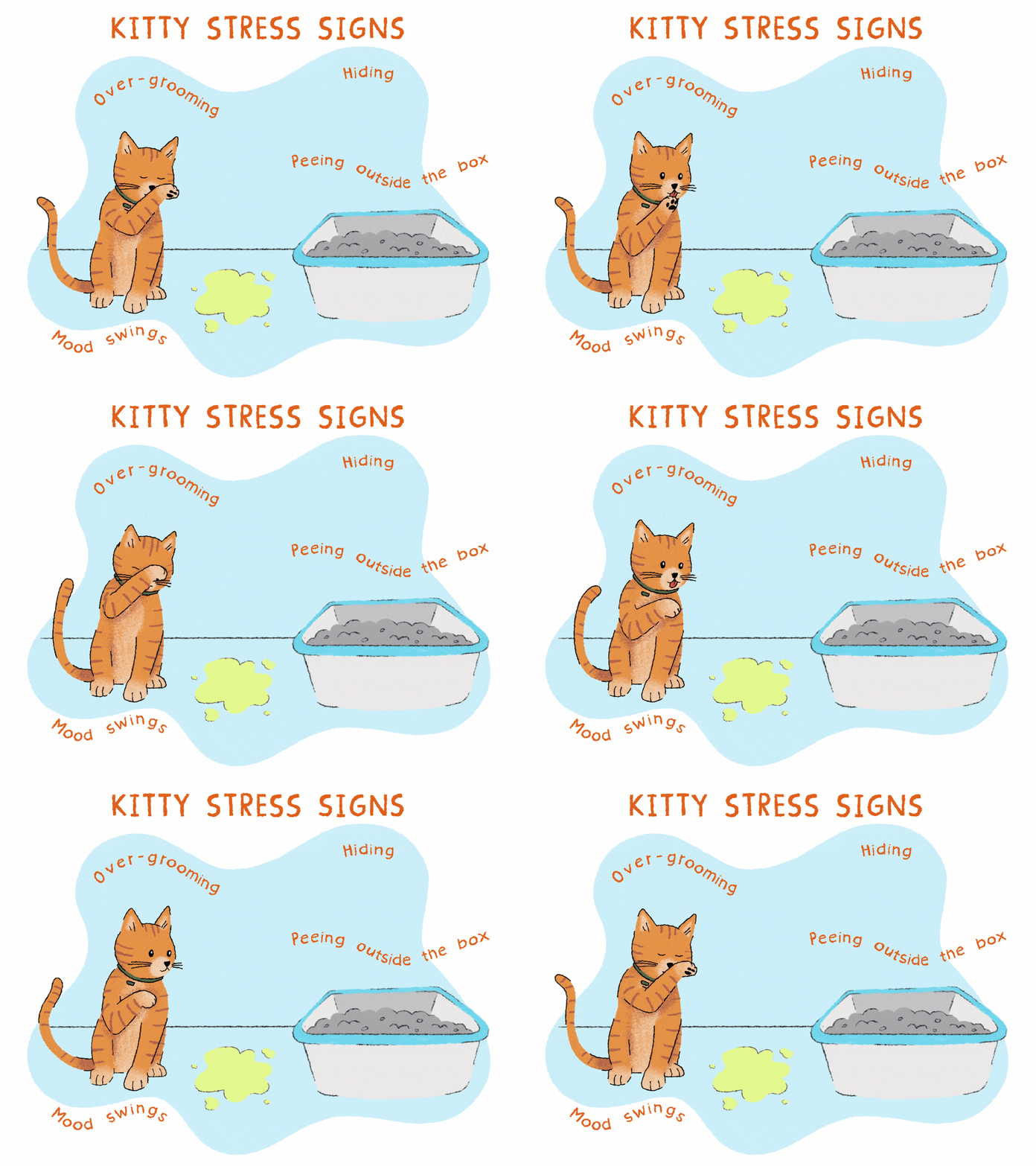
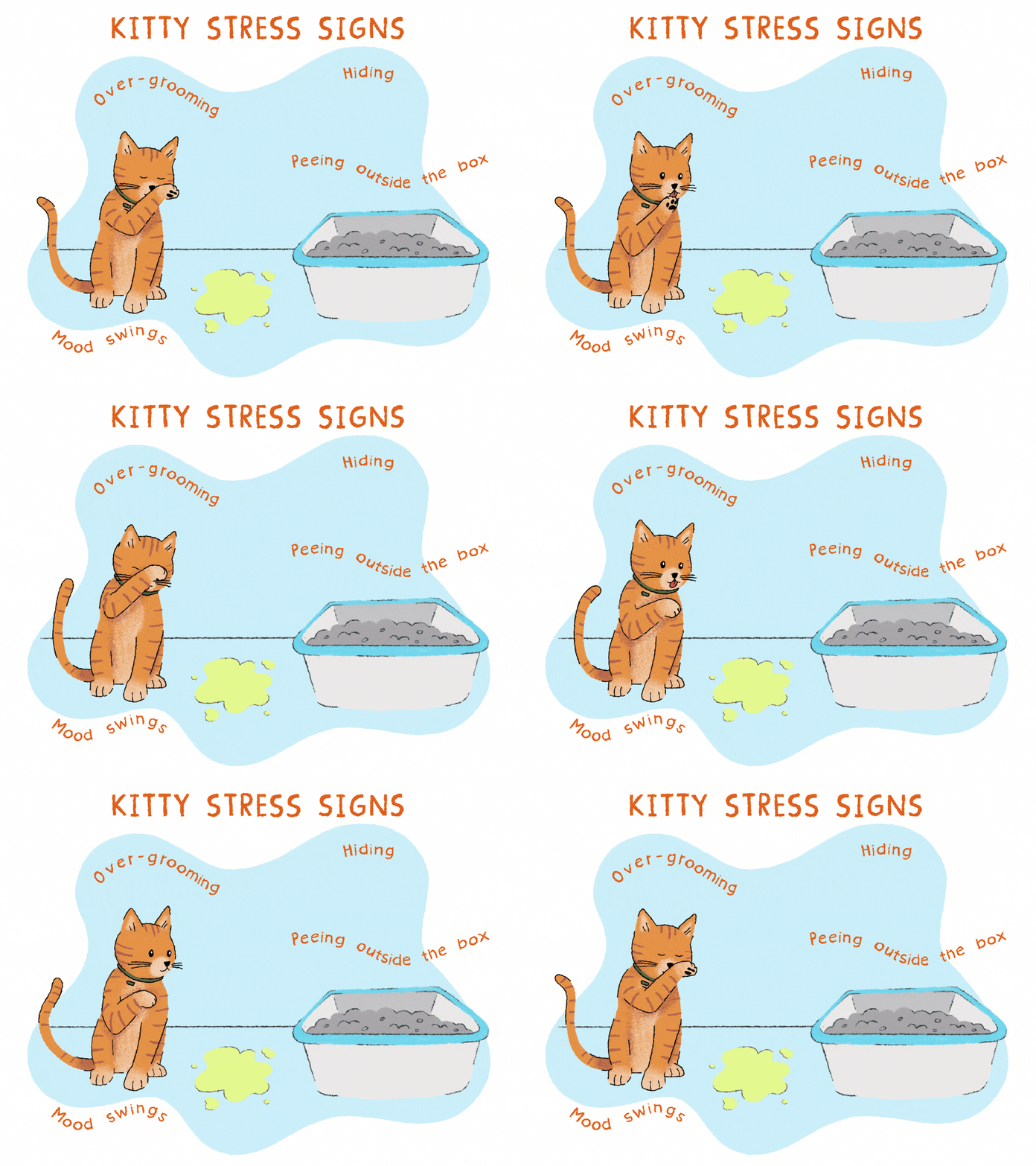
Cats can show anxiety through hiding, excessive grooming, or aggression. Help your furry friend by creating a calm environment. Provide cozy spaces, interactive toys, and a consistent routine to ease their stress.
Recognizing Anxiety in Cats Understanding your cat’s anxiety is the first step to helping them. Cats might not verbally communicate their feelings, but their behavior speaks volumes. Identifying these signs early can prevent anxiety from escalating into more serious issues.Common Symptoms
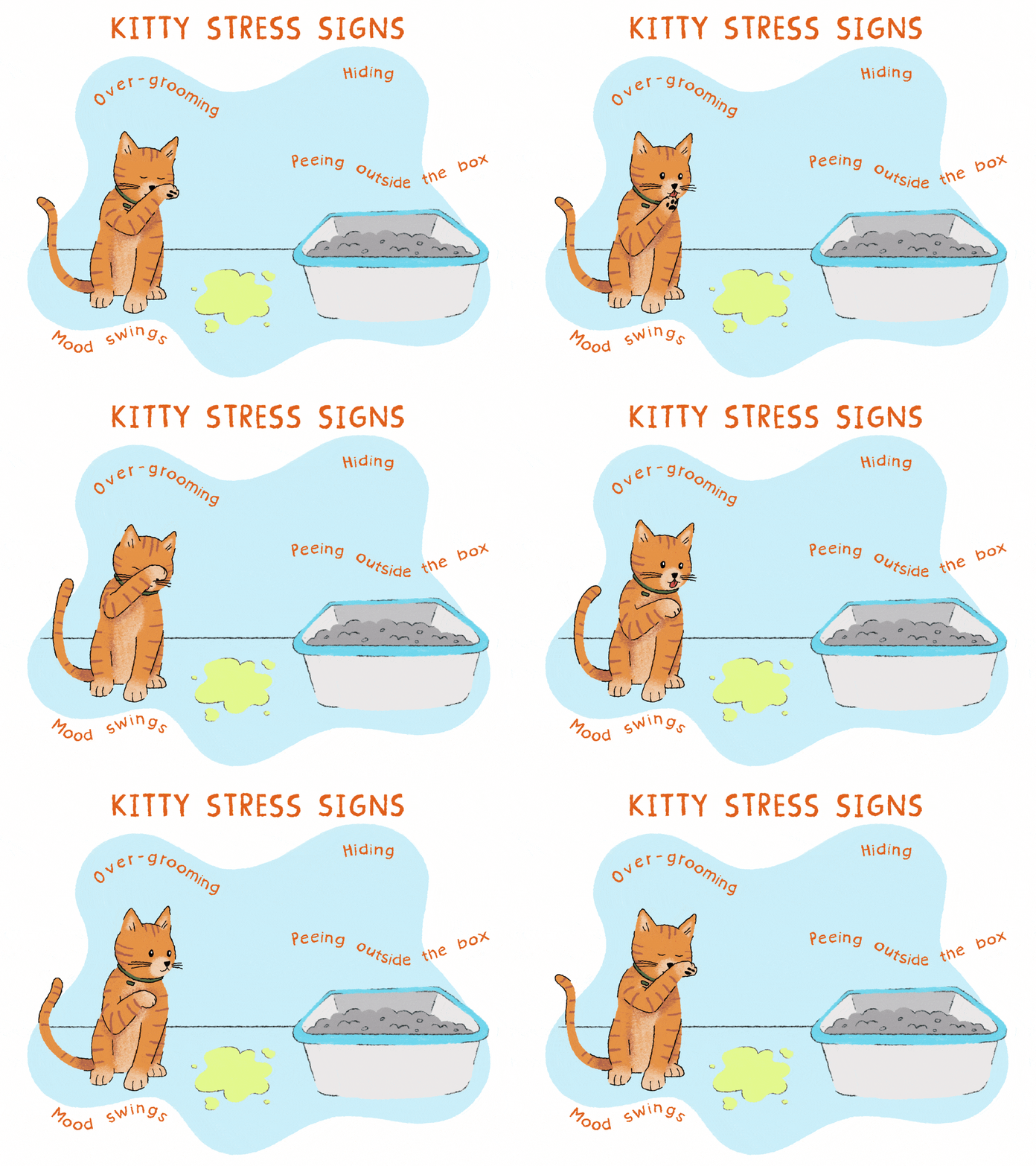
Anxiety in cats often manifests through physical symptoms. You might notice your cat grooming excessively, leading to bald patches. Watch for changes in appetite, as some anxious cats may eat less, while others might overeat. Frequent urination outside the litter box is another red flag. Your cat might also vocalize more than usual, meowing or yowling excessively. These symptoms can be distressing for both you and your pet.Behavioral Changes
Behavioral changes are a significant indicator of anxiety in your cat. An anxious cat might hide more often, preferring secluded spots over social interaction. They could also become aggressive or overly clingy, seeking constant reassurance from you. I once had a cat that started scratching the furniture excessively when anxious. It turned out that a new pet in the neighborhood was triggering her stress. This example shows how changes in their environment can impact your cat’s behavior. Have you noticed your cat pacing or being restless? These signs can indicate that your cat is struggling with anxiety. Being attentive to these behavioral shifts is crucial in providing the necessary support to your feline friend. Is your cat suddenly avoiding their favorite napping spots? Such changes in routine can be subtle cues that something is amiss. Recognizing these signs early can make a significant difference in managing your cat’s anxiety.Causes Of Cat Anxiety
Changes in environment or routine often cause cat anxiety. Loud noises, unfamiliar people, or lack of social interaction can also trigger stress in cats. Understanding these causes helps in providing comfort to anxious cats.
Understanding the causes of cat anxiety is crucial for providing effective support to your furry friend. Cats, like humans, can experience anxiety due to various triggers. Identifying these can help you create a comforting environment for your pet. Below, we explore some common causes of anxiety in cats.Environmental Factors
A cat’s environment plays a significant role in its emotional well-being. Changes such as moving to a new home or introducing a new pet can be overwhelming. Even subtle shifts, like rearranging furniture, can unsettle your cat. I once noticed my cat, Whiskers, hiding under the bed for days after we replaced our living room carpet. It was a clear sign that environmental changes, even small ones, can greatly affect a cat’s sense of security. Have you recently changed something in your home? Consider how your cat might perceive these changes. Creating a safe, quiet space can help your cat adjust more comfortably.Medical Conditions
Anxiety in cats can sometimes be linked to underlying medical issues. Pain or discomfort from conditions like arthritis or dental problems can increase stress. If your cat is displaying unusual behavior, a vet check-up is essential to rule out health concerns. I remember a time when my usually playful kitty turned lethargic and anxious. A visit to the vet revealed she had an untreated ear infection. Once treated, her anxiety decreased significantly. This serves as a reminder that addressing potential medical issues can ease your cat’s anxiety. Have you noticed any changes in your cat’s behavior or health? It might be time to consult your veterinarian to ensure your cat is healthy and comfortable. Understanding these causes can empower you to create a more peaceful and secure environment for your cat. What steps can you take today to help your cat feel more at ease?Creating A Safe Space
Helping a cat with anxiety involves creating a peaceful environment. Provide cozy hiding spots and gentle playtime. Consistent routines and calming pheromones can also support your feline friend.
Creating a safe space for your cat can significantly ease their anxiety. Just like humans, cats need a haven where they feel secure and comfortable. When your feline friend is overwhelmed, having a dedicated area to retreat can make all the difference. This section explores how you can create a sanctuary for your anxious cat, focusing on comfortable environments and designated safe zones.Comfortable Environment
Start by ensuring your cat’s environment is cozy and inviting. Soft bedding is a must. Imagine coming home after a long day and sinking into a plush couch. Your cat deserves that same comfort. Choose a bed with soft fabrics or blankets that your cat loves to knead. Consider the lighting in the room. Dim lights can calm your cat, while bright lights might stress them out. Adjust the ambiance to create a soothing atmosphere. Introduce calming sounds or gentle music. You’d be surprised how a little background noise can distract from anxious thoughts. It’s like a comforting hum that reassures your cat that everything is okay.Safe Zones And Hiding Spots
Cats naturally seek out small spaces to hide when they feel threatened. Designate a few areas in your home as safe zones. You could use cardboard boxes, tents, or even cozy corners with soft cushions. Observe where your cat tends to hide when anxious and enhance those spots. Add blankets or toys to make these areas even more inviting. Think about vertical spaces as well. Cats love climbing, and high perches can offer them a sense of security. Install shelves or cat trees where they can escape and watch the world below. Have you ever noticed how your cat seems to disappear during thunderstorms or when guests arrive? Providing these safe zones allows them to feel in control and secure. Creating a safe space is more than setting up physical areas; it’s about understanding your cat’s needs and preferences. What changes will you make to your home to help your cat feel less anxious?
Credit: www.zoetispetcare.com
Using Calming Techniques
Helping your cat overcome anxiety is crucial for their well-being. Using calming techniques can make a difference in their emotional health. These techniques can be simple to implement and can have a profound effect on your feline friend. Let’s explore some ways you can help your cat feel more relaxed at home.
Interactive Play
Interactive play is a powerful way to ease your cat’s anxiety. It engages their mind and body, helping them burn off nervous energy. Try using a feather wand or laser pointer to get them moving. These toys mimic prey and can stimulate their natural hunting instincts.
Think of playtime as a chance to bond with your cat. Spend a few minutes each day playing with them and watch their stress melt away. Do you notice how their eyes light up when they catch the toy? That moment of joy is priceless.
Soothing Sounds And Aromas
Did you know that certain sounds and aromas can calm your anxious cat? Soft music or nature sounds can create a serene environment. Consider playing classical music or gentle rain sounds to soothe your pet.
Aromatherapy isn’t just for humans. Certain scents like lavender or chamomile can calm your cat’s nerves. Use pet-safe diffusers to spread these aromas in your home. Have you tried a calming collar infused with these scents?
As you apply these techniques, observe your cat’s reactions. Are they more relaxed, or do they seem indifferent? Every cat is unique, and what works for one may not work for another. Keep experimenting and be patient. Your dedication can lead to a happier, healthier cat.
Diet And Supplements
Helping a cat with anxiety requires a holistic approach. Diet and supplements play a crucial role in managing stress. Proper nutrition can significantly impact a cat’s emotional well-being. Introducing specific dietary changes might help reduce anxiety symptoms.
Nutritional Adjustments
Protein-rich foods can support a cat’s mental health. Turkey and chicken are excellent sources. These proteins contain amino acids that boost serotonin levels. Omega-3 fatty acids are also beneficial. They can improve mood and reduce stress. Consider adding fish oil to your cat’s diet.
Complex carbohydrates can stabilize blood sugar levels. This may lead to improved mood. Whole grains and sweet potatoes are great options. Ensure your cat’s diet is balanced. A healthy diet can lead to a calmer demeanor.
Natural Remedies
Some supplements might help ease anxiety. Valerian root is known for its calming effects. Cats may benefit from valerian treats. Chamomile can also reduce stress. It has soothing properties that may help your cat relax.
L-theanine is an amino acid found in green tea. It can promote relaxation without causing drowsiness. Consider using products that contain L-theanine. Bach flower remedies might also be effective. They are natural and safe for pets.

Credit: www.banfield.com
Professional Help
Sometimes, helping a cat with anxiety needs expert support. Professional help offers the guidance and expertise necessary to address more severe cases. It ensures your feline friend receives proper care and attention. This section explores how consulting a veterinarian and behavioral therapy can assist.
Consulting A Veterinarian
A veterinarian can identify health issues causing anxiety. They conduct thorough examinations to rule out medical conditions. This step is crucial for an accurate diagnosis. Vets may recommend treatments or prescribe medications. These aim to ease your cat’s anxiety symptoms effectively.
They also provide advice on lifestyle changes to support your cat. Regular check-ups ensure your pet’s well-being and monitor progress. Communication with your vet ensures you stay informed about your cat’s needs.
Behavioral Therapy
Behavioral therapy focuses on changing your cat’s response to stress. It involves understanding the root cause of anxiety. Professional therapists develop tailored strategies for your cat. Techniques may include desensitization and positive reinforcement.
These methods help your cat cope with triggers. Patience and consistency are key. Progress may take time, but the results can be rewarding. A behavioral therapist guides you through the process. They offer support and adjust techniques as needed.
Behavioral therapy empowers your cat with coping skills. It can improve their quality of life significantly. Engaging with a professional provides the best outcomes. Your cat deserves a calm and happy life.
Long-term Strategies
Create a calm environment for your anxious cat. Offer cozy hiding spots and maintain a consistent routine. Use gentle reassurance and patience to help them feel secure.
Helping your cat manage anxiety is not just about quick fixes. Long-term strategies are essential for creating a peaceful environment where your feline friend can thrive. These strategies focus on building habits that provide comfort and security over time. Let’s dive into some effective long-term strategies to help your cat feel more at ease.Routine And Stability
Cats thrive on routine. Establishing a consistent daily schedule can significantly reduce anxiety. Feed your cat at the same times each day. Set aside specific play and rest times. This predictability helps your cat understand what to expect, reducing stress. Personal experience taught me the value of routine. When I adopted my anxious cat, Bella, I noticed her behavior improved dramatically once we established a daily routine. She became more relaxed and affectionate. Have you considered how a regular schedule might benefit your cat? Small changes, like sticking to the same feeding time, can make a big difference.Monitoring Progress
Keeping track of your cat’s behavior over time is crucial. Create a simple log to note any changes in mood or behavior. This can help you identify patterns or triggers that might be affecting your cat’s anxiety. Regularly assess your cat’s progress. Are there specific situations that still cause distress? Understanding these patterns can guide you in adjusting your strategies. Engage with your vet if you’re unsure about any changes. They can provide insights and suggest adjustments to your approach. Developing these long-term strategies requires commitment and patience. But the reward of seeing your cat flourish is worth every effort. How will you start implementing these strategies today to help your cat feel more secure?
Credit: restorapet.com
Frequently Asked Questions
How Do I Calm My Cat’s Anxiety?
Provide a quiet, safe space for your cat. Use calming pheromone diffusers or sprays. Engage in gentle play and routine. Offer interactive toys and scratching posts. Consult a vet for persistent anxiety issues.
What Are Signs Of Cat Anxiety?
Signs of cat anxiety include excessive grooming, hiding, aggression, and changes in eating or litter habits. Cats may become more vocal, clingy, or display destructive behavior. Sudden changes in routine or environment can also trigger anxiety in cats. Consult a veterinarian for proper diagnosis and treatment.
Can I Give My Cat Anything For Anxiety?
You can give your cat natural supplements for anxiety, like L-theanine or chamomile. Consult your vet first. Prescription medications might be necessary for severe cases. Ensure your cat has a calm environment and plenty of playtime. Consider pheromone diffusers or sprays for additional support.
What Are Signs Of Anxiety In Cats?
Signs of anxiety in cats include excessive grooming, hiding, and aggression. Changes in appetite and litter box habits may occur. Watch for increased vocalization or destructive behavior as well. Understanding these signs helps in addressing your cat’s anxiety effectively.
Conclusion
Helping your cat with anxiety is a loving task. Provide a safe space. Offer gentle comfort. Be patient. Cats sense your mood. Calm vibes help them relax. Try toys and calming treats. Consult a vet for advice. Each cat is unique.
Find what works best. Small steps lead to big changes. Your efforts make a difference. Happy, relaxed cats create a joyful home. Embrace the journey. Your furry friend deserves it. Keep learning and adjusting. Building trust takes time. Celebrate their progress.
They will thank you in purrs. Your bond grows stronger every day.

Similar Posts