
Have you ever wondered just how resilient your feline friend truly is? Cats are known for their agility and mysterious ability to land on their feet.
But have you ever asked yourself, “How many stories can a cat fall and still walk away unscathed? ” The answer might surprise you and challenge everything you thought you knew about your pet’s nine lives. We will unravel the science and myths behind a cat’s remarkable survival skills.
By the end, you’ll not only gain a deeper appreciation for your cat’s acrobatics but also learn how to keep them safer. Curious? Let’s dive into the fascinating world of feline physics and explore just how far your cat’s luck can stretch.
Feline Physics
Cats are known for their agility and grace. They often survive falls that would harm other animals. This ability isn’t magic; it’s science. Feline physics explains why cats can survive high falls.
Anatomy Of A Cat’s Body
A cat’s body is perfectly built for balance. Their flexible spine helps in bending during falls. Cats have powerful muscles that absorb impact. Their light weight reduces the force of landing. It’s like nature designed them to be acrobats.
Mechanics Of A Cat’s Fall
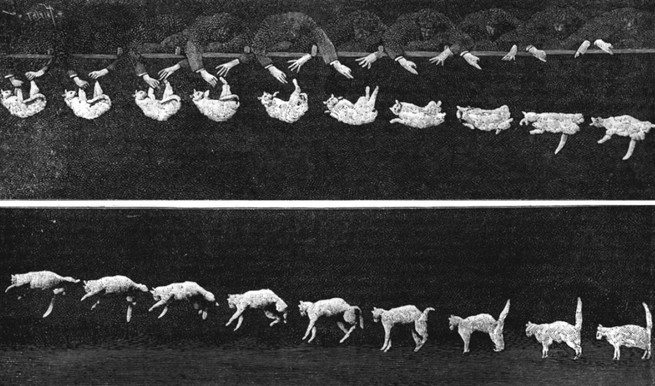
Cats instinctively adjust during a fall. They spread their legs wide, increasing air resistance. This slows their descent, like a parachute. Cats twist mid-air to land on their feet. It’s called the “righting reflex.”
The spread legs also help in distributing impact. This reduces injury on landing. Their feet act like shock absorbers. Cats have an amazing survival mechanism.
High-rise Syndrome
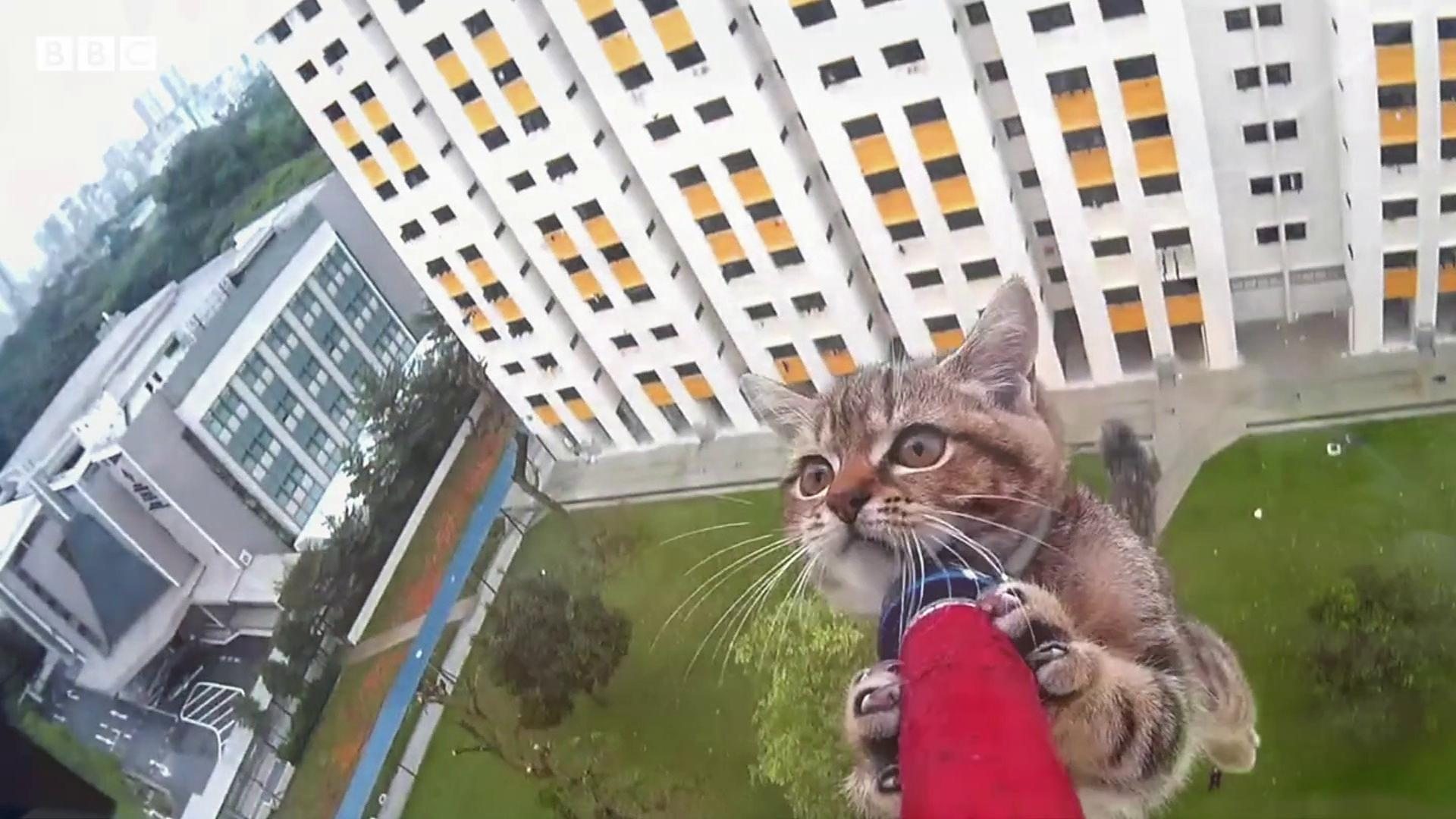
Cats often survive falls from tall buildings due to their unique body structure. They can usually survive falls from as high as 5 to 9 stories. However, injuries still occur, and careful observation is essential after a fall.
Cats are curious creatures often drawn to heights. This fascination leads to a phenomenon known as “High-Rise Syndrome.” This occurs when cats fall from significant heights, typically from buildings. Surprisingly, cats can sometimes survive these falls. Their flexible bodies and unique anatomy aid them.What Is High-rise Syndrome?
High-Rise Syndrome refers to injuries from falls of two or more stories. Cats often survive due to their righting reflex. This reflex allows them to twist their bodies mid-air. It helps them land on their feet. Additionally, cats spread their bodies to slow their fall. This technique is similar to a parachute’s function.Common Scenarios
Many scenarios lead to High-Rise Syndrome. Open windows without screens are common culprits. Cats may chase birds or insects and lose balance. Balcony railings pose another risk. Cats might jump or fall while exploring. Unsecured ledges and rooftops are hazardous too. Owners need to be vigilant. Safety measures can prevent these accidents.The Science Behind Cat Survival
Cats are remarkable creatures, known for their agility and ability to survive falls from seemingly impossible heights. But what is it that gives them this incredible resilience? The science behind cat survival is a fascinating blend of physics and biology. It explains why cats can often walk away unscathed from falls that would severely injure other animals.
Terminal Velocity And Cats
When a cat falls, it reaches a speed known as terminal velocity. This is the point where the force of gravity is balanced by the air resistance. For a human, terminal velocity can be deadly, but for a cat, it’s much slower due to their smaller mass and larger surface area.
The cat’s ability to spread its body during a fall reduces its speed significantly. Picture yourself holding a sheet of paper and letting it go; it flutters gently down instead of plummeting. Cats have mastered this art of controlled descent.
Role Of Reflexes And Flexibility
Cats possess an extraordinary righting reflex. This is an innate ability that allows them to twist their bodies mid-air to land on their feet. Have you ever seen a cat fall from a table and land gracefully? This is their reflex in action, an evolutionary marvel.
Flexibility is another key factor. A cat’s spine is incredibly supple, allowing it to contort and adjust its posture quickly. This flexibility not only aids in righting but also in absorbing the shock upon landing. It’s like having a built-in shock absorber!
Think about the times you might have seen a cat jump from high places with ease. Their bodies are designed to withstand impacts that would be harmful to less flexible creatures. This makes them survival experts in their own right.
Now, consider this: What if humans could adapt such survival traits? Would it change how we perceive risk and safety?
Credit: www.theatlantic.com
Case Studies And Statistics
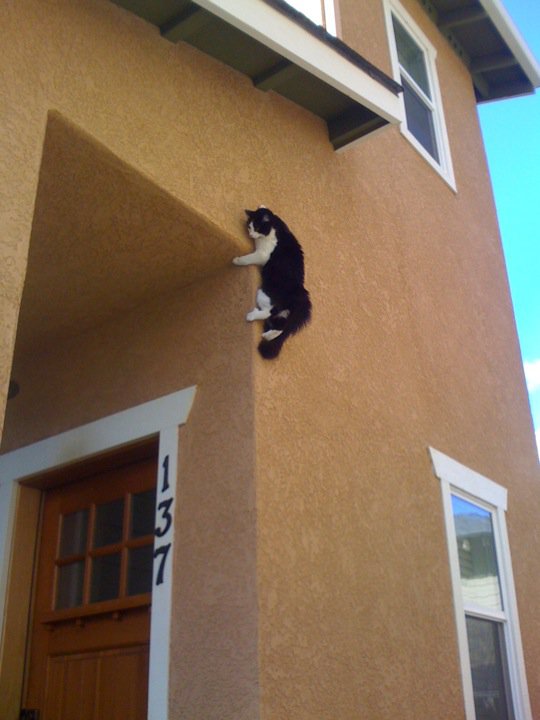
Curiosity often leads cats to precarious situations, especially when climbing. This behavior sometimes results in accidental falls from great heights. Understanding how cats survive these falls is fascinating. Case studies and statistics offer insights into this phenomenon.
Documented Falls
Researchers have documented many cat falls from heights. These cases often involve multi-story buildings. In one study, cats fell from an average height of 5.5 stories. Surprisingly, many cats survived these high falls. Observers noted the cats’ ability to land on their feet. This reflex is known as the “righting reflex.”
The Journal of the American Veterinary Medical Association published a report. It analyzed 132 cats that fell from buildings. These falls ranged from two to 32 stories. Data showed that cats often suffer fewer injuries from higher falls. This phenomenon is called “high-rise syndrome.”
Survival Rates
Survival rates in these studies are impressive. Cats have a unique skeletal structure that helps during falls. Their flexible bodies absorb impact. Statistics show a 90% survival rate for falls from six stories or less. Cats falling from higher often survive with fewer injuries. The righting reflex plays a significant role in their survival.
Veterinary records highlight cats’ resilience. Cats adjust their bodies during falls to minimize injuries. This ability is crucial for survival in high-rise environments. The survival rates are remarkably high. This adaptation showcases the evolutionary success of cats.
Veterinary Insights
Cats have an uncanny ability to survive falls from great heights. This phenomenon, known as “high-rise syndrome,” fascinates veterinarians. Understanding why cats can endure such falls involves exploring their unique physiology. It also highlights the crucial role of veterinary care in treating injured cats.
Veterinary insights into cats’ falls reveal vital information. Experts examine the medical consequences and treatment options.
Medical Consequences Of Falls
Falls can cause severe injuries in cats. Fractures, internal bleeding, and head trauma are common. Respiratory issues can arise due to lung damage. Some injuries may not be visible immediately. Cats might hide symptoms due to their instinct to appear strong.
Veterinarians perform thorough examinations to identify injuries. X-rays and blood tests help diagnose hidden issues. Quick diagnosis and treatment are crucial for recovery.
Treatment And Recovery
Veterinary treatment begins with stabilizing the cat. Pain relief and surgery may be necessary. Cats might need casts or splints for broken bones. Healing can take weeks or months. Regular check-ups ensure recovery is on track.
Veterinarians also advise on home care post-treatment. Keeping the cat calm and restricting movement aids healing. Proper nutrition and hydration support the recovery process.
Credit: www.bbc.com
Preventive Measures
Cats are curious creatures. They love exploring their surroundings. But, high places can be dangerous for them. It is important to take preventive measures. This ensures their safety at home.
Let’s explore how to keep your feline friend safe. Simple adjustments can make a big difference. Ensuring safety prevents accidents from high falls.
Securing Windows And Balconies
Open windows can be risky. Cats often jump without thinking. Secure your windows with screens. This prevents accidental falls. You can also install window guards. They are effective and affordable.
Balconies are attractive to cats. The view can be tempting. Install netting or enclosures. It keeps your cat safe while enjoying the view. Always check for gaps. Cats can squeeze through small spaces.
Indoor Safety Tips
Keep furniture away from windows. Cats use furniture to reach high places. This reduces the chance of a fall. Provide safe climbing alternatives. Cat trees or shelves work well.
Ensure your home is clutter-free. Remove obstacles from their paths. This helps prevent accidents. Use non-slip mats. They provide extra grip on floors.
Offer plenty of playtime. A happy cat is less likely to seek risky adventures. Engage them with toys and activities. It keeps them entertained and safe indoors.
Credit: www.todayifoundout.com
Frequently Asked Questions
What Happens If A Cat Falls In 3 Stories?
A cat falling from three stories might survive due to its flexible body structure. They often land on their feet, minimizing injury. However, the risk of serious injury or fatality remains. Consulting a veterinarian is crucial if a cat falls from such a height.
Always ensure safety measures to prevent falls.
How Many Stories Can A Cat Fall And Be Ok?
Cats can often survive falls from up to 32 stories, thanks to their flexible bodies and reflexes. Their ability to spread their bodies during a fall helps reduce impact. However, survival isn’t guaranteed, and injuries can still occur. Always prioritize safety and prevent falls whenever possible.
Can Cats Survive A 4 Story Fall?
Cats can often survive a 4-story fall due to their flexibility and ability to spread their bodies. They instinctively maneuver in mid-air to land feet-first, often minimizing injury. Despite this, high falls can still cause serious harm, so vet attention is essential if a cat falls from a height.
Can My Cat Survive A 2 Story Fall?
Cats can sometimes survive a two-story fall due to their flexible bodies and righting reflex. Survival depends on landing surface, health, and age. Always consult a vet after any fall for a proper check-up.
Conclusion
Cats have a unique ability to survive falls from heights. Their flexible bodies and quick reflexes help them land safely. But, falling from too high can still cause injury. It’s essential to keep windows and balconies safe to protect our feline friends.
Understanding a cat’s limits helps ensure their safety. Always watch them closely in tall buildings. Their curiosity sometimes leads them into risky situations. Remember, prevention is better than cure. Keep their environment secure. This ensures they stay happy and healthy.
Cats are amazing, but they need our protection too.