Struggling with the task of cleaning your cat’s litter box? You’re not alone.
It’s a chore that no one looks forward to, yet it’s crucial for both your feline friend’s health and the freshness of your home. Imagine walking into your house and being greeted by a clean, odor-free environment. Sounds inviting, right?
With the right approach, you can achieve this effortlessly. In this guide, you’ll discover simple, effective steps to clean your cat’s litter box, making it a less daunting task and keeping your home smell-free. Let’s dive in and transform this chore into a quick and easy routine. Trust us, both you and your cat will appreciate the results!
Choosing The Right Litter Box
Selecting the right litter box simplifies cleaning. Scoop daily to keep odors away. Wash with mild soap weekly for freshness.
Choosing the right litter box is essential for keeping your cat happy. A well-suited litter box can make cleaning easier and your home fresher. It’s about finding a box that meets your cat’s needs and your lifestyle. Let’s explore the different types and what to consider for size and design.Types Of Litter Boxes
There are several types of litter boxes available. Open boxes are the most basic and easy to clean. They allow for excellent air circulation, which helps control odors. Covered boxes provide privacy and contain messes better. They might trap odors, though. Self-cleaning boxes offer convenience, reducing your cleaning tasks. These are pricier but save time. Disposable boxes are handy for travel or temporary use. Choose what suits your routine and your cat’s habits.Size And Design Considerations
Size matters when choosing a litter box. Your cat should fit comfortably inside. A box that’s too small can lead to accidents outside the box. Consider your cat’s weight and age. Larger cats need bigger boxes. Kittens might struggle with high sides. Design impacts usability. High sides reduce litter scatter. Low-entry boxes help older cats or those with mobility issues. Ensure the box fits well in your chosen spot at home. Proper placement aids regular use and keeps your space tidy.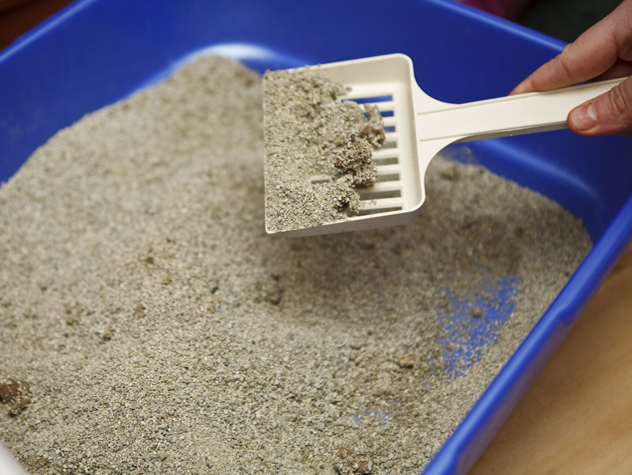
Credit: www.petfinder.com
Gathering Cleaning Supplies
Cleaning your cat’s litter box is essential for a hygienic home. Proper supplies make the task easier and more effective. This guide will help you gather all necessary cleaning items. Let’s explore what you need to clean the litter box efficiently.
Essential Tools
A good quality litter scoop is a must-have. It helps in removing clumps quickly. Choose a scoop with a sturdy handle for ease of use. Disposable gloves protect your hands from germs. They also keep unpleasant odors at bay. A dedicated trash bin or bag is useful for disposing waste. It keeps the area around the litter box clean. Keep some paper towels handy. They help in wiping any spills or messes.
Eco-friendly Options
Consider using biodegradable litter bags. They are better for the environment. Reusable gloves are a sustainable choice. They reduce waste and are easy to clean. Vinegar is an excellent natural cleaner. It disinfects and removes odors effectively. Baking soda is another eco-friendly option. It helps in neutralizing odors inside the litter box.
Daily Maintenance Tips
Keeping your cat’s litter box clean is essential for a happy pet. Daily maintenance keeps odors at bay and ensures your cat stays healthy. Here are some easy tips to maintain the litter box daily, making it a cleaner place for your feline friend.
Scooping Techniques
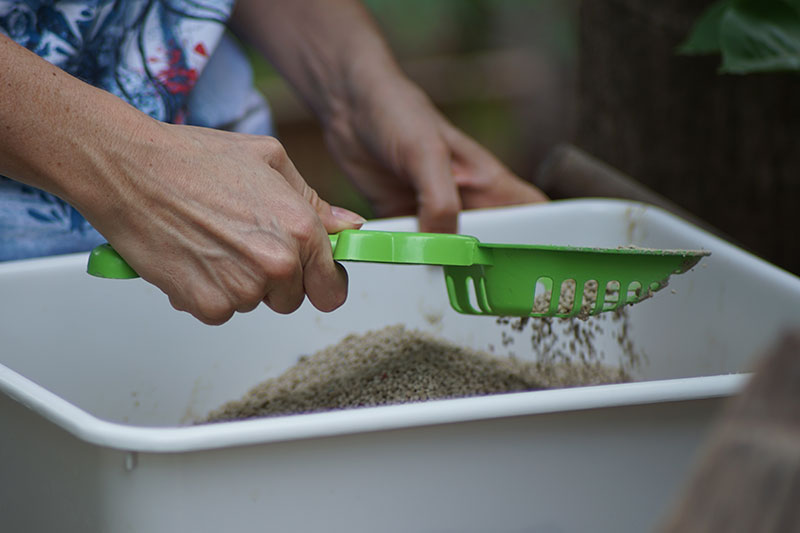
Scooping daily prevents buildup and keeps the box fresh. Use a slotted scoop to sift through the litter. This removes clumps efficiently without wasting clean litter. Scoop all areas of the box, including corners. Doing this daily reduces odor and keeps your cat happy.
Odor Control Methods
Odor control is important for a pleasant home environment. Sprinkle baking soda in the litter box to neutralize smells. Choose a litter with good odor control properties. Make sure the box is in a well-ventilated area. This helps disperse any lingering smells. Regular cleaning and fresh air work together to keep odors away.

Credit: www.amazon.com
Deep Cleaning Routine
Cleaning a cat litter box involves removing waste daily and washing the box weekly. Use mild soap and water for scrubbing. Dry thoroughly before adding fresh litter to maintain hygiene and reduce odors. Regular attention ensures a clean and comfortable space for your pet.
Cleaning your cat’s litter box is a routine task, but every once in a while, it deserves a little more attention. This is where the deep cleaning routine comes into play. Think of it as spring cleaning for your cat’s bathroom. A thorough cleaning not only keeps odors at bay but also ensures the box remains hygienic and pleasant for your feline friend. Imagine coming home to a fresh-smelling house without the lurking scent of cat litter.Frequency Of Deep Cleaning
How often should you deep clean your cat’s litter box? Ideally, every two weeks. But if you have multiple cats or notice persistent odors, consider doing it more frequently. Why not wait for the stench to determine your schedule? Regular deep cleaning prevents the buildup of harmful bacteria and keeps your cat happy.Step-by-step Instructions
Start by emptying the litter box completely. You want a blank slate to work with. Next, wash the box with warm water and mild detergent. Avoid harsh chemicals that might irritate your cat’s paws or leave a lingering smell. Scrub every corner. I once skipped this step, thinking it was clean enough, only to find residue stuck in the corners. Lesson learned! Rinse thoroughly to remove soap residue. This ensures your cat isn’t deterred by any lingering scents. Dry the box completely. You wouldn’t want your cat’s litter to clump prematurely due to moisture. Consider adding a baking soda layer before adding fresh litter. It’s a simple trick that helps with odor control. Reflect on how your cat behaves post-cleaning. Does she seem more comfortable, less fussy? Is there anything in your routine that could be improved? Always be on the lookout for ways to enhance this crucial task. The effort is minimal, but the reward is a cleaner environment for both you and your cat.Choosing The Best Cat Litter
Choosing the best cat litter is essential for keeping your cat healthy. It also ensures a clean and odor-free home environment. With various options available, understanding the differences can guide you to a smart choice.
Clumping Vs Non-clumping
Clumping litter forms solid masses when wet, making it easy to remove waste. This helps in maintaining a cleaner litter box. It also reduces odors, keeping your home fresh. Non-clumping litter absorbs moisture but does not form clumps. You may need to change the litter more often. It might be harder to clean, but some cats prefer its texture.
Dust-free Alternatives
Dust-free litter options are ideal for cats with respiratory issues. They reduce airborne particles, improving air quality. This can also benefit humans with allergies. Some brands offer natural materials, like wood or paper. These are biodegradable and better for the environment. Using dust-free alternatives can lead to a healthier home for everyone.
Addressing Common Issues
Cleaning a cat litter box can sometimes feel like a chore, especially when unexpected issues arise. Addressing common problems can ensure a happier and cleaner environment for both you and your feline friend. Whether it’s your cat avoiding the litter box or the endless battle with litter tracking, understanding these issues can make a world of difference.
Litter Box Avoidance
Ever noticed your cat avoiding the litter box? This can be frustrating and puzzling. Start by checking if the box is clean; cats are fastidious creatures. Ensure the litter is at an appropriate depth, usually around 2-3 inches. Sometimes, a different type of litter might be more appealing to your cat. Remember to place the litter box in a quiet, easily accessible location. If these solutions don’t work, a visit to the vet might be necessary to rule out health issues.
Preventing Tracking
Are you tired of finding litter scattered around your home? Preventing tracking is a common concern. Use litter mats to catch particles that cling to your cat’s paws. Consider switching to a heavier, low-dust litter that tends to stay in the box. Some cat owners find success with top-entry litter boxes, which naturally reduce tracking. Do you have multiple boxes? Ensure each has a mat to maximize cleanliness. Regularly vacuuming the area can also help maintain a tidy space.
Addressing these issues not only enhances your cat’s comfort but also keeps your home cleaner. Have you encountered these litter box challenges? Try these tips and see the difference in your pet’s habits and your home’s cleanliness.
Promoting Hygiene And Health
Keeping a cat litter box clean is essential. It promotes both hygiene and health. A clean litter box prevents the spread of germs. It also ensures your cat stays healthy. Regular cleaning can stop unwanted odors. It also helps in monitoring your cat’s health. A dirty litter box can lead to health issues. Both for you and your cat.
Regular Health Checks
Check the litter box daily. It helps in spotting any changes. Changes in your cat’s waste can signal health issues. Monitor the color and texture. These can reveal much about their health. Regular checks also help in maintaining cleanliness. A clean box means a happy cat.
Signs Of Illness
Be alert to any signs of illness. Blood in urine or stool is a warning sign. Frequent urination may indicate a problem. If your cat avoids the box, it might be unwell. Unusual behavior should not be ignored. Early detection of issues is vital. It ensures your cat stays healthy.
Credit: www.petsbest.com
Frequently Asked Questions
What Is The Best Way To Clean Out A Cat Litter Box?
Scoop waste daily using a slotted scoop. Empty the entire litter weekly into a trash bag. Wash the box with mild soap and water. Dry completely before refilling with fresh litter. Regular cleaning prevents odors and keeps your cat healthy.
How Often Should You Clean A Cat Litter Box?
Clean the cat litter box daily to ensure hygiene and comfort. Scoop waste once a day and change litter weekly. Regular cleaning reduces odors and prevents health issues. Keep your cat happy and healthy with a fresh litter box.
How To Properly Disinfect A Cat Litter Box?
Clean the litter box with hot, soapy water. Scrub thoroughly and rinse well. Use a pet-safe disinfectant to sanitize. Let it dry completely before adding fresh litter. Regular cleaning prevents bacteria buildup and odor. Always wear gloves while cleaning for hygiene and safety.
Is It Okay To Put Baking Soda In Cat Litter?
Yes, you can add baking soda to cat litter. It helps control odor effectively. Use a small amount and mix well to ensure your cat remains comfortable. Always monitor your cat for any signs of irritation or allergies after adding baking soda to the litter.
Conclusion
Keeping your cat’s litter box clean ensures a happy home. Regular cleaning prevents odors and keeps your cat healthy. Scoop daily to remove waste and clumps. Replace litter weekly for freshness. Wash the box monthly with mild soap and water.
This maintains hygiene and prolongs the box’s life. A clean litter box means fewer health issues for your cat. Plus, it keeps your home smelling fresh. Remember, your cat’s comfort is crucial. A tidy space makes them feel safe. Happy cat, happy home.
Follow these steps for a clean, pleasant environment.