How to Know If Your Cat Has Anxiety: Signs & Solutions
Is your cat acting a little off lately? Maybe they’re hiding more often or becoming unusually aggressive.
Just like humans, cats can experience anxiety too. It’s easy to overlook the signs, especially when they manifest in ways that seem like typical feline behavior. But understanding your cat’s mental health is crucial for their well-being—and yours. If you’ve ever wondered if your furry friend might be dealing with anxiety, you’re in the right place.
This article will guide you through the subtle signs of anxiety in cats, why they happen, and most importantly, what you can do about it. By the end, you’ll be equipped with the knowledge to help your cat feel calmer and happier. Ready to become the purr-fect pet parent? Let’s dive in.
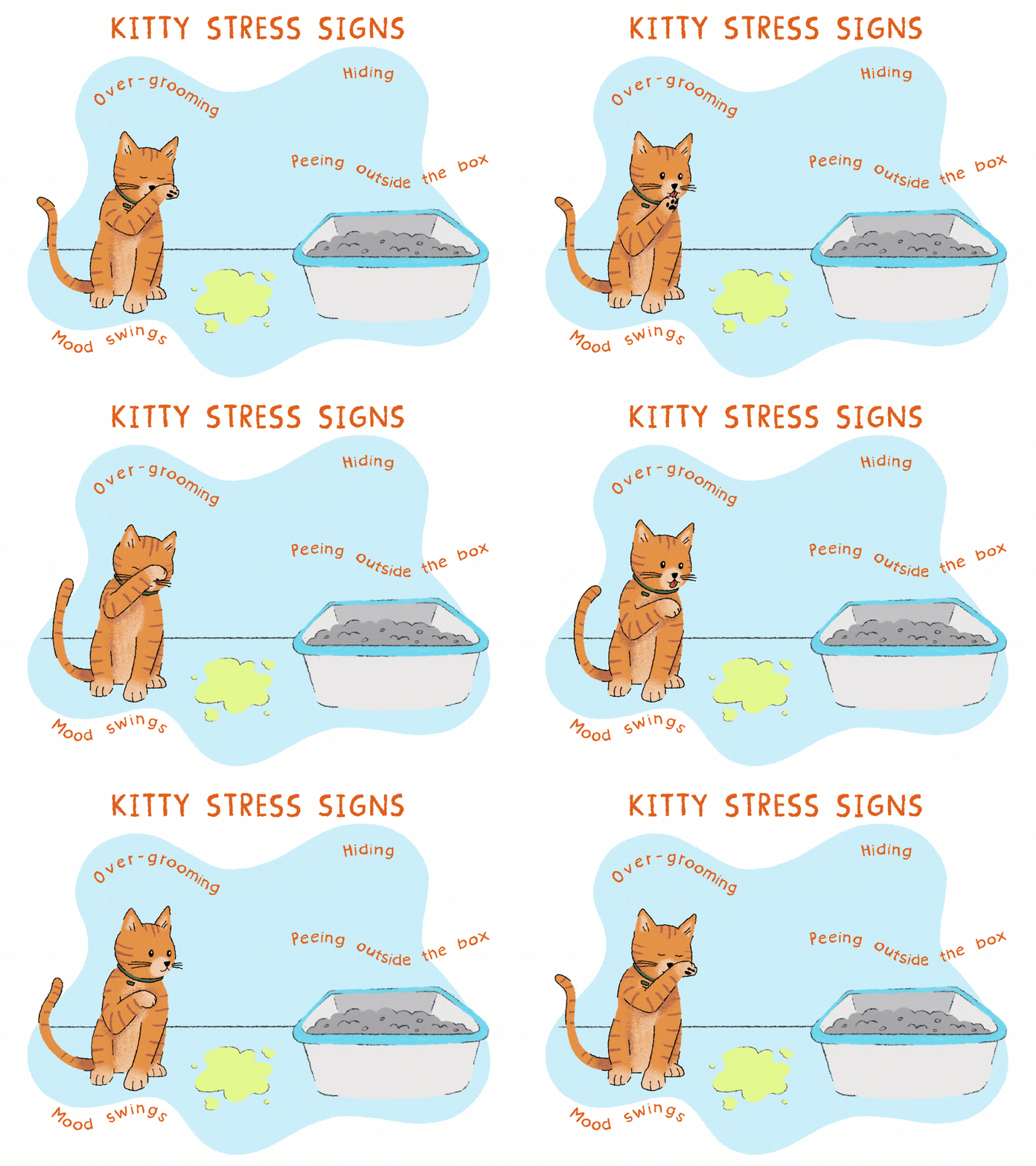
:strip_icc()/reducing-anxiety-in-cats-554064-FINAL-5b9faac146e0fb00507d984e.png)
Credit: www.thesprucepets.com
Recognizing Behavioral Changes
Recognizing behavioral changes in your cat is crucial for detecting anxiety. Cats may not communicate like humans, but their actions speak volumes. Observing shifts in their behavior can offer insights into their emotional state. Spotting signs early helps in addressing their needs effectively.
Increased Aggression
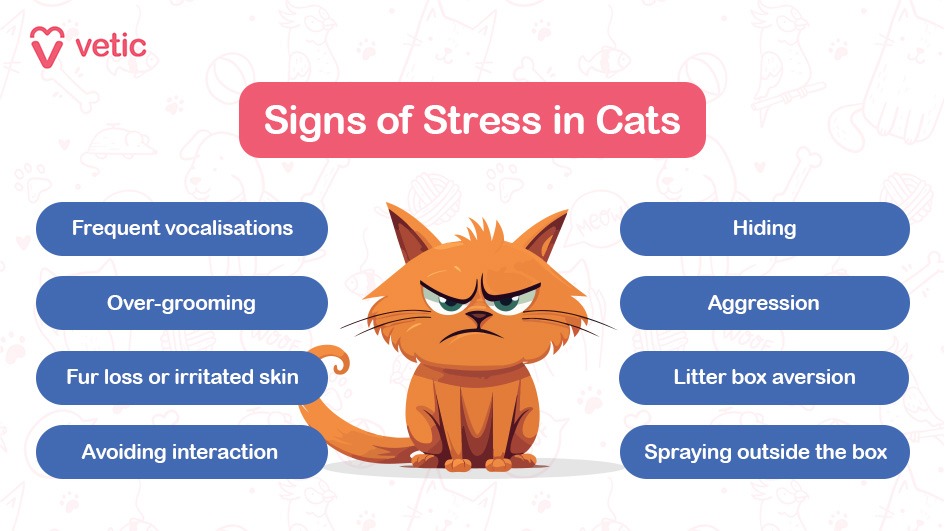
Is your cat more aggressive than usual? This might indicate anxiety. Aggressive behavior includes hissing, biting, or scratching. A calm cat suddenly acting out signals stress. Changes in their environment can trigger this response. Aggression is often a defensive mechanism. Monitor your cat’s interactions closely.
Excessive Meowing
Cats meow for various reasons, but excessive meowing might show anxiety. Listen to the tone and frequency. Anxiety often leads to persistent, loud vocalizations. This can happen if they feel insecure or threatened. Watch for meowing paired with other anxious behaviors. It can be a cry for help.
Avoidance Or Hiding
Does your cat hide more than usual? Avoidance is a common sign of anxiety. They might seek solace under furniture or in dark corners. This behavior suggests they feel overwhelmed. Cats retreat when they sense danger or discomfort. If hiding becomes frequent, it’s time to assess their environment.

Credit: restorapet.com
Physical Symptoms
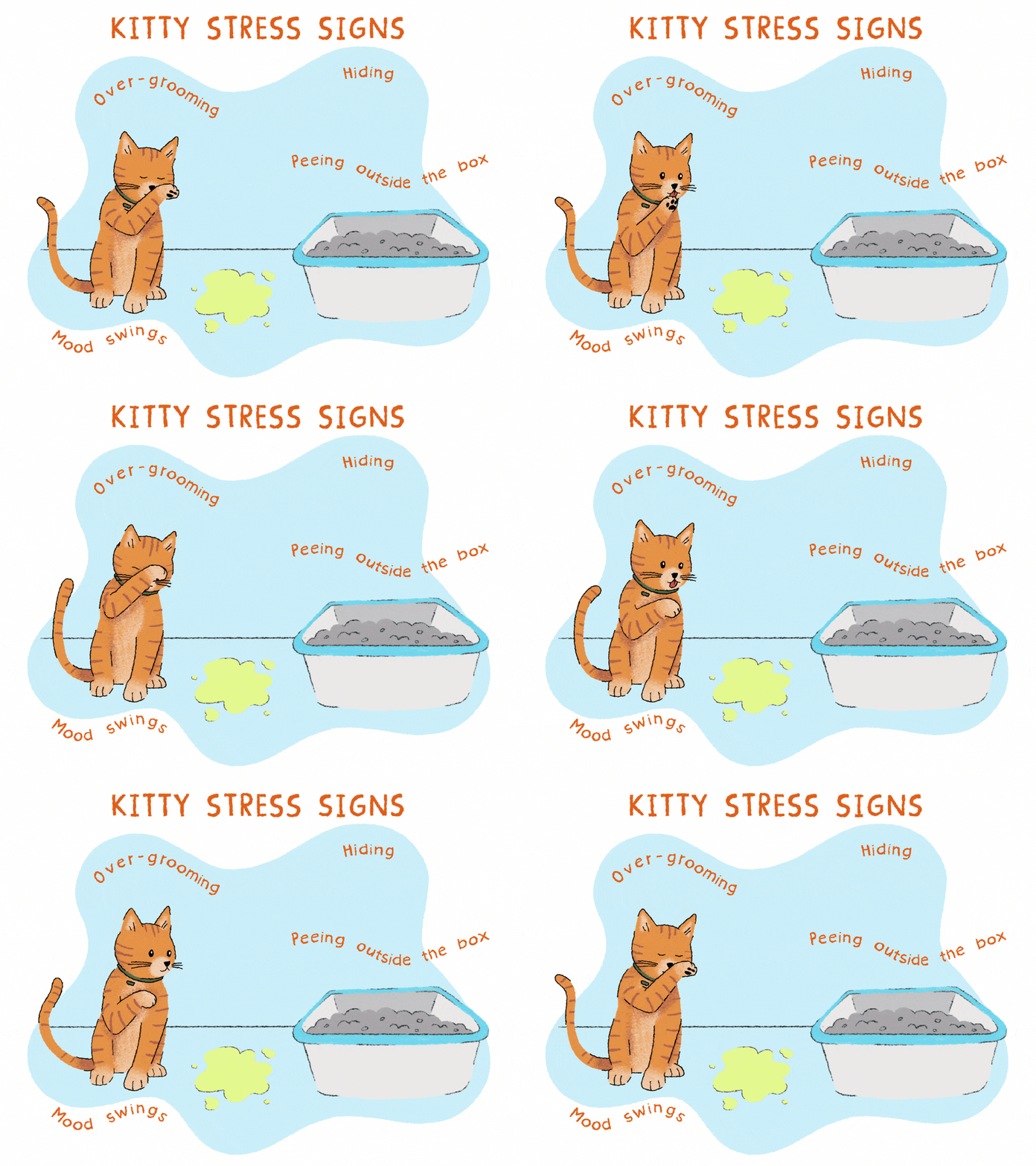
Cats show anxiety through physical symptoms like excessive grooming or loss of appetite. Increased hiding or aggressive behavior may indicate stress. Changes in sleeping patterns can also signal anxiety.
Cats, much like humans, can experience anxiety. Recognizing the physical symptoms is key to ensuring your feline friend receives the care they need. Cats often express anxiety through changes in their usual behaviors. Knowing what to look for can make all the difference.Changes In Appetite
Is your cat leaving food in their bowl or begging for more than usual? A shift in your cat’s eating habits might indicate anxiety. When my cat, Whiskers, suddenly stopped eating his favorite tuna, I knew something was up. This change can be due to stress or discomfort. Pay close attention to what and how much your cat is eating. Sudden weight loss or gain can be a red flag.Altered Sleep Patterns
Have you noticed your cat napping more than usual or, conversely, restless at night? Cats are known for their love of sleep, but anxiety can disrupt this. My experience with my cat, Luna, taught me that a sudden increase in nighttime activity often signaled stress from a new environment. Monitor your cat’s sleeping habits closely. Are they sleeping less or more than their usual 16-hour snooze-fest?Unusual Grooming Habits
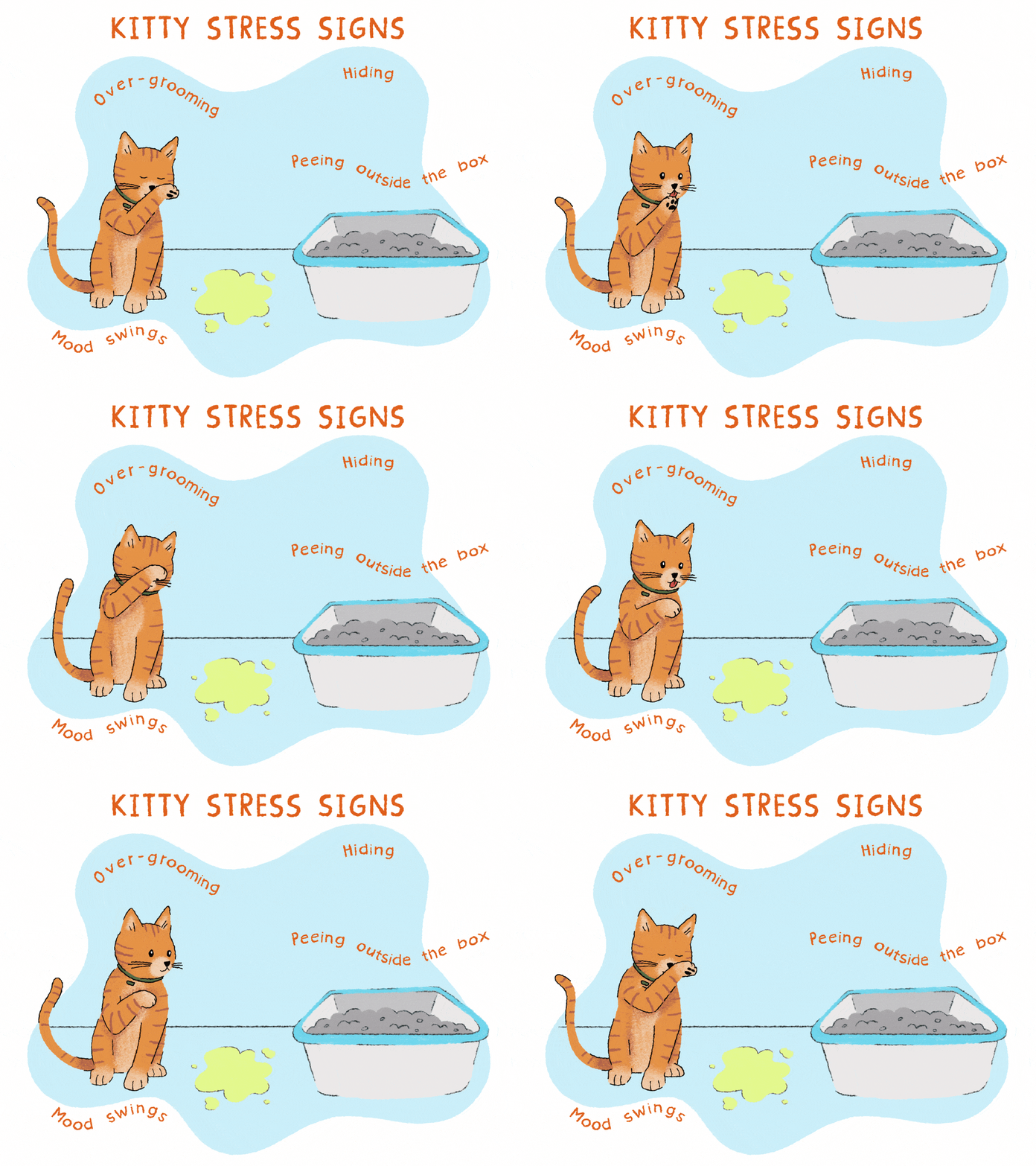
Is your cat grooming excessively or not at all? Grooming is a natural and comforting behavior for cats. When anxiety strikes, they might groom too much, leading to bald patches, or neglect grooming altogether. I remember finding clumps of fur around my home when my cat, Max, was stressed. Check your cat’s coat for changes. Are there signs of over-grooming or neglect? Understanding these physical symptoms can be the first step in addressing your cat’s anxiety. By observing changes in appetite, sleep, and grooming, you can take actionable steps to help your furry friend. Have you noticed any of these signs in your cat? What steps will you take to address their anxiety?Environmental Triggers
Cats, like humans, can experience anxiety due to environmental triggers. Understanding these triggers can help you identify if your furry friend is anxious. Several aspects of a cat’s surroundings may contribute to stress. Let’s explore some common environmental triggers.
Loud Noises
Sudden loud noises can startle your cat. Thunderstorms, fireworks, or construction sounds may cause distress. Observe your cat’s behavior during such events. Signs of anxiety include hiding or pacing.
New Surroundings
Moving to a new home can be challenging for cats. They feel uneasy in unfamiliar environments. Watch for signs like excessive meowing or reluctance to explore. These behaviors suggest your cat may be anxious.
Presence Of Other Animals
The presence of other animals can unsettle your cat. Introducing a new pet might lead to stress. Your cat may exhibit aggression or withdraw from interaction. Such reactions indicate anxiety due to new companions.
Psychological Factors
Understanding your cat’s anxiety can be a bit challenging, especially when psychological factors are at play. Cats, like humans, can experience anxiety due to various mental triggers. You might notice changes in behavior that leave you puzzled. Is your cat reacting to something in its environment, or is there a deeper psychological concern? Let’s explore some common psychological factors that may be contributing to your cat’s anxiety.
Past Trauma
Has your cat ever experienced a traumatic event? Such events can leave lasting impressions on their psyche. Consider if your cat has ever been in a stressful situation, like a previous abusive environment or a frightening encounter. These memories can resurface as anxiety. If your cat shies away from certain noises or settings, it could be a sign of past trauma. It’s vital to provide a safe and comforting space to help them overcome these fears.
Separation Anxiety
Does your cat get anxious when you’re not around? Cats can develop separation anxiety, especially if they are very attached to you. This might be evident if they follow you around or meow excessively when you’re leaving. Cats thrive on routine and familiarity. Try maintaining a consistent schedule and gradually increase the time spent apart to alleviate their anxiety. Using puzzle feeders or interactive toys can keep them engaged and distracted when you’re away.
Fear Of Unknown
Is your cat scared of new environments or people? The fear of the unknown can trigger anxiety in cats. They are creatures of habit, and new experiences can be overwhelming. Notice if your cat hides when guests arrive or new items are introduced into your home. Slowly introduce changes and allow them to explore at their own pace. Providing a safe zone can help them feel secure amidst new experiences. What steps can you take to make your home a haven for your anxious cat?
Addressing psychological factors can significantly improve your cat’s well-being. Observe your cat closely and take steps to reduce anxiety triggers. Your understanding and patience can make all the difference in creating a peaceful environment for your furry friend.
Effective Solutions
Spotting anxiety in cats requires keen observation. Notice changes in eating habits or sleep patterns. Look for excessive grooming or hiding. Recognizing these signs helps address your cat’s anxiety effectively.
If you’re wondering how to help your anxious cat, you’ve come to the right place. Cats, like humans, can experience anxiety, and it’s crucial to find effective ways to alleviate their stress. Understanding and addressing your cat’s anxiety is not just about making them comfortable—it’s about ensuring their happiness and health. Let’s explore some practical solutions to help your feline friend feel more secure and content.Comforting Spaces
Creating a comforting space for your cat can significantly reduce their anxiety. Think about setting up a cozy corner with a soft bed and some of their favorite toys. It’s like giving them their own personal oasis where they can relax and feel safe. When I noticed my cat, Luna, acting jittery, I rearranged her sleeping area to be more secluded, and it made a noticeable difference. Can you imagine how soothing it must be for them to have a dedicated spot where they can escape the chaos?Routine Establishment
Cats thrive on routine. Establishing a consistent daily schedule can help mitigate their anxiety. Regular feeding times, play sessions, and sleep can make your cat feel secure. I found that feeding Luna at the same time every day helped her settle down and become less anxious. What routines can you start incorporating today that might make a difference for your cat?Interactive Play
Engaging your cat in interactive play is another effective way to reduce anxiety. Use toys that stimulate their hunting instincts. It’s not just about keeping them active—it’s about diverting their anxious energy into something positive. When Luna started showing signs of anxiety, I introduced a feather wand toy during playtime. Her focus shifted from stress to excitement. Have you tried interactive play to help your cat channel their energy positively? By offering comforting spaces, establishing routines, and engaging in interactive play, you can create a happier environment for your cat. These solutions are not just about addressing anxiety—they’re about enhancing your cat’s overall well-being.
Credit: us.feliway.com
Professional Interventions
Cats might show anxiety through excessive grooming, hiding, or aggression. Changes in eating or sleeping patterns are also common signs. Observing your cat’s behavior closely can help identify these signs early and seek professional advice.
When your feline friend starts exhibiting signs of anxiety, it may be time to consider professional interventions. While some anxiety symptoms can be managed at home, others might require the expertise of a veterinarian or a behaviorist. Let’s delve into the professional options available to help ease your cat’s anxiety.Veterinary Consultation
Your first step should be scheduling a veterinary consultation. A vet can rule out any underlying health issues that might be causing anxiety-like symptoms. They can provide valuable insights into your cat’s behavior and suggest tailored treatment plans. Consider sharing any specific incidents or changes at home with your vet. Have you recently moved house or welcomed a new pet? These details can guide the vet in diagnosing your cat’s anxiety.Behavioral Therapy
Behavioral therapy can be a game-changer for anxious cats. A certified animal behaviorist can work with you to understand the triggers and patterns of your cat’s anxiety. They can design a behavior modification plan to gradually desensitize your cat to stressors. Imagine your cat is scared of the vacuum cleaner. A behaviorist might suggest starting the vacuum in another room, gradually moving closer over time. This methodical approach can help your cat associate the noise with positive experiences.Medication Options
Sometimes, medication may be necessary to manage your cat’s anxiety effectively. Your vet might prescribe anti-anxiety medications or suggest natural supplements. These can be especially useful if your cat’s anxiety is severe or linked to specific events like thunderstorms or vet visits. It’s important to monitor your cat’s response to medication closely. Are they eating well and behaving normally? Regular check-ins with your vet will ensure the medication is working as intended. Professional interventions can make a significant difference in your cat’s quality of life. Have you considered how these options might fit into your routine? Addressing your cat’s anxiety not only helps them but can also bring peace to your home.Holistic Approaches
Recognizing cat anxiety involves observing changes in behavior. Watch for increased hiding or aggression. A decrease in appetite or over-grooming may also indicate stress. Understanding these signs helps in addressing your cat’s needs and promoting well-being.
Caring for a cat with anxiety can be challenging, but holistic approaches offer gentle and effective solutions that focus on the overall well-being of your feline friend. These methods often emphasize natural and lifestyle-based techniques to help soothe your cat’s nerves. Let’s explore how you can integrate holistic approaches into your cat’s care routine to help alleviate anxiety.Natural Remedies
Natural remedies can be a safe and effective way to calm your anxious cat. Essential oils like lavender and chamomile have calming properties, but ensure they are used in a cat-safe manner, such as diluted sprays or diffusers. Herbal supplements, like valerian root or catnip, can also help reduce stress. Have you tried using a pheromone diffuser? Many cat owners find that these devices, which release calming scents, can create a more relaxed environment. Always consult your vet before trying new remedies to ensure they’re suitable for your cat.Nutritional Support
Diet plays a crucial role in managing anxiety. Omega-3 fatty acids, found in fish oil, can support brain health and reduce stress levels. Look for cat foods fortified with these nutrients or consider supplements. A balanced diet rich in protein can also boost mood and energy levels. Do you notice a change in your cat’s behavior with different foods? Adjusting their diet might make a noticeable difference in their anxiety.Mindfulness Techniques
Mindfulness isn’t just for humans; your cat can benefit too. Spend quiet time with your cat, engaging in activities they enjoy, like gentle petting or play. This can enhance your bond and provide comfort. Creating a peaceful environment is key. Consider setting up a cozy, quiet space with their favorite blanket or bed. Have you ever noticed how your cat reacts to different sounds or lighting? Adjusting these elements can help create a calm atmosphere. Holistic approaches can be a valuable part of your strategy in managing your cat’s anxiety. By focusing on natural remedies, nutritional support, and mindfulness techniques, you can create a nurturing environment that helps your cat feel secure and loved. Remember, patience and observation are your best tools on this journey.Frequently Asked Questions
What Are Signs Of Stress In Cats?
Cats show stress through hiding, excessive grooming, or changes in eating habits. Aggression or increased vocalization are also signs. Watch for litter box avoidance or increased sleep. Identifying these behaviors early helps manage cat stress effectively.
How Do I Know That My Cat Is Anxious?
Signs your cat is anxious include excessive grooming, hiding, loss of appetite, aggression, and frequent meowing. Watch for changes in litter box habits and increased clinginess. A vet can confirm anxiety and suggest treatment options. Address the issue promptly to improve your cat’s well-being.
How Do I Calm My Cat’s Anxiety?
Create a calm environment by reducing loud noises and sudden movements. Use pheromone diffusers or calming sprays. Provide a safe space with familiar toys and bedding. Engage in gentle play and regular routines. Consult a vet for anxiety-specific treatments or advice.
Will A Stressed Cat Not Eat?
Yes, stress can cause a cat to stop eating. Changes in environment, routine, or health issues often trigger stress. It’s essential to identify the cause and consult a vet if your cat refuses food for more than 24 hours.
Conclusion
Recognizing cat anxiety helps in providing better care. Watch for signs like hiding, aggression, or changes in appetite. Consult a vet for expert advice. A comforting environment can ease their stress. Toys and playtime can help too. Consistent routines make them feel secure.
Patience is crucial in understanding their needs. Remember, every cat is unique. What works for one might not work for another. Always prioritize their well-being. Your love and support can make a difference. With time and attention, your cat can feel more at ease.
Happy cats mean a happy home.

Similar Posts