How to Tell If Your Cat is Stressed: Signs & Solutions
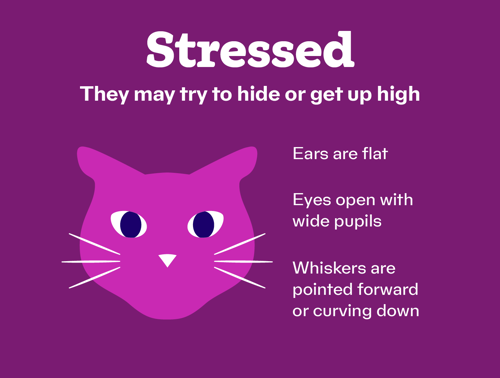
You might think your cat has it all—cozy naps, endless play, and tasty treats. But just like you, cats can experience stress too.
Recognizing when your feline friend is stressed is crucial for their well-being. Have you noticed your cat acting differently lately? Maybe they’re hiding more, or perhaps they’re not as playful as they used to be. These subtle changes can be signs of stress that, if ignored, might affect their health and happiness.
In this guide, we’ll explore the telltale signs of feline stress and how you can help your cat live a more relaxed, content life. Keep reading, because understanding your cat’s stress signals can transform your bond with them and ensure they thrive in their environment.
Recognizing Behavioral Changes
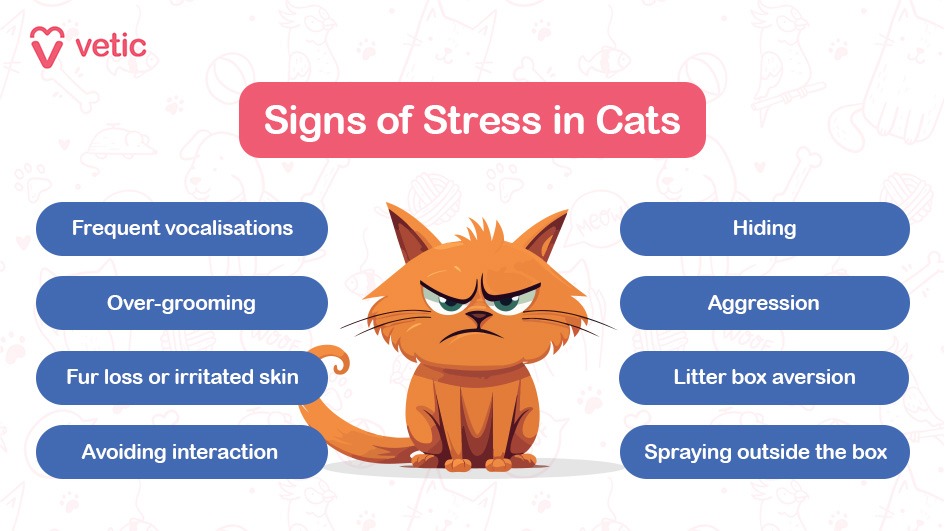
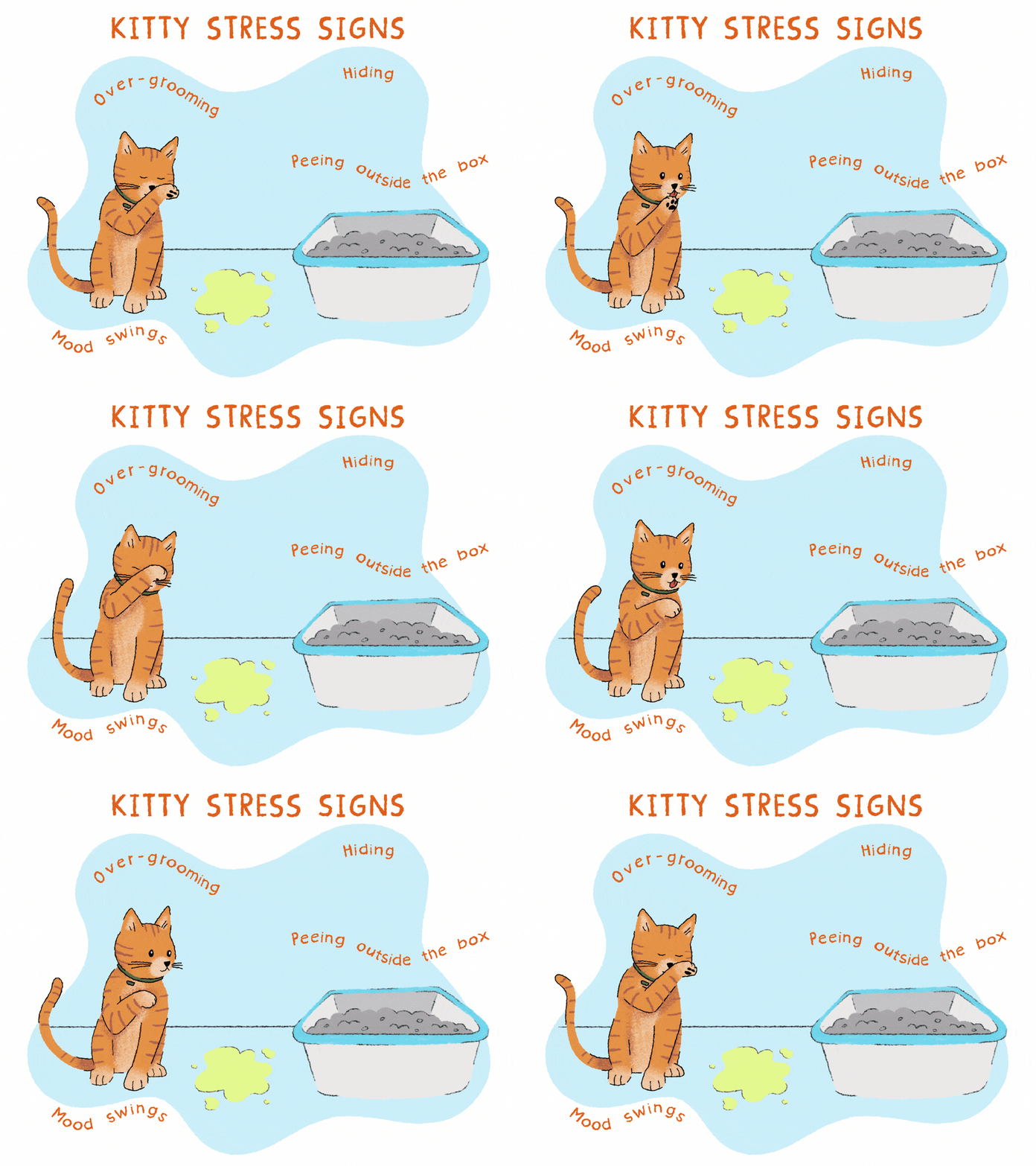
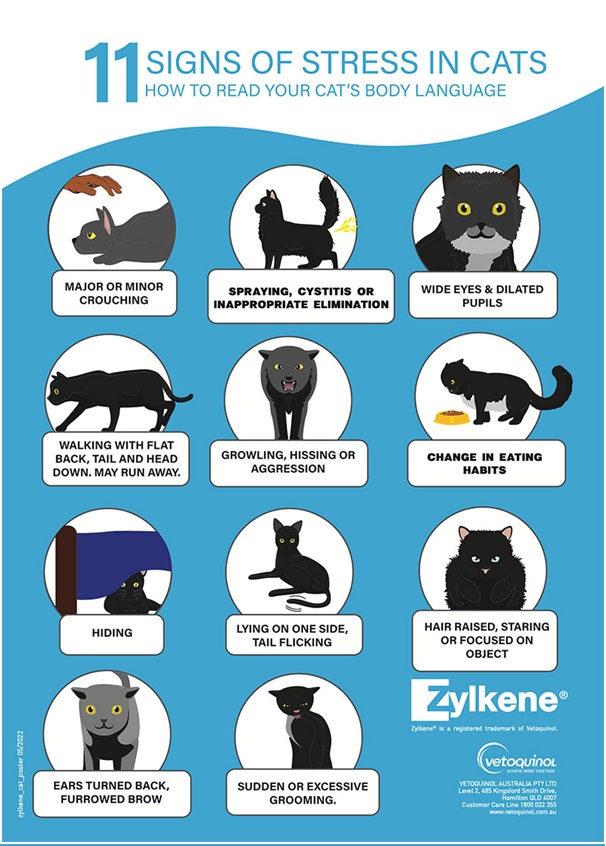
Spotting signs of stress in cats involves noticing changes in behavior. Increased hiding, reduced appetite, or excessive grooming may indicate distress. Pay attention to unusual aggression or withdrawal, as these can be important signals of your cat’s discomfort.
Recognizing behavioral changes in cats can help identify stress. Cats show stress in different ways. Observing these signs early can improve their well-being. Let’s explore some key behaviors.Aggression Or Withdrawal
Cats may become aggressive when stressed. They can hiss, scratch, or bite more often. This aggression is usually a defense mechanism. It occurs when they feel threatened or uncomfortable. On the other hand, some cats may withdraw. They might hide or avoid human interaction. This withdrawal can be sudden or gradual. Watch for these shifts in behavior.Excessive Grooming
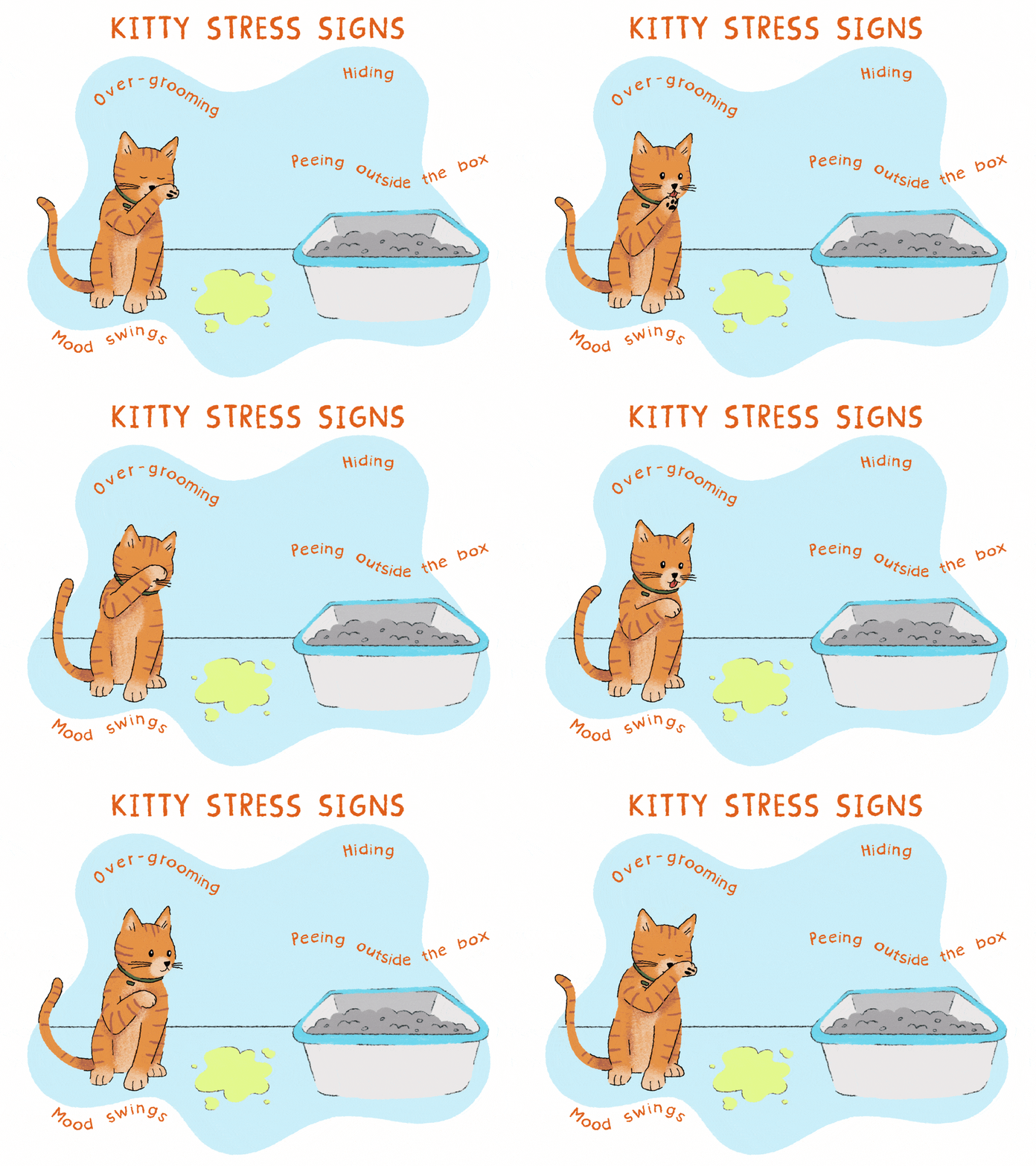
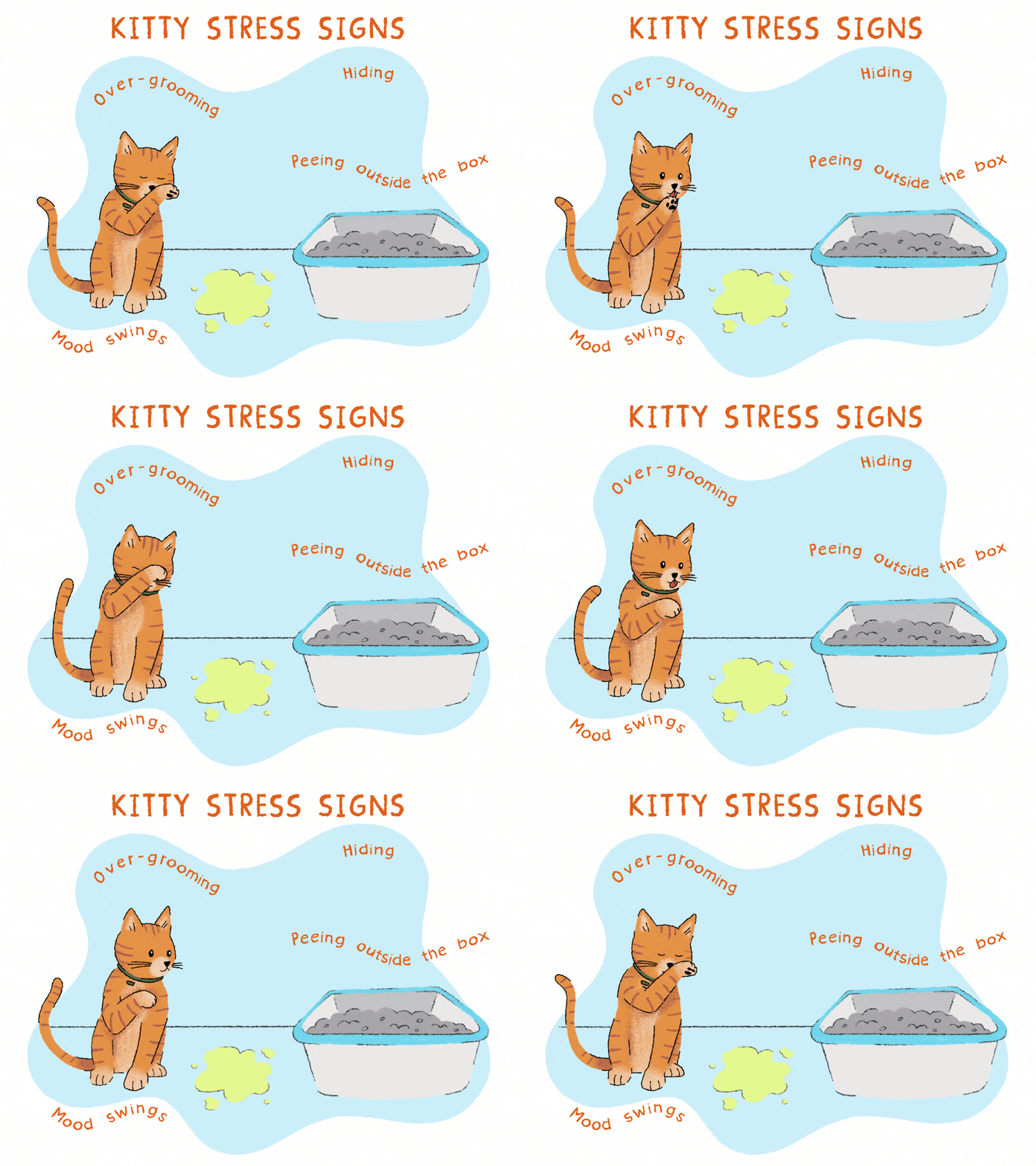
Excessive grooming is another sign of stress. Cats usually groom to clean themselves. But stressed cats may groom too much. They can lick the same spot repeatedly. This can lead to hair loss or skin irritation. Pay attention if grooming seems obsessive. It’s often a response to anxiety or discomfort. Recognizing these patterns can help you address their needs.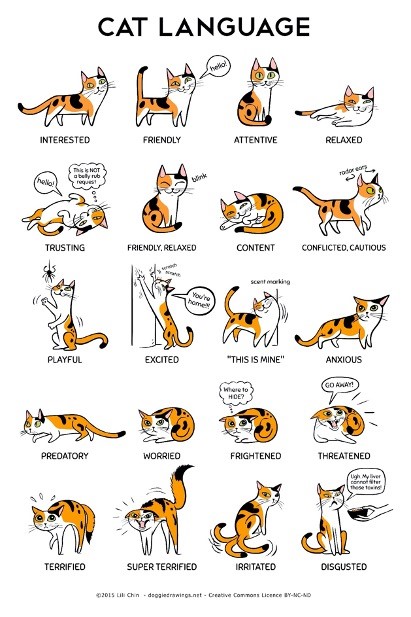
Credit: www.passionatelypets.com
Physical Indicators Of Stress
Cats, like humans, can experience stress. This stress can manifest physically. Recognizing these signs is crucial for your cat’s health. Physical indicators offer the first clues. These changes can affect their appetite, sleep, and overall behavior. Understanding these signs helps in providing better care.
Changes In Appetite
A stressed cat may eat less. They might skip meals entirely. Some cats might eat more than usual. Both changes in eating habits indicate stress. Monitor your cat’s food intake closely. A sudden decrease or increase is a red flag. Consistent eating patterns are essential for health.
Altered Sleep Patterns
Stress can disrupt your cat’s sleep. They might sleep more or less. Increased sleep could mean avoidance. Less sleep might indicate anxiety. Observe their sleep routine carefully. Any sudden changes can signal stress. Routine is key to a cat’s well-being.
Environmental Factors
Cats are creatures of habit. Sudden changes in their surroundings can lead to stress. It’s important to identify these environmental factors. Knowing them can help ease your cat’s discomfort. Let’s explore some common causes of stress in cats.
New Additions To The Home
Bringing home a new pet or family member can unsettle your cat. They may feel threatened by new scents and sounds. Watch for signs like hiding or decreased appetite. Gradual introductions can help your cat adjust more easily.
Noise And Activity Levels
Busy households can overwhelm a cat. Loud noises, like vacuum cleaners, can cause anxiety. Changes in activity levels might disturb their peace. Provide quiet spaces for them to retreat and relax. This can help reduce stress and promote calmness.
Emotional And Psychological Signs
Cats may show stress through hiding, excessive grooming, or sudden aggression. Changes in appetite or sleeping habits can also indicate anxiety. Observing these behaviors helps identify if your feline friend is experiencing discomfort.
Cats, like humans, experience emotional and psychological stress, which can impact their overall well-being. Recognizing these signs early can help you provide the support your cat needs. Emotional distress in cats often manifests through behavioral changes. Understanding these signals is crucial to ensuring your feline friend remains happy and healthy.Frequent Hiding
Does your cat suddenly spend more time under the bed or in the closet? Frequent hiding is a strong indicator of stress. Cats often retreat to secluded places when they feel threatened or anxious. Think about any changes in your household that might be unsettling your cat. New pets, loud noises, or even a change in routine can trigger this behavior. Addressing the source of stress can often coax your cat back out into the open.Increased Vocalization
An uptick in meowing, yowling, or other vocalizations can be a sign of distress. Cats use vocalization to communicate discomfort or demand attention. If your cat is suddenly more vocal, it may be trying to tell you something is wrong. Consider the context and timing of these vocalizations. Are they happening at night or when you’re away? This could indicate separation anxiety or discomfort. Respond by spending more time with your cat or providing comforting toys.Have you ever noticed these signs in your cat? Addressing them promptly can make a big difference in their happiness. Being attuned to these emotional cues not only builds a stronger bond but also ensures your cat feels safe and loved. What steps can you take today to ease your cat’s stress?
Effective Stress Relief Techniques
Cats, like humans, can experience stress. Recognizing signs of stress in cats is crucial for their well-being. Offering effective relief techniques can help your feline friend feel calmer and happier. These methods are simple yet impactful. They provide comfort and security, addressing the root of stress.
Creating A Safe Space
Every cat needs a personal sanctuary. This space should be quiet and comfortable. Use a soft bed or blanket to make it inviting. Place this area away from loud noises and household traffic. Cats feel secure when they have a private retreat. Having their own space reduces anxiety significantly. It allows them to relax and recharge.
Interactive Play
Interactive play is a great stress reliever for cats. Use toys that mimic prey, like feather wands or laser pointers. These toys stimulate their hunting instincts. Play sessions should last about 10-15 minutes. This keeps your cat engaged and mentally stimulated. Regular play helps burn off nervous energy. It also strengthens your bond with your cat, offering emotional comfort.
Dietary And Health Considerations
Cats, much like humans, can feel stress. Their diet and health play a key role in managing this stress. Knowing how their food and health routine affect them can help you understand their needs better. Let’s explore how you can make dietary and health-related changes to ease your cat’s stress.
Nutritional Adjustments
Stress can change your cat’s eating habits. Some may eat more, while others eat less. Observe any changes in their appetite closely. Try offering a balanced diet rich in proteins and vitamins. This supports their overall well-being. Consider foods that contain omega-3 and omega-6 fatty acids. These can promote a calm mood.
Special stress-relief cat foods are available. These contain nutrients to help manage anxiety. Consult with a vet before making significant changes to their diet.
Regular Veterinary Check-ups
Regular vet visits are crucial for your cat’s health. Stress may lead to health issues, so early detection is key. During check-ups, discuss any changes in their behavior or habits. The vet can offer advice or treatments to reduce stress.
Regular health checks ensure your cat’s vaccinations and treatments are up-to-date. A healthy cat is generally a happier one. Keep an eye on their weight and dental health too. These factors can impact their stress levels.
Preventive Measures
Cats, like humans, can experience stress due to various factors. Identifying stress early can prevent health issues. Implementing preventive measures helps maintain your cat’s well-being. Creating a stable environment and engaging your cat in activities are key strategies.
Routine And Stability
Cats thrive on routine. Consistent feeding times and daily schedules provide comfort. Sudden changes can cause anxiety. Try to keep their environment predictable. This includes feeding, playtime, and resting periods. A stable routine helps your cat feel secure.
Maintain their sleeping area in a quiet spot. Cats need a peaceful place to retreat. Ensure their litter box is clean and accessible. Familiar surroundings reduce stress. Consistency in these areas helps your cat relax.
Enrichment Activities
Engaging your cat’s mind reduces stress. Provide toys that challenge them. Puzzle feeders or interactive toys are excellent choices. These keep your cat mentally stimulated. Physical activities also play a role. Encourage playtime with feather wands or laser pointers.
Set aside time each day for play. This strengthens your bond with your cat. It also keeps them physically active. An active cat is a happy cat. Offer a variety of toys. Change them regularly to maintain interest. A stimulating environment keeps stress levels low.

Credit: www.banfield.com
Credit: keysivet.com.au
Frequently Asked Questions
How To Relieve A Cat’s Stress?
Provide a quiet space with familiar items for your cat. Use calming pheromone diffusers. Engage in regular play sessions. Offer scratching posts and safe hiding spots. Maintain a consistent routine for feeding and activities.
Will A Stressed Cat Not Eat?
Yes, a stressed cat might stop eating. Stress affects their appetite and can lead to reduced food intake. It’s essential to identify stressors and create a calm environment. Consult a veterinarian if the cat’s eating habits don’t improve to ensure their health and well-being.
What Calms Cats Naturally?
Cats calm naturally with pheromone sprays, catnip, or soothing music. Provide cozy hiding spots and interactive play. Use calming herbs like chamomile or valerian. Establish a consistent routine to reduce anxiety.
Do Indoor Cats Get Stressed?
Yes, indoor cats can get stressed. Lack of stimulation, changes in routine, or new environments cause anxiety. Providing toys, scratching posts, and interactive play reduces stress. Regular vet visits ensure overall health and well-being. Observing behavior changes helps address stress early.
Conclusion
Recognizing cat stress is key to their well-being. Watch for signs like hiding, aggression, or changes in appetite. A calm environment helps your cat feel secure. Regular vet visits ensure health issues aren’t the cause. Provide toys and playtime to relieve stress.
Cats need love and attention. Listen to their needs. Keep their routine consistent. This builds trust. A happy cat is a healthy cat. Your feline friend deserves comfort and care. Always aim for their peace. Understanding them makes a big difference.
Simple steps can ease their stress. A little effort goes a long way.

Similar Posts