Can Cats Get Anxiety? Uncover Signs & Solutions
Have you ever noticed your cat acting unusually skittish or hiding away for no apparent reason? You’re not alone in wondering if cats can get anxiety.
As a caring pet owner, you want to ensure your furry friend feels safe and comfortable. But what if their unexplained behavior hints at something deeper, like anxiety? Imagine this: your cat is pacing back and forth, meowing incessantly, or perhaps shying away from interactions they once enjoyed.
These could be signs that your feline friend is experiencing anxiety. Understanding the root causes and knowing how to help can make all the difference in your pet’s life. You’ll discover how to identify anxiety in cats, what might be triggering it, and practical steps you can take to help your beloved pet feel more at ease. Ready to unlock the secrets to a happier, calmer cat? Let’s dive in.

Credit: restorapet.com
Signs Of Anxiety In Cats
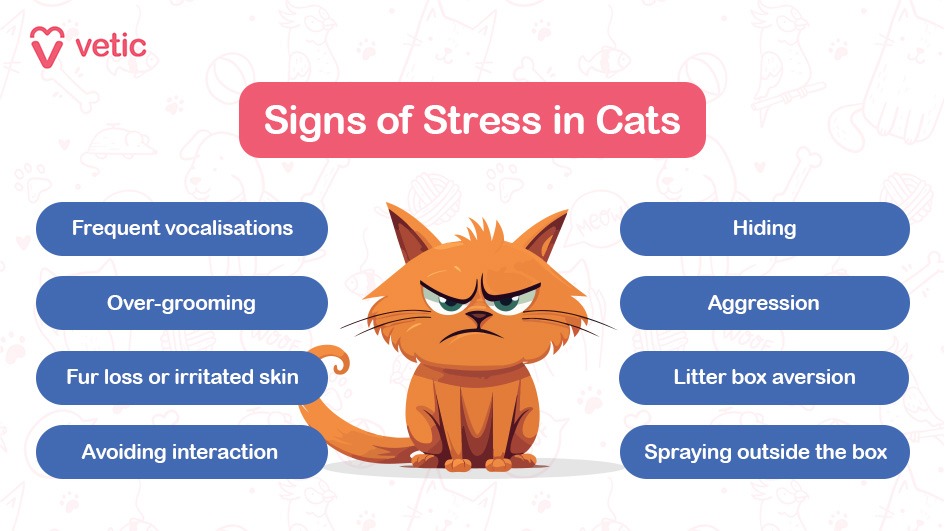
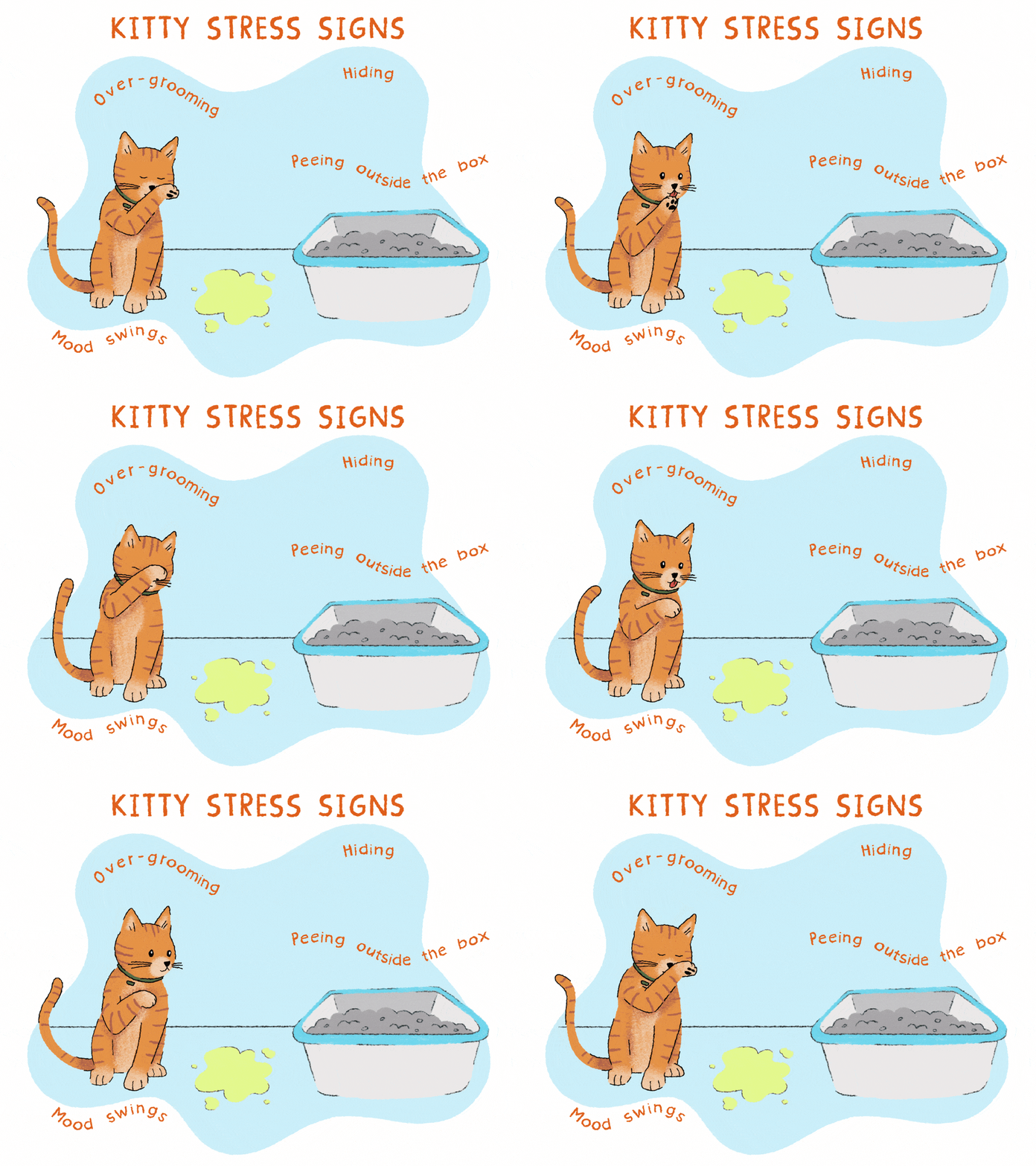
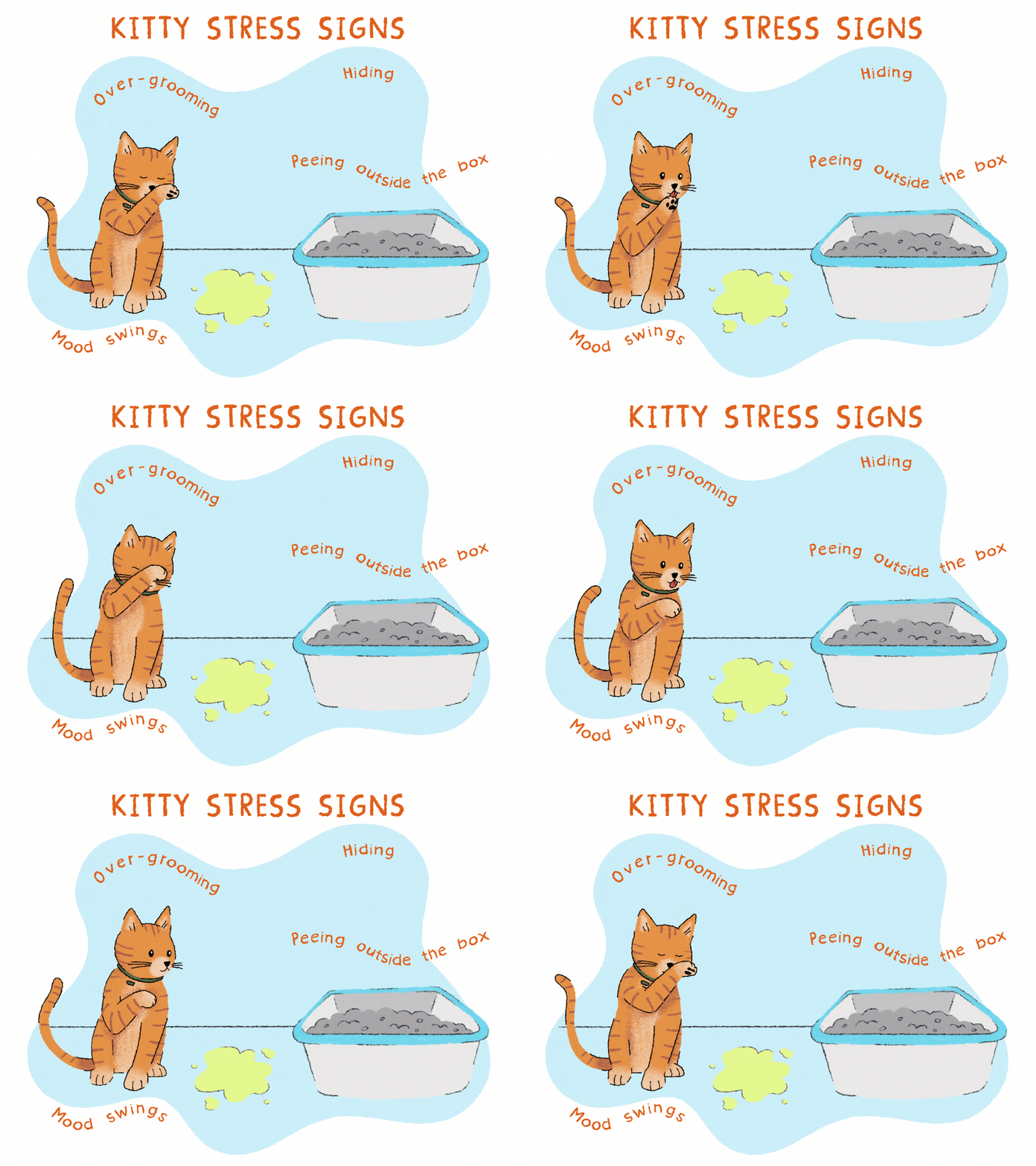
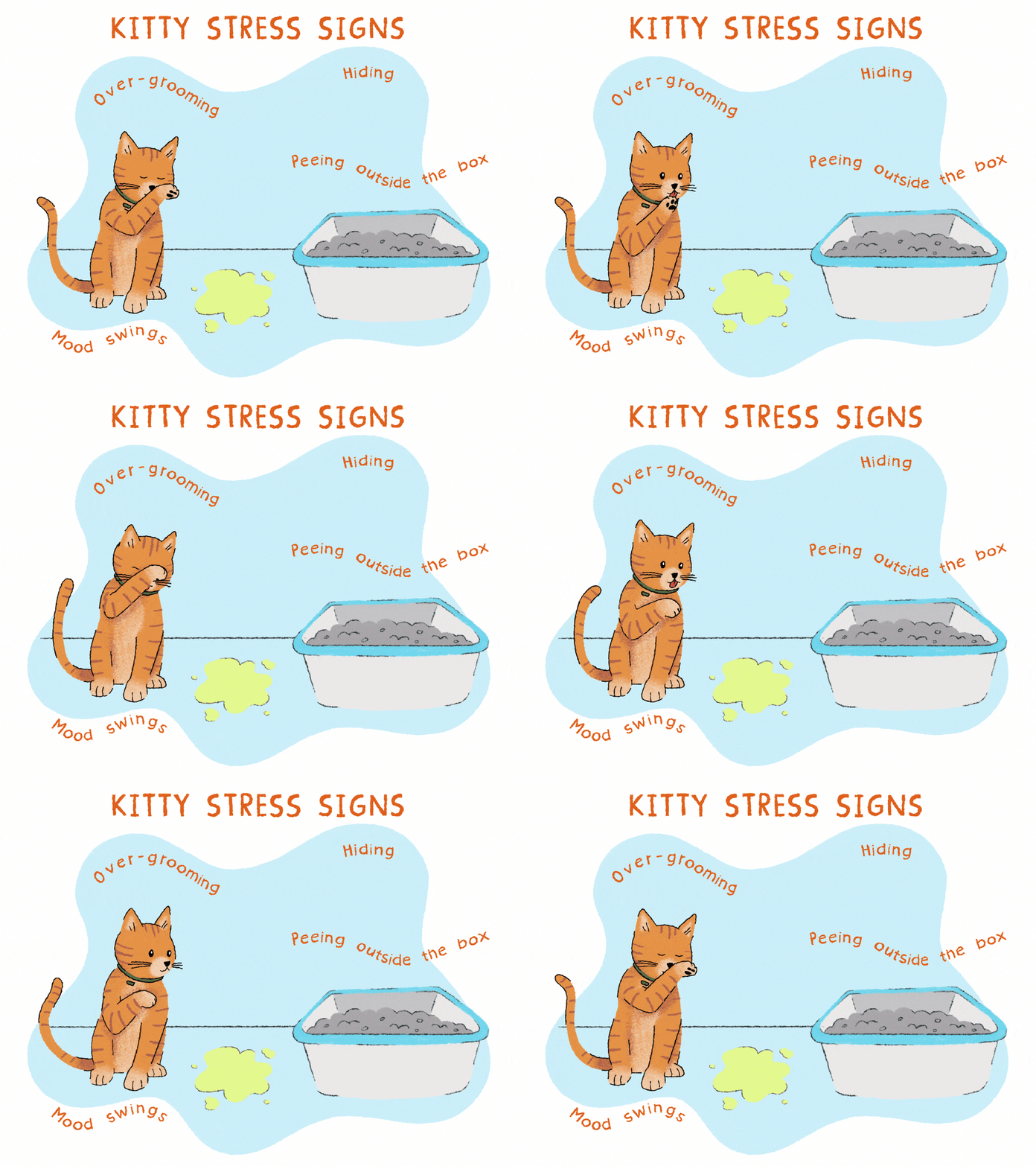
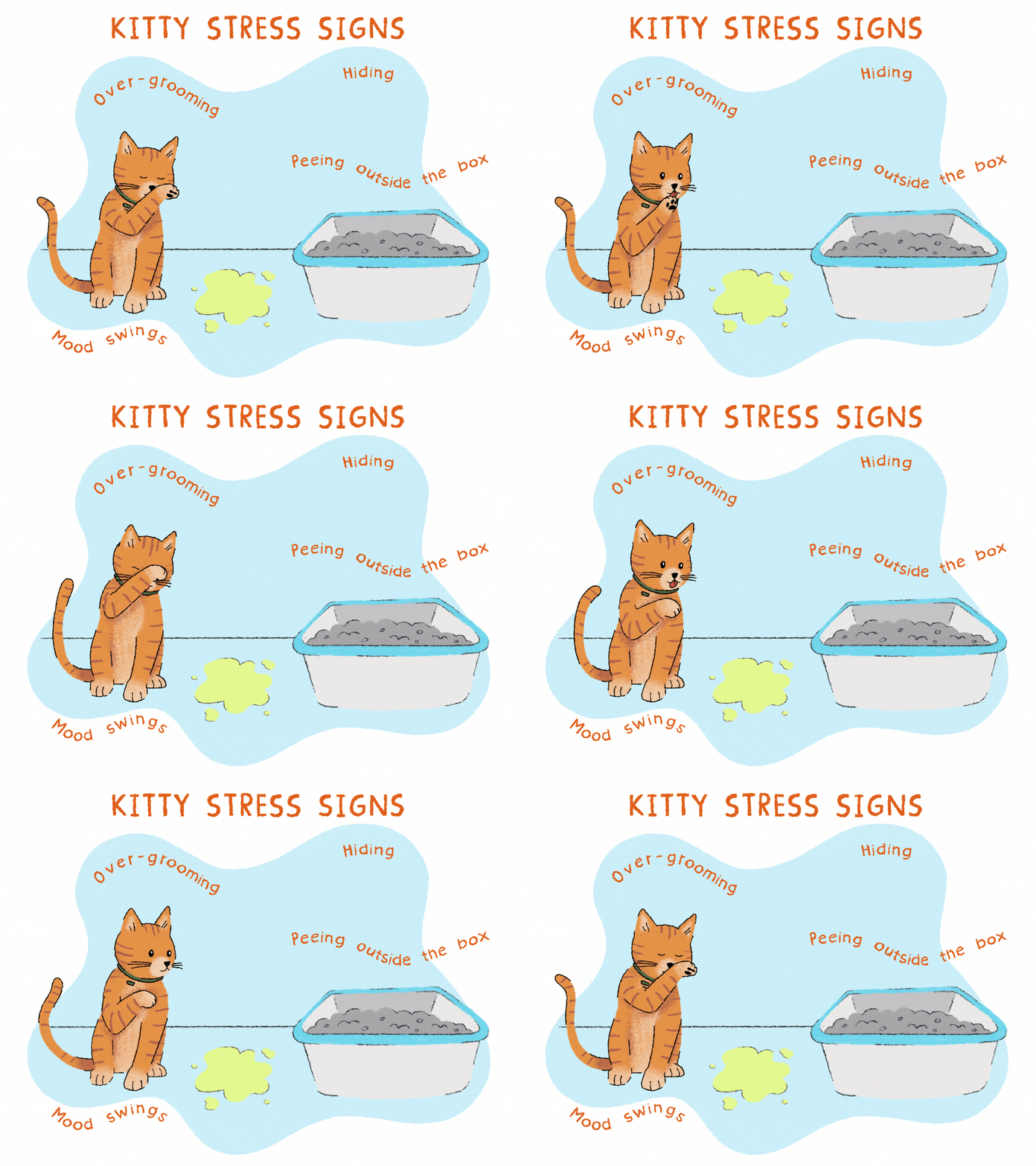
Cats can experience anxiety, just like humans. Signs include excessive grooming, hiding, or sudden aggression. Changes in their environment or routine often trigger these behaviors.
Have you ever noticed your cat behaving oddly and wondered if they’re feeling anxious? Just like humans, cats can experience anxiety, and recognizing the signs can help you provide the support they need. Understanding these signals is crucial to ensuring your feline friend remains happy and healthy.Behavioral Changes
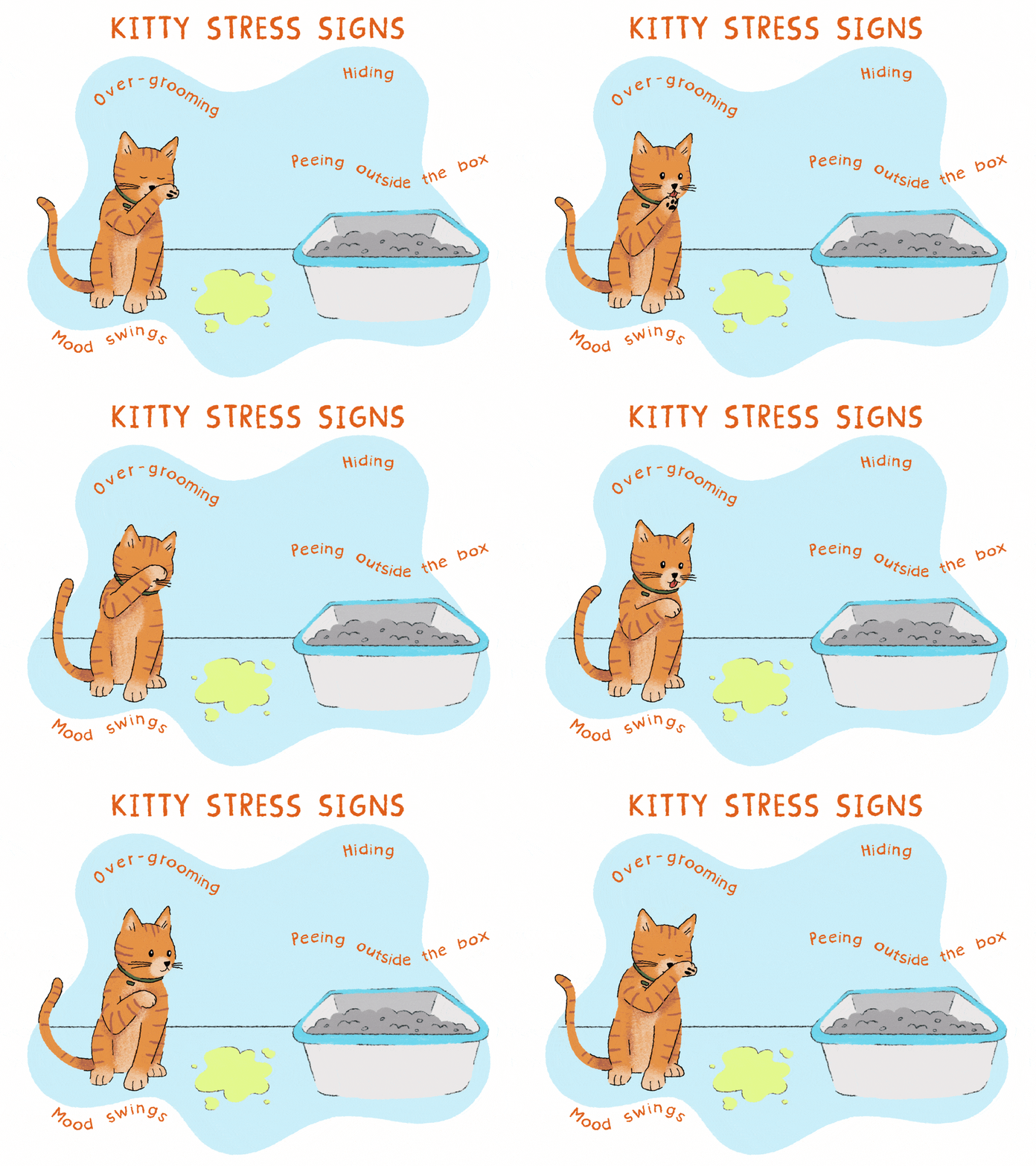
Cats with anxiety often exhibit noticeable behavioral changes. They might become more withdrawn, hiding in spots where they usually don’t. Increased aggression or irritability can also be a sign that something’s amiss. Frequent grooming or self-soothing behaviors, like licking or chewing on themselves, may indicate stress. If you notice your cat doing these things more than usual, it might be time to assess their environment for stressors. Sometimes, even a change in their litter box habits, such as going outside the box, can be a red flag. When I first brought a new cat into my home, my older cat started avoiding her favorite resting places. It was her way of expressing discomfort with the new situation.Physical Symptoms
Anxiety in cats can manifest in physical symptoms too. You might see a sudden change in appetite, either eating too much or too little. Weight loss or gain without any dietary changes is another potential indicator. Digestive issues like vomiting or diarrhea can also occur. These symptoms should not be dismissed as they could lead to more serious health problems if ignored. Pay attention to your cat’s sleeping patterns. An anxious cat might sleep more than usual or suffer from restless sleep, which can affect their overall well-being.Vocalization Patterns
Vocalization is another area where anxiety can reveal itself. Your cat might start meowing more frequently or at unusual times. This can be their way of seeking attention or expressing distress. On the other hand, some cats might become unusually quiet if they’re stressed. This shift in vocalization patterns can be subtle but significant. Have you noticed your cat making different sounds? It’s important to observe not just the frequency, but also the type of sounds. Sometimes, a particular meow can indicate discomfort or fear. Understanding these signs of anxiety in your cat is the first step in helping them feel more secure. By observing their behavior, physical health, and vocalizations, you can better address their needs and create a more comforting environment.
Credit: www.pawmaw.com
Common Causes Of Cat Anxiety
Cats can experience anxiety due to changes in their environment or routine. Loud noises or unfamiliar people can also trigger stress. Health issues or lack of social interaction might lead to anxious behaviors in felines.
Understanding the common causes of cat anxiety can help you create a more comfortable environment for your feline friend. Cats, like humans, can experience anxiety due to a variety of factors. By identifying these triggers, you can take steps to alleviate their stress and improve their well-being.Environmental Stressors
Cats are creatures of habit and can become anxious when their environment changes. Moving to a new home, rearranging furniture, or even a new pet can disrupt their sense of stability. Consider how you might feel if your surroundings were constantly changing; your cat feels the same. Loud noises like thunderstorms, fireworks, or construction can also be unsettling. You might notice your cat hiding or becoming more clingy during these times. Providing a safe space or using calming pheromone diffusers can help reduce their stress. Do you frequently have guests over? The sudden influx of unfamiliar faces can be daunting for some cats. Give them a quiet room where they can retreat if they feel overwhelmed.Health Issues
Physical health can greatly impact your cat’s mental state. Pain or discomfort from conditions like arthritis or dental disease can lead to anxiety. Regular vet check-ups can help catch these issues early and keep your cat comfortable. Cats are experts at hiding illness, which can make it challenging to recognize when they’re unwell. Subtle changes in behavior, such as increased aggression or withdrawal, could signal a health problem. Observing these signs and seeking veterinary advice promptly can prevent long-term anxiety. Have you ever had a lingering health problem that made you irritable? Your cat might be feeling the same way, so addressing health issues is crucial.Social Factors
The social dynamics of your home can significantly influence your cat’s anxiety levels. Adding a new pet or family member can be stressful for your cat. They may feel their territory is threatened, leading to anxiety. Interactions with other pets also play a role. If your cat doesn’t get along with your other animals, it can lead to a tense atmosphere. It’s important to introduce new pets slowly and monitor their interactions. Do you spend enough quality time with your cat? Lack of attention can make them feel neglected. Ensuring regular playtime and affection can help them feel secure and less anxious. Understanding these common causes of anxiety can help you take proactive steps in ensuring your cat leads a happy and stress-free life. What changes can you make today to improve your cat’s environment?Diagnosing Anxiety In Cats
Cats can experience anxiety just like humans. Identifying anxiety in cats requires careful observation. Early diagnosis can help manage symptoms effectively. Understanding how to diagnose anxiety is crucial for cat owners.
Veterinary Assessment
A vet examines a cat’s physical health first. They look for signs of illness causing stress. A thorough check-up rules out medical issues. Vets discuss the cat’s history and environment. This helps identify stressors affecting the cat. Professional advice guides owners in managing anxiety.
Behavioral Observations
Observe your cat for signs of anxiety. Changes in behavior often indicate stress. Cats may hide or act aggressively. They might avoid interaction with people or other animals. Excessive grooming or scratching can also be symptoms. Document any unusual behaviors to share with the vet.
Diagnostic Tests
Vets may use tests to diagnose anxiety. Blood tests rule out health problems. Urine tests check for infections or diseases. Imaging tests like X-rays ensure there’s no physical cause. These tests provide a clear picture of the cat’s health. Accurate diagnosis allows for effective treatment.
Solutions For Cat Anxiety
Cats, just like humans, can experience anxiety. This can manifest in various ways, including excessive grooming, hiding, or aggression. Understanding these signs is the first step in helping your feline friend. Various solutions can alleviate anxiety in cats, improving their overall quality of life.
Environmental Enrichment
Enhancing your cat’s surroundings can reduce anxiety. Provide toys and scratching posts to keep them entertained. Create safe spaces where they can retreat when stressed. Introduce climbing structures to encourage exploration. These can stimulate their mind and provide comfort.
Dietary Adjustments
Nutrition plays a crucial role in a cat’s mental health. Consider foods high in omega-3 fatty acids. These can help in calming anxious behaviors. Some cats benefit from specific calming diets. Always consult a vet before making dietary changes.
Behavioral Therapy
Behavioral therapy can be beneficial for anxious cats. Engage in interactive play to strengthen your bond. Use positive reinforcement to encourage calm behavior. Sometimes, professional help might be necessary. A behaviorist can offer tailored strategies for your cat’s needs.
Medication And Supplements
Cats can experience anxiety, just like humans. Stressful environments or changes can trigger anxiety in felines. Medication and supplements may help manage their symptoms.
Cats, much like humans, can experience anxiety, and addressing this issue often involves medication and supplements. As a caring pet owner, you want your feline friend to feel safe and comfortable. Let’s explore how various options can help alleviate your cat’s anxiety.Prescription Medications
When your cat’s anxiety becomes severe, prescription medications may be necessary. Your vet might suggest drugs like fluoxetine or clomipramine, which are used to treat anxiety disorders. These medications can help balance chemicals in your cat’s brain, promoting a calmer demeanor. However, medication isn’t a magic bullet. It’s often combined with behavior modification strategies. Have you noticed changes in your cat’s behavior after starting medication? Track these changes to discuss with your vet for adjustments.Herbal Remedies
Herbal remedies offer a more natural approach. Some pet owners swear by valerian root, chamomile, or catnip to calm their anxious cats. These herbs can be found in various forms, such as teas or tinctures, that you can easily add to your cat’s diet. Are herbal solutions truly effective? Some cats respond well, others not so much. It’s worth experimenting under veterinary guidance. Imagine the tranquility of seeing your cat nap peacefully after trying a herbal remedy.Over-the-counter Solutions
Over-the-counter solutions include calming collars and sprays infused with pheromones. These products mimic natural cat pheromones, providing a sense of security and relaxation. Have you tried a calming collar for your cat? Many owners find these products easy to use and effective. They’re a simple, non-invasive option that might just make a noticeable difference. Medication and supplements for anxiety in cats vary in effectiveness. Each cat is unique, and what works for one might not work for another. Your involvement and observation are key in finding the right solution.Preventing Anxiety In Cats
Cats can indeed experience anxiety, just like humans. Signs include excessive grooming and hiding. Creating a calm environment and providing regular routines can help prevent anxiety in cats.
Cats, like humans, can experience anxiety. This can impact their overall well-being. Understanding how to prevent anxiety in cats is crucial. It ensures they live happy, stress-free lives. Below are some effective strategies to help your cat feel secure.Routine Establishment
Cats thrive on routine. Consistent schedules help them feel safe. Feed your cat at the same times each day. Play and interact with them regularly. This predictability reduces stress. Change can be unsettling for cats. So, keep routines as stable as possible.Safe Spaces
Cats need places to retreat. Safe spaces offer them comfort. Create quiet zones in your home. Use soft bedding and favorite toys. High perches or secluded corners work well. These areas provide a sense of security. Cats feel calmer with a personal sanctuary.Socialization Techniques
Proper socialization helps cats stay relaxed. Gradually introduce new people and pets. Use positive reinforcement with treats. Short, positive interactions build confidence. Encourage gentle handling. This strengthens trust and reduces fear. Socialized cats adapt better to changes.:strip_icc()/reducing-anxiety-in-cats-554064-FINAL-5b9faac146e0fb00507d984e.png)
Credit: www.thesprucepets.com
Frequently Asked Questions
What Are Signs Of Anxiety In Cats?
Cats show anxiety through hiding, excessive grooming, aggression, or changes in appetite and litter box habits. They may also meow excessively, become clingy, or exhibit destructive behavior. Recognizing these signs can help address their anxiety.
How Do You Treat Anxiety In Cats?
Treat cat anxiety with environmental enrichment, regular play, and calming pheromones. Consult a vet for medication or therapy options. Create a safe space for your cat and maintain a consistent routine to reduce stress.
How To Tell If A Cat Has Separation Anxiety?
Cats with separation anxiety may show excessive meowing, destructive behavior, or clinginess. They might refuse food or litter box use. Changes in grooming habits and restlessness can also indicate anxiety. Watch for signs when you leave or return home. Consult a vet for diagnosis and advice.
What Naturally Calms Cats?
Cats can be calmed by gentle petting, soothing music, and pheromone diffusers. Providing hiding spots and toys helps too.
Conclusion
Cats can experience anxiety, just like humans. This condition affects their well-being. Watch for signs such as hiding or excessive grooming. These behaviors indicate stress. Understanding your cat’s needs can help reduce anxiety. Provide a safe and calm environment. Regular playtime and affection can make a difference.
Consult a vet if symptoms persist. They offer guidance and solutions for anxious cats. Supporting your feline friend is crucial. Happy, relaxed cats lead healthier lives. Remember, every cat is unique. Tailor your approach to their needs. Your love and attention help them feel secure.

Similar Posts