How to Help a Stressed Cat: Expert Tips Revealed
Ever notice your feline friend acting a bit off lately? Maybe they’re hiding more, or their once silky fur looks a bit ragged.
It’s not uncommon for cats to experience stress, just like us. But what can you do to help? You might be surprised at how simple changes can make a world of difference for your stressed-out kitty. Imagine turning your home into a haven where your cat feels safe and happy.
This guide will show you exactly how to do that, step by step. By the end of this article, you’ll have the tools you need to transform your home into a peaceful retreat for your beloved pet. Don’t you want to see them purring contentedly again? Let’s explore how you can make that happen.
Recognizing Stress In Cats
Cats show stress through changes in behavior. Look for hiding, aggression, or loss of appetite. Help by creating a calm environment and giving them safe spaces to retreat. Regular playtime and affection can also ease anxiety.
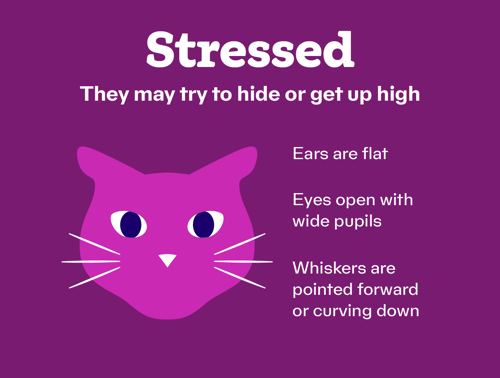
Recognizing stress in cats is crucial for their well-being. Cats often hide their stress, making it hard to detect. Understanding their behavior and environment helps in spotting stress early. A stressed cat may show changes in habits and mood. Knowing these signs ensures timely support.Common Signs Of Feline Stress
Cats may act differently when stressed. Watch for changes in their eating habits. A cat may eat less or stop eating entirely. Grooming habits might change. Excessive grooming can lead to bald patches. Notice if your cat hides more than usual. Increased aggression or withdrawal are signs too. Vocal changes like more meowing can indicate stress. Litter box issues might arise. A stressed cat may refuse to use it.Causes Of Stress In Cats
Several factors can stress cats. Changes at home are common causes. Moving to a new place can unsettle them. New pets or family members might stress them. Loud noises can be overwhelming. Thunderstorms or vacuum cleaners are typical stressors. Lack of mental stimulation can lead to boredom. Boredom often turns into stress. Health problems can also stress cats. Discomfort or pain affects their mood and behavior. Recognizing these factors helps in providing a calm environment.Creating A Calm Environment
Creating a calm environment helps soothe a stressed cat. Soft music or gentle lighting can ease anxiety. A cozy, quiet spot offers comfort and safety.
Creating a calm environment for your stressed cat is crucial. Cats are sensitive creatures, and their surroundings significantly impact their well-being. A serene setting can help soothe their nerves and make them feel secure. You might wonder how to create such an environment effectively. Let’s explore practical steps you can take to transform your home into a peaceful haven for your feline friend.Safe Spaces For Your Cat
Every cat needs a sanctuary—a spot where they can retreat from the world. This can be as simple as a cozy bed in a quiet corner or a special nook on a high shelf. Elevating the space can give them a sense of security as they observe their surroundings from above. Think about using cat trees or shelves to create vertical spaces. These can serve as both a play area and a refuge. You might also consider using a cardboard box or a small tent as a hideaway. Test different areas to see which one your cat prefers.Reducing Noise And Distractions
Cats have sensitive hearing, and loud sounds can easily stress them out. Identify common noise sources in your home and find ways to minimize them. This might mean turning down the TV or using soundproof curtains. Consider creating a quiet zone where your cat can escape the hustle and bustle of daily life. Use calming music or nature sounds to mask any disruptive noises. Pay attention to how your cat reacts to different sounds and adjust accordingly. Think about your daily routine too. Are there times when the house is particularly noisy or busy? Try to set aside quieter periods where your cat can relax without interruptions. Your cat will appreciate the peace and may even start to show more affection as they feel less stressed. By making these small changes, you can significantly improve your cat’s environment and help alleviate their stress. What adjustments can you start making today to ensure your cat feels more at ease?Implementing Routine And Structure
Creating a daily routine can ease a cat’s stress. Regular feeding times and play sessions offer comfort and predictability. Structured environments help cats feel secure and relaxed in their surroundings.
Cats are creatures of habit, and implementing routine and structure can significantly help in reducing their stress levels. When your cat knows what to expect daily, it can feel more secure and relaxed. Just like humans, cats thrive on predictability, and a consistent schedule can provide them with a sense of comfort and stability.Consistent Feeding Schedules
Feeding your cat at the same time every day can bring a sense of normalcy to its life. A regular feeding schedule assures your cat that food is always coming, reducing anxiety around mealtimes. Have you noticed your cat pacing around at dinner time? That’s their way of reminding you that they appreciate consistency. Consider setting alarms to remind you when it’s time to feed your cat. This can help you stay on track even on your busiest days. You might be surprised at how quickly your cat adapts to this routine, eagerly waiting by their bowl at the designated times.Predictable Playtimes
Play is essential for a cat’s mental and physical health, and having predictable playtimes can be incredibly comforting. Just like with feeding, keeping play sessions at the same times each day can help your cat feel secure. Have you ever noticed your cat bringing you a toy around the same time every day? That’s a sign they crave structured play. Incorporating playtime into your daily schedule doesn’t have to be complicated. Even ten minutes of interactive play can make a significant difference. Use a laser pointer or a feather toy to engage your cat, ensuring they have fun while also burning off some energy. Implementing a routine and structure in your cat’s life can be simple yet effective. How will you start creating a more predictable environment for your feline friend?Using Enrichment Activities
Helping a stressed cat can sometimes feel like a daunting task, but using enrichment activities can make a world of difference. These activities not only alleviate stress but also stimulate your cat’s mind and body. You might be surprised at how quickly your feline friend can become more relaxed and content. Let’s explore a few practical ways to use enrichment activities in your home.
Interactive Toys And Games
Interactive toys are a fantastic way to engage your cat’s natural curiosity. Toys that move or make sounds can capture their attention and provide endless entertainment. Consider toys like feather wands or laser pointers. These can offer a fun chase and mimic the thrill of hunting.
Games are another great option. Try hiding treats around the house for your cat to find. This can encourage exploration and stimulate their senses. If you have multiple cats, why not create a playful competition? It can be a great bonding experience for both you and your pets.
Scratching Posts And Climbing Trees
Scratching posts are essential for a cat’s well-being. They allow your cat to stretch, mark territory, and keep their claws healthy. Variety is key. Some cats prefer vertical posts, while others enjoy horizontal scratchers. Position them in areas your cat frequents.
Climbing trees offer another layer of enrichment. They provide a safe space for your cat to perch, climb, and observe their surroundings. This can be particularly beneficial for indoor cats, giving them a view from above and satisfying their need for height. Have you noticed how cats love to climb onto things? A climbing tree can be the perfect solution.
Enrichment activities are a powerful tool in easing your cat’s stress. They’re not just about play; they’re about creating a happy, stimulating environment. What activities have you tried with your cat? Share your experiences or tips in the comments below!
Dietary Adjustments
Adjusting your cat’s diet can help reduce stress. Introduce calming foods and maintain a consistent feeding schedule. These changes can ease anxiety and improve your cat’s overall well-being.
Is your furry friend showing signs of stress? You might be surprised to learn that dietary adjustments can make a significant difference in calming your stressed cat. Just like humans, cats can benefit from certain foods and hydration practices that help alleviate stress. Let’s dive into some practical tips that might just help your feline friend feel more at ease.Stress-reducing Foods
Have you ever wondered what foods can actually help reduce your cat’s stress levels? Certain ingredients, like omega-3 fatty acids, found in fish oil, can promote relaxation and improve mood. These can be added to your cat’s diet easily through specially formulated cat food or supplements. Think about adding foods that are rich in antioxidants. These can help strengthen your cat’s immune system, making them more resilient to stress. Foods like blueberries can be a playful treat, offering health benefits and a fun snack. Consider the power of protein. High-quality proteins, like chicken or turkey, can be soothing and satisfying for your cat. These foods are not only delicious but help support muscle health and energy levels, which can combat stress.Hydration And Nutrition Balance
Did you know that hydration plays a critical role in managing stress in cats? Ensuring your cat has constant access to fresh water is crucial. Dehydration can exacerbate stress and lead to further health issues. Think about the balance of nutrients in your cat’s diet. A well-balanced diet helps maintain energy and mood. You might want to evaluate the nutritional content of your cat’s food, ensuring it provides a balanced mix of proteins, fats, and carbohydrates. Consider using a water fountain to encourage your cat to drink more. Cats are naturally drawn to flowing water, and it can be a fun way to keep your kitty hydrated. Have you tried offering wet food? It’s not only hydrating but can also be more palatable for some cats, providing both nutrition and comfort. Incorporating these dietary adjustments could be the key to helping your stressed cat find peace and comfort. What changes will you make to your cat’s diet today?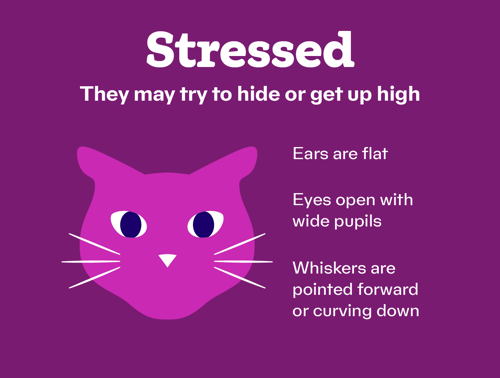
Credit: www.cats.org.uk
Behavioral Therapy Techniques
Stressed cats benefit from behavioral therapy techniques like play therapy and structured routines. Creating a calm environment helps reduce anxiety. Interactive toys and regular playtime can improve mood and relaxation.
Helping your cat overcome stress can be a rewarding journey for both of you. Behavioral therapy techniques offer practical ways to ease your feline friend’s anxiety. These methods focus on teaching new behaviors and creating positive associations. Let’s dive into some effective techniques to bring peace to your home.Positive Reinforcement
Positive reinforcement is a powerful tool in your behavioral therapy toolkit. Rewarding your cat for calm behavior encourages them to repeat it. Use treats, affection, or playtime as rewards. Imagine your cat is nervous around guests. Give them a treat when they stay calm as visitors arrive. Over time, your cat will associate guests with positive experiences. Consistency is key. Always reward the desired behavior to strengthen the connection in your cat’s mind. What small change can you make today to start this process?Counter-conditioning Methods
Counter-conditioning helps change your cat’s emotional response to stressors. It involves gradually exposing your cat to the stressor while pairing it with something positive. This method requires patience and a keen eye for your cat’s comfort level. Suppose your cat is afraid of the vacuum cleaner. Start by turning it on in another room while feeding your cat their favorite treat. Gradually bring the vacuum closer over several sessions. Keep sessions short and end on a positive note. This approach slowly shifts your cat’s perception from fear to neutrality or even enjoyment. Have you tried pairing treats with something your cat dislikes? Behavioral therapy takes time, but the results are worth it. These techniques not only help your cat but also deepen your bond. Isn’t it fascinating how small changes can make a big difference in your cat’s life?Consulting A Veterinarian
When your cat shows signs of stress, you might feel helpless. You want to make sure you’re doing everything right for your furry friend. Consulting a veterinarian can be a crucial step in understanding and alleviating your cat’s stress.
When To Seek Professional Help
Does your cat’s behavior seem off lately? Maybe they’re hiding more than usual or exhibiting changes in appetite. If these signs persist, it might be time to seek professional help.
Think about the changes in your cat’s environment. Have you recently moved, or is there a new pet at home? These factors can contribute to stress, and a vet can help determine if your cat’s behavior is stress-related or a sign of a medical issue.
Are you questioning if a vet visit is necessary? Trust your instincts. A professional can help identify underlying health problems that you may not see.
Possible Medical Interventions
Once at the vet, what should you expect? The vet may suggest a thorough examination to rule out any physical health issues. They might also recommend blood tests or scans to ensure there are no hidden health concerns.
Have you heard about feline pheromone diffusers? Vets might suggest these as they can help calm your cat naturally. They mimic the pheromones that cats produce to comfort themselves, creating a soothing environment at home.
Could medication be necessary? In some cases, vets may prescribe anti-anxiety medication to help your cat cope with stress. It’s important to follow their guidance on dosages and monitor your pet’s response.
Engaging with a vet can provide peace of mind. They offer tailored advice that can make a significant difference in your cat’s well-being. Have you found other ways to help your cat relax? Share your experiences and see if others can benefit from your insights.

Credit: www.banfield.com
Herbal And Natural Remedies
When your beloved feline friend is stressed, you might feel a bit helpless. However, herbal and natural remedies can be a gentle and effective way to calm your stressed cat. These remedies can offer comfort without causing unwanted side effects. Let’s dive into some safe options you can consider.
Cat-safe Essential Oils
Essential oils can be calming, but not all are safe for cats. Lavender is a popular choice due to its soothing properties. You can try diffusing a small amount in an open space.
Another option is chamomile oil. It’s known for its relaxing effects. Ensure your cat has the freedom to leave the area if they choose.
A little goes a long way. Cats are sensitive, so use oils sparingly. Always monitor their reaction. Have you ever noticed your cat’s behavior when you’ve used essential oils?
Herbal Supplements For Relaxation
Herbal supplements are another avenue to explore. Valerian root is well-known for its calming effects. It can be found in various forms, like teas or capsules.
Passionflower is another herb that can reduce anxiety. It’s gentle and can be mixed with your cat’s food.
It’s important to consult with your vet before introducing any supplement. They can guide you on dosage and suitability. What herbal remedy have you tried for your cat?
These natural remedies can be a comforting support for your stressed cat. Trying them might just bring you both a little peace of mind.
Monitoring Progress
Monitoring your cat’s progress is crucial in helping them manage stress effectively. Understanding their behavior and adjusting your strategies can make a big difference in their comfort and happiness. By keeping a close eye on changes, you can ensure your furry friend is on the right path to feeling better.
Tracking Behavioral Changes
Observe your cat’s behavior closely. Note any changes in their eating habits, sleep patterns, or grooming routines. Has your cat started hiding more frequently or become overly aggressive? These are signs that stress might be affecting them.
Use a journal to track these changes. Recording details can help you identify patterns and triggers. You might notice that your cat is more stressed during loud family gatherings or when you rearrange furniture.
Engage with your cat during these observations. Spend time playing or gently petting them. Your presence can offer comfort and reduce anxiety.
Adjusting Strategies As Needed
Flexibility is key. If your current approach isn’t working, consider alternative strategies. Maybe your cat prefers a quiet corner to a bustling play area.
Experiment with different solutions. Try introducing calming scents or play soothing music. Small adjustments can lead to significant improvements in your cat’s stress levels.
Seek professional advice if necessary. A vet or animal behaviorist can provide insights tailored to your cat’s needs. Sometimes, an outside perspective can uncover solutions you haven’t considered.
What changes have you noticed in your cat? Are your strategies making a difference? Reflect on these questions as you monitor progress, ensuring you are providing the best care for your stressed cat.

Credit: restorapet.com
Frequently Asked Questions
What Is The 3-3-3 Rule For Cats?
The 3-3-3 rule for cats describes their adaptation process: 3 days to decompress, 3 weeks to settle in, and 3 months to feel comfortable. This guideline helps pet owners understand their cat’s behavior and support their transition into a new home.
What Are Signs Of Stress In A Cat?
Cats may show stress through excessive grooming, hiding, reduced appetite, aggression, or frequent vocalization. Changes in litter box habits, increased sleeping, or destructive behavior can also indicate stress. If you notice these signs, consult a veterinarian for guidance.
What Are Signs Of A Stressed Cat?
Stressed cats may hide, become aggressive, or excessively groom themselves. They might also lose appetite or meow more. Physical signs include dilated pupils and a tense body posture. Understanding these signs can help you provide timely support to your feline friend.
How Can I Calm My Stressed Cat?
Creating a safe, quiet space is essential. Use calming pheromone diffusers or sprays. Engage your cat in gentle play. Maintain a consistent routine for feeding and cleaning. Providing high perches or hiding spots can help your cat feel secure.
Conclusion
Helping a stressed cat takes patience and love. Small changes can make a big difference. Create a calm environment for your cat. Provide quiet spaces and comfy spots. Playtime helps relieve stress too. Use toys and interactive games. Regular vet visits ensure your cat’s health.
Good health reduces stress. Always be gentle and understanding. Each cat has unique needs. Pay attention to their signals. Building trust takes time, but it’s worth it. Your efforts create a happy, peaceful home. Your cat will thank you with purrs and cuddles.
Enjoy the bond you share.