Why Won’t My Cat Use the Litter Box: Solving Mysteries
Your furry friend is more than just a pet; they’re a cherished member of your family. But what happens when your beloved cat refuses to use the litter box?
You might feel confused, frustrated, or even worried about this sudden change in behavior. Don’t worry; you’re not alone. Many cat owners face this problem, and the good news is that there are reasons and solutions. Imagine the relief you’ll feel once you understand why your cat is avoiding the litter box and how you can fix it.
This isn’t just about keeping your home clean. It’s about restoring harmony between you and your feline companion. We’ll explore the possible causes and guide you through practical steps to address the issue. So, let’s unravel this mystery together and get your cat back on track.
Common Reasons For Litter Box Avoidance
Cats often avoid litter boxes due to stress or health issues. A dirty box or its location might also discourage use. Changes in routine or environment can lead to litter box avoidance.
When your cat suddenly stops using the litter box, it can be both puzzling and frustrating. Understanding the common reasons behind this behavior can help you address the issue effectively. Let’s explore why your feline friend might be avoiding the litter box.Health Issues
Health problems are a leading cause of litter box avoidance. If your cat is experiencing discomfort or pain, they may associate the litter box with this unpleasant sensation. Urinary tract infections, kidney disease, or arthritis can make it difficult for your cat to use the box comfortably. Notice any changes in your cat’s behavior or habits? Consult your vet promptly. A quick check-up can rule out or diagnose health issues, ensuring your cat gets the care they need.Stress And Anxiety
Cats are sensitive creatures, and changes in their environment can lead to stress. A new pet, moving homes, or even rearranging furniture can be unsettling. When stressed, your cat might choose alternative spots to relieve themselves, often in places they feel safer. Have you changed something in your home recently? Consider how these changes might be affecting your cat. Creating a calm and consistent environment can help reduce anxiety.Litter Box Preferences
Cats can be surprisingly picky about their litter boxes. The size, location, and type of litter can all influence their willingness to use it. Some cats prefer open boxes, while others like them covered. The type of litter matters too—some cats dislike scented varieties. Experiment with different options to find what your cat prefers. Place the litter box in a quiet, accessible area and keep it clean. Remember, a happy cat is more likely to use the litter box consistently. Understanding these common reasons can help you address the root cause of your cat’s litter box avoidance. By being attentive to their needs, you can help ensure your feline friend feels comfortable and content in their home.
Credit: www.youtube.com
Medical Conditions Affecting Use
Cats may avoid litter boxes due to medical conditions like urinary tract infections or arthritis. These issues cause discomfort, leading them to seek alternatives. Observing any changes in behavior can help identify underlying health problems.
Cats often avoid the litter box due to medical issues. Identifying these conditions is crucial for their well-being. Understanding the root cause can help restore harmony in your home.Urinary Tract Infections
Urinary tract infections (UTIs) are painful for cats. They cause frequent urination. Your cat may associate the litter box with pain. This leads to avoidance behavior. Watch for signs like straining or blood in urine. A vet visit is essential. Treatment usually involves antibiotics. Early intervention prevents further complications.Arthritis And Mobility Problems
Arthritis affects older cats, causing joint pain. Climbing into a high-sided litter box becomes difficult. Mobility issues lead to litter box avoidance. Consider a low-entry box. This makes access easier for your cat. Soft bedding near the box can also help. Regular vet check-ups are important for managing arthritis pain.Digestive Disorders
Digestive disorders can disrupt a cat’s bathroom habits. Conditions like constipation or diarrhea cause discomfort. A cat may avoid the box due to negative associations. Monitor your cat’s diet closely. Note any changes in their stool. Consult your vet for dietary adjustments. This can help manage digestive issues effectively.Behavioral Factors
Cats are complex creatures with unique personalities. Sometimes, their behavior can affect litter box usage. Understanding these behavioral factors can help address the issue effectively. Let’s explore some common reasons your cat might avoid the litter box.
Territorial Marking
Cats are territorial animals. They might mark their territory to feel secure. This marking behavior could result in litter box avoidance. Scent marking involves urination in different spots. It’s a way to communicate with other cats. Identifying this behavior is crucial to finding a solution.
Changes In Environment
Cats are sensitive to changes. A new home or rearranged furniture can be unsettling. Such changes might lead to litter box issues. Cats need time to adapt to new surroundings. Providing them with a consistent environment can help.
Multi-cat Household Dynamics
Living with multiple cats can create competition. Some cats might avoid the litter box due to stress. Dominant cats may block access to the litter box. Ensuring each cat has its own space helps reduce tension. This can encourage proper litter box use.
:strip_icc()/cat-pooping-outside-box-554017-b408bc2885e042a5a1937e7e0b183b5a.jpg)
Credit: www.thesprucepets.com
Evaluating Litter Box Setup
Is your cat avoiding the litter box? The setup might be the problem. A proper evaluation could make all the difference. Let’s look at key factors that affect your cat’s litter box usage.
Box Size And Type
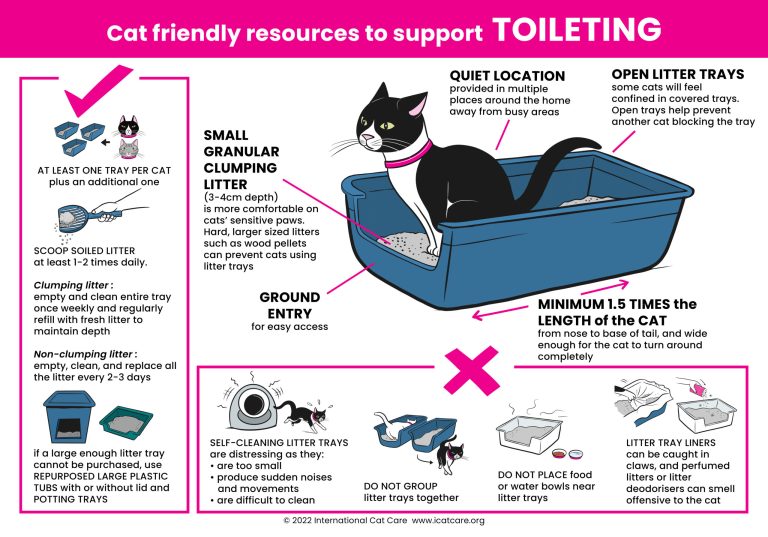
Cats need space to move. Ensure the box is large enough for comfort. A small box can deter usage. Consider the type too. Some cats prefer open boxes. Others like covered ones for privacy. Experiment to find what suits your cat best.
Location And Accessibility
Place the litter box in a quiet spot. Cats dislike noisy or crowded areas. It should be easy to reach. Avoid stairs or obstacles. A difficult-to-access box can discourage your cat from using it.
Cleaning Frequency
A clean box is crucial. Cats are sensitive to odors. Scoop waste daily to keep it fresh. Wash the box weekly to prevent buildup. A dirty box can lead to avoidance. Regular cleaning maintains a welcoming environment.
Choosing The Right Litter
Cats may avoid the litter box if the litter feels uncomfortable. Choosing the right litter can make a big difference. Soft, unscented litter often encourages cats to use the box regularly.
Choosing the right litter is crucial for your cat’s comfort. Cats are particular about where they do their business. The wrong litter can make them avoid the litter box. Understanding your cat’s preferences helps in selecting the perfect litter.Texture Preferences
Cats have sensitive paws. They might not like rough or hard textures. Soft, sandy textures are often preferred. Try different types to see what your cat likes. Some cats might prefer finer grains. Others might enjoy larger pellets. Observe your cat’s behavior for clues.Scent Considerations
Strong scents can be off-putting. Cats have a strong sense of smell. Unscented litter is usually a safe choice. It doesn’t overwhelm their senses. If your cat avoids the box, check the scent. Some cats might like mild, pleasant smells. Choose based on your cat’s reaction.Clumping Vs. Non-clumping
Clumping litter is easy to clean. It forms solid lumps when wet. Non-clumping litter absorbs moisture but doesn’t clump. Each type has its benefits. Clumping is popular for convenience. Non-clumping might be better for sensitive cats. Experiment to see what your cat prefers.Reducing Stress
Stress can make cats avoid the litter box. Changes at home or health issues might be the cause. Creating a calm environment can help your cat feel safe and use the litter box again.
Reducing stress is a key factor in encouraging your cat to use the litter box. Cats are sensitive creatures, and even minor changes can upset them. If your feline friend is avoiding the litter box, stress might be the culprit. Let’s dive into practical ways to make your home more comfortable for your cat.Creating Safe Spaces
Cats need their own space to feel secure. Consider setting up a cozy corner with their favorite blanket or a small cat bed. This gives them a retreat where they can unwind, away from household noise or other pets. It’s also important to have multiple litter boxes in different locations. This ensures your cat can access a litter box without feeling trapped or threatened. Observe your cat’s behavior. Are there areas they avoid? These might be stress hotspots, and it’s wise to place litter boxes away from these zones.Gradual Changes
Cats dislike sudden changes. If you need to move the litter box, do it gradually. Shift it a few inches each day toward the new location. Introducing new pets or furniture can also stress out your cat. Slowly acclimate them to changes by allowing them to explore new items at their own pace. Consistency is key. Keep feeding times, play sessions, and bedtime routines consistent. This helps your cat feel more secure in their environment.Using Calming Aids
Calming aids can be a lifesaver. Products like pheromone diffusers mimic natural cat scents that promote relaxation. You can also explore calming treats or supplements available at pet stores. These are designed to soothe anxious cats. Have you tried playing soft music or using a white noise machine? These can drown out startling sounds and create a serene atmosphere. By addressing stress, you’re not just solving a litter box problem. You’re enhancing your cat’s overall well-being. Have you noticed any particular stressors affecting your cat? Identifying them is the first step to making your home a stress-free haven.Training And Encouragement
Cats are known for their independent nature. But sometimes they need a little help. If your cat isn’t using the litter box, training and encouragement can help. This approach helps guide your feline friend back to good habits. Let’s explore some ways to encourage your cat.
Positive Reinforcement
Positive reinforcement works wonders for training cats. Reward your cat each time they use the litter box. This can be with treats, petting, or verbal praise. Cats respond well to positive feedback. Over time, they will associate the litter box with good things. This makes them more likely to use it regularly.
Reintroducing The Litter Box
Sometimes, cats need to be reintroduced to their litter box. Ensure the box is clean and in a quiet spot. Show your cat the location and let them explore. You can gently place them in the box. Let them sniff and investigate. This can remind them of their designated bathroom area.
Using Attractants
Litter box attractants can be very helpful. These products are designed to draw cats to the box. They mimic natural pheromones cats find appealing. Sprinkle some in the litter and see how your cat reacts. Attractants can encourage reluctant cats to return to the box. Always use them as directed on the package.

Credit: hvhct.com
Consulting Professionals
Consulting professionals can provide valuable insights when a cat won’t use the litter box. These experts offer solutions tailored to each unique situation. Understanding the root cause is crucial. Let’s explore some professional avenues that might help.
Veterinarian Advice
A veterinarian can identify health issues affecting litter box use. Urinary tract infections or digestive problems may deter a cat. A thorough examination helps rule out medical concerns. Vets suggest treatments or medications if necessary.
Animal Behaviorists
Animal behaviorists understand feline psychology. They assess environmental factors and stressors. Their expertise can pinpoint behavioral issues. Simple changes in routine or environment might solve the problem. Behaviorists offer personalized strategies to encourage litter box use.
Specialized Products And Solutions
Some products address specific litter box challenges. Odor neutralizers and calming sprays create a welcoming environment. Specialized litter types might attract reluctant cats. Consult professionals about effective solutions for your furry friend.
Frequently Asked Questions
Why Is My Cat Pooping On The Floor With A Clean Litter Box?
Your cat might be stressed, marking territory, or has a medical issue. Ensure the litter box is accessible, clean, and free of odors. Consulting a veterinarian can help rule out health problems. Providing a calm environment and maintaining a routine may reduce stress-related behaviors.
Is It Normal For A Cat To Not Use The Litter Box?
Cats may avoid the litter box due to stress, illness, or dirty conditions. Consult a vet for advice.
Why Is My Cat Rejecting Her Litter Box?
Cats reject litter boxes due to stress, medical issues, or dirty conditions. Ensure cleanliness, check for health problems, and provide a quiet space. Consider changing the box location or litter type if problems persist.
How Do You Encourage A Cat To Use A Litter Box?
Place the litter box in a quiet, accessible area. Keep it clean by scooping daily. Use unscented litter. Show your cat the box and gently place them inside. Reward with treats or praise when they use it. Ensure the box is the right size for your cat.
Conclusion
Helping your cat use the litter box takes patience. Understand their habits. Identify any stress triggers. Keep the box clean. Try different litter types. Some cats prefer certain textures. Ensure easy access to the box. Observe your cat’s behavior. Changes might signal health issues.
Consult your vet if needed. Every cat is unique. Tailor solutions to your cat’s needs. With love, your cat will adapt. Enjoy the bond you share. And the clean floors!