How to Ease Cat Anxiety: Expert Tips Unveiled
Is your cat acting a little off lately? Perhaps it’s hiding more than usual or showing signs of stress.
Cat anxiety can be as troubling for you as it is for your furry friend. You want your pet to feel safe and happy, but it can be hard to know where to start. Luckily, there are simple ways to ease your cat’s anxiety.
By understanding what triggers their stress and knowing how to comfort them, you can make a big difference in their well-being. Imagine your cat feeling calm and secure, free from the weight of worry. Dive into this guide to discover practical tips that can transform your anxious kitty into a relaxed companion. Your cat’s happiness is just a few steps away.
Understanding Cat Anxiety
Cats are sensitive creatures. Changes can disrupt their calm nature. Anxiety in cats manifests in various ways. Understanding these signs is crucial for effective management. Recognizing the symptoms helps in addressing the root cause.
What Causes Cat Anxiety?
Several factors contribute to cat anxiety. Common triggers include loud noises and new environments. Even a change in routine can unsettle them. Identifying these triggers is the first step to easing their stress.
Recognizing Symptoms Of Anxiety In Cats
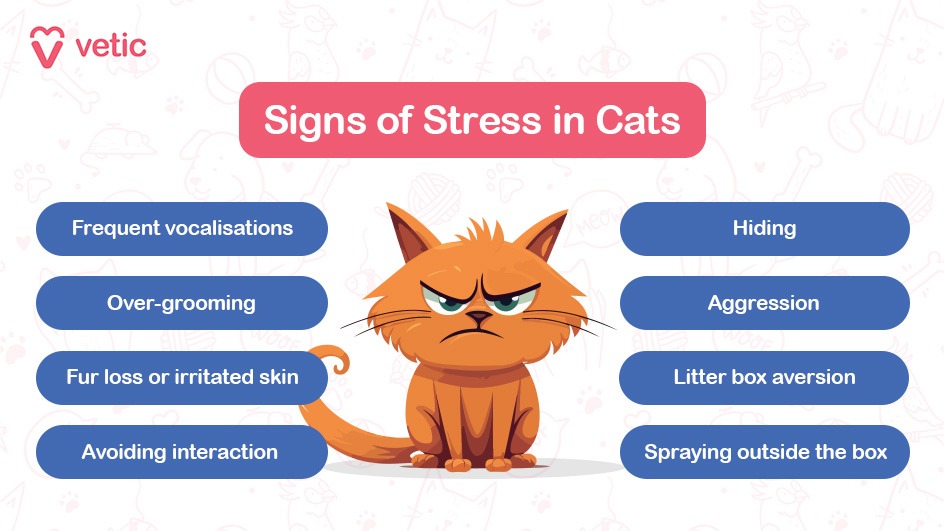
Watch for certain behaviors. Excessive grooming or hiding indicates stress. Aggression or loss of appetite can also be signs. Each cat may show different symptoms. Observing their behavior closely is essential.
How Anxiety Affects Your Cat
Anxiety impacts a cat’s mental health. Stress can lead to physical health issues. Untreated anxiety may cause behavioral problems. It affects their quality of life significantly. Early intervention is key for their well-being.
Importance Of Understanding Cat Anxiety
Understanding cat anxiety fosters a strong bond. It ensures a happy, healthy pet. Being informed helps in creating a supportive environment. Addressing anxiety improves their overall happiness. Knowledge empowers better care for your feline friend.
Common Causes Of Anxiety In Cats
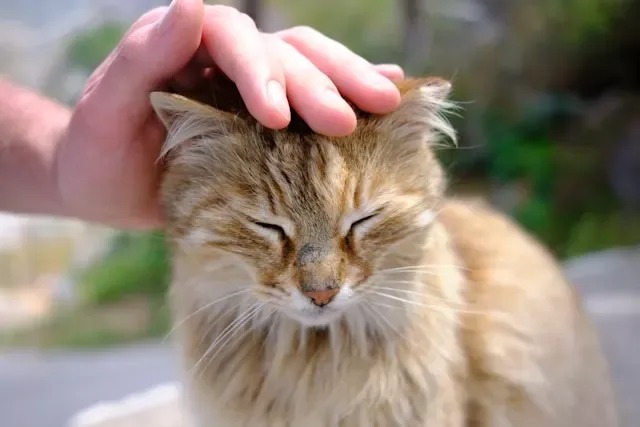
Cats often feel anxious due to loud noises, changes in their environment, or lack of social interaction. To help ease this anxiety, create a calm space with familiar scents and offer gentle affection.
Cats often experience anxiety due to various reasons. Understanding these causes helps in creating a calming environment. Stress in cats is common and can arise suddenly. Identifying triggers allows for effective solutions to ease their anxiety.Environmental Changes
Cats are sensitive to new surroundings. Moving to a new home can unsettle them. Even small changes, like new furniture, can affect their comfort. Loud noises or a busy household can heighten stress. Creating a quiet space helps them feel secure.Lack Of Socialization
Early socialization impacts a cat’s behavior. Cats not exposed to people or pets may fear them. Isolation can lead to anxiety in adult cats. Gradual introduction to new faces helps them adjust. Regular interaction builds confidence and trust.Health Issues
Health problems can cause anxiety in cats. Pain or illness often leads to stress. Cats may hide or act aggressively when unwell. Regular vet check-ups are crucial for their well-being. Addressing health concerns reduces anxiety and promotes comfort.Recognizing Signs Of Anxiety
Cats show anxiety through hiding, excessive grooming, or aggression. Create a calm environment to help them relax. Provide safe spaces and engage in gentle play to ease their stress.
Recognizing that your cat might be experiencing anxiety is the first step toward helping them. Cats, like humans, can exhibit a range of symptoms when they’re feeling stressed or anxious. By paying close attention to their behavior and physical condition, you can provide the necessary support to ease their discomfort.Behavioral Changes
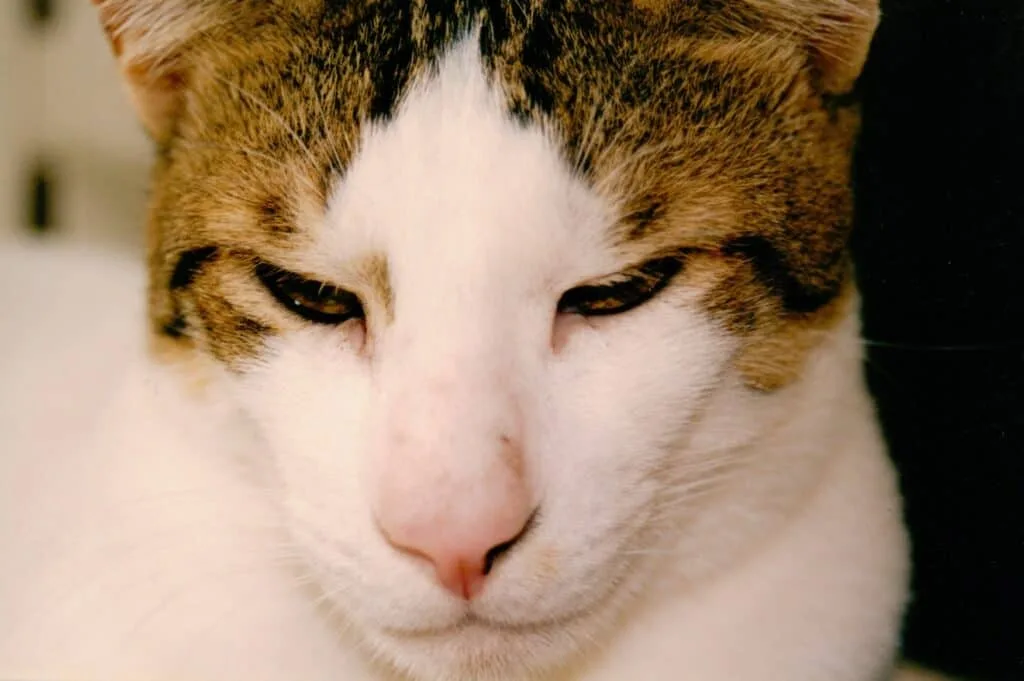
Cats often communicate their anxiety through changes in their behavior. You might notice your usually social cat hiding more often or avoiding interactions. Some cats become more vocal, meowing more frequently or even howling. Increased aggression can also be a sign. A cat that suddenly swats or hisses may be telling you something is wrong. Watch for changes in their litter box habits, as urinating outside the box can be a major red flag.Physical Symptoms
Anxiety doesn’t just affect a cat’s mood. It can also manifest through physical symptoms. Keep an eye out for excessive grooming, which can lead to bald spots or sores on their skin. Loss of appetite is another common sign. If your cat suddenly isn’t interested in their favorite food, it might be anxiety. You might also notice changes in their sleeping patterns, such as sleeping more than usual or being restless. Have you ever noticed your cat displaying any of these signs? It might be time to consider what could be triggering their anxiety. By recognizing these signs early, you can take steps to make your cat feel more comfortable and secure in their environment.
Credit: www.banfield.com
Creating A Safe Environment
Cats often feel anxious due to unfamiliar surroundings or sudden changes. Creating a safe environment can help reduce this anxiety. A secure and comforting space allows your cat to relax. It is essential for their well-being and happiness.
Comforting Spaces
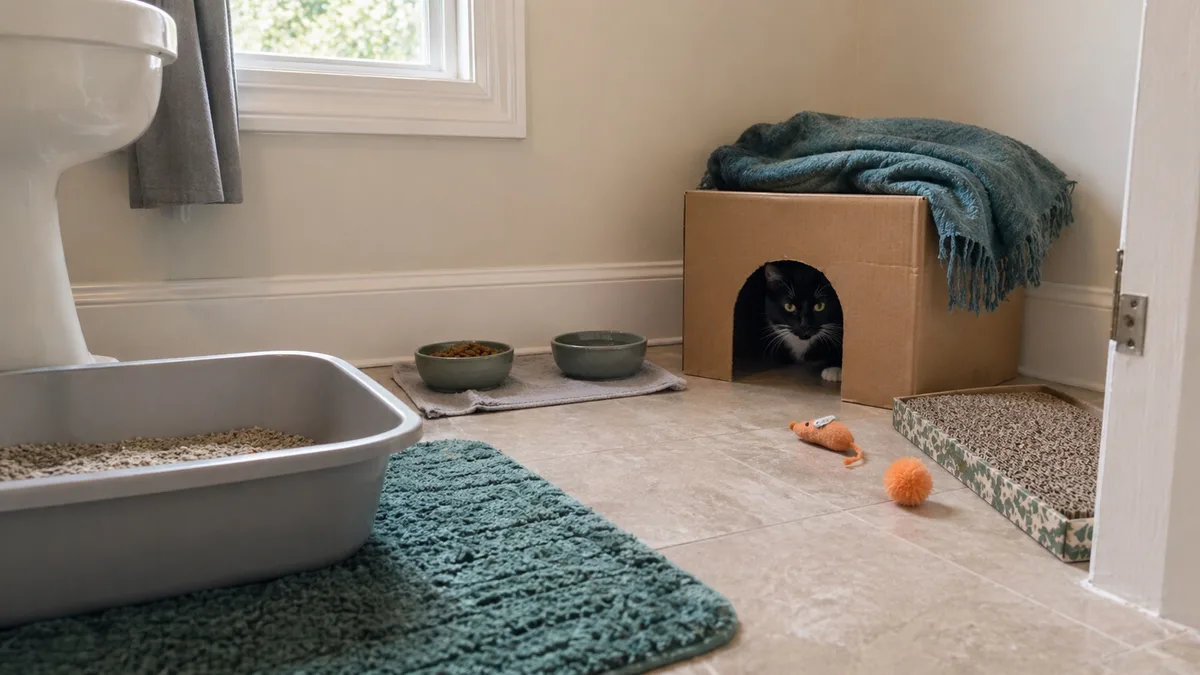
Designate cozy spots for your cat around the house. Soft beds or blankets make great options. Cats love warmth and softness. Ensure these spots are quiet and away from noise. You might use an elevated perch or a window seat. Cats enjoy watching the outside world.
Include toys and scratching posts. These items provide both comfort and activity. Rotate toys regularly to keep things interesting. Familiar scents can help soothe your cat. Use their favorite pillow or blanket. A comforting space helps your cat feel secure.
Safe Zones
Establish areas where your cat feels safe. These zones should be free from stressors. Keep them away from loud appliances or busy walkways. Cats need a place to retreat during stressful times. A quiet room or corner works well.
Ensure safe zones have access to food and water. This prevents your cat from needing to leave when scared. Use baby gates if needed to separate spaces. Keep doors open to allow easy access. Safe zones can ease anxiety by providing refuge.
Effective Stress-reduction Techniques
Cats can experience anxiety just like humans. This can lead to behavioral issues and health problems. To help your feline friend, try effective stress-reduction techniques. These methods can ease their anxiety and improve their well-being.
Interactive Play
Engage your cat in regular interactive play sessions. Use toys that mimic prey, such as feather wands or laser pointers. This stimulates their hunting instincts and provides mental exercise. Playtime helps reduce stress and strengthens the bond between you and your cat.
Avoid rough play to prevent fear or aggression. Keep sessions short but frequent. Aim for 15 minutes a few times a day. This routine can significantly lower anxiety levels in cats.
Calming Music
Music can have a soothing effect on cats. Play calming tunes during stressful situations. Choose music with slow rhythms and soft melodies. Classical music or specially designed cat relaxation tracks work best.
Start with low volumes and observe your cat’s reaction. Gradually increase the volume if they seem calm. This technique can create a peaceful environment and reduce anxiety.
Consider using music during vet visits or thunderstorms. This helps your cat remain calm in challenging situations.
Credit: www.smalldoorvet.com
Diet And Supplements
Cats often face anxiety, which can affect their well-being. A balanced diet and proper supplements can help calm their nerves. By focusing on nutritional needs and natural supplements, you can ease your cat’s anxiety effectively.
Nutritional Needs
Good nutrition helps manage cat anxiety. Feed them high-quality protein-rich foods. This supports brain health. Omega-3 fatty acids are essential too. They improve mood and reduce stress levels. Ensure the cat’s diet includes these nutrients. Avoid artificial ingredients. They can increase anxiety symptoms.
Natural Supplements
Certain supplements can calm anxious cats. Consider adding L-theanine to their routine. It promotes relaxation without sedation. Another option is tryptophan, an amino acid. It boosts serotonin levels, improving mood. Chamomile and valerian root are also effective. They have calming properties, easing stress.
Always consult your vet. They can recommend the best supplements for your cat’s needs. Choose natural options to avoid side effects. Proper diet and supplements support a calm and happy cat.
Role Of Routine And Consistency
Cats thrive on routine. Consistency provides them with a sense of security. When their world is predictable, they feel safe and content. Establishing a routine helps reduce anxiety and stress in cats. This practice is crucial for their mental health and well-being.
Daily Schedules
Creating a daily schedule for your cat is important. Feed your cat at the same time every day. Use consistent feeding portions and meal times. Offer play sessions regularly. Morning and evening are ideal. This helps set expectations and reduces stress.
Regular sleep times are beneficial too. Cats love their naps. A set bedtime can help them relax. It also helps them adapt better to your lifestyle. Consistent sleep patterns aid in their overall wellness.
Predictable Routines
Predictability is key for anxious cats. Keep their environment stable. Avoid sudden changes in their surroundings. Cats notice even the smallest details.
Limit rearranging furniture or introducing new items. This helps them feel secure. Regular grooming sessions are helpful too. Cats enjoy routine grooming. It strengthens your bond and calms them.
Use the same tone when speaking. Cats recognize familiar voices. A calm, consistent voice is reassuring. It helps ease their anxiety.
Professional Help And Therapy
Professional help and therapy can calm anxious cats. Create a safe space with familiar scents and sounds. Gentle play and routine build trust, soothing their worries.
When your cat starts showing signs of anxiety, seeking professional help and therapy can be a game-changer. Cats, like humans, can benefit from specialized care when their stress levels rise. You’re not alone in this journey, and there are experts ready to guide you and your feline friend toward a calmer life. Let’s dive into how veterinary advice and behavioral therapy can play crucial roles in easing your cat’s anxiety.Veterinary Advice
The first step in addressing your cat’s anxiety should be a visit to the veterinarian. They have the expertise to identify any underlying health issues that might be causing stress. A physical check-up can rule out pain or illness that could be contributing to your cat’s anxiety. Veterinarians can also recommend appropriate treatments. These might include medications or supplements that help soothe your cat’s nerves. Imagine the relief of knowing there’s a tailored plan for your cat’s well-being. Have you ever considered the impact of your cat’s environment on their stress levels? Veterinarians can provide valuable insights into how to make your home more feline-friendly.Behavioral Therapy
Behavioral therapy is another effective method to tackle cat anxiety. Professional animal behaviorists specialize in understanding and modifying cat behavior. They offer strategies that can help your cat cope with stress. These experts can teach you how to recognize anxiety triggers. Understanding what sets off your cat’s anxiety is crucial in managing their behavior. Behavioral therapy often includes interactive play and mental stimulation. Did you know that engaging your cat in playful activities can significantly reduce their stress? Imagine your cat feeling happier and more relaxed after a fun session with you. Seek out behaviorists who offer one-on-one consultations. Personalized advice can make a huge difference in your cat’s comfort and happiness. In summary, professional help and therapy can provide valuable support for easing your cat’s anxiety. Whether through veterinary advice or behavioral therapy, taking proactive steps can lead to a more peaceful environment for your beloved pet. Have you ever tried seeking professional help for your cat? How did it change your approach to their anxiety?Monitoring Progress
Help your cat feel calm by setting a quiet space with familiar toys and scents. Regular playtime can reduce stress, keeping your feline friend happy. Monitor progress to adjust soothing strategies effectively.
Monitoring your cat’s progress in overcoming anxiety can be both rewarding and challenging. It’s crucial to keep track of the changes and adaptations in their behavior. This process not only helps in understanding what works best for your furry friend but also ensures that you’re moving in the right direction. Have you ever noticed how a simple tweak in routine can make a world of difference for your cat?Tracking Improvements
To effectively monitor progress, start by setting up a journal or a digital log. Record daily observations about your cat’s behavior. Look for signs of reduced anxiety, such as less hiding, improved appetite, or increased playfulness. These indicators are your clues that something positive is happening. Incorporate regular check-ins. Weekly assessments can help you notice patterns and measure success. Are there specific times of day when your cat seems more relaxed? Have certain changes in the environment made a noticeable impact? These insights will guide your next steps.Adjusting Strategies
If you find that your cat’s anxiety isn’t improving, it might be time to tweak your approach. Experiment with different calming techniques. Maybe your cat responds better to soothing music than to pheromone diffusers. Don’t hesitate to seek advice from professionals. A vet or pet behaviorist can offer valuable insights into your cat’s unique needs. Their expertise might reveal overlooked aspects that could be crucial to easing anxiety. Have you ever asked yourself if the current strategy really fits your cat’s personality? Tailoring your approach to suit their individual quirks can make all the difference. Remember, patience and observation are your best tools in this journey.
Credit: restorapet.com
Frequently Asked Questions
How To Calm Cat Anxiety?
Create a safe, quiet space with familiar items for your cat. Use calming pheromone diffusers or sprays. Engage them with interactive toys and provide routine playtime. Offer treats or catnip to relax them. Consult a vet for persistent anxiety.
What Are The Signs Of A Stressed Cat?
Stressed cats may hide more often and become aggressive. They might over-groom or avoid the litter box. Changes in appetite and vocalization also indicate stress. Watch for excessive scratching or biting.
What Causes Anxiety In Cats?
Cats can experience anxiety due to changes in their environment, lack of socialization, or past trauma. Loud noises, new pets, or unfamiliar visitors can also trigger stress. Understanding the root cause helps in addressing and easing anxiety effectively.
How Can I Recognize Anxiety In My Cat?
Signs of anxiety in cats include excessive grooming, hiding, aggression, or changes in appetite. Other indicators are urinating outside the litter box and vocalizing more than usual. Observing these behaviors can help in identifying anxiety early.
Conclusion
Helping your cat with anxiety is possible. Start with small changes. Create a calm environment at home. Use toys and treats to distract and comfort. Spend more time with your cat. Gentle affection can ease their stress. Watch for signs of improvement.
Patience and love make a big difference. Consult a vet if anxiety persists. They can offer tailored advice. Remember, each cat is unique. What works for one might not work for another. Keep trying different methods. Your bond will grow stronger with time.
Your cat will thank you with purrs and cuddles.

Similar Posts