Can Cats Help Anxiety: Discover the Calming Benefits

Feeling anxious can be overwhelming, like a storm cloud that never seems to pass. You’re not alone in looking for relief, and here’s a comforting thought: your answer might be curled up right beside you.
Have you ever wondered if your cat could actually help ease your anxiety? Imagine the soothing purr of a gentle companion, always ready to offer comfort without uttering a single word. Cats possess a unique ability to connect with us on a profound level, offering more than just companionship.
They have the potential to be a natural remedy for anxiety. Dive deeper into this idea, and discover how your feline friend might just be the unexpected hero in your quest for calm.
Credit: usserviceanimals.org
The Connection Between Cats And Mental Health
Cats have a unique ability to soothe the human spirit. Their calming presence and affectionate nature offer comfort to many. For those dealing with anxiety, cats can provide much-needed relief. Their companionship has been linked to improved mental health. Let’s explore how cats support emotional well-being.
Emotional Support Provided By Cats
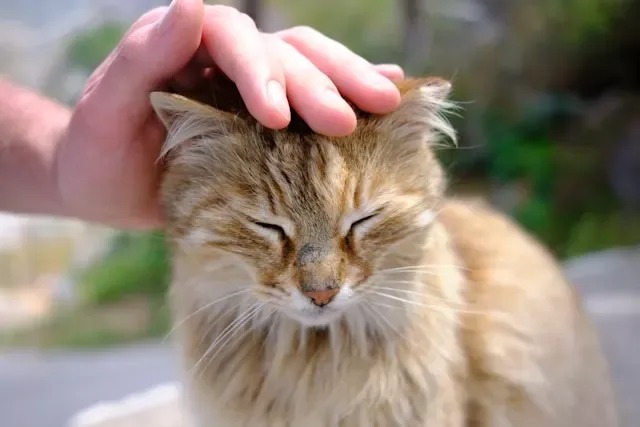
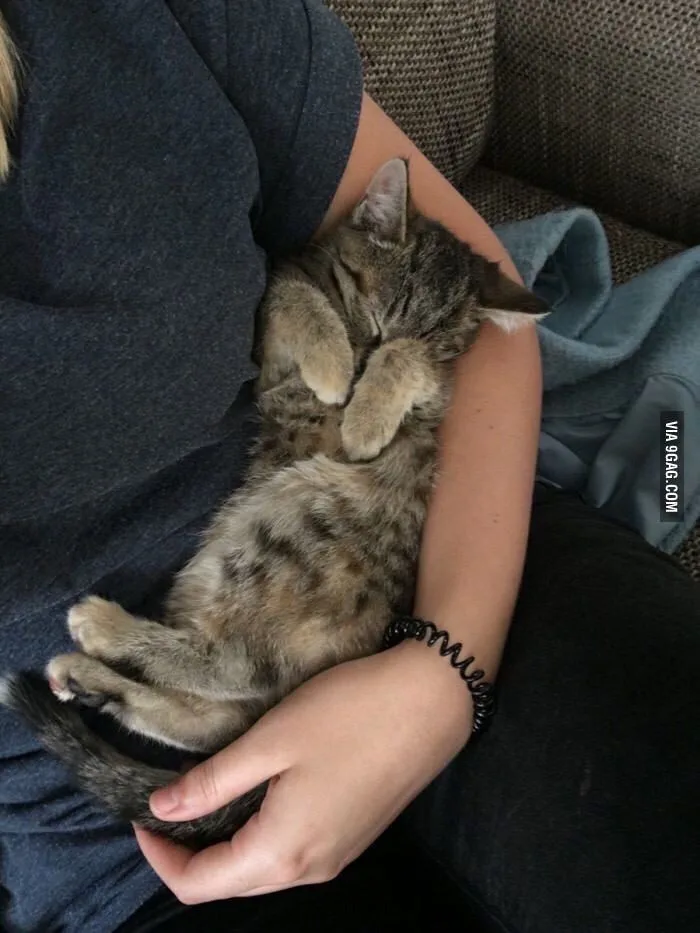
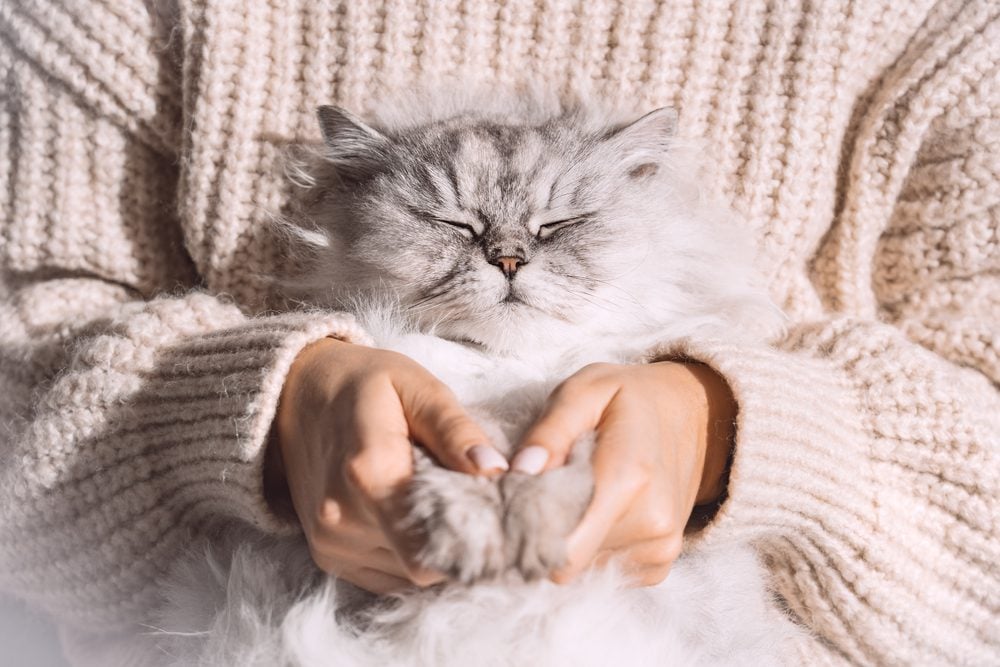
Cats offer unwavering companionship. They listen without judgment. Their soft purrs can calm nerves. Stroking a cat can lower stress levels. This simple act releases endorphins. Cats create a sense of routine and stability. They help people feel grounded. Their playful antics bring joy and laughter. These moments can lighten heavy moods.
The Science Behind Pet Therapy
Research shows pets can reduce anxiety. Interaction with cats releases oxytocin. This hormone boosts feelings of happiness. Cats can lower heart rates and blood pressure. Studies reveal pet owners have fewer stress-related issues. Cats also encourage mindfulness. Their presence shifts focus from worries. This practice improves mental clarity.
How Cats Reduce Stress And Anxiety
Cats can help ease anxiety by providing comfort and companionship. Their gentle purring and calm presence create a soothing environment. Interacting with cats releases feel-good hormones, reducing stress levels effectively.
Cats have a unique ability to soothe frayed nerves. Their presence brings comfort and a sense of calm. Many people find solace in their gentle companionship. Cats offer emotional support in ways that are both subtle and profound. They can help reduce stress and anxiety in several ways.The Calming Effect Of Purring
A cat’s purr is more than just a sound. It’s a natural stress reliever. Studies show that the frequency of a cat’s purr can lower stress levels. This soothing vibration has therapeutic effects on humans. Hearing a purring cat can instantly bring peace. It creates a tranquil environment at home.Companionship And Loneliness Reduction
Cats provide companionship to those feeling alone. They offer non-judgmental presence and emotional support. Their companionship can fill the void of loneliness. Interacting with a cat can boost mood and reduce feelings of isolation. Their playful nature can distract from daily worries. A cat’s presence can make a home feel more lively and warm. `The Role Of Cats In Therapy
Cats can offer comfort and calmness to those experiencing anxiety. Their gentle purring and affectionate nature provide emotional support. Spending time with cats can lower stress and promote relaxation, making them valuable companions in therapy settings.
Cats have long been cherished for their companionship and warmth, but did you know they can play a significant role in therapy? Their presence can help ease anxiety and provide emotional support. These furry friends have a unique ability to sense emotions, offering comfort without judgment. Whether you’re feeling stressed or overwhelmed, the calm demeanor of a cat can be a soothing balm to your soul.Cats In Therapeutic Settings
In many therapeutic settings, cats are becoming a popular choice for emotional support. Their quiet nature and gentle purring can create a calming environment. This makes them ideal for settings like hospitals, nursing homes, or even schools. Imagine the relief a child might feel when a soft, purring cat curls up on their lap during a tough day. Therapists often find that the presence of a cat helps patients open up. The nonverbal communication between a cat and a person can break down emotional barriers. It’s a way to feel connected without the pressure of conversation. This can be especially beneficial for individuals who struggle with social anxiety.Success Stories And Case Studies
There are numerous success stories of cats making a difference in therapy. Take Lucy, a therapy cat in a children’s hospital, who helps young patients feel less anxious about their treatments. Her calming presence has been noted to lower heart rates and reduce stress levels in children awaiting surgery. In another case, an elderly woman suffering from severe anxiety found solace in her cat, Whiskers. Her family noticed a marked improvement in her mood and social interactions. Whiskers’ presence encouraged her to engage more with those around her and participate in group activities. These examples highlight the transformative impact cats can have. They aren’t just pets; they’re partners in healing. Have you ever considered how a cat might change your life or that of someone you know? The bond between humans and cats can be powerful, offering both emotional and mental health benefits.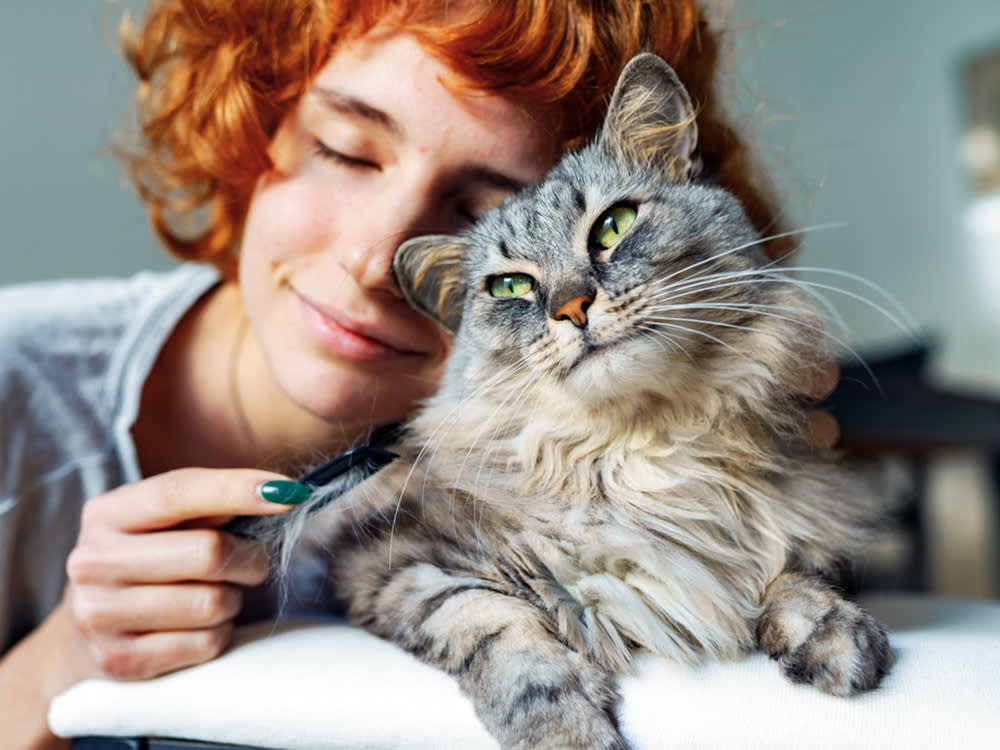
Credit: www.kinship.com
Choosing The Right Cat For Anxiety Relief
Cats can be wonderful companions for those battling anxiety. Their gentle presence often brings a sense of calm to a chaotic world. Yet, not all cats have the same effect. Choosing the right cat can make a significant difference in anxiety relief. It’s essential to consider various factors and characteristics when selecting the perfect feline friend.
Cat Breeds Known For Calmness
Some cat breeds are naturally calm. The Ragdoll is famous for its laid-back nature. It often enjoys cuddling and being held. The British Shorthair is another serene breed. It prefers lounging and quietly observing its surroundings. The Burmese cat is gentle and affectionate. It forms strong bonds with its owner. These breeds can be ideal for soothing anxiety.
Factors To Consider When Adopting
Think about the cat’s age. Older cats are often calmer than kittens. Consider the cat’s temperament. Spend time with different cats to see their personalities. Look at your living environment. Some cats need more space. Others can adapt to smaller homes. Assess your lifestyle. Do you have time for daily interaction? A cat needs attention and care. Determine your ability to meet its needs.
Ways To Enhance The Bond With Your Cat
Cats offer comfort and companionship, soothing anxiety with their gentle presence. Their purring calms nerves, creating a peaceful environment. Strengthen your bond with interactive play and quiet cuddle moments.
Enhancing the bond with your cat can be a rewarding journey, especially if you’re seeking comfort and companionship to ease anxiety. Cats are intuitive creatures that can sense emotions and respond with affection and warmth. By strengthening your connection, you not only enrich your cat’s life but also create a soothing presence in your own.Creating A Stress-free Environment
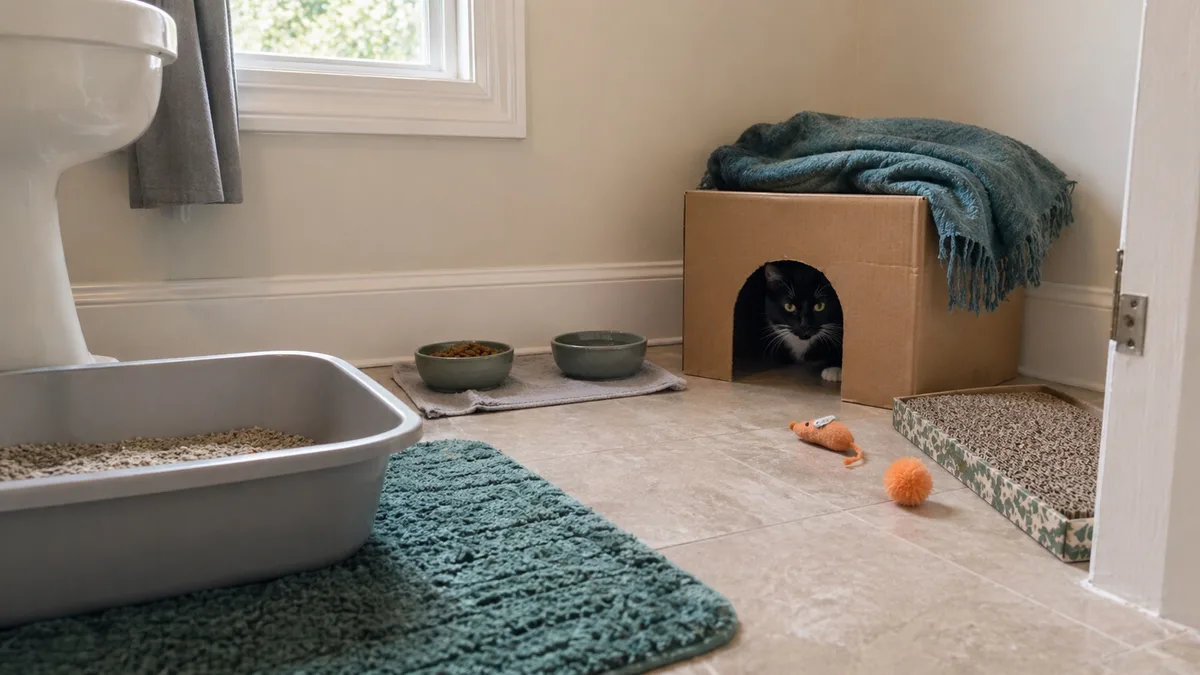
A calm environment is crucial for nurturing a strong bond. Ensure your home is a sanctuary where your cat feels safe and secure. Consider setting up cozy nooks with soft blankets where your cat can retreat. Minimize loud noises and sudden changes in the home. If you’ve ever noticed your cat hiding during a thunderstorm, you know how sensitive they can be. A quiet space fosters trust and encourages your cat to be more affectionate.Interactive Play And Relaxation Techniques
Engage your cat with interactive play to deepen your bond. Use toys like feather wands or laser pointers to stimulate their hunting instincts. This not only provides physical exercise but also strengthens your connection through shared fun. Incorporate relaxation techniques such as gentle petting or grooming. Pay attention to your cat’s cues—like purring or nudging—and respond with affection. This mutual exchange can calm both your nerves and your cat’s. Consider practicing deep breathing while your cat rests on your lap. Feel the rhythm of their purrs and let it guide you into a peaceful state. How does it feel to share these serene moments with your feline friend? Enhancing your bond with your cat can be a delightful experience filled with small but meaningful moments. By creating a stress-free environment and engaging in interactive play, you not only help ease your anxiety but also enjoy the comforting presence of a loyal companion.Potential Challenges And Considerations
Considering adopting a cat to help with anxiety? Cats can offer comfort and companionship. Their presence may ease anxious feelings. Yet, owning a cat comes with challenges. Understanding these challenges ensures a positive experience for both you and the cat.
Understanding Cat Behavior
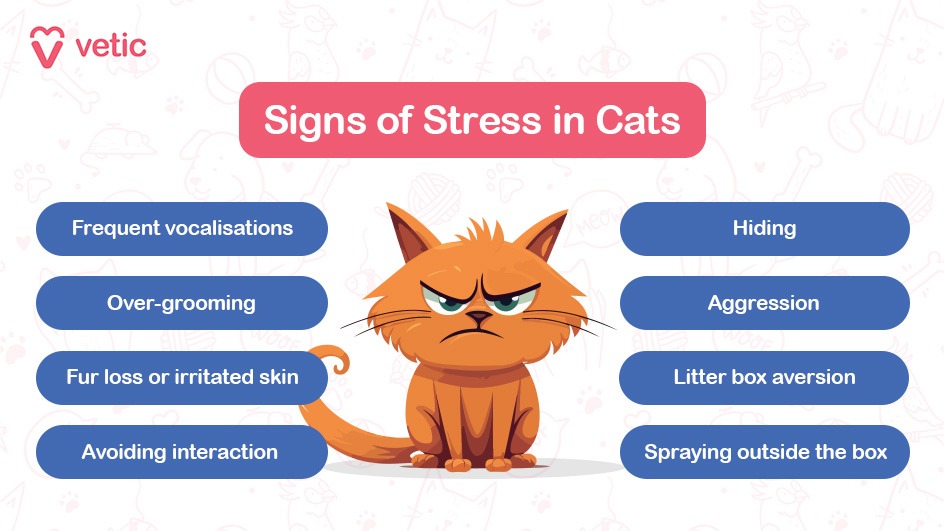
Cats are independent creatures. They have unique personalities. Some cats are affectionate, while others are more reserved. It’s important to observe your cat’s behavior. This helps in building a bond. Cats may not always be in the mood for cuddles. Respect their space to avoid stress. A stressed cat can impact your anxiety negatively.
Health And Care Requirements
Caring for a cat requires commitment. Regular vet visits are essential. Cats need vaccinations and health check-ups. Feeding them a balanced diet is crucial. Cats also need regular grooming. Litter boxes must be cleaned daily. These tasks require time and effort. They can be overwhelming if not managed properly.
Potential allergies are another consideration. Some people are allergic to cat fur or dander. This can cause discomfort or health issues. It’s important to consider this before adopting a cat.

Credit: meowfoundation.com
Frequently Asked Questions
Is Having A Cat Good For Anxiety?
Yes, having a cat can help reduce anxiety. Cats offer companionship and have calming effects. Their purring is soothing and can lower stress levels. Interacting with cats can boost mood and provide comfort. Cats can be great emotional support animals for those experiencing anxiety.
Can A Cat Sense My Anxiety?
Cats can sense anxiety. They detect changes in your body language and voice. Some cats may offer comfort by staying close or purring. This behavior helps ease your stress, creating a calming effect. Cats are intuitive and respond to emotional shifts in their owners.
Can Cats Heal Your Anxiety?
Cats can help alleviate anxiety by offering companionship and comfort. Their purring can have calming effects on the nervous system. Spending time with cats can reduce stress levels, promoting relaxation and emotional well-being. Petting a cat releases serotonin, which boosts mood and reduces anxiety symptoms naturally.
Which Cat Is Best For Anxiety?
The Ragdoll cat is great for anxiety relief. They are calm, affectionate, and enjoy cuddling. Their gentle nature can provide comfort and companionship, making them ideal for those dealing with anxiety. Their relaxed demeanor helps create a soothing environment.
Conclusion
Cats can provide comfort and reduce anxiety. Their presence feels calming. They offer companionship when you feel alone. Petting a cat can lower stress levels. A soft purr can soothe your mind. Cats also encourage a routine. This structure can help manage anxiety.
They can make you smile, even on hard days. Consider adopting a cat if you need support. Remember, every cat is unique. Find one that matches your personality. Enjoy the journey of having a feline friend. They might be the comfort you need.

Similar Posts