What Essential Oils are Not Good for Cats: Must-Know Facts

When it comes to caring for your beloved feline friend, every decision matters, especially when introducing new products into their environment. Essential oils have surged in popularity for their aromatic and therapeutic benefits.
However, not all of them are safe for your cat. In fact, some can be downright dangerous. You might be using these oils to relax or freshen up your home, but could they be harming your cat? Understanding which essential oils are unsafe can make a world of difference in ensuring your pet’s health and happiness.
Stick with us as we uncover the essential oils you should avoid to keep your cat safe and sound. Your furry friend’s wellbeing depends on it.

Credit: www.fetchpet.com
Toxic Essential Oils
Essential oils are popular for their aromatic benefits. But not all are safe for cats. Some essential oils can be toxic. It’s crucial to know which oils to avoid. Cats are sensitive creatures, and their bodies react differently to substances. Even small exposure can lead to severe health issues. Understanding which oils are harmful is vital.
Common Harmful Oils
Tea tree oil is often used for its cleansing properties. Yet, it’s toxic to cats. Eucalyptus oil can cause harm as well. Citrus oils like lemon and orange are also dangerous. Lavender oil, though calming for humans, can be harmful. Peppermint oil is not safe for feline companions. Remember, not all natural oils are safe.
Symptoms Of Toxicity
Watch for signs of poisoning. Cats may drool excessively. Vomiting is a common symptom. They might appear lethargic. Difficulty in breathing is serious. Their skin may become red or irritated. Changes in behavior are a clue. If you notice these signs, seek help immediately.
Why Cats Are Vulnerable
Cats have sensitive systems that make them vulnerable to certain essential oils. Some oils, like tea tree, eucalyptus, and citrus, can harm them. It’s important to be cautious and avoid using these around your feline friends. Always ensure their environment is safe and free from harmful substances.
Have you ever wondered why cats are so sensitive to certain substances, especially essential oils? Cats are unique creatures with specific vulnerabilities that make them more susceptible to toxins. Understanding why cats are vulnerable can help you create a safer environment for your feline friend. It’s more than just a quirky trait of our feline companions; it’s a critical aspect of their health and well-being. Let’s dive into the science behind it.Unique Physiology
Cats have a unique physiology that sets them apart from other animals. Their liver is quite different from that of dogs or humans. This difference affects how they process and eliminate toxins from their bodies. For instance, the liver in a cat lacks certain enzymes that help break down and eliminate various chemicals. This means that substances like essential oils can linger longer in their system, potentially leading to toxicity. Have you noticed your cat being extra sensitive to even a tiny amount of certain smells? That’s their unique physiology at play. This distinct trait makes them vulnerable to substances that might not bother other pets.Lack Of Enzymes
The liver is an essential organ for detoxification, but cats’ livers lack specific enzymes that are present in other animals. This deficiency makes it hard for them to metabolize essential oils. Think about how you might feel after inhaling or ingesting something your body can’t process. Now imagine that for your cat, but magnified. This is why essential oils like tea tree, eucalyptus, and citrus can be especially harmful to cats. When you use these oils around your home, you might be unintentionally putting your cat at risk. Could this be why your cat seems unwell or behaves differently after you’ve used a diffuser? It’s crucial to be aware of these vulnerabilities to keep your furry friend safe. Incorporating safer alternatives or consulting with a vet can be effective steps in ensuring your home remains a haven for your cat. What changes can you make today to protect your feline companion?Safe Practices For Essential Oil Use
Ensuring the safety of our feline friends is crucial. Essential oils can pose risks to cats. Understanding safe practices is vital for cat owners. Cats are sensitive to many essential oils. Using them around cats needs caution. Let’s explore guidelines for safe essential oil use.
Dilution Guidelines
Always dilute essential oils before use. Undiluted oils can harm cats. Use a carrier oil like coconut oil. Mix a few drops of essential oil with the carrier. This reduces the oil’s concentration. Avoid direct application on your cat. Keep oils away from your pet’s skin.
Proper Storage
Store essential oils safely. Choose a cool, dark place for storage. Ensure bottles are tightly sealed. Cats are curious and may knock them over. Keep oils out of your cat’s reach. Use childproof caps for added safety. Proper storage prevents accidental spills.
Recognizing Poisoning In Cats
Essential oils can pose a risk to cats, leading to potential poisoning. Recognizing the signs of poisoning in cats is crucial for their safety. Cats are sensitive creatures, and certain oils can cause adverse effects. Knowing the symptoms of poisoning helps in taking timely action. This section delves into the behavioral and physical changes that may indicate toxicity.
Behavioral Changes
Behavioral changes are often the first signs of poisoning. A cat may become unusually agitated or restless. This can be a response to discomfort caused by toxic exposure. Some cats may display a sudden lack of energy. They might sleep more or become less interactive with their surroundings. Watch for unexplained aggression or hiding behavior. These shifts can signal distress due to ingestion or inhalation of harmful oils.
Physical Symptoms
Physical symptoms offer clues about a cat’s health. Vomiting or diarrhea are common reactions to toxins. A cat may drool excessively if exposed to harmful oils. Skin irritation or redness can occur if oils contact their skin. Breathing difficulties are serious indicators of poisoning. A cat struggling to breathe needs immediate care. Tremors or seizures are alarming signs and demand urgent veterinary attention.
Emergency Response Steps
Some essential oils can harm cats, causing health issues. Oils like tea tree, peppermint, and eucalyptus are toxic. Always keep these away to ensure your pet’s safety.
If your cat has been exposed to harmful essential oils, act quickly. Understanding emergency response steps can save your pet’s life. Essential oils can be toxic to cats, causing severe reactions. Knowing what actions to take can make a significant difference. Here’s a guide on how to handle such emergencies effectively.Immediate Actions
First, remove the essential oil from your cat’s environment. This could be a diffuser or a spilled bottle. Ensure your cat is in a safe, ventilated area. Quickly check for any signs of distress. These might include drooling, vomiting, or difficulty breathing. If your cat has oil on its fur, wash it off gently with mild soap and water. Be careful not to spread the oil further. Use a damp cloth to clean the affected area.Seeking Veterinary Help
Contact a veterinarian without delay. Explain the situation and the oil involved. Follow their advice on any initial steps to take. Do not wait for symptoms to worsen. Immediate veterinary care is crucial. Bring your cat to the clinic if advised. Take the essential oil bottle with you for reference. This helps the vet understand the potential risk. Time is of the essence in such cases. Your quick actions can help ensure your cat’s safety.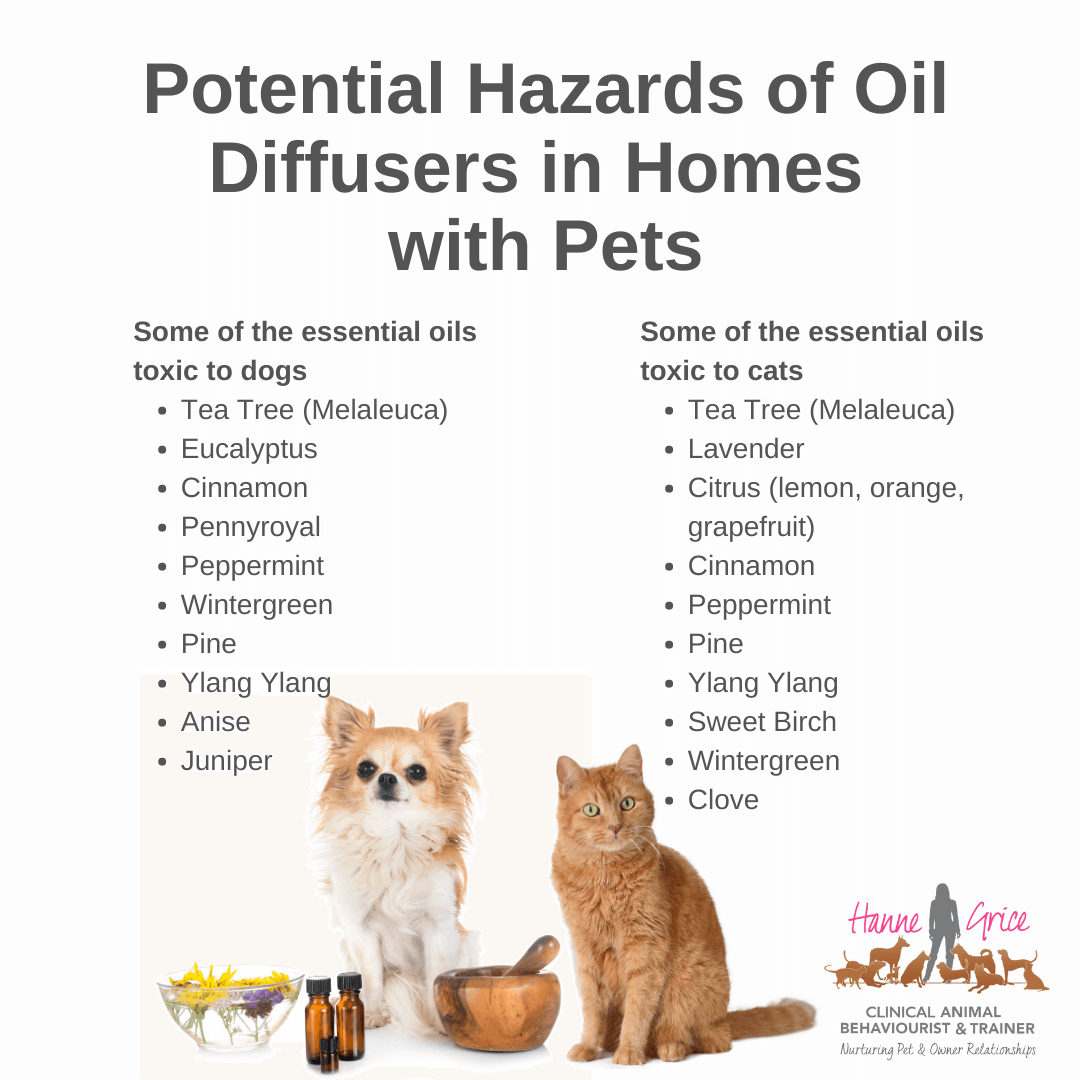
Credit: www.hannegrice.com
Alternative Solutions
Certain essential oils can harm cats, including tea tree, eucalyptus, and peppermint. These oils may cause allergies or severe health issues. Pet owners should consult veterinarians before using essential oils around cats to ensure safety.
When you’re a cat owner, ensuring your feline friend’s safety is your top priority. While essential oils can be beneficial for humans, they aren’t always safe for cats. This doesn’t mean you have to give up on fragrant homes or natural remedies altogether. Thankfully, there are alternative solutions that allow you to enjoy aromatic benefits without compromising your cat’s health.Safe Alternatives
Choose essential oils specifically labeled as safe for pets. These products have been formulated with lower concentrations and safer ingredients. Additionally, consider using diffusers that allow you to control the intensity and duration of the scent. Always ensure your cat can leave the room if they find the aroma overwhelming. Have you ever considered using scents from natural sources? Fresh flowers or herbs can often provide a pleasant aroma without any risk to your pet.Natural Remedies
Natural remedies can offer a gentle approach to maintaining a pleasant environment. Instead of essential oils, use baking soda to absorb odors in your home. Vinegar is another option for cleaning and deodorizing spaces where your cat frequents. It’s effective and safe, ensuring your pet isn’t exposed to harmful chemicals. Do you have a green thumb? Growing cat-friendly plants like catnip or wheatgrass can be both a decorative and aromatic addition to your home. Not only do they enhance your living space, but they also provide a safe environment for your cat to explore. Think about how these simple swaps can make your home a haven for both you and your cat. What other natural solutions have you tried or heard about? Sharing knowledge helps everyone make informed choices for their furry friends.
Credit: www.pinterest.com
Frequently Asked Questions
What Essential Oil Is Toxic To Cats?
Several essential oils are toxic to cats, including tea tree, eucalyptus, lavender, and citrus oils. These can cause severe health issues. Always keep essential oils out of reach and consult a vet before use. Avoid using essential oils around cats to ensure their safety and well-being.
What Happens If My Cat Smells Peppermint Oil?
Cats may experience irritation or discomfort if they smell peppermint oil. It can affect their respiratory system. Avoid using it near your cat to prevent potential health issues. If your cat shows any signs of distress, consult a veterinarian immediately for advice and treatment.
What Happens If You Diffuse Essential Oils Around Cats?
Diffusing essential oils near cats can be harmful. Cats may experience respiratory issues or skin irritations. Avoid using oils like tea tree, eucalyptus, and citrus. Keep diffusers out of reach and ensure proper ventilation. Always consult a veterinarian for safe usage around pets.
What Oil Is Safe To Put On Cats?
Use coconut oil, olive oil, or fish oil for cats. They are safe in small amounts. Always consult your vet before introducing any new oil to your cat’s diet. These oils can support skin health and improve coat condition. Avoid essential oils as they can be toxic to cats.
Conclusion
Essential oils can harm cats. Some are more dangerous than others. Always research before using any oil around pets. Lavender, eucalyptus, and peppermint can cause issues. Cats have sensitive systems. Their livers can’t process certain substances. Even small amounts can be toxic.
Watch for signs of discomfort or illness. Consult a vet if unsure. Keeping your cat safe is crucial. Use pet-safe alternatives. Prioritize their health and well-being. Knowing which oils to avoid helps protect your furry friend. Stay informed and cautious.
Your cat’s safety matters most.

Similar Posts