Should Kittens Eat Cat Food: Essential Feeding Guide
Are you a new kitten parent wondering if your tiny furball should dive into a bowl of cat food? You’re not alone.
Many pet owners find themselves puzzled by this seemingly simple question. After all, feeding your kitten the right food is crucial for their growth, health, and overall happiness. But here’s where it gets interesting: what you feed them now can shape their habits and wellbeing for life.
So, is cat food the right choice for your kitten? Or are there better options to fuel their playful antics and adorable mischief? Stick around as we uncover the surprising truth about feeding your kitten and help you make the best choice for your furry friend. Your kitten’s future depends on it!
Credit: greensafaris.com
Nutritional Needs Of Kittens
Kittens require special nutrition to support their growth. They should eat kitten-specific food, not adult cat food. These foods are rich in essential nutrients, helping kittens develop strong bones and muscles.
Understanding the nutritional needs of kittens is crucial for their health and happiness. Just like human babies, kittens require specific nutrients to grow strong and healthy. Feeding them the right kind of food can make a significant difference in their development. But what does this mean for your little furball? Let’s break it down.Growth And Development
Kittens are in a rapid growth phase. Their tiny bodies are developing bones, muscles, and organs at an astonishing rate. This period is crucial; the right nutrients can support their development effectively. A kitten’s food should be rich in proteins and fats. These components help in building strong muscles and providing energy for their playful nature. Consider how your kitten’s energy levels spike after a meal. This is a sign that they are getting the fuel they need to explore and learn about their environment.Caloric Requirements
Kittens require more calories than adult cats. It might surprise you, but a kitten’s caloric needs are about twice that of an adult cat. This is because they are not just maintaining their body, they are building it. If you’ve ever noticed how quickly your kitten finishes their food, it’s because they are burning through calories rapidly. Providing meals that are calorie-dense ensures they have the energy for both rest and play. Are you feeding your kitten the right amount? Monitoring their growth and weight can give you clues. If they seem sluggish or are not growing as expected, it might be time to reassess their diet. Remember, what you feed your kitten now can impact their health long-term. By understanding their nutritional needs, you can help ensure they grow into healthy, happy adult cats. Have you checked your kitten’s diet lately? It might be time for a closer look.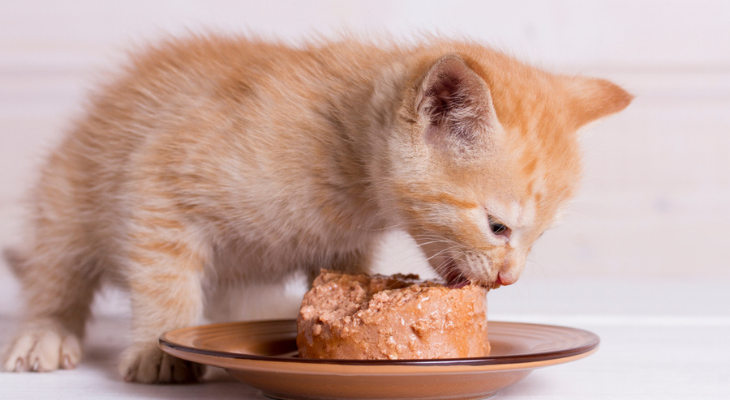
Credit: www.brownvet.com
Differences Between Kitten And Adult Cat Food
Choosing the right food for your kitten is crucial for their growth and development. Kitten food differs significantly from adult cat food, as it caters specifically to the needs of young cats. Understanding these differences helps you make informed decisions for your pet’s diet. Let’s dive into the specifics of what sets kitten and adult cat food apart.
Protein Content
Kitten food is designed with higher protein levels than adult cat food. This is because kittens are in a rapid growth phase, requiring more protein to build strong muscles and tissues. Adult cats, having completed their growth, need less protein. This distinction is essential for supporting the energetic adventures of your playful kitten.
Consider this: would you feed a child the same portions as an adult? Just like humans, kittens have unique dietary needs. Ensuring your kitten gets the right amount of protein can make a world of difference in their development.
Fat Levels
Fat is another critical component that varies between kitten and adult cat food. Kittens require higher fat content to support their active lifestyle and energy demands. Fat provides essential fatty acids, crucial for brain development and overall health.
Adult cats, on the other hand, need lower fat levels to maintain a healthy weight. Providing your kitten with the right fat balance not only fuels their playful nature but also contributes to their cognitive growth.
Vitamins And Minerals
Kitten food is enriched with vitamins and minerals tailored for growth. Calcium, phosphorus, and other nutrients are vital for developing bones and teeth. Adult cat food focuses on maintenance rather than growth.
Your kitten’s thriving health depends on these vitamins and minerals. Would you want them to miss out on nutrients that build strong bones and support their playful antics? Ensuring they receive the right balance is key to nurturing a healthy adult cat.
As you make dietary choices for your kitten, consider these differences. They highlight the importance of feeding your furry friend food that supports their unique growth stage. What changes have you noticed in your kitten’s behavior when switching to age-appropriate food? Your observations could be invaluable for others navigating this journey.
Types Of Kitten Food
Choosing the right food for your kitten can feel like a big decision. You want to give them the best start in life, and nutrition is key. Whether you’re a first-time pet owner or have raised kittens before, understanding the types of kitten food available can help you make informed choices. Let’s break it down.
Wet Vs. Dry Food
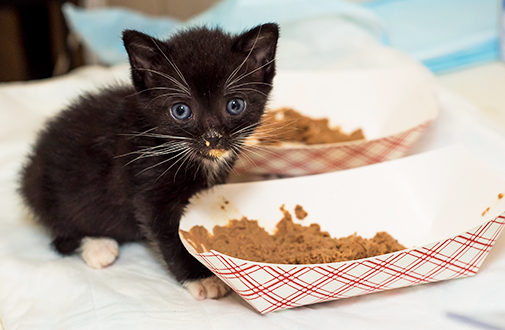
Wet food is often favored for kittens due to its high moisture content, which keeps them hydrated. It can be more palatable and easier for them to chew, especially during teething.
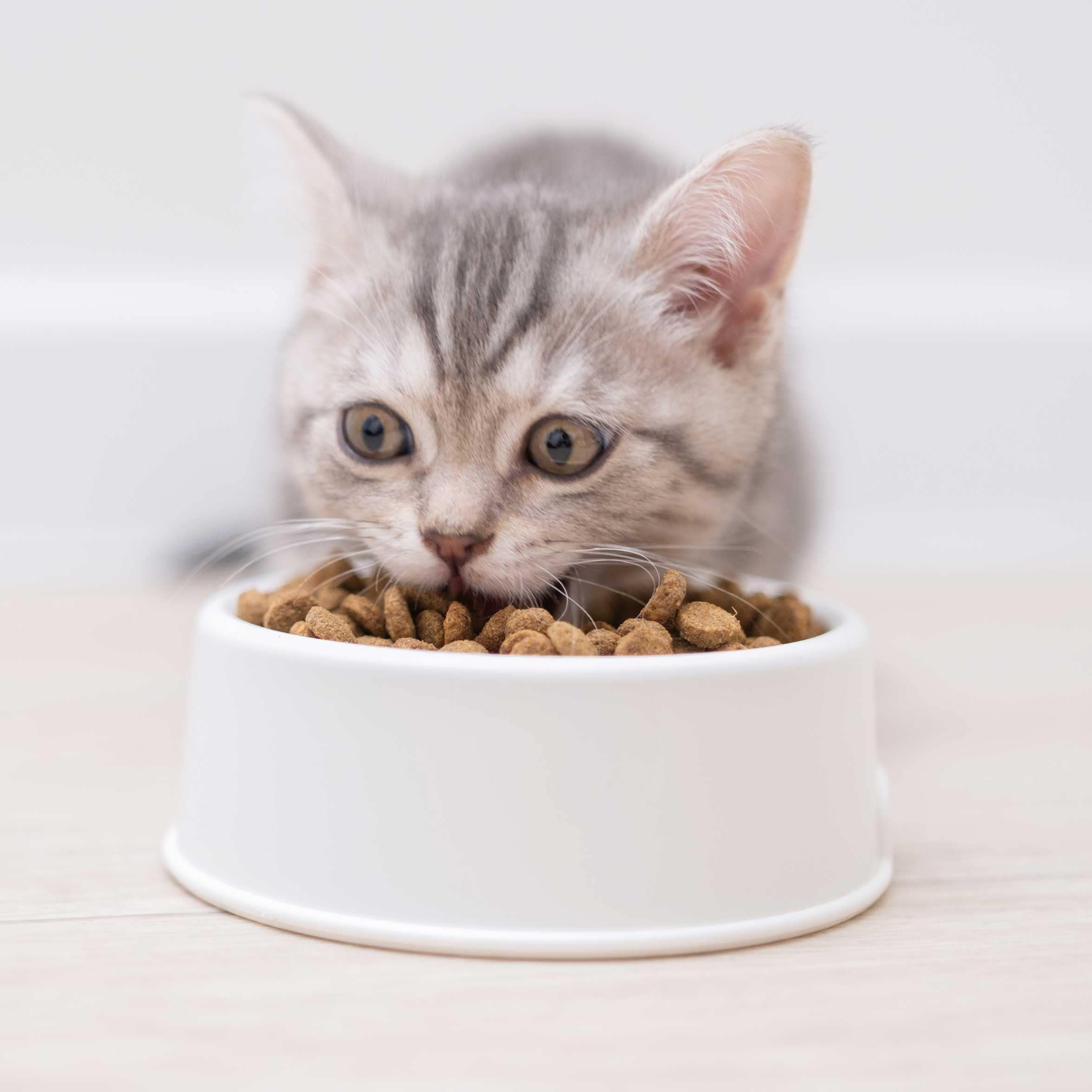
However, dry food has its advantages, like convenience and shelf stability. It can be left out for your kitten to nibble on throughout the day, which is great if you’re not always home.
Some experts recommend a mix of both to balance hydration and dental health. Have you noticed your kitten’s preferences? Sometimes they surprise you!
Homemade Options
Making food at home can be an appealing option for many. You control the ingredients, ensuring quality and freshness. It’s a way to avoid preservatives and additives.
Cooking for your kitten allows you to tailor meals to their specific needs and tastes. Yet, it requires time and dedication. Are you ready for that commitment?
Consulting a vet can be crucial if you opt for homemade meals. They can guide you on essential nutrients your kitten needs for growth and development.
Which path will you choose for your kitten’s meals? Balancing convenience, health, and your lifestyle is the key.
Transitioning To Adult Cat Food
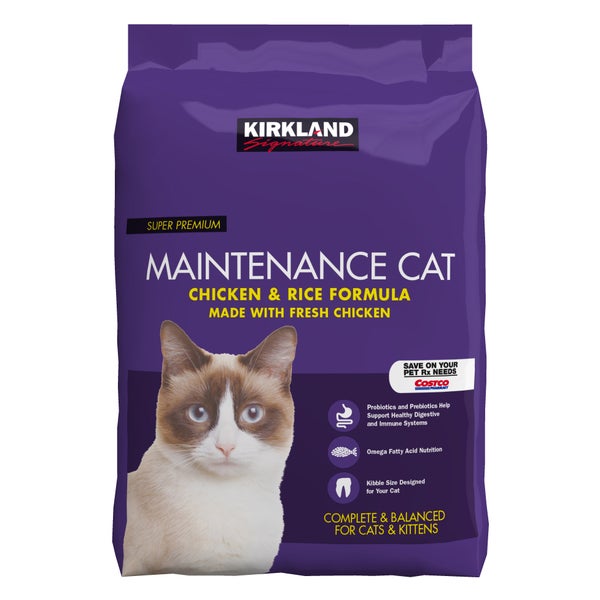
Kittens need special food for growth and energy. Adult cat food lacks essential nutrients for their development. Transition to adult food only when they reach one year.
Transitioning your kitten to adult cat food is an important milestone. This change marks their growth from playful kittens into mature cats. As they develop, their nutritional needs evolve. But how do you ensure this transition is smooth and beneficial for your furry friend?Age And Timing
Knowing when to make the switch is crucial. Kittens usually start transitioning to adult cat food around 12 months old. At this age, their bodies are ready for a diet tailored to adult cats. Consider their activity levels. If your kitten is extremely active, you might want to wait a bit longer. Monitor their weight and overall health closely.Gradual Introduction
A sudden change in diet can upset your kitten’s stomach. Begin by mixing a small amount of adult cat food with their current kitten food. Increase the adult food gradually over a week or two. Observe their reaction. Does your kitten seem to enjoy the new food? Are they experiencing any digestive issues? Your kitten’s feedback is vital. Think of it as a culinary adventure for your kitten. As you introduce new flavors, watch how they respond. This transition is an opportunity to learn more about their preferences. Have you ever been surprised by your kitten’s reaction to certain foods? Share your experience and insights.Potential Risks Of Feeding Adult Cat Food
Feeding kittens adult cat food can pose health risks. Adult food lacks essential nutrients needed for kitten growth. Kittens need specific proteins and vitamins to develop properly.
Feeding your kitten adult cat food might seem convenient, but it can lead to potential risks. As a kitten owner, you want to ensure your furry friend is getting the right nutrients to grow strong and healthy. Adult cat food lacks some vital ingredients crucial for your kitten’s development. Let’s dive into the specific risks associated with this choice.Nutritional Deficiencies
Kittens have unique dietary needs that differ significantly from adult cats. They require more protein, fat, and certain vitamins and minerals to support their rapid growth and energy levels. Adult cat food often lacks sufficient amounts of these essential nutrients. Imagine trying to fuel a growing child with the diet of an adult. It simply wouldn’t work. Your kitten needs tailored nutrition to thrive. Feeding them adult cat food can result in deficiencies that may hinder their growth and development.Digestive Issues
Kittens have sensitive digestive systems that are still maturing. Adult cat food can be too hard on their tummies, leading to digestive issues like diarrhea and vomiting. These unpleasant experiences can be distressing for both you and your kitten. You might recall a time you tried a new food and felt queasy afterwards. Imagine that discomfort for your kitten if the food is too rich or dense for their system. Ensuring they eat food formulated for kittens can help avoid these issues. As you consider what to feed your kitten, reflect on their unique needs. Are you providing the right nutrients for their growth? Taking the time to choose appropriate food can make all the difference in their health and happiness. Your kitten relies on you for proper care, and making informed decisions about their diet is key.:max_bytes(150000):strip_icc()/kitten-6-weeks-145561913-2000-d72330d398054c918a52cee93ad6bdc9.jpg)
Credit: www.dailypaws.com
Selecting The Right Food For Kittens
Choosing the right food is crucial for kitten growth. Kittens need special food, not adult cat food. It provides essential nutrients for their development.
Choosing the right food for your kitten is crucial for their growth and development. Kittens have unique nutritional needs that differ from adult cats. You might wonder, “Can kittens eat cat food?” While they can, it’s not ideal. Kittens require more protein, fats, and certain nutrients to support their energy levels and growing bodies. Providing them with kitten-specific food ensures they receive the necessary nourishment. But how do you go about selecting the right food? Let’s dive into some practical steps.Reading Labels
When selecting food for your kitten, reading labels is key. Look for products specifically labeled for kittens, as these are formulated with the right balance of nutrients. Check the ingredients list for high-quality proteins like chicken or fish as the primary ingredient. Avoid foods with fillers like corn or soy. Also, ensure that taurine, an essential amino acid for cats, is included. The Association of American Feed Control Officials (AAFCO) statement on the packaging can assure you that the food meets nutritional standards.Consulting A Veterinarian
Consulting a veterinarian can help you make informed decisions about your kitten’s diet. A vet can provide tailored advice based on your kitten’s breed, weight, and health conditions. They might recommend specific brands or types of food that best suit your kitten’s needs. Don’t hesitate to ask questions or express concerns about your kitten’s diet during these consultations. Your vet can also advise you on how to transition your kitten from milk to solid food smoothly. Have you ever thought about how your kitten’s diet impacts their long-term health? Proper nutrition now can prevent health issues later. Taking the time to choose the right food is an investment in your kitten’s future well-being. By being proactive, you ensure they have the best start in life.Common Feeding Mistakes
Feeding kittens adult cat food can lead to nutritional imbalances. Kittens need specific nutrients for growth and development. Always ensure they receive a diet formulated for their age to support their health.
Feeding kittens is a critical part of their growth and development, but it’s easy to make mistakes that could impact their health. Understanding common feeding mistakes can help you make better choices. Let’s explore some pitfalls you might encounter when feeding your furry little friend.Overfeeding
Overfeeding is one of the most common mistakes kitten owners make. It’s tempting to offer them more food, especially when they seem endlessly hungry, but this can lead to obesity and health issues. Kittens need a balanced diet, not an overflowing bowl. Consider portion sizes carefully and stick to the recommended amounts. Use a measuring cup to ensure you’re not overdoing it. Remember, a healthy kitten is more active and happier.Ignoring Special Needs
Every kitten is unique, and some have specific dietary needs. Ignoring these can lead to nutritional deficiencies or health problems. Have you noticed your kitten having digestive issues or a dull coat? These could be signs of an unsuitable diet. Consult your vet to understand if your kitten requires a special diet. They may need food tailored to their breed, age, or health conditions. Pay attention to their reactions to food and adjust as needed. Feeding your kitten properly is more than just filling a bowl. It’s about understanding their needs and avoiding common mistakes. How will you ensure your kitten is getting the right nutrition?Feeding Schedule For Kittens
Feeding kittens requires care and attention. Their tiny bodies grow fast. A proper schedule ensures they get nutrition. Kittens have different needs than adult cats. Understanding their feeding schedule helps them thrive. Start with a balanced diet. Adjust it as they grow. Nutrition impacts their health and development.
Frequency
Kittens need frequent meals. Their small stomachs digest food quickly. Feed them four times a day. This keeps their energy levels stable. Regular meals aid growth and development. As they age, reduce meal frequency. Adult cats eat twice a day. Monitor their eating habits closely.
Portion Size
Portion sizes are crucial for kitten health. Serve small amounts at each meal. This prevents overeating and obesity. Use the guide on cat food packages. Adjust portions based on kitten weight. Regularly check their growth. Healthy kittens gain weight steadily. Consult a vet for portion advice.
Frequently Asked Questions
Is It Okay For Kittens To Eat Regular Cat Food?
Kittens need specially formulated kitten food for proper growth. Regular cat food lacks essential nutrients for kittens. Ensure they receive adequate protein and fat. Always consult a vet for specific dietary needs. Kitten food supports their energy levels and development.
Transition to adult cat food after one year.
What Age Do Kittens Need Cat Food?
Kittens need cat food at around four weeks old. They can start transitioning from mother’s milk to wet kitten food. By eight to ten weeks, they should be fully eating kitten food. Ensure the food is specifically formulated for kittens to support their growth and development.
Can Kittens Eat Regular Cat Food?
Kittens have different nutritional needs than adult cats. Regular cat food may not provide the essential nutrients they require for growth. It’s best to feed them specially formulated kitten food. This food supports their development and ensures they receive adequate protein, fat, and vitamins.
At What Age Can Kittens Eat Cat Food?
Kittens can start transitioning to cat food around 9-12 months of age. Before this, they need kitten-specific food for proper growth. Kitten food contains higher protein and fat levels essential for their development. Consult your veterinarian for personalized feeding advice based on your kitten’s specific needs.
Conclusion
Choosing the right food for kittens is crucial. Their tiny bodies need specific nutrients. Kitten food provides these essentials. It’s designed for growth and energy. Adult cat food lacks these key elements. Feeding kittens adult food can slow their development.
Proper nutrition helps them grow strong and healthy. Consult your vet for the best advice. They can recommend suitable brands and portions. Remember, a kitten’s health starts with proper feeding. Invest in their future. Give them the nutrition they need.
Your little friend will thank you with purrs and cuddles.