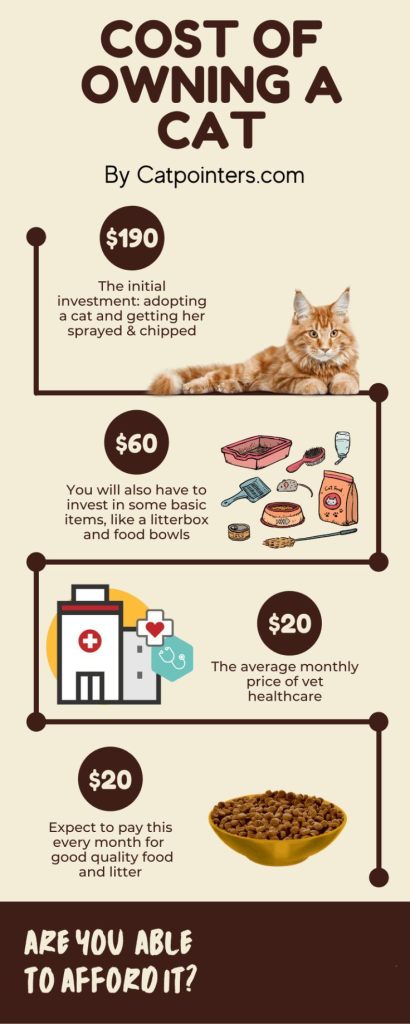
Curious about how much you’re spending on your feline friend’s meals? You’re not alone.
As a cat owner, you want to ensure your pet is getting nutritious food without breaking the bank. But with so many options available, figuring out the true cost of cat food can be overwhelming. We’ll break down the expenses, giving you a clear idea of what to expect.
From budget-friendly choices to premium options, we’ve got you covered. Keep reading to discover how to balance quality with cost and make the best decision for your kitty and your wallet.
Factors Influencing Cat Food Prices
Understanding the cost of cat food can be tricky. Various factors influence the price. These factors often dictate how much you’ll spend on feeding your feline friend. Let’s explore some of the key elements affecting cat food prices.
Brand Reputation
Brand reputation plays a big role in cat food pricing. Well-known brands often charge more. They invest heavily in quality and safety. Customers trust these brands for their reliability. Lesser-known brands might offer cheaper options. But they might lack the same level of assurance.
Ingredients Quality
Ingredients quality significantly impacts cat food costs. Premium ingredients mean higher prices. Organic or grain-free options tend to be more expensive. High-quality protein sources also elevate the cost. Cheaper cat foods might contain fillers. These fillers provide less nutritional value.
Packaging And Marketing
Packaging and marketing also influence cat food prices. Attractive packaging can increase costs. Brands spend on eye-catching designs to attract buyers. Marketing campaigns add to the final price. These campaigns help brands reach a wider audience. The costs are often passed on to consumers.

Credit: www.rover.com
Types Of Cat Food
Varieties in cat food include dry kibble, wet canned meals, and raw diets. Costs vary widely, with dry food often cheaper, but wet food can be pricier due to higher moisture content. Raw diets are typically the most expensive, reflecting the fresh ingredients involved.
Choosing the right cat food is crucial for your feline friend’s health and happiness. The options can be overwhelming, with varieties ranging from dry kibble to premium specialty choices. How do you decide which one suits your pet best and fits your budget? Let’s break down the types of cat food to help you make a smart choice.Dry Cat Food
Dry cat food, or kibble, is a popular choice for many cat owners. It’s convenient and often more affordable than other options. You can leave it out without worrying about spoilage. Kibble can be a great option for cats who like to graze throughout the day. Plus, it’s handy for busy households. But remember, hydration matters. Always ensure your cat has access to fresh water, as dry food lacks moisture.Wet Cat Food
Wet cat food offers higher moisture content, which is great for cats who need extra hydration. It often comes in cans or pouches and can be more appetizing for picky eaters. If your cat struggles with urinary issues, wet food can be beneficial. It might be pricier than dry food, but it’s worth considering if your cat prefers it. This option can also help you manage your cat’s weight more effectively.Premium And Specialty Options
Premium and specialty cat foods cater to specific needs. They might be formulated for cats with allergies or dietary sensitivities. These foods can offer high-quality ingredients and might be organic or grain-free. Consider these options if your cat has unique health requirements. Though they are often more expensive, they may provide peace of mind regarding your pet’s health. Would you pay more for better quality and tailored nutrition for your beloved cat? Ultimately, the type of cat food you choose can affect your cat’s health and your wallet. Balancing cost with quality and your cat’s preferences is key. What’s your experience with different types of cat food? Have you found a particular type that works best for you and your furry friend?Average Costs Of Cat Food
Caring for a cat comes with many responsibilities, including feeding them. Cat food costs can vary based on several factors. Understanding these costs can help in budgeting for your furry friend. Let’s explore the average costs of cat food.
Cost Of Dry Food
Dry cat food is often more affordable than other types. A standard bag of dry food typically costs between $10 and $30. The price depends on the brand and bag size. Some premium brands may cost more. Dry food is convenient and has a long shelf life. It is a popular choice for many cat owners.
Cost Of Wet Food
Wet food usually comes in cans or pouches. It tends to be pricier than dry food. Expect to pay around $1 to $3 per can. A month’s supply can add up quickly. Wet food often contains more moisture. This makes it appealing to some cats. Its rich texture and flavor are a treat for many felines.
Cost Of Specialty Diets
Specialty diets cater to cats with specific needs. These can include grain-free, organic, or prescription diets. Such diets often cost more. Prices can range from $20 to $60 for a small bag or a pack. These foods are crafted for health and wellness. They can be essential for cats with allergies or health issues.
Credit: muttsandco.com
Budgeting For Cat Food
Managing expenses is crucial, especially for pet owners. Cat food is a recurring cost. Knowing how to budget for it helps maintain financial health. A well-planned budget ensures your cat gets nutritious meals. Let’s explore how to allocate funds effectively.
Monthly Budget Estimates
Cat food costs vary widely. On average, a small bag of dry food costs $10-$20. Wet food might cost $30-$60 monthly. Higher-quality brands can exceed $100. Consider your cat’s dietary needs. Special diets might increase expenses. Calculate monthly expenses based on feeding habits.
Cost-saving Tips
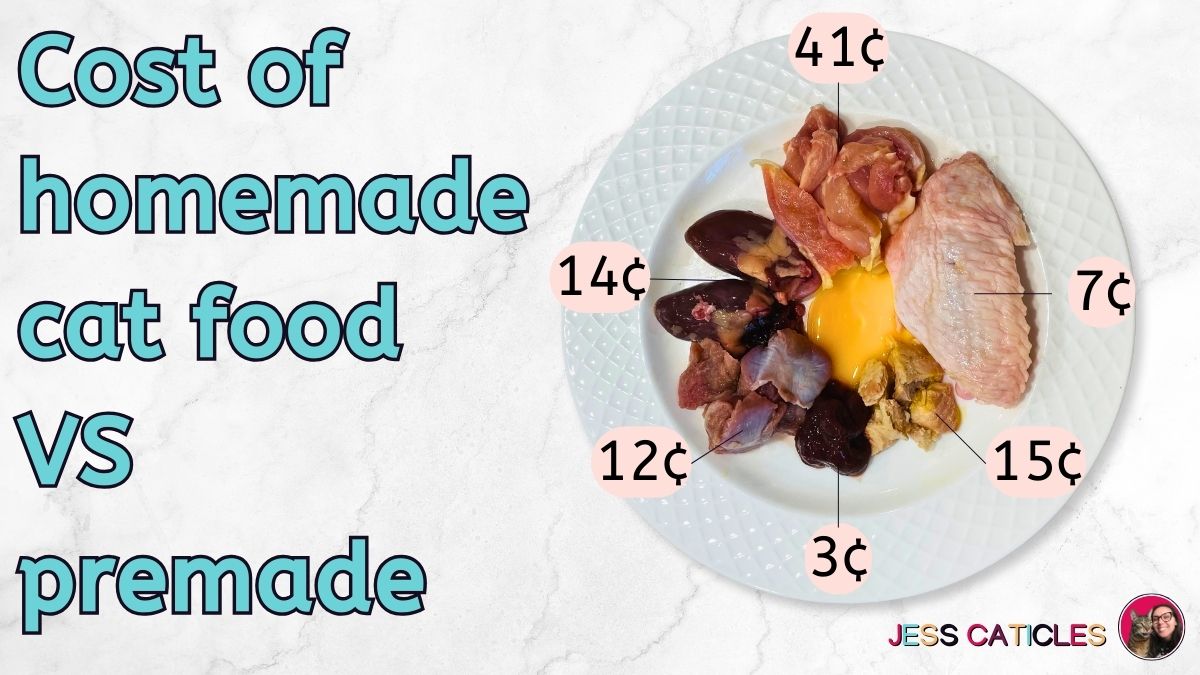
Several strategies can reduce costs. Compare prices at different stores. Some offer discounts or loyalty programs. Coupons are useful. Check online platforms for deals. Homemade meals may save money. Ensure recipes meet nutritional requirements. Avoid buying unnecessary items. Stick to the essentials.
Buying In Bulk
Buying in bulk often reduces unit costs. Stores offer discounts on larger quantities. This strategy requires initial investment. Ensure storage space is adequate. Proper storage prevents spoilage. Bulk purchases are ideal for dry food. Wet food may have shorter shelf life. Evaluate savings against potential waste.
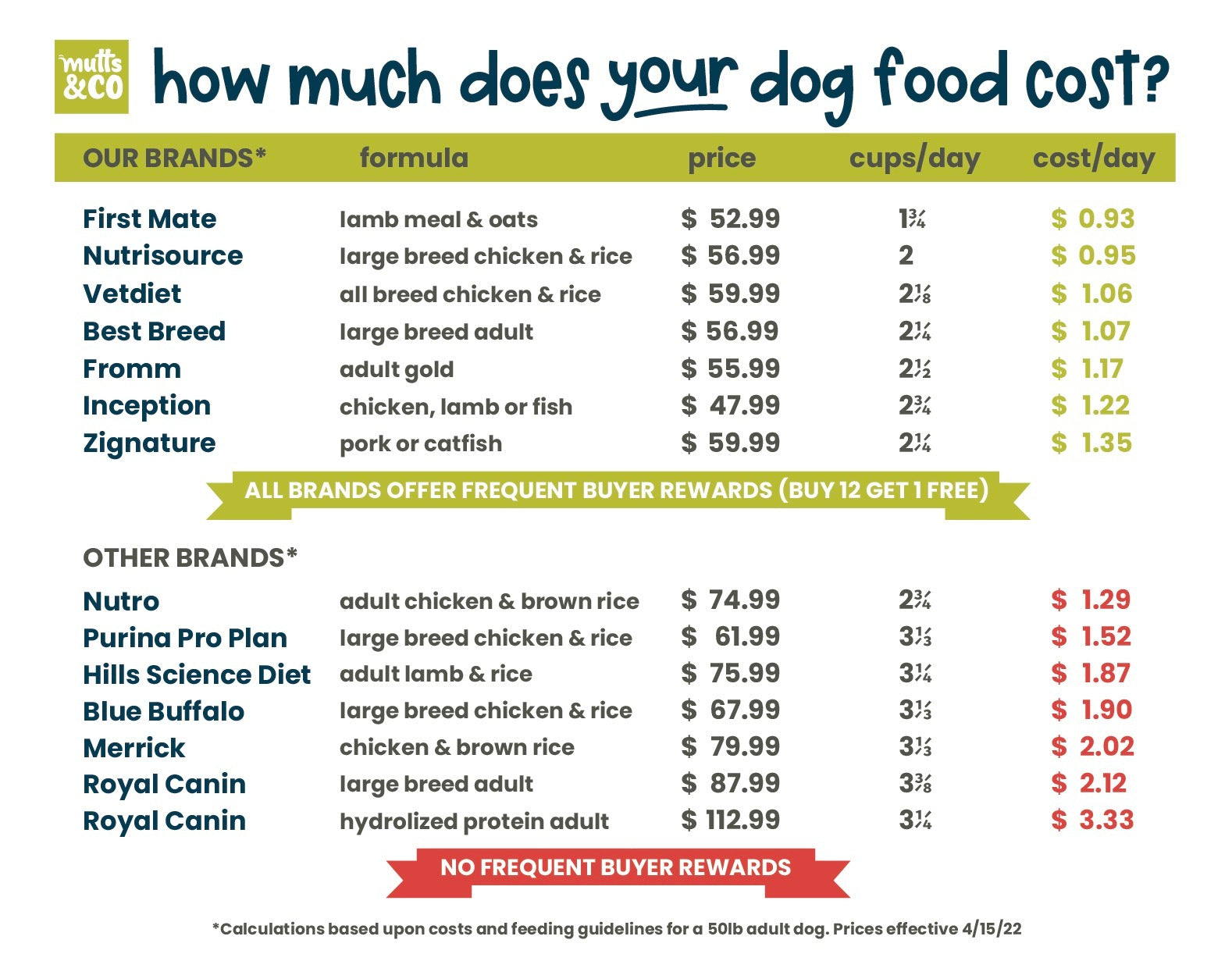
Comparing Brands And Prices
Understanding the cost of cat food is vital for pet owners. Different brands offer varying prices and qualities. Comparing these brands helps in making informed choices. This section explores popular cat food brands and their pricing strategies. It also examines how price relates to quality.
Popular Brands Analysis
Several brands dominate the cat food market. Purina is well-known for affordable options. Their products suit everyday budgets. Hill’s Science Diet offers premium formulas. They focus on health benefits and specific dietary needs. Royal Canin targets breed-specific nutrition. Their products often have higher price tags. Fancy Feast provides gourmet meals for cats. They blend taste with moderate pricing. Each brand caters to different preferences and budgets.
Price Vs. Quality
Price doesn’t always equal quality. Some expensive brands offer high-quality ingredients. They may improve your cat’s health and happiness. Cheaper brands can also provide good nutrition. They often use basic ingredients but meet dietary needs. Reading labels helps in understanding value. Check for protein sources and additives. Consider your cat’s specific health needs. Balance cost with nutritional benefits for best results.
Credit: caticles.com
Impact Of Cat’s Health On Food Cost
Healthy cats often require less expensive food, as they need fewer specialized diets. Illness or allergies can increase costs significantly. Regular vet check-ups help manage these expenses by maintaining your cat’s health.
When thinking about how much you spend on cat food, your cat’s health plays a big role. A cat’s age, health conditions, and unique dietary needs can significantly affect the cost of their food. As a cat owner, understanding these factors can help you budget better while ensuring your feline friend gets the nutrition they need.Age And Dietary Needs
Kittens have different dietary needs compared to adult or senior cats. Young cats often require more calories and specific nutrients to support their rapid growth and development. Kitten food tends to be more expensive due to its enriched formula, packed with essential vitamins and minerals. As your cat ages, their dietary requirements change. Adult cats might need maintenance diets, while senior cats often require food that supports joint health and kidney function. This can mean transitioning to more specialized, and sometimes pricier, options. Have you noticed how your cat’s appetite and energy levels shift as they age?Health Conditions And Special Diets
If your cat has specific health conditions, like diabetes or urinary tract issues, this can dramatically affect your cat food bill. Prescription diets, which are often recommended by veterinarians for certain health problems, usually come at a higher cost. My neighbor’s cat developed a urinary condition and had to switch to a prescription diet, which nearly doubled their food expenses. Even food allergies or intolerances can impact costs. Cats with sensitivities might require hypoallergenic or grain-free diets, which tend to be more expensive than regular cat food. Have you ever had to adjust your cat’s diet due to allergies or health concerns? Ultimately, understanding your cat’s unique health needs can help you make informed choices about their diet. Investing in the right food not only supports their well-being but can also save you on potential vet bills in the future. So, how much are you willing to invest in your cat’s health through their diet?Where To Buy Cat Food
Cat food prices vary based on brand and quality. Grocery stores and pet shops offer affordable options. Specialty pet stores might charge more for premium brands.
Finding the right place to buy cat food is crucial not only for your budget but also for your feline friend’s health. Different outlets offer varying benefits, from cost savings to convenience. Let’s explore the options available to you, so you can make the most informed choice.Local Pet Stores
Local pet stores are often a convenient option for purchasing cat food. They offer a personal shopping experience where you can ask questions and get advice from store employees. Many local stores also stock specialty brands that may not be available online. Shopping locally allows you to support small businesses in your community. You might even find exclusive in-store deals or loyalty programs that can save you money over time. If you enjoy instant gratification, you’ll love walking out with your purchase immediately.Online Retailers
Online retailers provide a vast selection of cat food brands and types, often at competitive prices. Websites like Amazon or Chewy offer user reviews, helping you make informed decisions. Plus, with the convenience of home delivery, you save time and effort. Keep an eye out for online sales, discounts, and bulk-buying options that can reduce the overall cost. However, be mindful of shipping fees, which can sometimes offset any savings. Is the ease of online shopping worth the wait for delivery? That’s a question only you can answer.Subscription Services
Subscription services take convenience to the next level. These services automatically deliver cat food to your door at regular intervals, ensuring you never run out. Companies often offer discounts for subscribing, making it a cost-effective option for the long term. Imagine not having to remember to buy cat food every month—sounds stress-free, right? Some services even allow customization based on your cat’s dietary needs, offering a tailored feeding solution. Evaluate if the subscription model aligns with your lifestyle and budget. Each option has its pros and cons. Which one fits your needs and your cat’s preferences?Frequently Asked Questions
How Much Is Cat Food A Month On Average?
Cat food costs vary by brand and size. On average, it ranges from $20 to $60 monthly. Factors like premium brands or special dietary needs can increase costs. Always compare prices and consider bulk purchases for savings.
How Much Is A Normal Amount Of Food For A Cat?
Cats typically need about 24-35 calories per pound daily. This translates to roughly 1/3 to 1/2 cup of dry food or 3 ounces of wet food. Adjust based on your cat’s age, size, and activity level. Always consult your vet for personalized advice.
What Is The Average Cost Of Owning A Cat?
Owning a cat typically costs $500 to $1,500 annually. Expenses include food, litter, vet visits, and toys. Budgeting is essential to cover unexpected medical costs. Costs can vary based on location, cat breed, and lifestyle choices. Regular care ensures a happy, healthy feline friend.
How Much Does A Month Supply Of Cat Food Cost?
A month’s supply of cat food typically costs between $20 to $100. Prices vary based on brand, type, and quality. Wet food is generally more expensive than dry food. Bulk buying and subscription services can offer savings. Always ensure your cat’s nutritional needs are met within your budget.
Conclusion
Finding the right cat food is essential. Costs can vary widely. Quality and brand influence prices. Consider your cat’s needs. Look at the ingredients. Premium options often cost more. Budget-friendly choices are available too. Shop around for deals. Compare prices at different stores.
Online shopping might save money. Pay attention to sales and discounts. Balance cost with nutritional value. Your cat’s health matters most. Choose wisely for your furry friend. A little research helps in decision-making. Make sure to get value for your money.
Keep your pet happy and healthy.