How to Get Cats from Scratching Furniture: Proven Tips
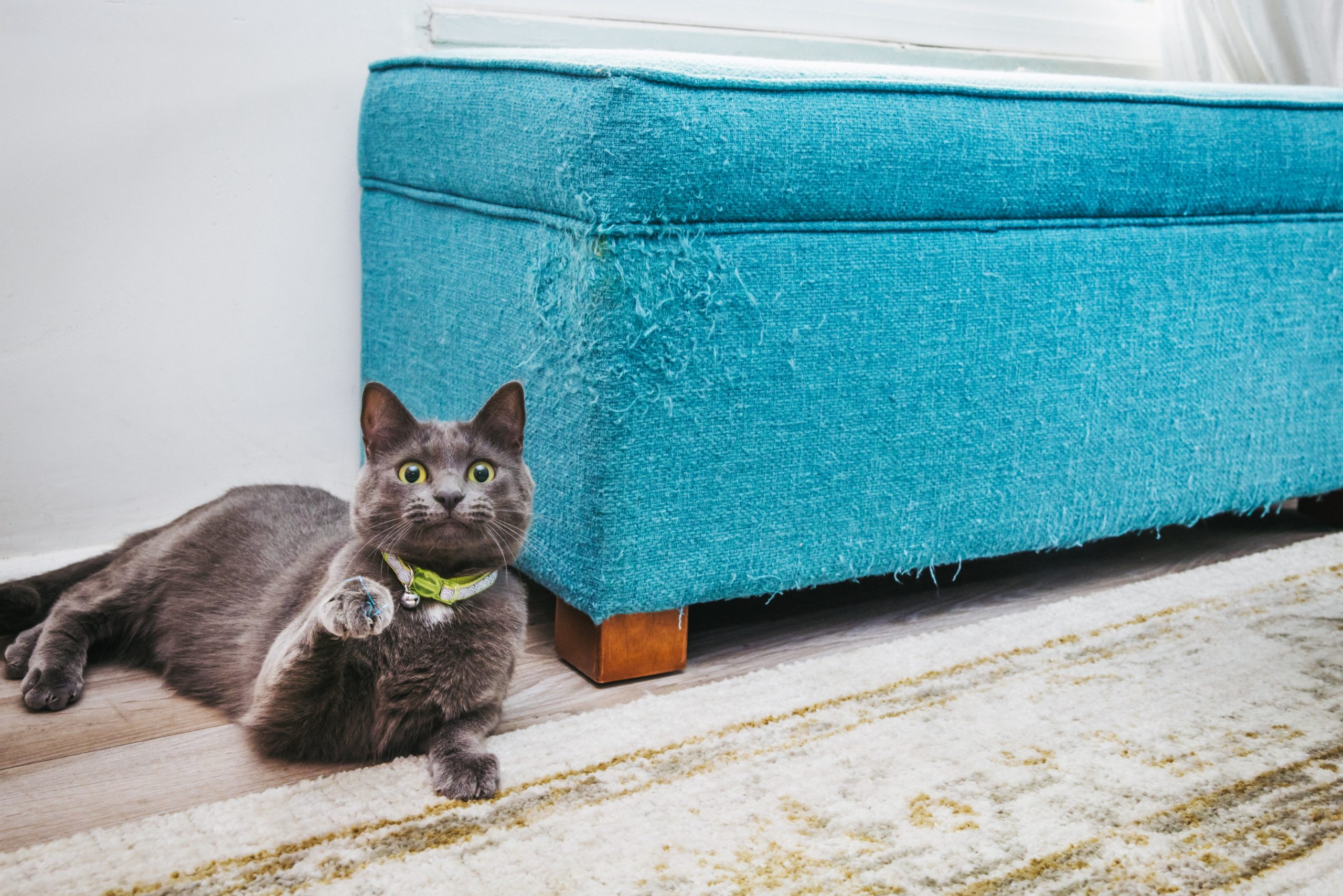
Are you tired of watching your beautiful furniture fall victim to your cat’s relentless scratching? You’re not alone.
Many cat owners face the same frustrating battle, wondering if there’s a way to save their beloved couches and chairs from those tiny, destructive claws. The good news is, you can reclaim your living space without sacrificing your feline friend’s happiness.
Imagine a home where your sofa remains scratch-free, and your cat still feels content and satisfied. We’ll reveal simple, effective strategies that will not only protect your furniture but also keep your cat’s natural instincts happily engaged. Keep reading to discover how you can transform your home into a harmonious haven for both you and your furry companion.
Understanding Cat Behavior
Cats often scratch furniture, leaving owners puzzled and frustrated. Understanding why they do this is crucial. It helps in addressing the behavior effectively. Cats have natural instincts that drive them to scratch. These instincts are deeply rooted in their behavior.
Reasons Cats Scratch
Cats scratch for various reasons, not just to be destructive. One primary reason is to mark their territory. They have scent glands in their paws. Scratching leaves a scent mark, claiming ownership. It also helps them maintain their claws. Scratching removes dead outer layers of their claws. This keeps them sharp and healthy.
Natural Instincts
Scratching is an innate behavior for cats. In the wild, they scratch trees and other surfaces. This is a part of their natural instincts. It helps them stretch their bodies and flex their feet. Scratching also provides mental stimulation. It’s an essential activity that keeps them happy and healthy.

Credit: wb-iisg.com
Preventative Measures
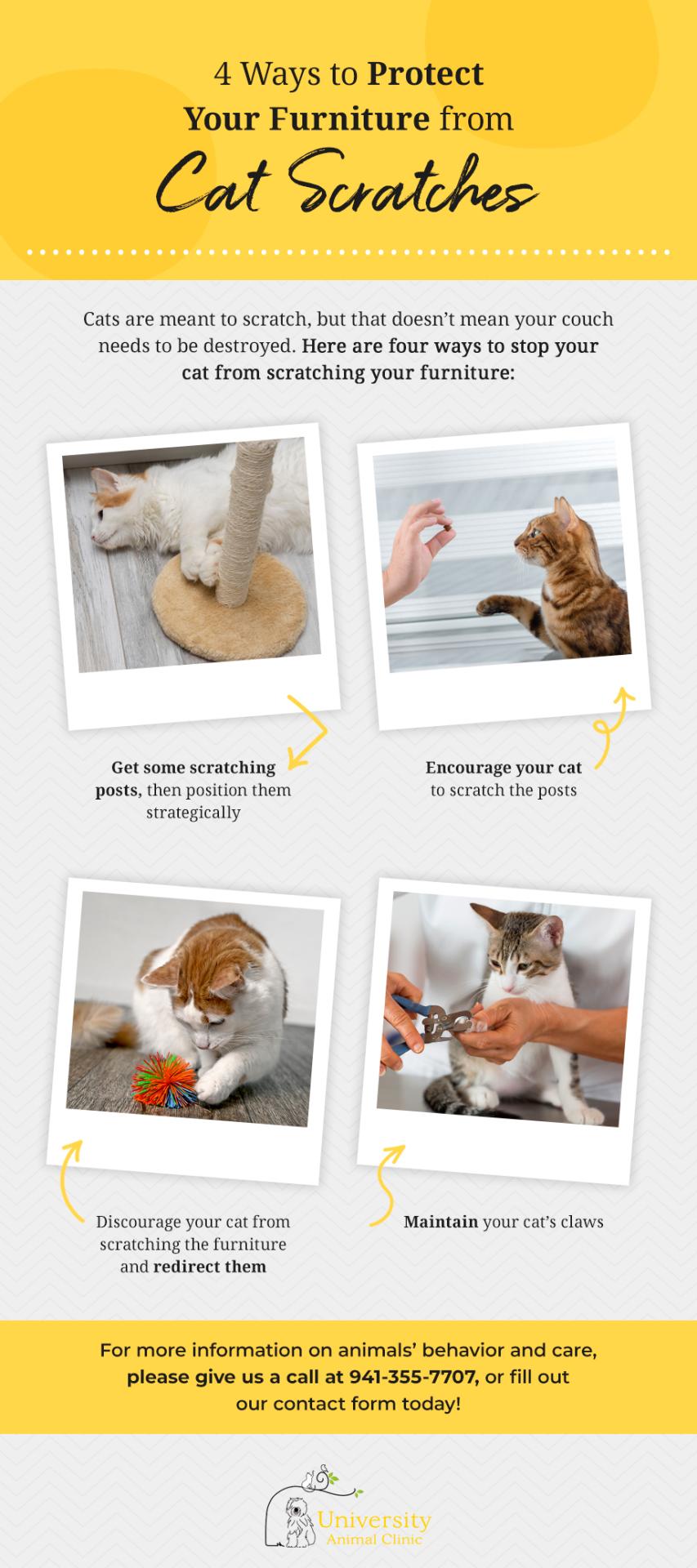
Protecting furniture from cat scratches involves using scratch posts to redirect their attention. Regularly trim their nails to minimize damage. Covering furniture with protective materials also helps maintain its condition.
Preventative measures can help keep your furniture safe from cat scratches. Cats need to scratch for health and happiness. It’s natural for them. Protecting furniture involves smart choices and solutions.Choosing Cat-friendly Furniture
Opt for furniture with materials cats dislike. Metal or glass surfaces are less appealing. Avoid furniture with loose weaves. Cats prefer these for scratching. Choose tightly woven fabrics. Leather is often a better choice. It is less attractive for claws. Consider furniture with built-in scratching posts. These can redirect your cat’s attention.Using Protective Covers
Cover furniture with protective materials. Use slipcovers made of durable fabrics. They can deter scratching. Furniture protectors are available in stores. They are easy to use. Choose covers that match your decor. This keeps your room stylish. Covers can be removed and cleaned. This maintains hygiene and appearance.Training Techniques
Cats scratching furniture can be frustrating. Training them is the key. Teach your cat positive habits. Help them learn where to scratch. Use kindness and patience. Let’s explore effective methods.
Positive Reinforcement
Reward good behavior. Praise your cat when it uses a scratching post. Give treats or affection. Encourage them to scratch the right places. Cats love rewards. They repeat actions for treats. This reinforces good habits.
Redirecting Scratching
Guide your cat’s scratching behavior. Place scratching posts near favorite furniture. Cats follow instincts. Redirect them to posts. Offer toys that attract them. Use textures they like. This changes their focus. Keep them entertained with options.

Credit: www.petmd.com
Providing Alternatives
Providing alternatives is essential to keep cats from scratching furniture. Cats naturally scratch to maintain their claws and mark territory. Offering them different choices can satisfy these needs without harming your couch. It’s about redirecting their energy to safe places.
Selecting Scratching Posts
Choose the right scratching post for your cat’s preferences. Look for posts that are tall enough for a full stretch. Sturdy posts prevent tipping over during use. Materials like sisal are popular and durable. Consider different textures and shapes to find what your cat loves.
Diy Scratching Solutions
Create homemade scratching options with simple materials. Cardboard boxes make great scratching surfaces. Use carpet remnants for easy DIY scratch mats. Secure materials well to prevent movement during use. These solutions are cost-effective and customizable.
Using Deterrents
Scratching is a natural behavior for cats. It helps them keep their claws sharp and mark territory. Many cat owners struggle with their pets scratching furniture. Using deterrents can be an effective solution. Deterrents teach cats to avoid certain areas. They create an environment where furniture remains safe. Let’s explore some common deterrents for keeping your furniture scratch-free.
Sprays And Repellents
Sprays deter cats from scratching specific areas. They often contain scents cats dislike. Citrus, lavender, and peppermint are common scents. These natural smells keep cats away. Apply sprays to furniture surfaces. Reapply regularly for best results. Always choose pet-safe products. Read labels carefully before purchasing. Some sprays also have bitter tastes. Cats avoid areas with unpleasant tastes.
Noise-based Deterrents
Noise-based deterrents startle cats when they scratch. They use sudden sounds to discourage behavior. Examples include rattling cans or alarms. These devices emit noises cats dislike. Place them near areas cats frequently scratch. They help condition cats to avoid furniture. Ensure noises aren’t too loud. Loud sounds may cause stress or fear. Consistency is key for effective results.
Credit: www.theuniversityanimalclinic.com
Maintaining A Scratch-free Environment
Creating a scratch-free environment for your furniture starts with understanding feline behavior. Redirect their scratching instincts to designated cat trees or scratch pads. Consistent positive reinforcement encourages them to choose appropriate surfaces, saving your furniture from claw marks.
Maintaining a scratch-free environment for your feline friend can feel like a daunting task, but it doesn’t have to be. With a few practical steps, you can protect your furniture while keeping your cat happy. Let’s dive into some actionable ways to keep your home scratch-free.Regular Nail Trimming
Trimming your cat’s nails regularly can significantly reduce the damage they can do to your furniture. Shorter nails mean less chance of snagging on your precious sofa. Use a nail clipper designed for cats to ensure a clean and safe cut. Create a routine that your cat becomes accustomed to. Maybe every two weeks, give your cat a treat after each session to make it a positive experience. If your cat is particularly fussy, consider enlisting the help of a professional groomer.Monitoring Cat Behavior
Keep an eye on your cat’s scratching habits. Cats often scratch to mark their territory or to relieve stress. Notice if there are specific triggers that lead them to scratch more aggressively. If your cat suddenly starts scratching more than usual, it might be a sign of anxiety or boredom. Introduce more playtime or new toys to keep their mind engaged. Ask yourself, are you providing enough mental and physical stimulation? By understanding your cat’s needs and behaviors, you can create a harmonious environment. A little attention to detail goes a long way. What changes can you make today to ensure a scratch-free home? In maintaining a scratch-free environment, it’s about finding a balance between your cat’s natural instincts and your need for a tidy home. Taking these small steps will not only protect your furniture but also strengthen your bond with your feline friend.Consulting Professionals
Consulting professionals share tips to prevent cats from scratching furniture. Use scratch posts to redirect their attention. Apply repellents on furniture surfaces to deter scratching behavior.
Getting your feline friend to stop scratching your beloved furniture can sometimes feel like an uphill battle. However, when the usual tricks and tips don’t seem to work, it may be time to consider consulting professionals. Seeking expert advice can provide you with tailored solutions specific to your cat’s behavior and needs. Let’s delve into how professionals can offer the guidance you need to protect your home without compromising your cat’s well-being.Veterinary Advice
A vet can be your first line of defense. They can check if your cat’s scratching is due to a medical issue. Sometimes, underlying health problems can prompt unusual or increased scratching. Vets can also offer advice on nail care. Keeping your cat’s nails trimmed can reduce the damage done to furniture. They might suggest specific tools or techniques to make this task easier and stress-free for both you and your cat. Have you ever considered your cat’s diet? A vet might point out nutritional deficiencies affecting skin and nail health, encouraging more scratching. They can recommend dietary changes or supplements to address these issues.Behavioral Specialists
If scratching persists, a cat behavioral specialist might be the answer. These professionals can offer insights into your cat’s environment and daily routine that might be contributing to their scratching habits. Behavioral specialists can teach you how to redirect your cat’s scratching to more appropriate surfaces. They might suggest engaging toys or scratch posts that suit your cat’s preferences. They can also help you understand your cat’s emotional needs. Sometimes, stress or boredom can lead to destructive scratching. A specialist can suggest enrichment activities or changes to your home environment that can make your cat feel more secure and entertained. How do you feel about investing in professional help for your furry friend? It could be the key to a peaceful coexistence between your cat and your furniture. By seeking expert advice, you not only protect your home but also ensure your cat’s happiness and health.Frequently Asked Questions
How Do I Stop My Cat From Clawing Furniture?
To stop your cat from clawing furniture, provide a scratching post. Use deterrent sprays and cover furniture with protective materials. Trim your cat’s nails regularly and offer toys for distraction. Positive reinforcement with treats can encourage desired behavior.
How Do You Scratch Proof Furniture From Cats?
Use double-sided tape or furniture covers to deter scratching. Provide scratching posts as alternatives. Regularly trim your cat’s nails. Use a cat deterrent spray on furniture. Consider training your cat with positive reinforcement.
What Scent Keeps Cats From Scratching Furniture?
Cats dislike citrus scents like lemon, orange, and grapefruit. Use essential oils or peels to deter scratching. Lavender and eucalyptus can also repel them. Apply scents on furniture or use a spray to keep cats away. Ensure oils are diluted to avoid harming pets.
At What Age Do Cats Stop Clawing?
Cats never completely stop clawing, as it’s a natural behavior. Training helps reduce it over time. Provide scratching posts and toys to redirect their clawing. Regular nail trimming can minimize damage. Start training early for best results.
Conclusion
Preventing cats from scratching furniture takes patience and persistence. Offer alternatives like scratching posts. Make sure they are sturdy and appealing. Use deterrents like citrus scents on furniture. This keeps cats away without harm. Praise your cat when they use the post.
Consistency is key in training. Remember, cats need to scratch for health. It’s natural behavior. Redirect it positively. With time, your furniture stays safe. Your cat stays happy. Enjoy a scratch-free home by understanding and working with your cat’s instincts.

Similar Posts