How to Train My Cat to Use a Litter Box: Expert Tips
Struggling with a feline that refuses to use the litter box can feel like a never-ending battle. You might find yourself wondering if your cat will ever get the hang of it.
But don’t worry, you are not alone, and there is a solution. Imagine coming home to a clean house without any unpleasant surprises. Sounds like a dream, right? Training your cat to use a litter box is not only possible, but it can also be simpler than you think.
You will discover practical tips and tricks that will transform your cat’s habits and bring peace back into your home. Curious to find out how? Keep reading to uncover the secrets that will make your life—and your cat’s—much easier.
Choosing The Right Litter Box
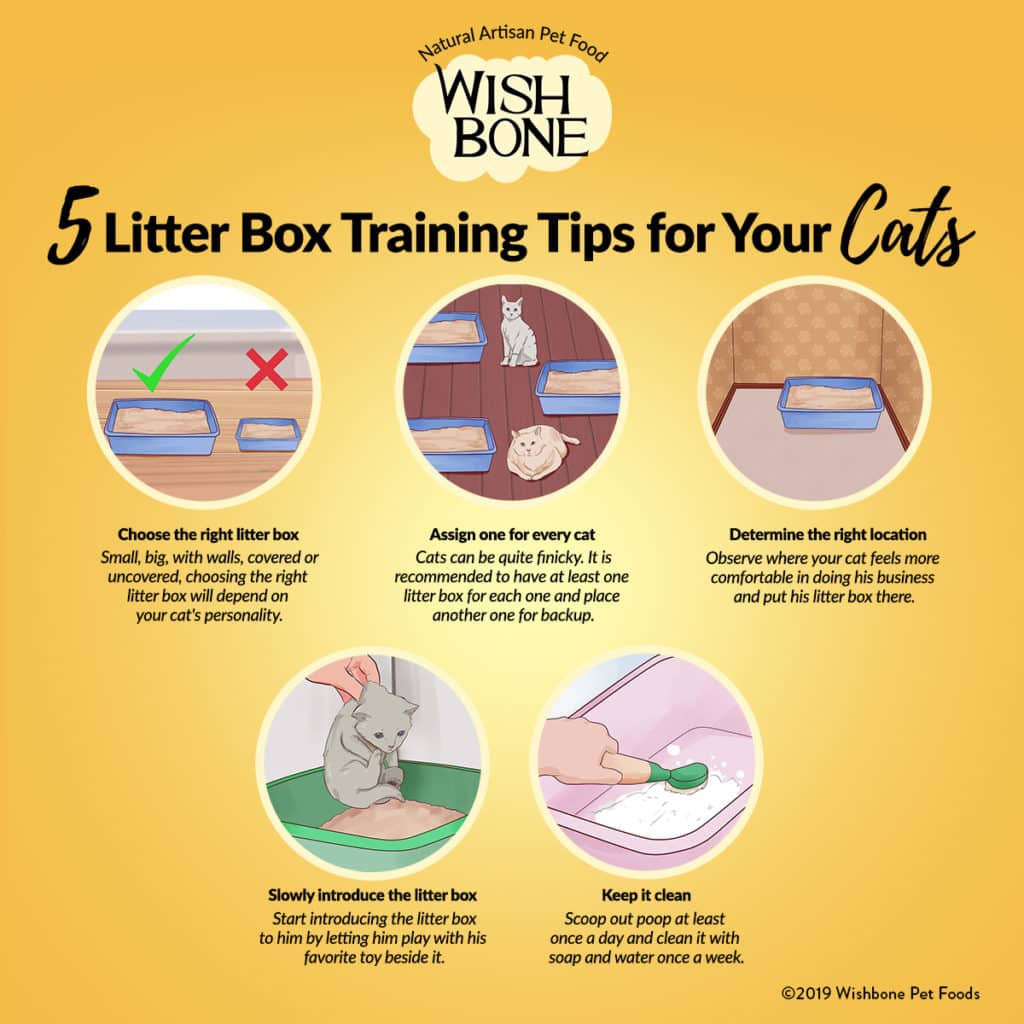
Training your cat to use a litter box starts with choosing the right one. Cats have preferences, just like people. An unsuitable litter box can lead to accidents. To ensure success, focus on the size, location, and type of litter.
Size And Design
The size of the litter box matters a lot. It should be large enough for your cat to move comfortably. A small box may discourage use. Consider your cat’s size when choosing a box. Cats usually prefer open boxes to covered ones. A covered box can trap odors, making it unpleasant for your cat. Some cats like privacy. If yours does, a covered box might work.
Location Matters
The location of the litter box is crucial. Place it in a quiet and accessible spot. Avoid high-traffic areas. Your cat needs privacy to feel comfortable. Make sure it’s not near their food or water. Cats dislike eating near their bathroom. A bad location can lead to litter box avoidance.
Types Of Litter
Different types of litter cater to different cat preferences. Clay litter is common, but some cats prefer clumping litter. It forms solid clumps when wet, making cleaning easier. Try unscented litter first. Strong scents can deter your cat. Experiment with different textures. Some cats like fine sand-like textures, while others prefer larger granules.
Credit: www.youtube.com
Introducing Your Cat To The Litter Box
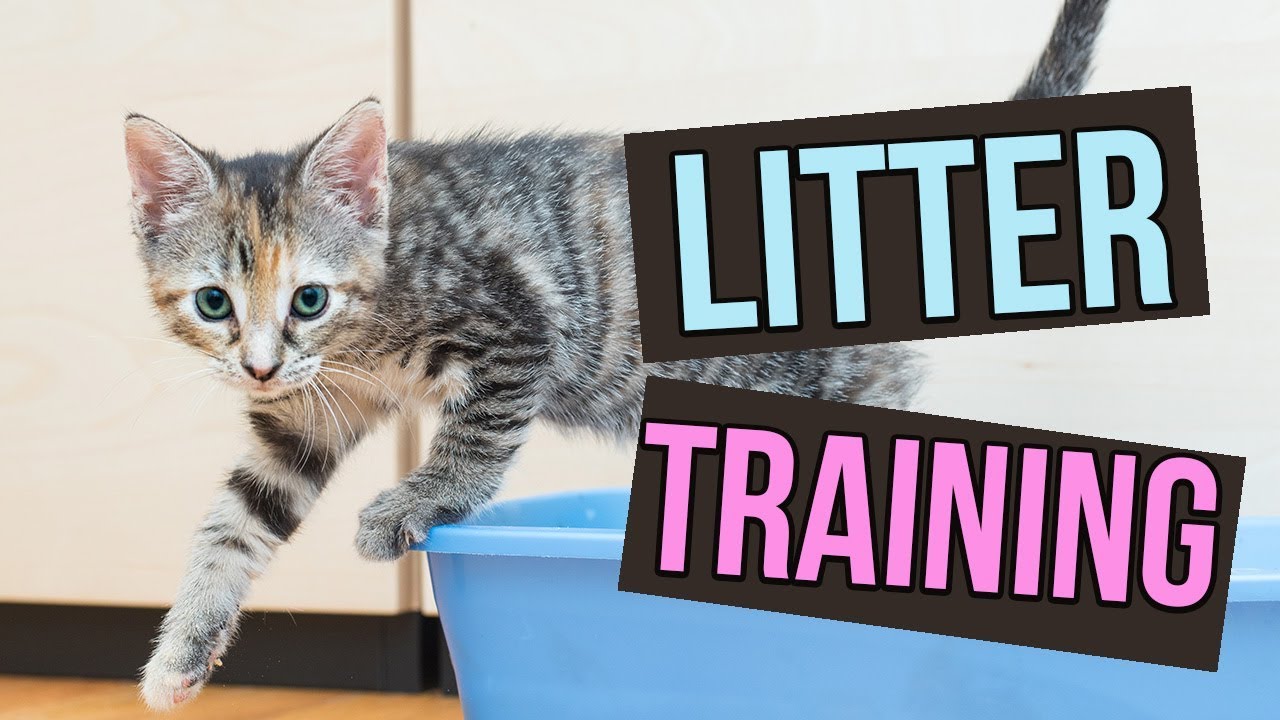
Teaching your cat to use a litter box involves patience and consistency. Start by placing the box in a quiet, accessible spot. Gradually guide your cat to it after meals and playtime.
Introducing your cat to the litter box can feel like a monumental task, but with the right approach, it can become a smooth and rewarding experience. Whether you’re dealing with a kitten or an adult cat, the journey begins with patience and understanding. It’s all about creating a welcoming environment that encourages your furry friend to embrace this new habit.Familiarization Techniques
Start by placing the litter box in a quiet and accessible location. Cats prefer privacy when doing their business. If you have more than one cat, consider placing multiple litter boxes around the house. This prevents territorial issues and promotes ease of access. Let your cat explore the box on their own terms. You might see them sniffing around or pawing the litter. This is a natural part of getting comfortable. If your cat seems hesitant, try adding a bit of the litter to their paws to gently familiarize them with the texture. A personal experience taught me that using the same type of litter your cat was accustomed to can make a big difference. When I adopted my cat, Bella, she rejected the scented litter I initially bought. Switching to unscented litter similar to what she was used to worked wonders.Positive Reinforcement
Praise your cat when they use the litter box successfully. Positive reinforcement encourages repetition of the desired behavior. You can offer a treat or affection immediately after they use the box. This links the behavior with a reward. Avoid punishing your cat for accidents outside the litter box. Negative reinforcement can create anxiety and make training harder. Instead, calmly clean up and encourage them to try the litter box again. Have you ever wondered why some cats take to litter boxes effortlessly while others struggle? Often, it’s the small gestures of encouragement that make the biggest impact. Celebrate each success, no matter how minor, and watch your cat grow more confident in using their new potty spot.Establishing A Routine
Establishing a routine is vital for training your cat to use a litter box. Cats are creatures of habit. They thrive on consistency. A well-defined routine helps them understand expectations. It also builds a sense of security. This leads to successful litter box training. Begin by integrating specific elements into your cat’s daily life. These include feeding and bathroom schedules. Consistency plays a crucial role as well.
Feeding And Bathroom Schedule
Feed your cat at the same times each day. This helps regulate their bathroom schedule. After eating, cats often need to relieve themselves. Place them in the litter box shortly after meals. This routine encourages them to associate eating with using the litter box. Over time, they will learn to follow this pattern.
Consistency Is Key
Maintain consistency in your cat’s routine. Choose specific times for feeding and bathroom breaks. Stick to these times daily. Consistent routines reduce confusion. They help your cat feel comfortable and secure. Use the same litter and box placement. Changes can confuse them. Consistency reinforces their learning and encourages good habits.
Addressing Common Issues
Training a cat to use a litter box can be challenging. Cats sometimes face problems even after initial success. Understanding these issues helps maintain a clean home.
Handling Accidents
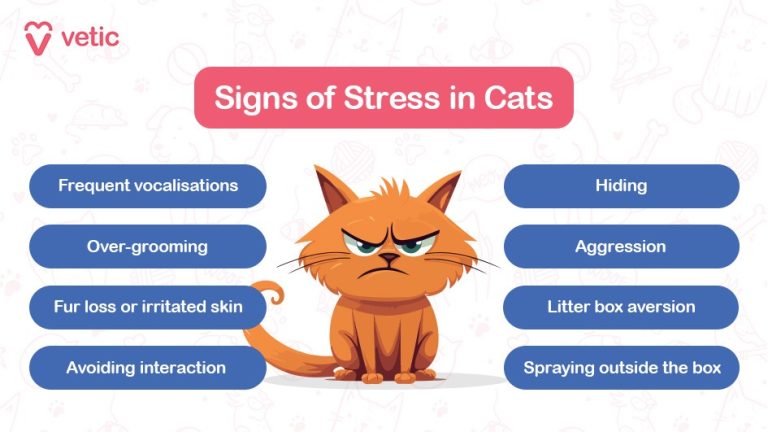
Cats might have accidents outside the litter box. This can happen due to stress or changes in their environment. Start by cleaning accidents immediately to remove any scent. Use a pet-safe cleaner for best results.
Observe your cat for patterns or triggers. Stress from loud noises or new pets may cause accidents. Create a calm and quiet space for your cat. This can reduce stress and prevent future mishaps.
Dealing With Litter Box Aversion
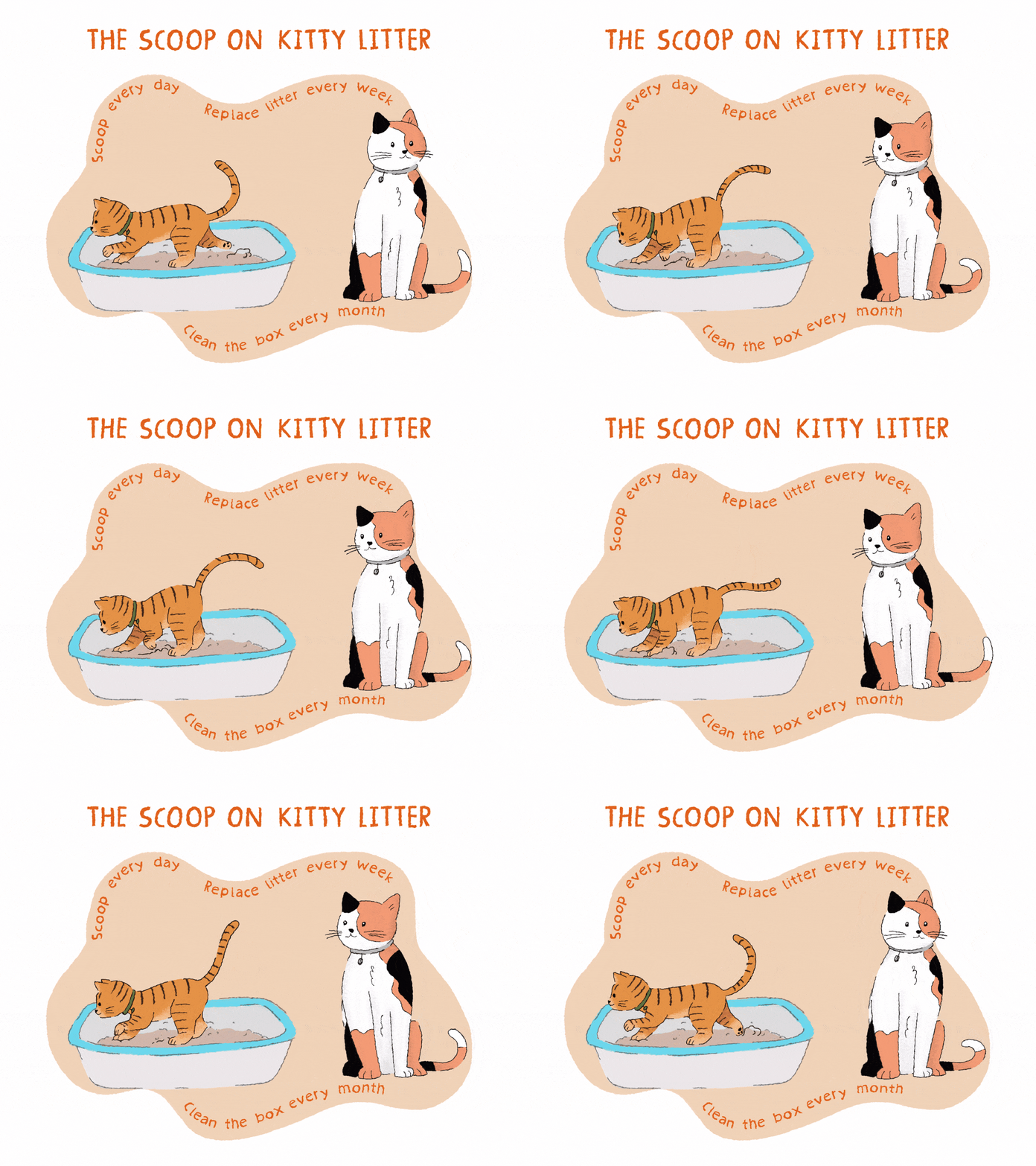
Some cats avoid the litter box for various reasons. The box might be too dirty or in a noisy location. Ensure the box is clean and accessible. Scoop waste daily and change litter weekly.
Check the litter type. Cats can be picky about textures and smells. Experiment with different types to find the best fit. Position the box in a quiet, private area. This encourages your cat to feel safe using it.
Consider health issues if aversion persists. Consult a vet to rule out medical problems. Cats can associate pain with the box if they have urinary infections or other ailments. Addressing these issues can help your cat return to the box.
Cleaning And Maintenance
Training your cat to use a litter box is vital. But keeping it clean is just as important. Cats prefer a clean environment. A well-maintained litter box encourages them to use it. It also keeps your home smelling fresh. Regular cleaning ensures the litter box remains appealing to your cat. This section will guide you on effective cleaning and maintenance.
Regular Cleaning Tips
Clean the litter box daily. Scoop out waste each day. This prevents odors and keeps the box inviting. Use a scoop designed for litter boxes. It makes cleaning easier. Refill the box with fresh litter when needed. This ensures your cat always has a clean place to go. Wash the entire box weekly. Use warm water and mild soap. Scrubbing removes stuck-on litter and bacteria. Dry the box completely before refilling with litter.
Choosing Cat-friendly Cleaning Products
Choose products safe for cats. Avoid strong chemicals. They can harm your cat. Opt for unscented cleaners. Cats have sensitive noses. Strong scents may deter them from the box. Baking soda is a natural deodorizer. It neutralizes odors without harmful chemicals. Vinegar is another safe option. It cuts through stains and disinfects. Always rinse thoroughly. Ensure no residue remains. This protects your cat’s health.
Credit: www.banfield.com
Signs Of Success
Training a cat to use a litter box shows success when they confidently approach it. Cleanliness is key; cats appreciate a tidy space. Patience and consistent encouragement lead to successful litter box habits.
Training your cat to use a litter box is a rewarding journey that brings peace to your home. But how do you know when your feline friend has mastered this essential skill? Recognizing the signs of success can help you ensure your cat is comfortable with their new routine. Here, we’ll dive into the positive habits to look for and how to keep an eye out for any changes.Recognizing Good Habits
One clear sign of success is when your cat consistently uses the litter box without prompting. If your cat heads straight to the litter box after meals or play, you’re on the right track. Notice if they are covering their waste, a natural instinct that indicates comfort and acceptance of the litter box. You may also find them spending a little time scratching around in the litter before or after doing their business. This behavior shows they’re taking ownership of their space.Monitoring For Changes
Changes in litter box habits can signal that something isn’t quite right. Is your cat suddenly avoiding the box? It might be time to check for potential issues like a dirty box or a new stress factor in their environment. A shift in urination or defecation patterns could indicate health concerns. Frequent bathroom visits or straining can be signs of urinary tract infections or digestive issues, which warrant a vet visit. Keep an eye on any sudden changes in your cat’s behavior. Has your normally tidy cat stopped covering their waste? This could be a subtle cry for help or discomfort. By closely monitoring these signs, you can ensure your cat’s training remains successful and your home stays harmonious. Are there other behaviors you’ve noticed that indicate your cat’s litter box training is going well? Share your experiences and tips with others who might be on this journey with their feline companions.When To Seek Professional Help
Training a cat to use a litter box can be challenging. Most cats learn easily, but some face difficulties. When your cat struggles, it might be time to seek professional help. Knowing when to reach out can make a huge difference. It ensures a happy and clean home environment for you and your cat.
Identifying Behavioral Problems
Some cats refuse the litter box due to behavioral issues. Stress, changes in environment, or past trauma can be causes. Look for signs like avoiding the litter box or using other areas in the house. If these behaviors persist, it might be a deeper issue. Understanding these signs early can help address the problem.
Consulting A Veterinarian
Consulting a veterinarian is a wise step. They can rule out medical conditions. Sometimes, urinary infections or digestive issues cause litter box problems. A vet can provide treatments or advice to help your cat. Their expertise ensures your cat’s health and well-being.

Credit: www.youtube.com
Frequently Asked Questions
How Long Does It Take To Train A Cat To Use A Litter Box?
Training a cat to use a litter box usually takes a few days to a week. Start by placing the cat in the box after meals and playtime. Maintain a clean litter box environment to encourage usage. Each cat is unique, so patience and consistency are key.
Is It Difficult To Litter Box Train A Cat?
Litter box training a cat is usually easy. Most cats instinctively use a litter box. Start by placing the box in a quiet, accessible location. Use unscented litter and keep the box clean. Encourage your cat after successful use. Patience and consistency are key for successful training.
How Do I Get My Cat To Start Peeing In The Litter Box?
Place the litter box in a quiet, accessible area. Keep it clean by scooping daily. Use unscented litter. Encourage your cat by placing it in the box after meals. Praise or reward your cat when it uses the litter box.
Consult a vet if problems persist.
What Draws A Cat To A Litter Box?
Cats are drawn to a litter box because it mimics their natural instinct to bury waste. The texture of the litter feels comfortable under their paws. Cats prefer clean and odor-free environments, making a well-maintained litter box appealing. Familiar scents also attract them to use it regularly.
Conclusion
Training your cat to use a litter box takes patience. Cats are smart and learn quickly with gentle guidance. Start by placing the litter box in a quiet spot. Reward your cat with treats when they use the box. Praise encourages good habits.
Remember, accidents can happen. Stay calm and consistent. Keep the litter box clean to attract your cat. A clean environment helps your cat feel comfortable. Most importantly, be patient. Your cat will learn in time with love and care. Success comes with understanding and persistence.
Celebrate small wins along the way. Your furry friend will soon master it!