How to Know If Cat Has Anxiety: Signs & Solutions
Is your feline friend acting a bit off lately? Maybe they’re hiding more than usual, or perhaps they’re showing signs of aggression without a clear reason.
If you’ve noticed changes in your cat’s behavior, it’s natural to feel concerned. Cats, much like humans, can experience anxiety, and it often goes unnoticed. As a caring pet owner, understanding the subtle signs of cat anxiety is crucial for ensuring your furry companion’s well-being and happiness.
Imagine being able to interpret the silent language of your cat, understanding their needs, and providing a comforting environment that soothes their anxious mind. In this guide, you’ll discover the tell-tale signs of anxiety in cats and learn how to address them effectively. Keep reading to unlock the secrets of your cat’s behavior and ensure that both you and your pet can enjoy a peaceful, stress-free life together.
Credit: us.feliway.com
Signs Of Anxiety In Cats
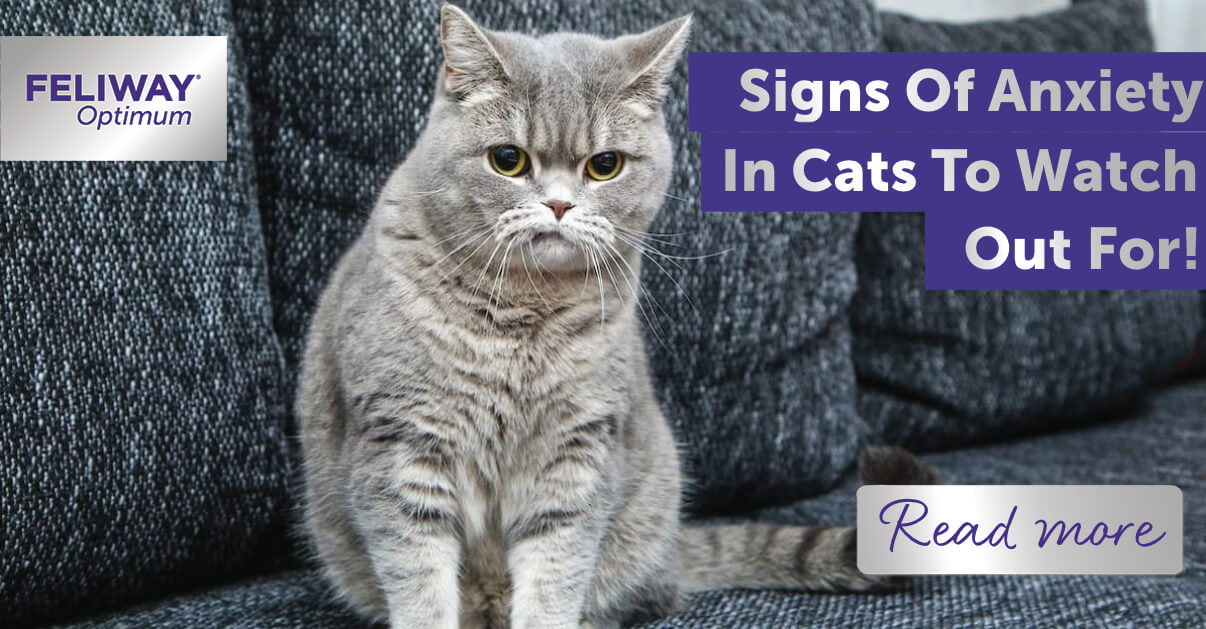
Cats, like humans, can experience anxiety. This condition can manifest in various ways. Recognizing these signs early helps you support your feline friend. Knowing the signs is crucial for their well-being. Let’s explore the symptoms and triggers of anxiety in cats.
Behavioral Changes
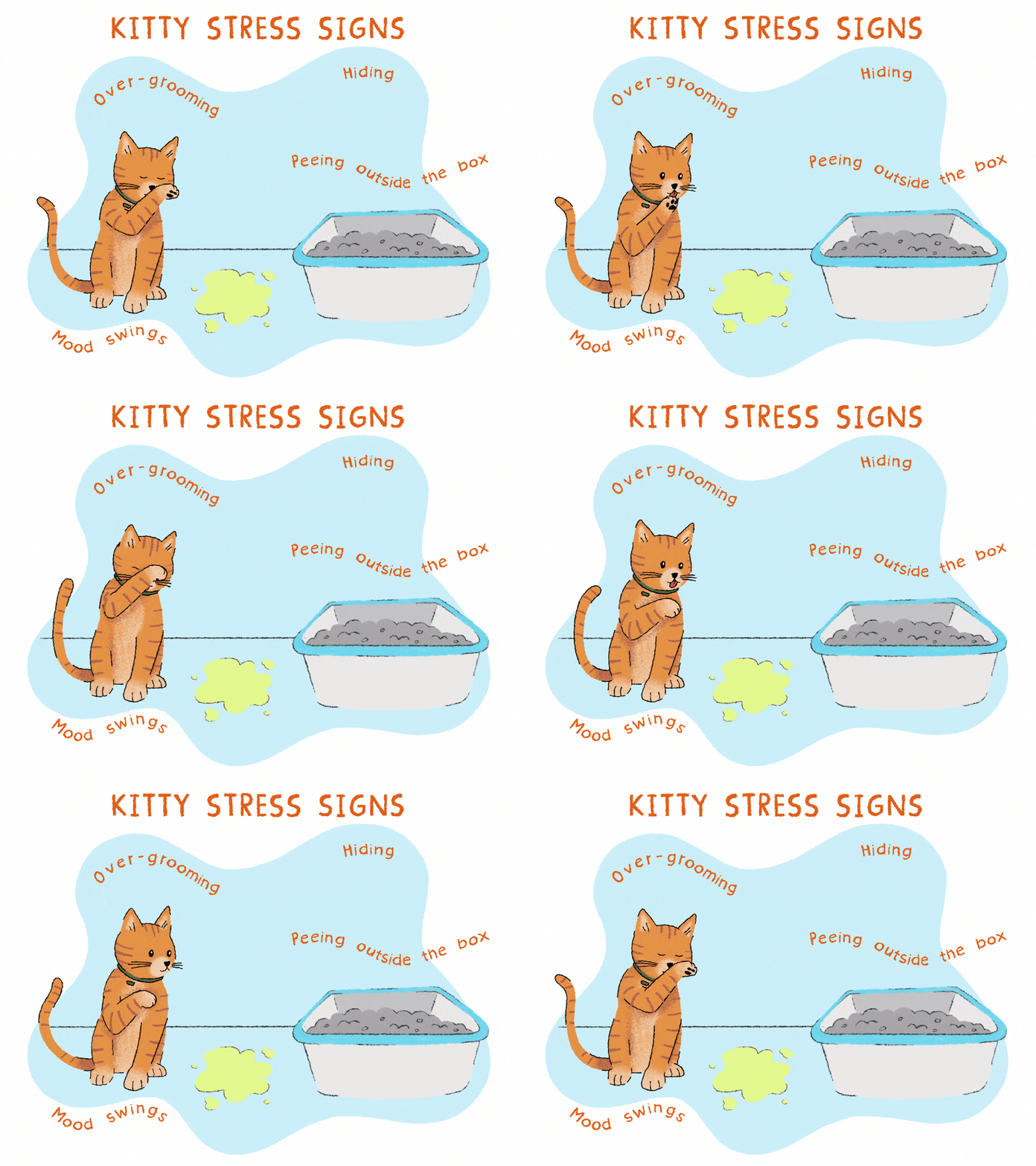
Cats may show notable changes in their behavior. Increased aggression is a common sign. They might become more withdrawn and hide frequently. Excessive grooming can indicate stress. This behavior might lead to bald patches. Scratching furniture more than usual signals anxiety. Cats may urinate outside the litter box. This behavior is often linked to stress.
Physical Symptoms
Physical signs can also reveal anxiety in cats. Trembling is a noticeable symptom. Cats may experience a loss of appetite. Weight loss might follow this change. Dilated pupils can indicate fear. They might have an increased heart rate. Panting is another physical symptom to watch for. These symptoms need attention from a vet.
Environmental Triggers
Certain triggers can cause anxiety in cats. Loud noises can startle them easily. Changes in routine might lead to stress. A new pet can be a significant trigger. Moving house is often stressful for cats. Unfamiliar visitors can cause anxiety. Sudden environmental changes may upset them. Recognizing these triggers helps manage their stress.
Common Causes Of Cat Anxiety
Cats may show anxiety through hiding, excessive grooming, or aggression. Changes in routine, loud noises, or new pets often trigger stress. Identifying these signs early helps in managing their well-being.
Understanding the common causes of cat anxiety can help you create a comforting environment for your feline friend. Cats, just like humans, can experience stress and anxiety due to various factors. Recognizing these causes can make all the difference in your cat’s well-being.Changes In Environment
Cats are creatures of habit. They thrive in stable environments. A new home, renovations, or even rearranging furniture can unsettle them. Have you ever noticed your cat hiding more than usual after you moved the couch? This could be a sign of anxiety. Maintaining some familiar elements, like your cat’s favorite blanket or toy, can help ease the transition.Social Stressors
Interactions with other animals or even people can be a source of stress for cats. Introducing a new pet or having unfamiliar guests over might make your cat anxious. I remember when I brought home a new kitten. My older cat started avoiding the living room altogether. Giving each pet their own space and time to adjust can reduce tension.Health Issues
Sometimes, anxiety is rooted in health problems. Pain, illness, or even age-related issues can make your cat feel uneasy. Have you taken your cat to the vet recently? If not, sudden changes in behavior might warrant a check-up. Regular vet visits can catch health issues early, ensuring your cat remains healthy and stress-free. Understanding these common causes is your first step towards helping your cat feel safe and secure. What changes can you make today to improve your cat’s environment?Observing Your Cat’s Behavior
Understanding your cat’s behavior is crucial in identifying signs of anxiety. Cats are often subtle in expressing their discomfort, and anxiety can manifest in various ways. Observing their daily actions can reveal a lot. You might notice changes in habits or interactions that signal your feline friend is stressed. Here’s how you can monitor their behavior to ensure they’re living a happy, stress-free life.
Daily Routine Monitoring
Start by paying attention to your cat’s daily routine. Does she still enjoy her morning sunbathing or has she started hiding under the bed instead? These changes can be key indicators of anxiety. Cats thrive on routine, and disruptions can unsettle them. Watch for shifts in eating patterns, sleep habits, or restroom use.
Have you noticed your cat sleeping more during the day or being awake at odd hours? This might not just be a phase. Like humans, cats can experience sleep disturbances when anxious. Keep a simple log of her activities. You might uncover patterns that point to stress.
Interaction Patterns
Observe how your cat interacts with you and others. Is she avoiding social contact or becoming overly clingy? Both can be signs of anxiety. A cat that is suddenly distant might be feeling insecure or scared. On the other hand, excessive attachment can be her way of seeking comfort.
Consider her interactions with other pets. A sudden change in hierarchy or aggression could indicate anxiety. Do you notice your cat being bullied by a new pet? Or perhaps she’s the one acting out? These dynamics can greatly affect her peace of mind.
Response To Stimuli
Watch your cat’s reactions to different stimuli. Loud noises, new visitors, or changes in the environment can trigger anxiety. Does she bolt at the sound of the vacuum cleaner or seem agitated when strangers visit? These responses can be telling.
Think about your own experiences. Have you ever felt uneasy in a new place or around certain people? Your cat might be feeling something similar. Offer her a safe space and observe if her anxiety lessens. Sometimes, a quiet room or a cozy blanket can work wonders.
Are you noticing any of these signs in your cat? If so, consider reaching out to a vet for advice. They can provide insights specific to your pet’s needs. Remember, the goal is to create a comforting environment where your cat feels secure and loved.

Credit: restorapet.com
Solutions For Cat Anxiety
Spotting anxiety in cats involves noticing changes in behavior. Look for signs like hiding, aggression, or excessive grooming. Understanding these cues helps identify stress, allowing for effective solutions to soothe your feline friend.
Dealing with cat anxiety can be challenging, but there are effective solutions to help your furry friend feel more at ease. Identifying the signs of anxiety is the first step towards creating a peaceful environment for your cat. Once you know what triggers their stress, you can take actionable steps to alleviate their discomfort. Here are some practical solutions to help your cat manage anxiety and live a happier life.Creating A Safe Space
Every cat needs a sanctuary where they can retreat when feeling anxious. Set up a quiet corner or a dedicated room with cozy bedding and familiar toys. Make sure this space is away from loud noises and household commotion. Consider your own home environment. Is there a place your cat naturally gravitates towards? Enhance it by adding soft blankets and a few of their favorite items. When my cat was anxious, I noticed she calmed down when she had her own corner with a view of the outside world. Does your cat have a favorite spot? Observing their preferences can guide you in creating a space that feels safe and comforting.Diet And Supplements
Nutrition plays a key role in your cat’s overall well-being. A balanced diet can help reduce anxiety levels. Offer high-quality food that meets their nutritional needs and consider supplements like omega-3 fatty acids known for their calming effects. Consult with your vet about specific supplements that might benefit your cat. When my cat showed signs of stress, the vet recommended a natural supplement that made a noticeable difference. Have you noticed any change in your cat’s behavior after adjusting their diet? Small tweaks can lead to significant improvements in their mood.Play And Exercise
Engaging your cat in regular play and exercise is essential for their mental health. Interactive toys and games can distract them from anxiety and provide a healthy outlet for their energy. Make time daily for play sessions. Even a simple game of fetch with a favorite toy can lift their spirits. I found that incorporating a new game every week kept my cat engaged and happy. How much time do you dedicate to playing with your cat? Increasing playtime can be an easy yet effective way to combat anxiety. By addressing these areas, you can support your cat’s emotional well-being and foster a more harmonious relationship. Take proactive steps to ensure your cat feels safe and secure, reducing anxiety and enhancing their quality of life.Professional Help
Recognizing anxiety in your cat can be a daunting task. Many symptoms may go unnoticed, or you might mistake them for other issues. That’s where professional help comes into play. Seeking guidance from experts can make a significant difference not only in diagnosing the problem but also in finding the right solutions. Whether you opt for veterinary consultation, behavioral therapy, or medication, each approach offers unique benefits to help your furry friend live a more relaxed life.
Veterinary Consultation
Your veterinarian is your best ally when it comes to identifying anxiety in your cat. They can conduct a thorough examination to rule out any physical health issues. But why stop there? Ask questions about your cat’s behavior changes and express your concerns. This opens the door to understanding the root of the anxiety. Sometimes, simple changes in diet or routine can have a huge impact. You might be surprised at how effective a new approach can be.
Behavioral Therapy
Behavioral therapy offers practical solutions tailored to your cat’s needs. Ever considered how daily interactions shape your cat’s mental health? A behavioral therapist can guide you in creating a stress-free environment. Implementing new routines and activities can alleviate anxiety symptoms. Imagine transforming your home into a sanctuary where your cat feels secure and loved. It’s about building trust and understanding through consistent practices.
Medication Options
Medication can be a viable option for cats with severe anxiety. Not all cats respond to therapy or environmental changes alone. Discuss medication options with your vet if you notice persistent anxiety symptoms. They’ll help you understand the pros and cons, ensuring the treatment is safe and effective. Are you worried about side effects? Your vet can provide reassurance and alternative solutions. Remember, medication is just one piece of the puzzle, often used in conjunction with therapy and other interventions.
Taking the step to seek professional help is not just about easing your cat’s anxiety. It’s about enriching their life and yours. Have you ever wondered how much happier your cat could be? By exploring these professional avenues, you pave the way for a healthier, more harmonious relationship with your feline companion.
:strip_icc()/reducing-anxiety-in-cats-554064-FINAL-5b9faac146e0fb00507d984e.png)
Credit: www.thesprucepets.com
Preventing Future Anxiety
Cats, like humans, can experience anxiety. It’s essential to prevent future anxiety for their well-being. Understanding and implementing certain strategies can make a big difference. Create a calm and peaceful environment for your furry friend. Here are some effective ways to prevent anxiety in cats.
Consistent Routine
A consistent routine helps cats feel secure. Feed your cat at the same time daily. Play with them regularly. Routine reduces uncertainty, lowering anxiety. Stick to a schedule for sleeping and waking. This helps your cat feel more at ease.
Environmental Enrichment
Enrich your cat’s environment to stimulate their mind. Provide toys that challenge them. Place scratching posts around the house. Cats love to climb. Add shelves or cat trees for vertical space. This keeps them active and engaged.
Socialization Techniques
Socialization is vital for a cat’s emotional health. Spend quality time with your cat daily. Introduce them to new people gradually. Use treats to create positive experiences. If possible, consider adopting a second cat for companionship. This reduces loneliness and anxiety.
Frequently Asked Questions
How Can I Tell If My Cat Has Anxiety?
Look for signs like excessive grooming, hiding, aggression, or changes in appetite. Sudden urination outside the litter box may indicate anxiety. Increased vocalization and clinginess can also be symptoms.
How To Calm A Cat’s Anxiety?
Create a calm environment by reducing noise. Use pheromone diffusers or calming sprays. Provide hiding spots and cozy spaces. Engage in gentle play and maintain a routine. Offer soothing music or white noise to relax your cat.
What Does Separation Anxiety In Cats Look Like?
Separation anxiety in cats shows as excessive meowing, destructive behavior, or urinating outside the litter box. They may follow you around, act clingy, or hide when you’re leaving. Changes in eating or grooming habits can also occur. Providing toys and comfort items can help alleviate their stress.
What Breed Of Cat Has High Anxiety?
Siamese cats often experience high anxiety due to their social nature and sensitivity. They need attention and stimulation. Lack of interaction can increase their stress levels. Providing toys, companionship, and a stable environment helps reduce their anxiety. Regular vet check-ups also ensure their well-being.
Conclusion
Spotting anxiety in cats can be challenging, but it’s important. Recognize signs like hiding, aggression, or excessive grooming. These behaviors indicate stress or discomfort. Early detection helps in providing the right support. Consult a vet for tailored advice and treatments.
Create a calm environment for your cat. Simple changes can make a big difference. Spend quality time with your feline friend. It strengthens your bond and reduces anxiety. Remember, a happy cat is a healthy cat. Keep observing, and ensure your cat feels safe and loved.
Your care matters greatly in their emotional well-being.