How to Get My Cat to Use the Litter Box: Proven Tips
Are you tired of finding little surprises around your home that your cat leaves behind? You’re not alone.
Many cat owners face the challenge of getting their furry friends to use the litter box consistently. You want to create a clean and comfortable environment for your cat, and it’s frustrating when things don’t go as planned. But don’t worry—there are proven strategies to help you guide your cat to the litter box.
Imagine a home free from unwanted messes and a happier, more relaxed pet. You’ll discover simple yet effective techniques to encourage your cat to embrace the litter box habit. Let’s transform your home into a cleaner space and make your cat’s life easier. Keep reading to find out how to turn your feline friend into a litter box pro!
Choosing The Right Litter Box
Choosing the right litter box can be crucial for your cat’s comfort. Cats are particular about their space. Ensuring they have the right litter box can make a huge difference. It can help in preventing accidents outside the box. Let’s dive into the factors that matter when selecting a litter box.
Size Matters
The size of the litter box is crucial. A box that’s too small can be uncomfortable. Cats need space to move and dig. A larger box often means fewer accidents. Ensure the box is at least one and a half times the length of your cat. This allows them to turn around easily. Remember, kittens grow fast. Choose a box they can grow into.
Open Vs. Covered Boxes
Some cats prefer open boxes. They feel less trapped and have a clear view. This can be important for cats that are easily startled. Open boxes are easier to clean. Covered boxes can offer privacy. They can help contain odors better. But some cats might feel trapped. Try both options to see which your cat prefers. Observe their behavior and comfort level. Their preference will guide you.
Selecting The Ideal Location
Finding the perfect spot for your cat’s litter box is vital. Cats are particular about their environment. A well-chosen location can encourage regular use. Selecting an ideal spot involves considering comfort and privacy. This section guides you through finding the right place.
Quiet And Private Spots
Cats value their privacy. Placing the litter box in a quiet corner helps. Avoid areas with loud noises. Keep it away from washing machines or TVs. Privacy makes cats feel secure. A secluded spot ensures they aren’t disturbed. This encourages consistent litter box use.
Avoiding High-traffic Areas
Busy spaces can stress your cat. High-traffic areas are often noisy. Cats prefer calm and quiet. Avoid placing the litter box in hallways or kitchens. These places can be overwhelming for your pet. A peaceful spot helps your cat feel at ease. It’s important for their comfort and regular use.
Picking The Best Litter
Choosing the right litter is crucial for your cat’s happiness. The perfect litter encourages your cat to use the litter box more often. It also helps in maintaining a clean and odor-free home. Different types of litter cater to different needs. Let’s explore some options to find the best fit for your cat.
Clumping Vs. Non-clumping
Clumping litter forms solid clumps when wet. This makes it easy to scoop. It helps in keeping the litter box clean. Non-clumping litter absorbs moisture but does not form clumps. It may need frequent changes to maintain freshness. Consider your cat’s preference and your cleaning habits.
Scented Vs. Unscented
Scented litter masks unpleasant odors. It might appeal to humans but not all cats. Some cats dislike strong scents and may avoid the litter box. Unscented litter provides a neutral smell. It is less likely to bother sensitive feline noses. Test both to see which your cat prefers.
Credit: www.aspca.org
Maintaining Cleanliness
Keeping the litter box clean is crucial for cats. They prefer fresh spaces and might avoid a dirty box. Regular cleaning helps maintain hygiene and encourages use.
Regular Cleaning Routine
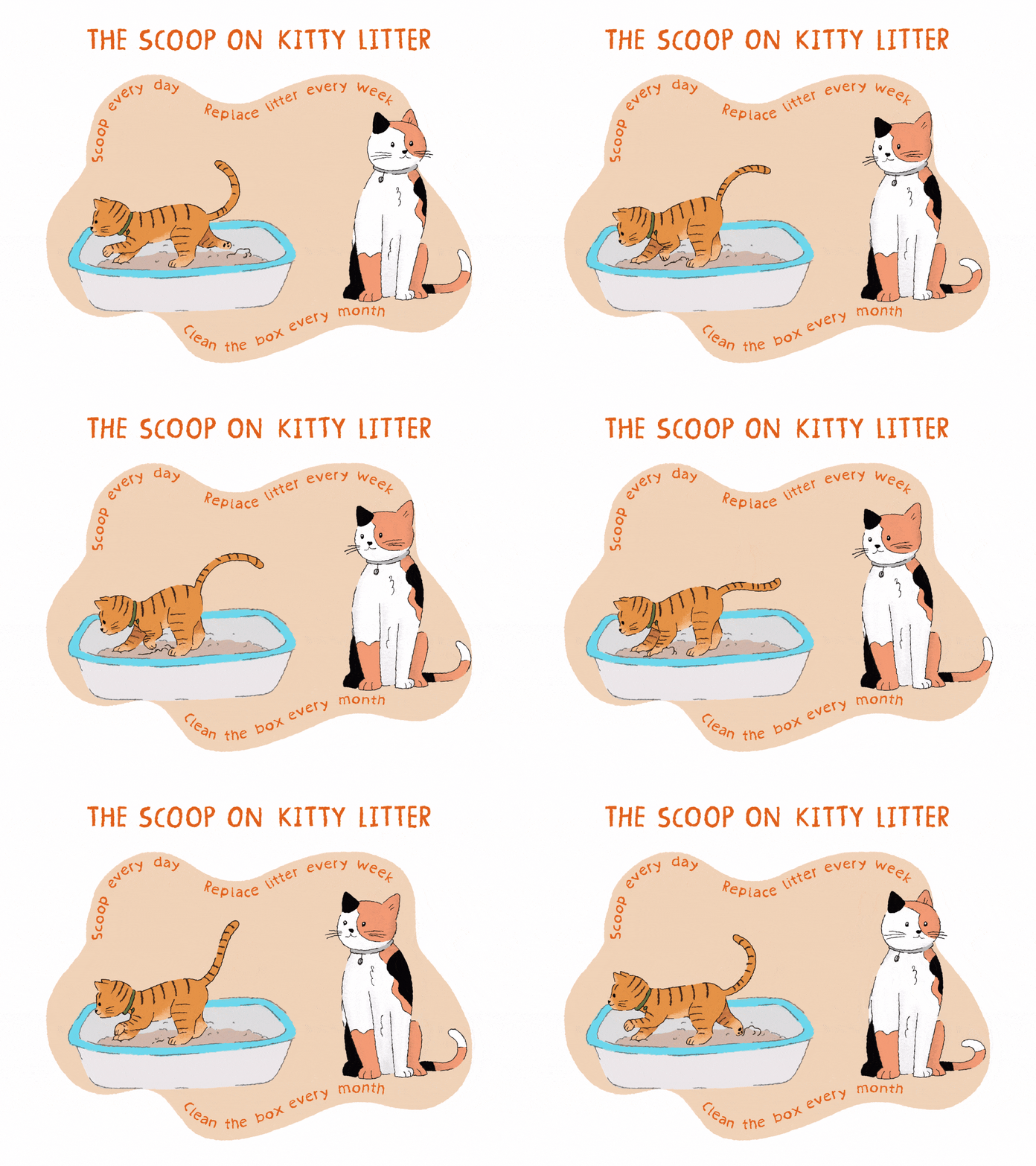
Daily scooping prevents odors and keeps the litter fresh. Scoop twice a day if possible. Dispose of waste properly. Replace litter weekly to ensure cleanliness.
Deep Cleaning Tips
Deep clean the box monthly. Use mild soap and warm water. Avoid strong chemicals; they might repel cats. Rinse thoroughly to remove any soap residue.
Dry the box completely before adding new litter. A clean box attracts cats and promotes regular use.
Understanding Your Cat’s Preferences
Understanding your cat’s preferences is crucial for successful litter box training. Cats are individuals with unique likes and dislikes. Recognizing these can make litter box usage easier. Pay attention to your cat’s behavior and adapt the environment to suit its needs.
Observing Behavior
Watch your cat’s habits closely. Notice where it likes to spend time. Cats often choose spots that feel safe and quiet. These observations can help you decide the best location for the litter box. Also, observe when your cat uses the box. Timing can reveal preferences, like morning or evening usage.
Adapting To Individual Needs
Each cat has its own unique needs. Some prefer uncovered boxes, while others like privacy. Experiment with different box types to find the best fit. Consider the litter texture. Some cats prefer soft, sandy textures; others may like clumping litter. Adjust the box size if needed. A larger box might be more comfortable for a bigger cat.
Training Techniques
Training techniques to encourage cats to use the litter box include placing it in a quiet area. Use a familiar litter to help ease the transition. Clean the box regularly to maintain cleanliness and comfort.
Training your cat to use the litter box can seem like a daunting task, but it doesn’t have to be. With the right techniques, you can guide your feline friend to make the litter box their go-to spot. Let’s dive into some practical training techniques to help you and your cat succeed.Positive Reinforcement
Cats, like humans, respond well to positive reinforcement. Reward your cat immediately after they use the litter box. This could be a tasty treat, a gentle pet, or words of encouragement. Consider setting up a reward system. Each time your cat uses the litter box, offer something they love. Over time, this will build a positive association with using the litter box. It’s essential to maintain consistency. Ensure everyone in your household follows the same reward system. This unified approach helps your cat understand that using the litter box is a good behavior.Gradual Introduction
Introducing a new litter box can be tricky. Start by placing the new box in a quiet, accessible location. Cats value their privacy, so ensure the area is peaceful. If your cat is hesitant, try mixing some of their old litter with the new. This can create a familiar scent, making the transition smoother. Observe your cat’s behavior closely. Are they exploring the new box? Encouraging this curiosity can lead to success. Remember, patience is key. Allow your cat to adapt at their own pace. Have you ever wondered why some cats take longer to adjust than others? Every cat has a unique personality, and understanding this can make the training process more effective.Dealing With Common Issues
Dealing with common litter box issues can be challenging for cat owners. Cats may refuse to use the litter box for various reasons. Understanding these reasons is key to solving the problem. Addressing these issues ensures your cat is comfortable and happy. It also keeps your home clean and fresh.
Handling Litter Box Aversion
Cats might avoid the litter box if it’s dirty. Clean the box regularly to encourage use. Another reason could be the location. Place the box in a quiet, accessible spot. Cats value privacy, just like humans. Try different types of litter. Some cats prefer a specific texture or scent. Observe your cat’s behavior to identify preferences. Offering choices can solve aversion issues.
Addressing Medical Concerns
Medical problems can cause litter box avoidance. Urinary tract infections are a common issue. If your cat urinates outside the box, see a vet. Older cats might face arthritis. It makes it hard to enter the box. Consider a box with lower sides. Regular vet check-ups can catch these issues early. Treatment can improve your cat’s quality of life. Always consult a professional for health concerns.

Credit: hoosierfix.com
Monitoring Progress
Monitoring your cat’s progress with litter box training is essential. It helps identify what works and what doesn’t. Observing your cat’s behavior and habits can guide adjustments. This ensures a clean and happy environment for both of you.
Tracking Usage
Track how often your cat uses the litter box. Note the time of day and frequency. Keep an eye on any signs of discomfort or reluctance. This data provides valuable insights into their preferences. Ensure the box is easily accessible. Cats prefer quiet and private locations. Make sure the box meets these needs.
Adjusting Strategies
Adjust strategies based on your observations. If your cat avoids the box, try changing the litter type. Some cats prefer unscented litter. Experiment with different box sizes and designs. Consider the placement of the litter box. A change of location might encourage usage. Make gradual changes to avoid confusion.
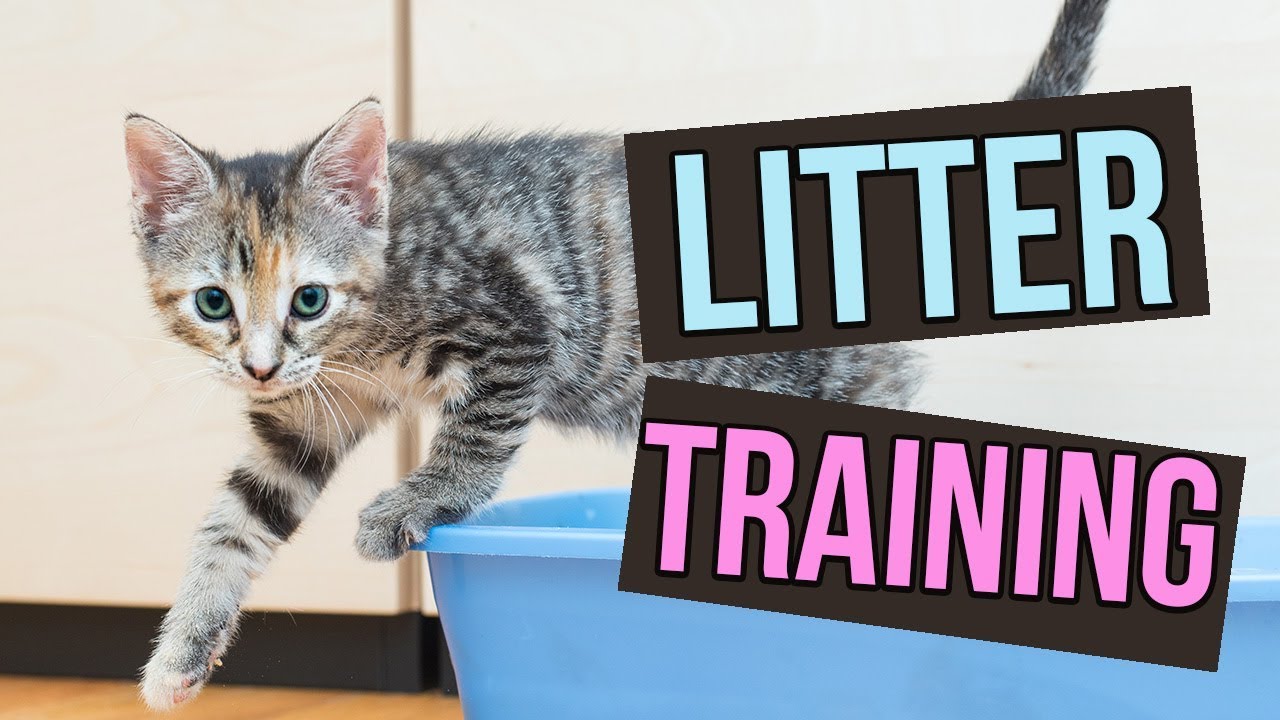
Credit: www.youtube.com
Frequently Asked Questions
How Do You Deal With A Cat That Won’t Use A Litter Box?
Ensure the litter box is clean and placed in a quiet area. Try different litter types and box styles. Provide multiple boxes if you have many cats. Consult a vet if problems persist.
How Do I Encourage My Cat To Use A Litter Box?
Place the litter box in a quiet, accessible location. Use unscented litter and keep the box clean. Reward your cat with treats after use. Gradually introduce your cat to the litter box by placing them inside. Ensure the box size fits your cat comfortably.
Why Is My Cat Pooping On The Floor With A Clean Litter Box?
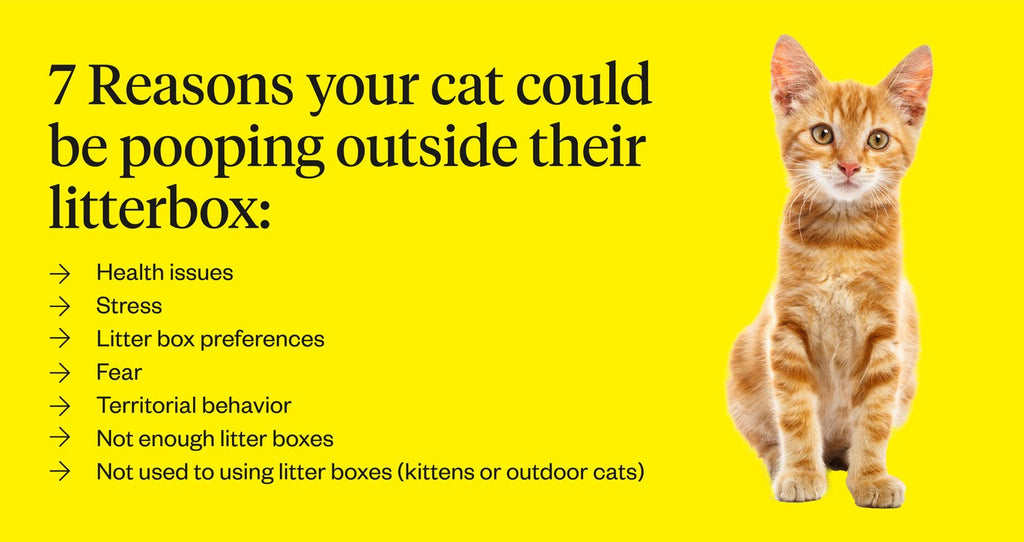
Cats may poop on the floor due to stress, medical issues, or a dislike for the litter type. Ensure the litter box is accessible, clean, and in a quiet location. Consult a vet if the behavior persists to rule out health problems.
How Do I Make My Cat Pee In The Litter Box?
Place the litter box in a quiet, accessible area. Keep it clean by scooping daily. Use a familiar litter type. Encourage your cat by placing them in the box after meals. Avoid sudden changes in litter brands. If issues persist, consult a veterinarian for advice.
Conclusion
Helping your cat use the litter box takes patience and understanding. Cats like clean spaces. Ensure the box is tidy and odor-free. Experiment with different types of litter. Some cats prefer certain textures. Keep the litter box in a quiet area.
Cats need privacy. Reward your cat when they use the box correctly. Positive reinforcement works well. If problems persist, consult a veterinarian. They can offer more guidance. Remember, every cat is unique. What works for one may not work for another.
Stay patient, and you’ll find the right solution. Your efforts will pay off with a happy cat!

Similar Posts