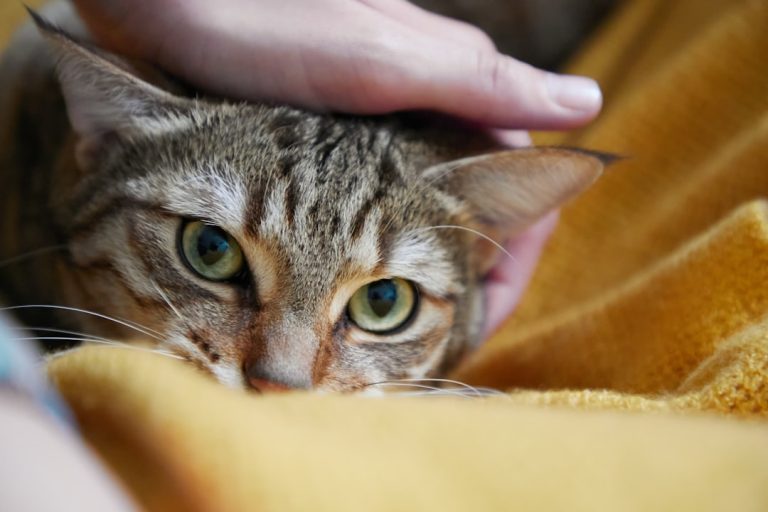
Is It Safe to Pet My Cat: Essential Safety Tips
Imagine coming home after a long day and being greeted by the soft purrs of your beloved feline friend. As you reach out to pet your cat, a question pops into your mind: “Is it safe to pet my cat?”
You’re not alone in wondering about this. Your cat’s mood and health can influence how safe it is to cuddle and show affection. You’ll discover the signs to watch for and learn how to ensure your cat enjoys your touch.
Understanding your cat’s behavior can transform your relationship, making it not only safe but deeply rewarding. Stick with us to uncover the secrets behind those mysterious feline moods and make every petting session a delightful experience for both you and your cat.

Credit: www.feliway.co.uk
Assessing Your Cat’s Behavior
Understanding your cat’s behavior helps determine if it’s safe to pet them. Look for signs like relaxed posture or purring. Avoid petting if they show signs of stress, like hissing or swatting.
Understanding your cat’s behavior is crucial when deciding if it’s safe to pet them. Cats have unique personalities, and their body language can tell you a lot about their mood. Recognizing the signs can prevent misunderstandings and ensure a harmonious relationship with your feline friend.Recognizing Friendly Signs
Friendly cats often display welcoming behaviors. A purring sound is usually a good indicator that your cat is content and open to interaction. If your cat nuzzles against you or kneads with their paws, they are generally in a relaxed state. Another positive sign is when your cat’s tail is upright with a slight curve at the tip, resembling a question mark. This posture often means they are happy to see you. Notice if they make eye contact and slowly blink; this is a cat’s way of giving you a “kitty kiss.”Identifying Aggressive Signals
Aggressive signals are your cat’s way of saying “back off.” If their ears are flattened against their head, it suggests they’re not in the mood for petting. An arched back or puffed-up fur also indicates aggression or fear. A swishing or thumping tail is another warning sign. If your cat is hissing, growling, or showing their teeth, it’s best to give them space. You wouldn’t want to risk getting a scratch or bite. Have you ever noticed your cat suddenly swatting at you after being affectionate? This can be confusing, but it often happens when a cat becomes overstimulated. Learning to read these signals will help you respect their boundaries and build trust. By paying attention to these behaviors, you can gauge when your cat is open to affection and when they need some alone time. This understanding fosters a stronger bond and ensures both you and your cat enjoy your interactions.Creating A Safe Environment
Petting your cat can be safe with gentle handling and recognizing their mood. Cats often signal comfort through purring. Always watch for signs of distress, like hissing or swatting, to ensure a positive experience.
Creating a safe environment for your cat is crucial for ensuring their well-being and happiness. Whether you’re a seasoned cat owner or considering bringing a feline friend into your home, understanding the importance of a secure and hazard-free space is essential. This not only protects your cat but also creates a peaceful coexistence within your living area.Choosing The Right Space
Finding the perfect spot for your cat can be a bit challenging. Consider areas in your home where your cat can feel both comfortable and secure. Look for spaces that are quiet and away from the hustle and bustle of daily activities. Cats love to have a spot where they can relax without disturbances. Observe your cat’s habits. Do they prefer sunny spots? Or do they seek out cozy corners? Tailor their space to fit these preferences.Removing Hazards
Safety is paramount when it comes to your cat’s environment. Check for any loose wires or small objects that they might swallow. Have you ever noticed how curious cats are? They explore everything with their paws and mouths. This means potential hazards need to be addressed promptly. Consider using baby-proofing techniques in areas your cat frequents. Simple measures like securing cabinets or using cord organizers can make a big difference. Creating a safe environment can transform your home into a sanctuary for your cat. What changes can you make today to enhance your cat’s safety and comfort? Your proactive steps can prevent accidents and ensure a happy life for your furry companion.Proper Petting Techniques
Petting your cat can be a delightful experience for both of you. It’s important to know how to pet your cat safely. The right techniques make all the difference. Cats are sensitive creatures. They have specific preferences. Respecting these can enhance the bond you share.
Understanding Sensitive Areas
Cats have areas they prefer not to be touched. The belly is a common sensitive spot. Most cats dislike belly rubs. They also have sensitive areas around their tails. Some cats don’t like their paws touched. Understanding these areas is crucial. Approach these spots with caution. Always watch your cat’s reactions.
Using Gentle Touch
A gentle touch works best for cats. Use slow, soft strokes. Start by petting the head. The head is often a safe spot. Move to the back, but stay gentle. Avoid heavy-handed touches. Cats have delicate skin. A light touch keeps them comfortable. Observe your cat’s body language. This will guide your petting technique.

Credit: www.facebook.com
Health Considerations
As a cat owner, you want to ensure your furry friend is healthy and happy. Petting your cat is a great way to bond, but have you ever stopped to consider the health aspects involved? It’s important to pay attention to your cat’s skin and overall health to keep both of you safe and comfortable.
Checking For Skin Conditions
When you pet your cat, take a moment to feel for any unusual bumps or patches. These could be signs of skin conditions that need attention. Cats can develop allergies, dandruff, or even parasites that affect their skin.
Regular grooming and bathing can help you spot issues early. Have you noticed your cat scratching more than usual? This could be a hint that something is wrong. A quick visit to the vet can provide clarity and peace of mind.
Remember, your cat’s skin can tell you a lot about its health. Are you familiar with your cat’s typical fur texture and skin appearance? Keeping track can make a big difference in catching potential problems early.
Recognizing Signs Of Illness
As you pet your cat, observe its behavior and physical state. Cats are masters at hiding discomfort, but subtle changes can signal illness. Is your cat less playful or hiding more? These behaviors could be signs of sickness.
Look for changes in appetite or grooming habits. If your cat stops eating or neglects grooming, it might be time to consult a vet. These signs, though small, are crucial indicators of your cat’s health.
Pay attention to any unusual smells, too. A sudden change in odor can be a sign of an underlying health issue. Do you notice any changes in your cat’s breath or body odor? These might warrant a closer look.
By staying alert to these health considerations, you ensure your petting sessions are enjoyable and safe for both you and your cat. Are you ready to make your petting time a health check-up too?
Handling Unexpected Reactions
Petting a cat can sometimes lead to unexpected reactions. Cats may scratch or bite if startled. Reading their body language helps ensure safe interactions.
Handling unexpected reactions from your cat can be a challenging aspect of pet ownership. Even the friendliest cats can sometimes have unpredictable responses when being petted. Understanding how to handle these moments is crucial for maintaining a harmonious relationship with your feline friend. Whether it’s dealing with scratches or managing bites, knowing how to react can make all the difference.Dealing With Scratches
Cats use scratching as a form of communication and self-defense. If your cat scratches you, try not to take it personally. It’s often a sign they might be overwhelmed or overstimulated. Instead of pulling away abruptly, which can worsen the situation, calmly and gently remove your hand. Consider how you might change your approach next time. Are you petting too hard or too long? Cats often prefer short, gentle strokes. Observe your cat’s body language for signs of discomfort, such as twitching tails or flattened ears. Adjust your interactions accordingly, prioritizing your cat’s comfort.Managing Bites
Biting can be a more serious issue and requires immediate attention. A cat bite, even if playful, can be painful and potentially dangerous. If your cat bites, stop the interaction immediately. It’s important to let your cat know that biting is unacceptable. Reflect on the circumstances that might have led to the bite. Were you petting a sensitive area like the belly? Many cats dislike this. Redirect their attention with toys or treats to teach them that biting does not lead to more play or attention. Over time, you can build trust and understanding by respecting their boundaries. Handling these unexpected reactions can be tricky. But with patience and attentiveness, you can foster a safe and comfortable environment for both you and your cat. What changes can you make to ensure your petting sessions are enjoyable for your furry friend?
Credit: www.amcny.org
Benefits Of Safe Petting
Petting your cat is more than just a pleasant activity. It brings multiple benefits for both you and your feline friend. Safe petting ensures your cat feels comfortable and loved. This simple action can boost your cat’s well-being and strengthen your bond. Let’s explore how safe petting can positively impact your relationship with your cat.
Strengthening Bond
Petting builds trust between you and your cat. A gentle touch reassures your cat of your affection. It creates a sense of security and belonging. Your cat learns to associate your presence with comfort. This mutual understanding deepens your connection. Cats often respond with purrs, showing their satisfaction and trust.
Enhancing Well-being
Safe petting helps reduce stress for your cat. The soothing strokes can lower anxiety levels. It promotes relaxation and peace. Regular petting can even improve your cat’s mood. This activity can also benefit you. Petting a cat can lower your stress too. It creates a peaceful environment at home, benefiting everyone.
Frequently Asked Questions
Is It Safe To Pet Your Cat?
Petting your cat is generally safe and enjoyable for both you and your feline friend. Ensure your cat is comfortable and shows signs of willingness. Pay attention to their body language and avoid sensitive areas. Always wash your hands afterward to maintain hygiene.
What Is The 3-3-3 Rule For Cats?
The 3-3-3 rule for cats helps them adjust in new homes. It includes: 3 days feeling scared, 3 weeks learning routines, and 3 months feeling comfortable. Following this rule ensures a smooth transition for your feline friend.
What Is The Silent Killer Of Cats?
Hypertension is often called the silent killer of cats. It shows no symptoms in the early stages. Regular vet check-ups can help detect and manage it effectively. High blood pressure can lead to severe health issues in cats, including kidney failure and heart problems.
Where Should I Not Touch My Cat?
Avoid touching your cat’s belly, tail, and paws. These areas can be sensitive or uncomfortable. Respect your cat’s personal boundaries to maintain trust and reduce stress. Always observe your cat’s body language to ensure they are comfortable with the contact.
Conclusion
Petting your cat is generally safe and enjoyable. Pay attention to their body language. Some cats love it, others might not. Always approach gently and respect their space. Wash your hands after petting to stay clean. Regular vet visits ensure your cat is healthy.
Enjoy bonding time with your furry friend. They can be wonderful companions. By understanding their needs, you ensure a happy relationship. Remember, a happy cat makes a happy home. Keep learning about your cat’s preferences. This strengthens your connection. Enjoy every purr and cuddle.
Cats are truly special companions.