How to Pet Cat: Expert Tips for Happy Felines
Imagine the gentle purr of a contented cat, snuggled up beside you. As a cat owner or enthusiast, you know there’s something magical about these furry companions.
But how do you ensure every stroke and touch brings joy and comfort to your feline friend? You’ll discover the secrets to petting your cat the right way, transforming ordinary moments into extraordinary bonds. Learn how to read your cat’s cues, understand their preferences, and create a connection that leaves both of you purring with happiness.
Keep reading to uncover the techniques that will make you a cat-whisperer, enhancing your relationship with your beloved pet. Your cat deserves the best, and you have the power to give it to them.
:max_bytes(150000):strip_icc()/where-to-pet-a-cat-2000-0a0adbbb5046469e85fd8e25a197950e.jpg)
Credit: www.dailypaws.com
Choosing The Right Cat Breed
Selecting a suitable cat breed involves considering your lifestyle and preferences. Some cats need more attention and play, while others are independent. It’s essential to research and understand each breed’s unique traits to ensure a harmonious pet experience.
Choosing the right cat breed is an essential step in welcoming a feline friend into your home. Your choice can influence not only your daily life but also the well-being of your new pet. It’s crucial to select a breed that aligns with your lifestyle and personal preferences. Whether you’re drawn to playful kittens or the calmness of a senior cat, understanding what different breeds offer will help you make a more informed decision.Understanding Temperament
Some cats are naturally more outgoing and playful, while others prefer quiet and solitude. Siamese cats, for example, are known for their vocal and social nature. They may follow you around the house, demanding attention. On the other hand, breeds like the British Shorthair are more laid-back, enjoying their own space and time. Consider your own personality and how much interaction you want with your pet. If you’re someone who thrives on companionship, a more social breed might be the perfect match. But if you value peace and quiet, a more independent cat could be your ideal roommate.Considerations For Lifestyle
Your lifestyle plays a significant role in determining which cat breed is suitable for you. If you live in a small apartment, you might want a breed that is comfortable in confined spaces, like a Persian. They are typically less active and enjoy lounging around. For those with more space and an active lifestyle, breeds like the Bengal, known for their energy and curiosity, might be a better fit. They require more physical and mental stimulation to keep them happy. Think about your work schedule. If you’re frequently away from home, a more independent breed that doesn’t require constant attention might be best. But if you work from home, you might enjoy the company of a cat that thrives on interaction. Choosing the right breed isn’t just about what you want; it’s also about what you can offer to your future feline friend. What kind of environment can you provide? Answering this question honestly will lead you to the right choice, ensuring a happy life for both you and your cat.Creating A Safe Home Environment
Petting a cat requires gentle strokes from head to tail. Always watch the cat’s body language. This helps ensure the cat feels safe and comfortable in its home environment.
Creating a safe home environment is crucial for your cat’s well-being. Cats are naturally curious and love to explore every corner. Ensuring your home is secure and comfortable is the first step. Your feline friend will feel more relaxed and confident in a safe space. Let’s look at some ways to make your home cat-friendly.Securing Hazardous Areas
Cats can get into places you might not expect. Secure cabinets with childproof locks to prevent access to cleaning supplies. Cover electrical outlets and wires with protective covers. Keep windows closed or install screens to prevent falls. Ensure houseplants are non-toxic as some can be harmful.Essential Cat Supplies
Provide your cat with the basics for a happy life. A sturdy scratching post keeps their claws healthy. Make sure they have a cozy bed for resting. Offer a variety of toys to stimulate their mind. Clean and fresh water is vital for their health. A litter box should be accessible and kept clean.Feeding Your Cat
Feeding your cat requires knowing its dietary needs. Cats need protein-rich food for energy and health. Fresh water should be available all day.
Feeding your cat is more than just filling a bowl with kibble. It’s about nurturing their health and happiness. A well-fed cat is a lively companion. If you’ve ever seen a cat’s eyes light up at the sound of a food bag rustling, you know how important mealtime is. But feeding your cat isn’t just about satisfaction; it’s about meeting their nutritional needs and choosing quality food.Nutritional Needs
Cats are obligate carnivores. This means they thrive on a diet rich in meat. Their bodies need specific nutrients like taurine, which you can’t find in plant-based foods. Think about your cat’s age and activity level. Kittens need more protein and calories to fuel their growth. Senior cats may need lower-calorie foods to maintain a healthy weight. Remember, a balanced diet is key to avoiding health issues like obesity or diabetes.Choosing Quality Food
Not all cat foods are created equal. Look at the ingredients list. The first ingredient should be a high-quality protein source, like chicken or fish. Avoid foods with fillers like corn or soy. Consider your budget, but don’t compromise quality. Sometimes spending a bit more ensures your cat gets the best nutrition. You might notice a shinier coat or more energy when you switch to better food. Have you ever thought about mixing dry and wet food? Wet food can provide hydration and variety, while dry food is convenient. It’s about finding the right balance that keeps your cat excited for mealtime.Understanding Cat Behavior
Understanding how to pet a cat involves recognizing their body language. Cats often enjoy gentle strokes on the head and back. Watch for signs like purring or relaxed posture to know if they’re comfortable.
Understanding cat behavior is essential for a happy pet relationship. Cats have unique ways of expressing themselves. Knowing these behaviors helps in building trust and friendship with your cat. Understanding their needs can prevent potential misunderstandings. This section explores common behaviors and body language.Common Cat Behaviors
Cats communicate through various behaviors. Purring often signals contentment. Sometimes it shows they’re seeking comfort. Kneading is a sign of relaxation. It reminds them of kittenhood. Scratching keeps their claws healthy. It also marks territory. Meowing varies with needs. Each sound indicates different desires.Interpreting Body Language
Cats use body language to express feelings. Tail position reveals mood. High tail shows confidence. A low tail may indicate insecurity. Ears tell their level of alertness. Forward ears mean interest. Flattened ears can signal fear. Eyes convey emotions too. Slow blinking shows trust. Wide eyes might show excitement or fear. Understanding these cues strengthens your bond.Building Trust And Affection
Building trust with your cat is essential for a loving bond. Cats are naturally cautious and need time to feel secure. This process requires patience and understanding. A trusting relationship leads to a happy, affectionate cat.
Importance Of Routine
Routine helps cats feel safe. Feed them at the same time daily. Stick to a consistent play schedule. Regular routines build trust and provide comfort. Predictable environments reduce anxiety and foster affection.
Gentle Handling Techniques
Gentle handling is crucial for trust. Approach your cat calmly. Use slow movements and a soft voice. Avoid sudden actions that might startle them. Support their body when you pick them up. Respect their space when they want to be left alone.
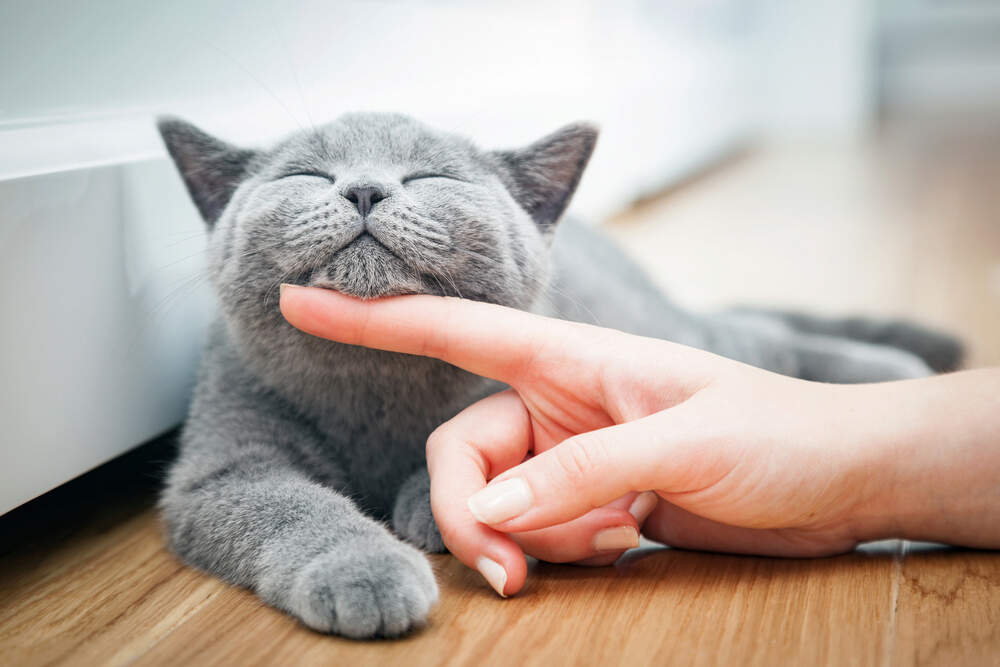
Pet them gently, focusing on areas they enjoy. Most cats like being stroked on their heads and backs. Watch their body language for signs of discomfort. Handling your cat gently will deepen your bond.
Credit: www.comfortzone.com
Grooming And Hygiene
Keeping a cat well-groomed ensures its health and happiness. Proper grooming helps prevent hairballs and skin issues. It also strengthens the bond between owner and cat. Regular attention to grooming and hygiene is essential for every cat.
Brushing Tips
Choose a brush suitable for your cat’s fur type. Long-haired cats need a wide-tooth comb. Short-haired cats benefit from a soft-bristle brush. Brush your cat gently, following the direction of its fur. Start with the head and work towards the tail. Keep sessions short to avoid stress. Reward your cat with treats after brushing.
Bathing Guidelines
Bathing is rare but sometimes necessary. Use cat-specific shampoo. Fill a tub with warm water, not too deep. Wet your cat gently, avoiding the head. Apply shampoo and lather, then rinse thoroughly. Dry your cat with a towel, then let it air dry in a warm room. Keep the bathing area calm to reduce anxiety.
Ensuring Physical Health
Petting a cat boosts its physical health by reducing stress and increasing happiness. Gently stroke the cat’s back. Focus on areas it enjoys, like behind the ears. This simple action strengthens the bond between you and your feline friend, promoting overall well-being.
Ensuring your cat’s physical health is crucial for a happy and long life. Just like humans, cats need regular care to stay in top shape. By paying attention to their health needs, you can prevent many problems before they start.Regular Vet Visits
Taking your cat to the vet regularly is essential. It’s not just about vaccines, but also about catching potential issues early. A vet can spot problems you might miss. I remember delaying a vet visit for my cat, Bella, thinking she was perfectly fine. The vet discovered early signs of dental issues, something I couldn’t have known. This early detection saved Bella from potential discomfort and costly treatments. How often do you schedule vet visits for your cat? Consider setting reminders to stay on track.Recognizing Health Issues
Being observant can make a huge difference in your cat’s well-being. Changes in behavior, eating habits, or litter box use can signal health issues. Once, I noticed my cat, Max, was drinking more water than usual. A quick search suggested it might be normal, but my gut told me otherwise. A vet visit confirmed early kidney issues. Had I ignored it, the condition could have worsened. Create a checklist of common signs to watch for, and trust your instincts. Your attentiveness can protect your furry friend from serious health problems.Caring for your cat’s health is both a responsibility and a joy. By keeping up with vet visits and staying alert to changes, you ensure your cat enjoys a vibrant life. What steps will you take today to safeguard your cat’s health?
Credit: happycatshaven.org
Mental And Emotional Well-being
Petting a cat can uplift your mood and calm your mind. It creates a bond, reducing stress and promoting happiness. A gentle stroke or scratch behind the ears helps both you and your cat feel relaxed and content.
Mental and emotional well-being is crucial for your cat’s happiness. Cats are sensitive creatures that need emotional support. Their mental health directly affects their physical health. Happy cats are more active and less likely to get sick.Providing Enrichment Activities
Managing Stress And Anxiety
Frequently Asked Questions
How Do Cats Like To Be Petted?
Cats enjoy gentle petting on their head, chin, and back. Use slow, smooth strokes. Avoid their tummy. Watch their body language for signs of comfort or discomfort. Respect their boundaries for a positive experience.
How To Pet Your Cat Correctly?
Gently approach your cat, letting them sniff your hand first. Pet their head and back softly. Avoid the belly unless they enjoy it. Watch for signs of discomfort, like swishing tails or flattened ears. Stop if they seem agitated. Always respect their boundaries for a happy petting experience.
What Is The 3-3-3 Rule For Cats?
The 3-3-3 rule for cats guides new pet owners. Cats may take 3 days to decompress, 3 weeks to adjust to routines, and 3 months to feel completely comfortable in a new home. Understanding this helps you support your cat during its transition.
Where Do Cats Like To Be Touched Most?
Cats enjoy being petted on their head, chin, and back. Each cat has different preferences, so observe and adjust. Most cats prefer gentle strokes and often enjoy behind-the-ear scratches. Pay attention to their body language for signs of comfort or discomfort.
Conclusion
Petting a cat is a joyful experience. Cats love gentle strokes and scratches. Start by petting their head and behind the ears. These are their favorite spots. Watch their body language closely. Respect their boundaries to avoid any discomfort. Each cat has unique preferences.
With patience and care, you will learn what they enjoy most. Building trust takes time but is rewarding. Enjoy the companionship and warmth your cat brings. Happy petting!