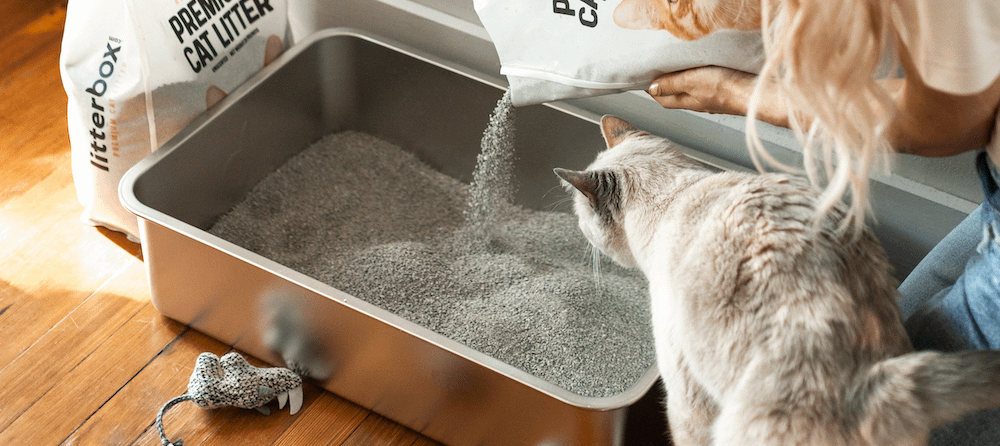
Imagine walking into a room and being greeted by a fresh, clean scent. Your cat feels the same way when they step into their litter box.
But how often should you change the cat litter to keep it smelling fresh and ensure your feline friend is happy? It’s a question that might have crossed your mind as you aim to provide the best care for your pet.
We’ll guide you through the ideal litter-changing routine, helping you maintain a clean, odor-free environment in your home. Discover the secrets to keeping your cat’s litter box pristine and your home smelling great—because your furry companion deserves nothing less. Keep reading to find out how a simple change can make a big difference in your life and your pet’s comfort.
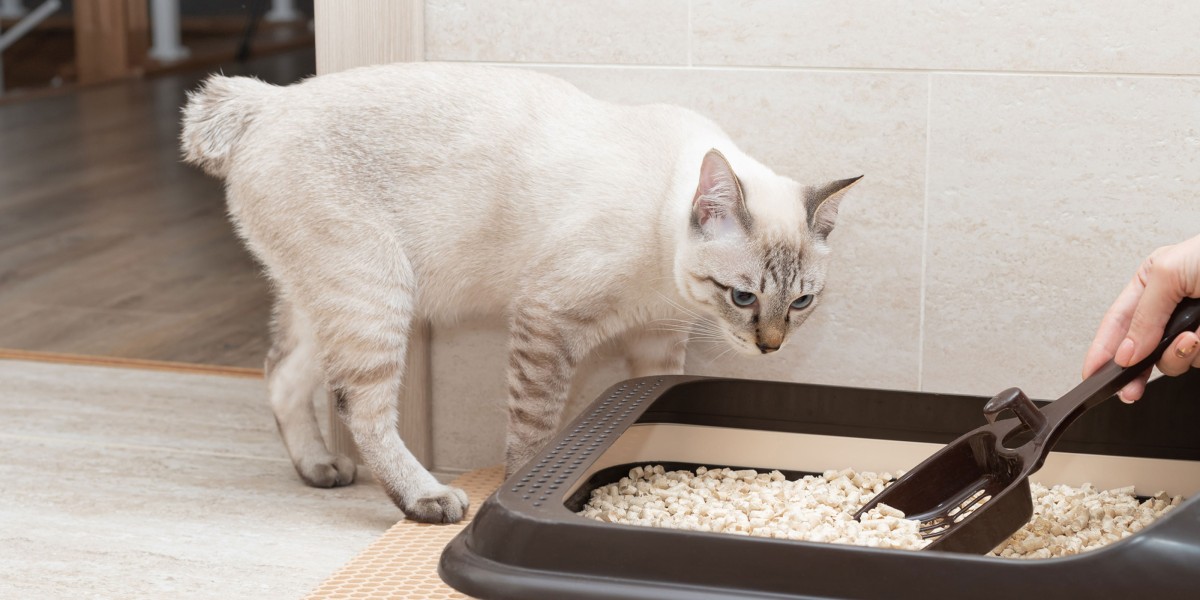
Credit: www.purina.com
Factors Influencing Litter Change Frequency
Cat litter change frequency depends on factors like the type of litter, number of cats, and their habits. Regular cleaning helps maintain hygiene and prevent odors. Consider your cat’s preferences and activity level for optimal litter change timing.
Changing your cat’s litter is a crucial part of maintaining a clean and healthy environment for both you and your feline friend. But how often should you really be doing it? The frequency of litter change depends on several factors that are unique to your household. Understanding these can make a world of difference in keeping unpleasant odors at bay and ensuring your cat’s comfort.Type Of Cat Litter
The type of cat litter you use significantly impacts how often you need to change it. Clumping litter, for instance, allows for easy removal of waste, often extending the time between full changes. On the other hand, non-clumping varieties may require more frequent changes to prevent odor build-up. Have you ever considered experimenting with different types of litter to see which suits your lifestyle best?Number Of Cats
The more cats you have, the more often you’ll need to change the litter. If you have multiple cats using the same litter box, waste accumulates faster. This means you’ll need to scoop daily and change the litter more frequently. With each additional cat, the challenge increases. Are you ready to commit to the extra maintenance?Litter Box Size
The size of your litter box also affects how often you should change the litter. Larger boxes can accommodate more litter and waste, often allowing for less frequent full changes. However, they still require regular scooping to maintain freshness. Consider if a larger box might be a worthwhile investment for you.Cat’s Health And Habits
Your cat’s health and habits are unique factors influencing litter change frequency. Cats with certain medical conditions may urinate more frequently, necessitating more frequent changes. Additionally, if your cat is particularly fussy, they may refuse to use a litter box that isn’t pristine. Have you noticed any changes in your cat’s habits that might require you to adjust your cleaning routine? Ultimately, the key to determining how often to change your cat’s litter lies in understanding these factors. By paying attention to your cat’s needs and the type of litter you use, you can create a clean, happy environment for both you and your pet.
Credit: michupet.com
Types Of Cat Litter
Your choice of cat litter can impact how often you need to change it. Different types of litter offer varying benefits, and understanding these can help you maintain a clean and odor-free environment for your feline friend. Let’s dive into the types of cat litter and see which one might be the best fit for you and your cat.
Clumping Litter
Clumping litter is popular because it makes cleaning easy. When your cat uses the litter box, this type forms solid clumps that are simple to scoop out. This keeps the rest of the litter fresh, reducing the need for frequent changes.
Imagine this: you come home after a long day, and instead of spending hours dealing with a messy litter box, you scoop the clumps in minutes. That’s the beauty of clumping litter. Plus, it often controls odor better than other types.
Non-clumping Litter
Non-clumping litter absorbs moisture but doesn’t form solid clumps. This means you might need to change it more often to keep the box clean and odor-free. It’s often cheaper, which can be a deciding factor for many.
But here’s a thought: is saving a few dollars worth the extra cleaning effort? You might find yourself spending more time removing the entire litter as opposed to just scooping out the waste.
Silica Gel Litter
Silica gel litter is known for its excellent moisture absorption, keeping the box dry and smell-free longer. It doesn’t require frequent changes, making it convenient for busy cat owners. However, the texture might not be preferred by all cats.
If you’re someone who travels frequently or has a packed schedule, this might be a game-changer. But, will your cat agree with your choice? It’s worth trying a small amount first to see how your cat reacts.
Biodegradable Litter
Biodegradable litter is an eco-friendly option made from materials like corn, wheat, or pine. It’s great for the environment and often more pleasant for your cat’s paws. However, it may need changing more frequently to maintain freshness.
Choosing biodegradable litter reflects your commitment to sustainability. But ask yourself, are you ready to handle the extra maintenance this type might require? It’s a small price to pay for being environmentally conscious.
In deciding how often to change your cat’s litter, consider these types and weigh the pros and cons. What’s most important is finding a balance between convenience, cost, and your cat’s preferences. What type of litter will you choose to keep both you and your cat happy?
Signs It’s Time To Change Litter
Understanding when to change cat litter can improve your pet’s health. Keeping litter fresh helps maintain a clean and pleasant environment. But how do you know when it’s time to change the litter? Watch for these telltale signs.
Odor Indicators
The first sign to change litter is a strong odor. Fresh litter should not emit a strong smell. If you notice a foul odor, it’s time for a change. Regularly scooping helps, but sometimes a full change is necessary.
Visible Waste Build-up
Another sign is the build-up of waste. If clumps remain after scooping, it’s time for fresh litter. An overflowing box means it’s overdue for a change. A clean box prevents bacteria and keeps your cat happy.
Behavioral Changes In Cats
Sometimes cats show signs when litter needs changing. If your cat avoids the box, check the litter. Cats may start eliminating outside the box if it’s dirty. Fresh litter can encourage your cat to use the box again.
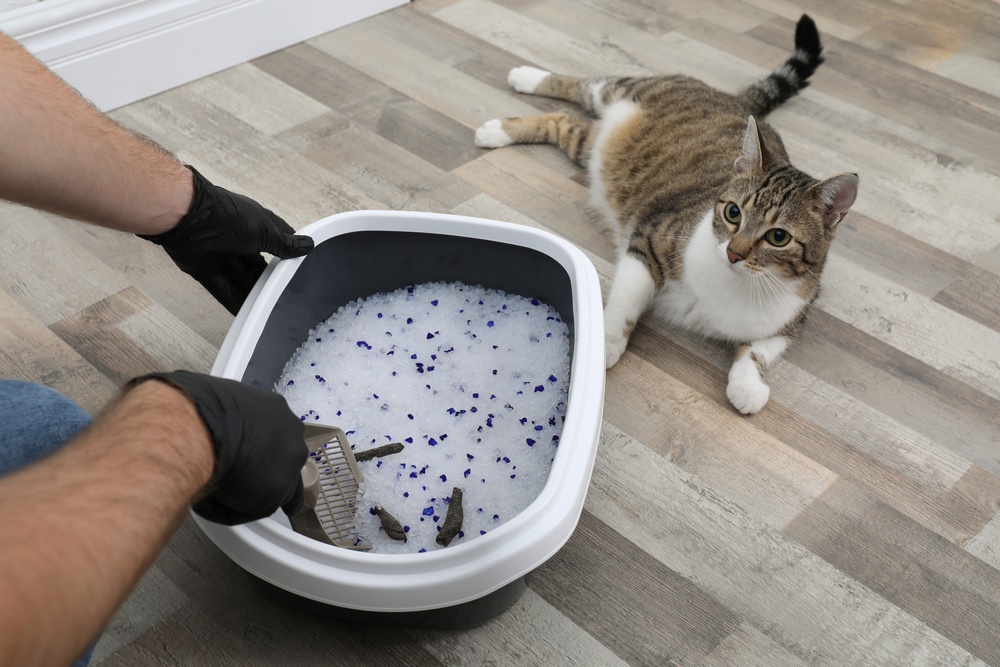
Credit: www.vegmonitor.org.br
Step-by-step Litter Change Process
Keeping your cat’s litter box clean is essential for their health. A step-by-step process makes litter change easy and efficient. Follow these simple steps to ensure your feline friend stays happy and healthy.
Gather Necessary Supplies
Start by collecting all the items you need. Get gloves, trash bags, and a scoop. You also need cleaning supplies like soap and water. Ensure you have fresh litter ready.
Remove Old Litter
Put on gloves to protect your hands. Use the scoop to remove all the old litter. Transfer it into a trash bag. Seal the bag tightly and dispose of it properly.
Clean The Litter Box
Take the empty box to a suitable area. Use soap and water to clean it thoroughly. Scrub the box to remove any residue. Rinse it well and dry it completely.
Add Fresh Litter
Once the box is clean, add fresh litter. Pour enough to cover the bottom evenly. Spread the litter smoothly with the scoop. Ensure the depth is suitable for your cat.
Maintaining A Clean Litter Box
Changing cat litter regularly keeps your pet healthy and your home fresh. Scoop daily and replace litter weekly for optimal cleanliness. A clean box minimizes odors and encourages your cat to use it.
Maintaining a clean litter box is crucial for your cat’s health and your household’s comfort. A spotless litter box can prevent odors and keep your feline friend happy. But how often should you change cat litter to ensure cleanliness? Let’s dive into the essential practices for maintaining a clean litter box.Daily Scooping Tips
Scoop the litter box every day. This ensures that waste doesn’t pile up, reducing odors and keeping the environment hygienic. Use a sturdy scoop for efficiency. It should have a comfortable grip and be able to tackle clumps without breaking them apart. Consider it a bonding opportunity. If you have multiple cats, observe any changes in waste which might indicate health issues.Weekly Deep Cleaning
A thorough clean once a week is vital. Remove all the litter and scrub the box with mild soap and water. Avoid using strong chemicals. They can leave residues that might irritate your cat’s paws or nose. Check for wear and tear. Replace any box that shows signs of damage to prevent leaks and maintain hygiene.Choosing The Right Liner
A liner can simplify cleaning. It acts as a protective layer, making it easier to remove all litter at once. Ensure the liner fits snugly. It should cover the entire bottom and sides of the box without bunching up. Think about your cat’s comfort. Some cats might dislike liners that crinkle or shift too much when they step on them. Are you using strategies that keep both you and your cat happy with the litter box situation? Share your thoughts in the comments!Common Mistakes To Avoid
Maintaining a clean litter box is crucial for a happy cat. Many cat owners unknowingly make mistakes. These errors can affect the cleanliness and odor of the litter box. Here are some common mistakes to avoid.
Overfilling The Box
Many think more litter means less work. This isn’t true. Overfilling the box can cause problems. Cats may scatter litter outside the box. It also makes cleaning harder. Use about two to three inches of litter. This depth is usually enough. It allows easy digging and covering for your cat.
Ignoring Odor Control
A stinky litter box is unpleasant. Ignoring odor control can lead to this problem. Scoop the litter box daily to manage odors. Consider using odor-absorbing litter. Ventilate the area around the litter box. This helps keep the air fresh. Proper odor control keeps both you and your cat happy.
Using Strong Cleaners
Strong cleaners can leave harmful residues. These can irritate a cat’s paws or skin. Stick to mild, unscented soap and water. Avoid using bleach or ammonia-based cleaners. These can overpower your cat’s sensitive nose. A gentle cleaning routine is best. It ensures a safe and comfortable space for your cat.
Benefits Of Regular Litter Change
Changing cat litter regularly promotes a healthier environment for your feline friend. Fresh litter helps reduce odors and prevents bacteria build-up. Aim to change the litter every week for optimal cleanliness and comfort.
Keeping your cat’s litter box clean is more than just a chore; it’s a vital part of ensuring their well-being and your home’s comfort. Regularly changing cat litter has several benefits that you might not have considered. Let’s dive into why a consistent litter change schedule is essential for both you and your feline friend.Promoting Cat Health
Cats are naturally clean animals. A dirty litter box can lead to health issues like urinary tract infections. Regular litter changes help prevent these problems by reducing bacteria build-up. A fresh litter box also allows you to monitor your cat’s health. Any changes in their waste might indicate a health issue. Regular cleaning gives you the chance to catch these early signs.Reducing Household Odors
Nobody likes a smelly house. Old litter can quickly become a source of unpleasant odors. Changing the litter regularly keeps your home smelling fresh and inviting. Have you ever had unexpected guests and worried about the smell? Regular litter maintenance can alleviate this stress. It’s a simple way to maintain a welcoming environment.Enhancing Cat Comfort
Imagine using a bathroom that hasn’t been cleaned in weeks. Not a pleasant thought, right? Your cat feels the same about a dirty litter box. A clean litter box is more comfortable for your cat. It encourages them to use the box consistently and reduces accidents around the house. Regular changes show your cat you care about their comfort. Creating a litter change schedule that works for you and your cat can make a world of difference. How often do you change your cat’s litter, and how does it impact your home environment? Consider experimenting with frequency to find what keeps both you and your furry friend happiest.Eco-friendly Litter Disposal Options
Choosing eco-friendly litter disposal options benefits the environment. Many cat owners seek sustainable ways to manage cat waste. Switching to greener methods can help reduce your carbon footprint. It’s easier than you think.
Composting Biodegradable Litter
Composting biodegradable litter is a smart choice. It reduces landfill waste. Use litter made from plant materials. Examples include corn, pine, or wheat. These break down naturally in a compost pile. Ensure the compost doesn’t contain meat products. Keep it separate from your garden compost. This prevents harmful pathogens from spreading. Your garden and the planet will thank you.
Proper Trash Disposal
Proper trash disposal remains important for non-biodegradable litter. Always bag waste tightly. It prevents odor and pest issues. Use biodegradable bags for an eco-friendly touch. Check local regulations for specific disposal guidelines. Some areas offer special waste collection services. This ensures safe and effective waste management.
Recycling Litter Packaging
Recycling litter packaging is often overlooked. Many packaging materials are recyclable. Check for recycling symbols on boxes or bags. Cardboard and plastic can often be recycled. Clean the packaging before recycling. It prevents contamination. This small step contributes to reducing waste. Every bit helps the environment.
Frequently Asked Questions
How To Know If Cat Litter Is Dirty?
Check for clumps, odor, and color changes in the litter. Scoop daily to maintain cleanliness. Notice if your cat avoids the litter box, indicating discomfort. Inspect for moisture or dampness. Clean and change litter regularly to ensure a healthy environment for your cat.
How Do I Keep My Litter Box From Smelling In The House?
Clean the litter box daily to prevent odors. Use clumping litter for easy removal. Place baking soda at the box’s bottom. Ensure proper ventilation around the litter area. Consider using a litter deodorizer for extra freshness.
Can A Cat Go 8 Hours Without A Litter Box?
Cats can usually go 8 hours without a litter box, but it’s not ideal. Regular access is important for their comfort and health. Leaving them without a litter box for extended periods can cause stress or accidents. Always ensure your cat has access to a clean litter box.
What Happens If You Don’t Change Cat Litter Often?
Neglecting cat litter changes can lead to bad odors and bacterial growth. Cats may refuse to use dirty litter boxes, causing stress. Regular cleaning ensures a healthy environment and prevents litter box avoidance.
Conclusion
Changing cat litter regularly keeps your feline friend healthy. Cleanliness prevents odor and maintains a fresh environment. Scoop daily to keep the box tidy. Replace the litter completely once a week. Doing this ensures a comfortable space for your cat.
Monitor your cat’s habits and adjust as needed. Some cats might prefer a more frequent change. Remember, a happy cat equals a happy home. Always use quality litter for best results. Consistency is key for a clean, pleasant home. Keep your kitty content with regular litter maintenance.
Your efforts make a big difference.