Are Essential Oils Harmful to Cats: Uncover the Truth
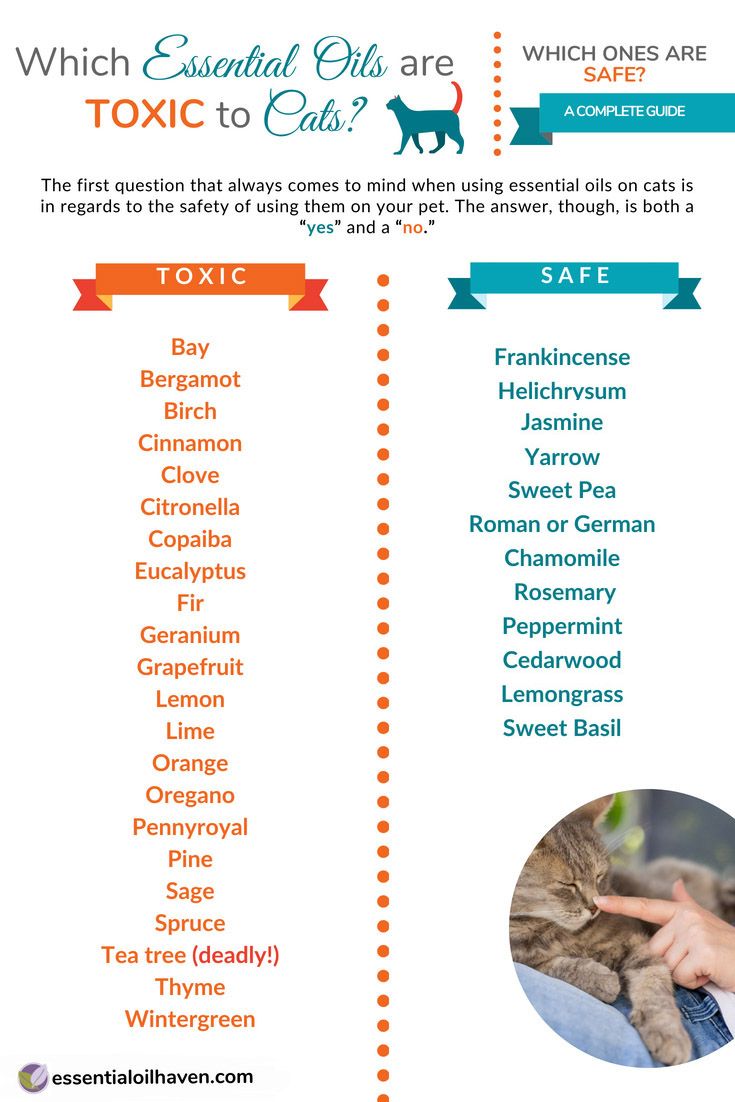
Have you ever wondered about the safety of essential oils around your feline friends? You might love using these oils for their soothing scents and therapeutic benefits, but are they safe for cats?
Your curiosity has led you to the right place. You’ll uncover the truth about essential oils and their impact on your beloved pets. Discover the hidden dangers that could be lurking in your home, and learn how to protect your furry companions from potential harm.
Stay tuned to find out what you need to know to keep your cats safe and sound.

Credit: www.thesprucepets.com
Essential Oils And Cats
Essential oils have become a staple in many homes, thanks to their aromatic benefits and natural appeal. However, as a cat owner, you might wonder if these oils are safe for your feline friend. Understanding how essential oils affect cats can make a significant difference in ensuring your pet’s safety.
Common Essential Oils Used In Homes
Your home might smell like a spa, but have you considered how those delightful scents affect your cat? Many households use essential oils like lavender, eucalyptus, and tea tree for their calming and cleansing properties. These oils are popular in diffusers, cleaning products, or even as part of personal care routines.
However, not all these oils are as harmless as they seem. For example, tea tree oil, which is great for skin issues in humans, can be toxic to cats. Knowing which oils are commonly used can help you identify potential risks.
Cats’ Sensitivity To Essential Oils
Cats are incredibly sensitive to essential oils. Their livers lack the enzyme needed to break down certain compounds found in these oils. This can lead to toxic buildup in their system, causing serious health issues.
Imagine diffusing your favorite oil, only to notice your cat sneezing or acting lethargic. This could be a sign of sensitivity. Are you willing to compromise your cat’s health for a pleasant aroma?
Always keep an eye on your cat’s behavior. If you notice any changes after using essential oils, it might be time to reconsider their use. Cats are masters at hiding discomfort, so your vigilance is crucial.
Being informed and cautious can protect your furry friend. Would you consider switching to cat-safe alternatives?
Toxicity Of Essential Oils
Essential oils are popular for their aromatic and therapeutic benefits. Many pet owners use them at home. But these oils can be harmful to cats. Cats are sensitive to certain compounds in essential oils. Their livers cannot process these compounds effectively. This can lead to toxic buildup in their bodies.
Even small amounts of essential oils can pose a risk. Some oils are more toxic than others. Tea tree, eucalyptus, and lavender oils are particularly dangerous. Awareness of these risks is crucial for every cat owner.
Symptoms Of Toxicity In Cats
Recognizing symptoms of essential oil toxicity can save your cat’s life. Common signs include drooling and vomiting. Cats may also experience difficulty breathing. Lethargy and uncoordinated movements are warning signs. If you notice these symptoms, act quickly.
Immediate Actions To Take
First, remove your cat from the exposure area. Ensure fresh air by opening windows. Do not induce vomiting without veterinary advice. Contact your vet immediately for guidance. Provide detailed information about the exposure. Follow the vet’s instructions closely.
Keep essential oils out of your cat’s reach. Store them securely in a closed cabinet. Prevention is key to protecting your cat’s health.
Safe Usage Of Essential Oils
Cats can be sensitive to essential oils, making some of them harmful. Oils like tea tree and citrus are particularly dangerous. Always ensure oils are safely stored and diffused in well-ventilated areas away from cats.
Essential oils have gained popularity for their soothing aromas and perceived health benefits. However, for cat owners, the safety of these oils is a serious concern. Cats have unique metabolic systems, making them particularly sensitive to certain substances, including essential oils. Safe Usage of Essential Oils ensures that you can enjoy these scents without harming your feline friends. How can you balance your love for essential oils with your cat’s well-being?Dilution And Safe Practices
Dilution is key when using essential oils around cats. Their sensitive skin and respiratory systems can be irritated by concentrated oils. Always dilute oils before use. A practical method is to mix a few drops with water or a carrier oil like coconut oil. This reduces the risk of adverse reactions. Consider using essential oils in well-ventilated areas. This minimizes inhalation risks for your cat. Use a diffuser that emits a small amount of oil over a large area. Avoid spraying oils directly onto your cat or their bedding. Be mindful of the oils you choose. Some oils, like lavender and chamomile, are safer options. Always research or consult a vet before introducing new oils into your home. This proactive approach ensures your cat’s safety while allowing you to enjoy your favorite scents.Alternatives To Essential Oils
If you’re worried about using essential oils around your cat, there are alternatives. Consider using pet-safe air fresheners or sprays specifically designed for homes with animals. These products offer pleasant aromas without the risks associated with essential oils. Houseplants can be another alternative. Plants like spider plants or Boston ferns are safe for cats and help freshen the air naturally. They also add a touch of greenery to your home. You might also explore non-aromatic options for relaxation, such as calming music or gentle lighting. These can create a soothing atmosphere without any scent-related risks. Have you ever noticed how your cat responds to different scents? Observing their behavior can offer insights into what they find comforting or irritating. What changes can you make to ensure a safe and harmonious environment for both you and your cat?Veterinary Insights
As a cat owner, you want to ensure that your feline friend stays healthy and safe. Essential oils have become popular for their purported benefits, but did you know that they might pose risks to cats? Let’s dive into veterinary insights to understand more about this topic.
Expert Opinions On Essential Oils
Many veterinarians caution against using essential oils around cats. Unlike humans and dogs, cats have a unique liver function that makes them less capable of metabolizing certain compounds found in essential oils.
Dr. Lisa, a veterinarian with over 15 years of experience, advises pet owners to research thoroughly before using essential oils. She stresses that some oils, like tea tree and eucalyptus, can be toxic to cats.
Would you want to risk your pet’s health without understanding the full picture? Always consult a vet before introducing any new substances to your pet’s environment.
Case Studies And Reports
Real-life cases shed light on the potential dangers of essential oils. A report from a veterinary clinic mentioned a cat that developed respiratory distress after exposure to a diffuser emitting lavender oil.
Another case involved skin irritation and digestive issues in cats that came into contact with oils used for cleaning purposes. These examples underline the importance of being cautious when using essential oils around cats.
Consider how these oils might impact your pet. Could the risks outweigh the benefits? Always weigh these factors carefully to ensure your cat’s safety.
Knowledge is your best friend when it comes to protecting your cat. Keep informed, ask questions, and never hesitate to reach out to your vet for advice.
Preventive Measures
Essential oils can be harmful to cats if not used carefully. To keep your furry friend safe, take preventive measures. This involves creating a safe environment and monitoring your cat’s behavior. These steps can help reduce risks associated with essential oils.
Creating A Safe Environment
Ensure your home is free from essential oil hazards. Store oils in locked cabinets or high shelves. This keeps curious cats from reaching them. Avoid using diffusers in rooms where your cat spends time. If you must, choose water-based diffusers. They are less potent and safer. Check labels for pet-safe oils. Some oils are less harmful than others. Keep windows open for fresh air. Proper ventilation helps dilute any lingering oils.
Monitoring Cats’ Behavior
Watch your cat for unusual signs. Drooling, vomiting, or tremors can indicate exposure. If you notice these, remove the oil source immediately. Consult a vet without delay. Pay attention to your cat’s favorite spots. This helps identify if oils are affecting them. Observe changes in eating or sleeping habits. These can also be warning signs. Regular vet check-ups are essential. They ensure your cat’s health is not compromised.
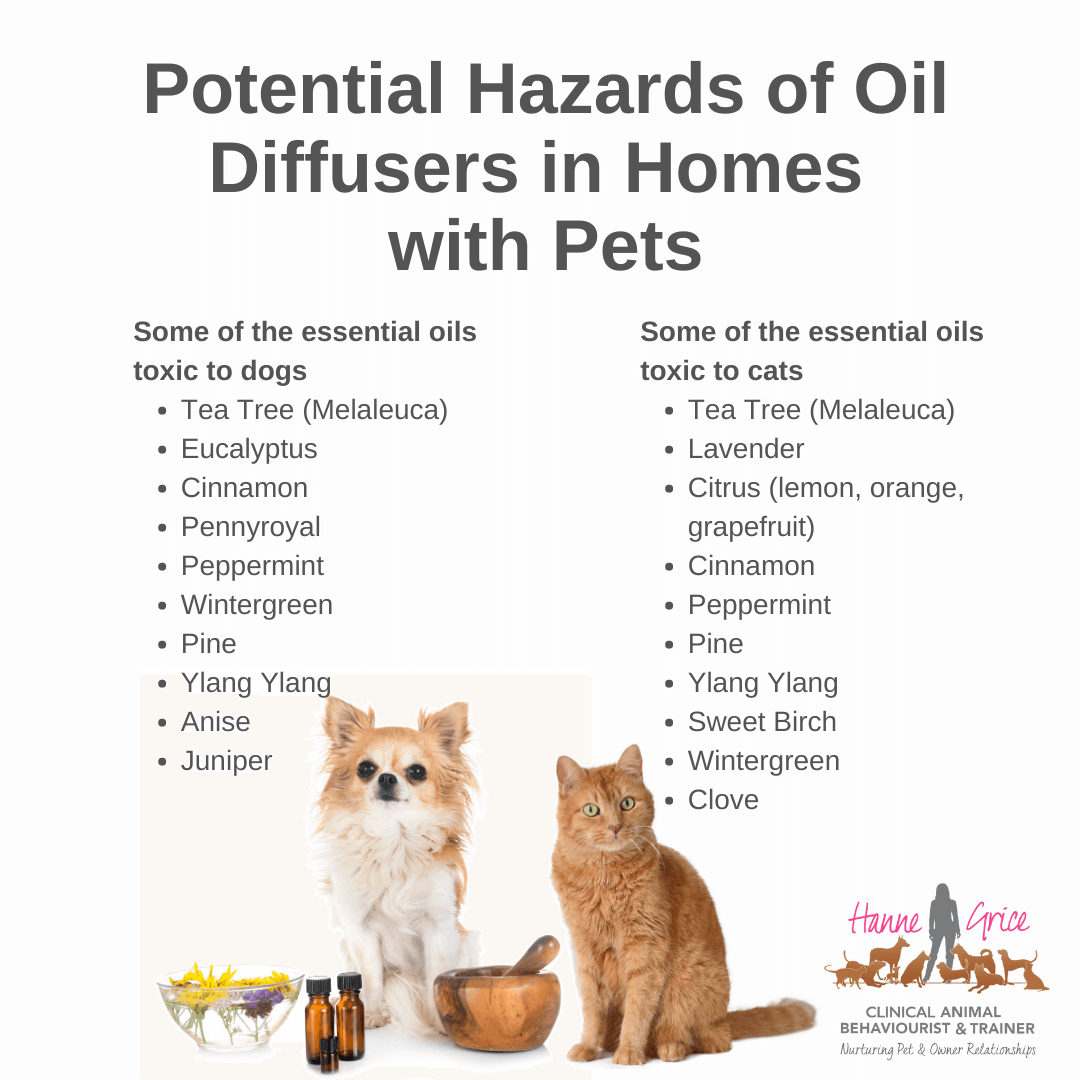
Credit: www.hannegrice.com
Public Awareness
Essential oils might be dangerous for cats. These oils can cause serious health problems like liver damage. Protect your feline friends by avoiding these oils in your home.
Public awareness about the potential dangers of essential oils to cats is crucial. Many pet owners love using essential oils for their health benefits and aromatic pleasures. However, not everyone realizes that these oils can be harmful to their feline companions. The more we know, the better we can protect our pets.Educating Pet Owners
Education is the first step in preventing harm. Pet owners need to understand which essential oils are toxic to cats, such as tea tree, eucalyptus, and citrus oils. A friend of mine discovered this the hard way when her cat developed respiratory issues after she diffused lavender oil at home. This experience taught her the importance of researching before using any essential oils around pets. Are you aware of the risks involved? Simply being informed can make a significant difference in your pet’s health. Veterinarians and pet care professionals can provide valuable guidance. Don’t hesitate to ask questions during your next vet visit.Online Resources And Communities
The internet offers a wealth of information for concerned pet owners. Numerous websites and forums are dedicated to sharing knowledge about pet safety, including the use of essential oils. Many of these communities are filled with pet owners just like you, sharing their own experiences and advice. Have you joined any online pet communities? These platforms can be a great way to stay updated on the latest pet safety information. Social media groups, in particular, offer real-time discussions and tips from fellow pet enthusiasts. Consider diving into reliable sources like veterinary websites or trusted pet blogs. They often list safe alternatives and effective ways to use essential oils without risking your cat’s well-being. By leveraging these resources, you can ensure a safe environment for your furry friend.
Credit: www.cbc.ca
Frequently Asked Questions
Which Essential Oils Are Toxic To Cats?
Many essential oils are toxic to cats, including tea tree, eucalyptus, lavender, peppermint, and citrus oils. Always consult a veterinarian before using essential oils around cats to ensure their safety.
What Happens If You Diffuse Essential Oils Around Cats?
Diffusing essential oils near cats can be harmful. Cats may experience respiratory issues, allergic reactions, or toxicity. Always consult a veterinarian before using essential oils around pets. Ensure proper ventilation and keep oils out of reach to minimize risks. Choose cat-safe oils to ensure their safety and well-being.
What Happens If A Cat Smells Peppermint Oil?
Cats may react negatively to peppermint oil. They could experience drooling, vomiting, or breathing issues. Keep peppermint oil away from cats. Always consult a vet if your cat shows any unusual symptoms after exposure. Cats lack liver enzymes to break down essential oils, making them potentially toxic.
What Essential Oils Are Bad For Animals To Breathe In?
Essential oils harmful to animals include tea tree, eucalyptus, citrus, peppermint, pine, and ylang ylang. These oils can cause respiratory issues, lethargy, and even toxicity. Always ensure proper ventilation and consult a veterinarian before using essential oils around pets. Keep oils out of reach to ensure their safety.
Conclusion
Understanding essential oils’ effects on cats is crucial. Some oils can harm them. Always research before using any oil around your pet. Consult your vet for safety advice. Choose cat-friendly oils if necessary. Watch for signs of distress in your cat.
Prioritize their health and well-being. Safe home environments mean happy pets. Responsible use of essential oils protects them. Stay informed and make wise choices. Your cat’s safety comes first.

Similar Posts