Is Pet Insurance Worth It for Cats: Smart Investment?
Have you ever wondered if pet insurance is worth it for your cat? As a loving cat owner, you want the best for your feline friend, but the costs of vet bills can add up quickly.
You’re not alone in this dilemma. Many cat owners face the same question: is pet insurance a smart investment for protecting your cat’s health and your wallet? Imagine the peace of mind that comes with knowing you have a safety net for unexpected medical expenses.
With pet insurance, you could avoid the financial stress of choosing between your cat’s health and your budget. But is it really worth it? Does it cover what you need, or are there hidden catches? You’ll find the answers you’re looking for where we’ll explore the pros and cons of pet insurance for cats. By the end, you’ll have a clearer picture of whether it’s the right choice for you and your furry companion. Keep reading to make an informed decision that could change the way you care for your beloved cat.
Understanding Pet Insurance
Understanding pet insurance is crucial if you’re a cat owner contemplating whether or not to invest in a policy. This decision can be daunting, especially with the myriad of options and terminology thrown your way. But once you break it down, pet insurance can be easier to grasp than you might think. Let’s explore the basics, so you can make an informed decision for your feline friend.
What Is Pet Insurance?
Pet insurance is a type of health coverage for your cat. It helps you manage the financial burden of unexpected veterinary expenses. This coverage can be a lifesaver when your cat needs urgent medical care.
Think of it as a safety net, similar to how health insurance works for humans. You pay a monthly premium, and in return, the insurer covers a percentage of your cat’s medical bills. Knowing that a sudden illness or injury won’t leave you with a hefty bill brings peace of mind.
How Pet Insurance Works
Understanding how pet insurance works is key. When your cat needs veterinary care, you pay the vet upfront. Then, you file a claim with your insurance provider for reimbursement.
After filing, the insurer reviews your claim and reimburses you according to your policy terms. This process means having some savings is essential, as you’ll need to cover initial costs out-of-pocket.
Policies often have a deductible, which is the amount you pay before your insurance kicks in. They may also have coverage limits, so knowing these details is crucial when choosing a plan.
Types Of Pet Insurance Policies
Pet insurance policies vary, offering different levels of coverage. Accident-only policies cover unforeseen injuries, like a broken leg or a swallowed object. These plans are typically cheaper but don’t cover illnesses.
Comprehensive plans cover both accidents and illnesses, providing wider protection. If your cat develops a chronic condition like diabetes, this type of plan can be invaluable.
Some policies offer wellness coverage, covering routine care like vaccinations and check-ups. While these can add to your premium, they ensure you’re never skipping essential vet visits.
When choosing a policy, ask yourself what risks your cat might face. Is your cat prone to accidents or more likely to develop an illness? Tailoring your coverage to your cat’s needs can save you money and stress in the long run.
Having pet insurance can indeed be worth it, but it depends on your unique circumstances. Consider what you can afford, your cat’s health history, and your peace of mind. What’s more valuable than knowing you can give your furry friend the best care possible, without financial worry?
Benefits Of Pet Insurance For Cats
Considering pet insurance for your feline friend can be a game-changer. Cats, with their curious nature, often find themselves in unexpected situations. Whether it’s climbing a tree or exploring the neighbor’s garden, these adventures can lead to accidents or health issues. Understanding the benefits of pet insurance might just save you from hefty vet bills and ensure your cat receives the best care possible. Let’s dive into why pet insurance could be a smart choice for your beloved cat.
Financial Security
Pet insurance offers a safety net for your wallet. Veterinary bills can skyrocket quickly, especially if your cat faces a major health crisis. Insurance helps you manage these costs without draining your savings.
Imagine your cat suddenly needing emergency surgery. With insurance, you can focus on your cat’s recovery, not the bill. This financial security provides peace of mind, knowing you’re prepared for unforeseen events.
Access To Better Veterinary Care
Having pet insurance can open doors to more advanced veterinary care options. You may find yourself able to choose treatments you couldn’t afford otherwise, like specialized surgeries or therapies.
A friend once shared how insurance allowed her cat to undergo an innovative treatment for kidney disease. It was a relief to access cutting-edge care without the financial strain. Insurance broadens the scope of care your cat can receive.
Coverage For Accidents And Illnesses
Cats are prone to accidents and illnesses, from ingesting harmful substances to developing chronic conditions. Pet insurance typically covers a range of these incidents, reducing out-of-pocket expenses.
Whether it’s a sudden illness or a minor injury, having coverage ensures your cat gets prompt attention. Ask yourself: how prepared are you for unexpected veterinary visits? Insurance can make all the difference in such situations.
In weighing these benefits, pet insurance emerges as a valuable tool for safeguarding your cat’s health and your finances. Have you considered how it might fit into your pet care strategy?
Costs Involved In Pet Insurance
Understanding the costs involved in pet insurance for cats is crucial. Pet insurance can ease financial burdens, but knowing the expenses helps in decision-making. Let’s explore the costs, from premiums to hidden expenses.
Premiums And Deductibles
Premiums are monthly or annual payments for coverage. They vary based on the cat’s age, breed, and health. Deductibles are out-of-pocket expenses before insurance kicks in. Higher premiums often mean lower deductibles. Choosing the right balance is key to managing costs.
Factors Affecting Costs
Several factors affect pet insurance costs. Age is a big factor; older cats usually cost more. Breed can also influence prices due to genetic health issues. Location matters too; vet costs differ by area. Pre-existing conditions may lead to higher premiums or limited coverage.
Hidden Expenses
Not all costs are upfront. Some plans have caps on benefits or require copays. Administrative fees can add up. Exclusions in policies might require out-of-pocket payments. Understanding the fine print helps avoid surprises.
Evaluating The Need For Cat Insurance
Deciding whether pet insurance for your cat is worth it can be a tough choice. You want the best care possible for your feline friend, but how do you weigh the costs against potential benefits? Evaluating the need for cat insurance involves looking at several factors. Let’s explore some key considerations that can help you make an informed decision.
Assessing Your Cat’s Health Risks
Is your cat prone to health issues? Cats, like humans, can have varying health risks. Regular visits to the vet can help you spot potential problems early. Consider your cat’s current health and any past medical issues. Have you found yourself paying for frequent vet visits or medications? If yes, insurance might save you money in the long run.
Think about any chronic conditions your cat might have. Cats with conditions like diabetes or kidney disease may require ongoing treatment. Insurance can reduce the financial burden of managing these conditions. Are you prepared for unexpected emergencies? Accidents and sudden illnesses can lead to hefty vet bills.
Lifestyle Considerations
Where does your cat spend most of its time? Indoor cats usually face fewer risks than outdoor cats. If your cat loves exploring the great outdoors, it might be exposed to dangers like traffic or fights with other animals. Outdoor cats may benefit more from insurance due to these risks.
Consider your living environment. Do you live in an area with many stray animals or wildlife? This could increase the chance of your cat encountering problems. Your lifestyle choices also matter. If you travel often, insurance can cover boarding or emergency care while you’re away. Does your cat have a hobby of eating things it shouldn’t? Gastrointestinal issues are common among curious cats.
Breeds And Their Vulnerabilities
Some cat breeds have specific health vulnerabilities. Siamese cats, for example, are prone to respiratory issues. Maine Coons might face heart problems. Are you aware of the genetic predispositions of your cat’s breed? Knowing this can help you anticipate future health concerns.
Purebred cats often have more health challenges compared to mixed breeds. If you own a purebred, insurance could be a wise investment. Additionally, older cats generally require more medical attention. Is your cat a senior? Consider how age affects insurance benefits and costs.
Ultimately, the decision to get pet insurance for your cat depends on weighing these factors. Can you balance the potential risks and costs? Understanding your cat’s specific needs and lifestyle can guide you to a choice that ensures your furry friend stays healthy and happy.
Comparing Pet Insurance Providers
Choosing the right pet insurance for cats can be overwhelming. There are many providers, each offering different features and benefits. It is important to compare them to find the best fit for your feline friend.
Key Features To Look For
Good pet insurance should cover accidents and illnesses. Some plans also include routine care. Consider the reimbursement percentage and annual limits. Check if the plan covers hereditary conditions. Look for providers that offer flexible payment options. Choose a plan with a deductible that suits your budget.
Reading Policy Fine Prints
Policies can have hidden clauses. Read them carefully before signing up. Understand the exclusions and limitations. Some policies exclude pre-existing conditions. Make sure you know the waiting periods for coverage. Check if there are any breed-specific restrictions. Being informed prevents surprises later.
Customer Reviews And Testimonials
Reviews provide insights into customer experiences. Read feedback from other cat owners. Look for reviews that mention claim process efficiency. High ratings often reflect good customer service. Testimonials can reveal if customers are satisfied with coverage. Consider both positive and negative reviews. They can guide your decision.
Credit: thecatdoctor.co.uk
Alternatives To Pet Insurance
Pet insurance for cats can be costly, leading many to explore alternatives. Setting up a savings account or seeking wellness plans from veterinarians can offer financial relief. These options provide flexibility without the commitment of insurance premiums.
When considering the financial safety net for your feline friend, pet insurance is often the first option that comes to mind. Yet, it might not always be the best fit for your budget or your cat’s specific needs. Thankfully, there are alternatives that can still ensure your cat receives the care they deserve without breaking the bank. Let’s dive into some practical options you can consider.Creating A Pet Emergency Fund
Setting up a dedicated pet emergency fund can provide peace of mind. Imagine your cat suddenly needing urgent care, and you have the funds readily available. Begin by setting aside a small amount each month. Over time, this fund will grow and be ready for any surprise vet bills. This approach offers flexibility, as you control the amount and frequency of your contributions.Discount Plans And Health Clubs
Discount plans and health clubs for pets are gaining popularity. These programs often provide reduced rates on regular check-ups, vaccinations, and even emergency procedures. Unlike insurance, there’s no waiting for reimbursements. You get immediate savings at the vet’s office. Check if local vets or pet retailers offer such programs, as they can be a cost-effective way to manage routine and unexpected expenses.Negotiating With Veterinarians
You might be surprised at how open veterinarians are to discussing payment options. If a hefty bill is looming, don’t hesitate to ask about installment plans or discounts. Sharing a personal story about a tight budget might help. Vets understand that unexpected expenses can be challenging, and many are willing to work with you. Building a good relationship with your vet can lead to flexibility in payment arrangements. As you weigh these alternatives, consider your financial situation and your cat’s health needs. Could setting up an emergency fund provide the security you need? Or perhaps a discount plan fits better with your regular expenses? Remember, the goal is to ensure your cat receives the best care possible, while also keeping your finances in check.Making An Informed Decision
Deciding on pet insurance for cats involves weighing costs against potential benefits. Consider vet bills, unexpected illnesses, and peace of mind. Insurance can ease financial stress during emergencies, ensuring your furry friend gets the care it needs.
Deciding whether to get pet insurance for your cat involves more than just a quick yes or no. It’s about evaluating the needs of your feline companion and considering your financial situation. By carefully weighing various factors, you can make an informed decision that benefits both you and your cat.Weighing Costs Against Benefits
When considering pet insurance, start by comparing the costs of premiums with potential benefits. Monthly premiums can vary, and it’s essential to check what each plan covers. Ask yourself if the peace of mind knowing your cat is covered for emergencies is worth the monthly expense. Consider past veterinary visits. Have unexpected illnesses or accidents resulted in hefty bills? Insurance could help manage these unpredictable costs.Long-term Financial Planning
Think about your long-term financial goals. Pet insurance can be a strategic tool in financial planning, helping you avoid large, unexpected expenses. Reflect on your savings. Can you comfortably cover a significant vet bill if your cat needs surgery? Insurance can act as a safety net, ensuring you’re prepared for any eventuality.Consulting With A Veterinarian
Your veterinarian is a valuable resource in the decision-making process. They can offer insights into common health issues specific to your cat’s breed or age. Discuss potential health risks your cat might face. A vet can help you understand what types of coverage could be most beneficial. Ultimately, the decision to insure your cat should align with your financial priorities and your cat’s well-being. Consider these points carefully, and you’ll be better prepared to make a choice that suits both your needs.
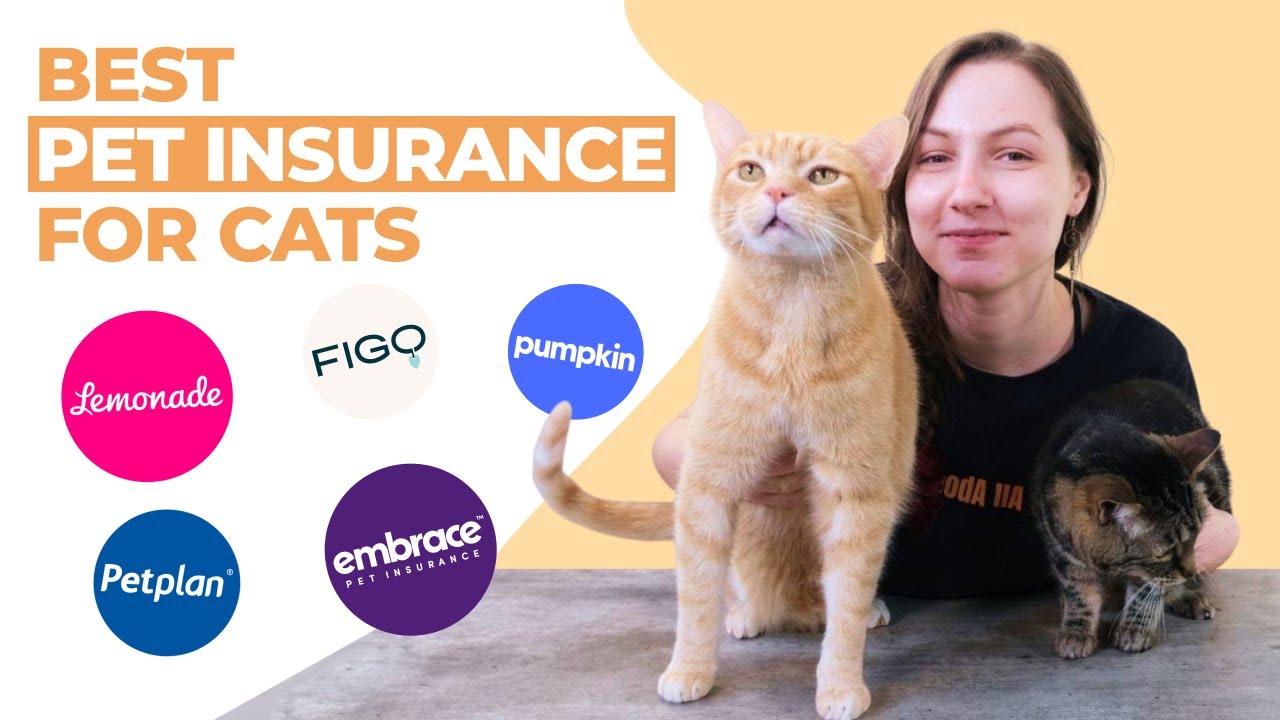
Credit: www.petsbest.com

Credit: www.metlifepetinsurance.com
Frequently Asked Questions
Is It Worth It To Get Pet Insurance For An Indoor Cat?
Yes, pet insurance can be beneficial for indoor cats. It helps cover unexpected medical expenses. Even indoor cats can face health issues or accidents. Pet insurance offers peace of mind and financial protection. Evaluate different plans to find one that suits your needs.
Should Cats Have Pet Insurance?
Pet insurance for cats offers financial protection against unexpected veterinary costs. It ensures your cat receives timely medical care. Coverage can include accidents, illnesses, and routine care. Choosing pet insurance provides peace of mind and aids in budgeting for your cat’s health needs.
Compare plans to find the best fit.
What Are The Downsides Of Pet Insurance?
Pet insurance can be costly with high premiums. Coverage may exclude pre-existing conditions. Some plans have complex terms. Claim processes can be slow and may require extensive paperwork. Not all treatments are covered, leading to unexpected expenses.
Should I Get Pet Insurance Or Just Save Money?
Pet insurance provides peace of mind and covers unexpected costs. Saving money offers flexibility but requires discipline. Consider your pet’s health, age, and potential expenses. Weigh the pros and cons to decide what’s best for your budget and peace of mind.
Conclusion
Pet insurance for cats offers peace of mind. Vet bills can be high. Insurance helps manage unexpected costs. Cats can have accidents or get sick. Insurance covers these events. It lets you focus on care, not costs. Evaluate your cat’s health needs.
Consider your budget, too. Research different plans. Each cat is unique. Make a decision that fits your situation. Pet insurance can be a wise choice. It protects both your cat and finances. Think carefully. Your cat’s well-being matters.

Similar Posts