Where to Pet Cats: The Ultimate Guide for Cat Lovers

Imagine this: you’re sitting comfortably in a cozy room, the soft purrs of a cat resonating around you. You reach out, eager to experience the soothing effect of petting a cat, but where exactly should you begin?
Knowing where to pet a cat can enhance your bond, increase their happiness, and even offer you therapeutic benefits. If you’ve ever found yourself uncertain about how to pet your feline friend, or if you’re looking to improve your technique, you’re in the right place.
This guide will reveal the secret spots that cats adore, helping you become the ultimate cat whisperer. Ready to uncover the magic behind the perfect petting technique that will make your cat purr with delight? Let’s dive into the world of feline affection and discover the art of petting cats.
Understanding Cat Behavior
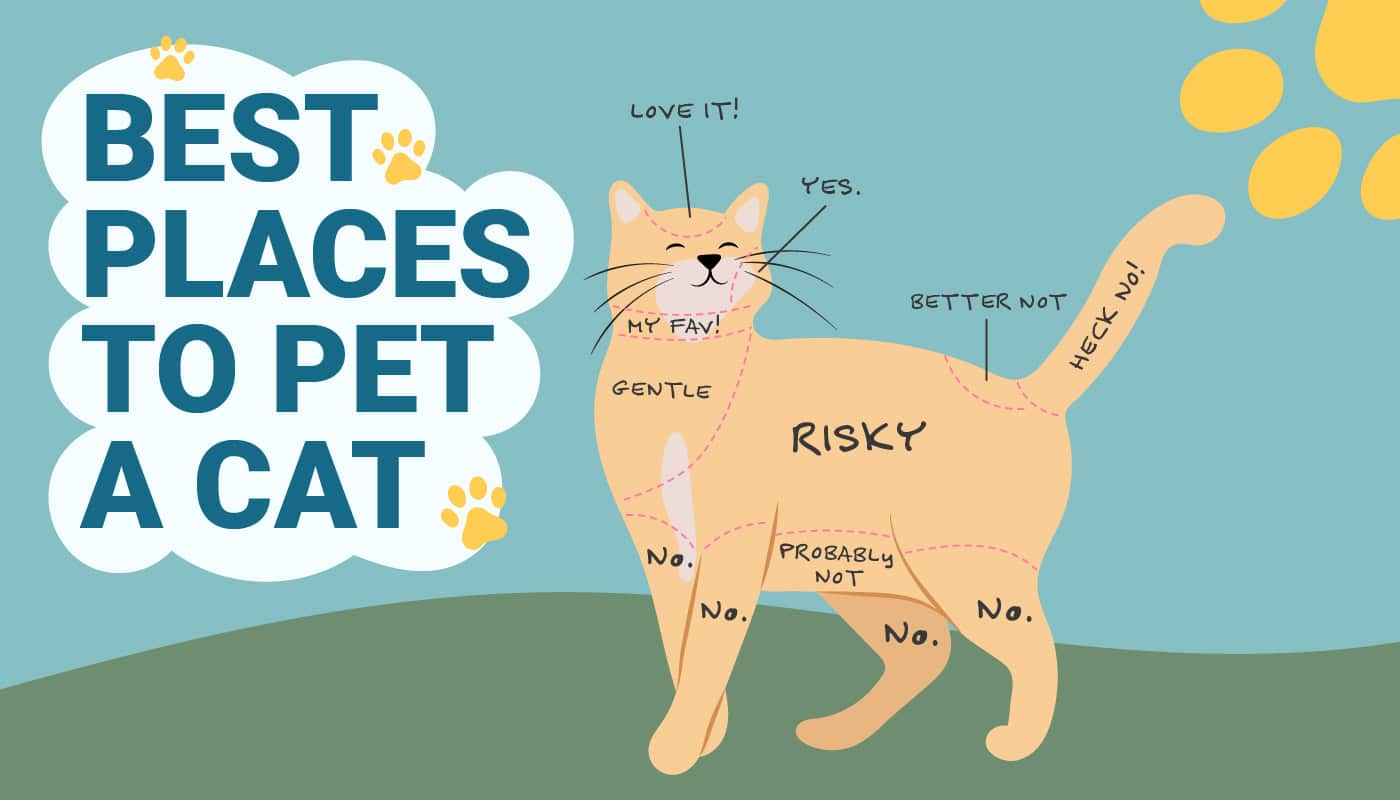
Cats prefer gentle petting on their heads, cheeks, and under the chin. These areas often elicit purrs. Avoid sensitive spots like the belly or tail, which may cause discomfort.
Understanding a cat’s behavior can deepen your bond with your feline friend. Cats communicate through subtle body language and signals. Recognizing these signs helps you know when and where to pet them. Many cat owners miss these cues, leading to misunderstandings. By learning these behaviors, you can enjoy a better relationship with your cat.Body Language Basics
Cats use their bodies to communicate feelings and intentions. A cat’s tail can reveal its mood. A high tail often signals happiness. A twitching tail might show irritation. Ears are another key indicator. Forward-facing ears show curiosity or interest. Flattened ears can indicate fear or aggression. The eyes also tell a story. Slow blinking is a sign of trust and affection. Rapid blinking or wide eyes may show anxiety or excitement. The position and movement of a cat’s body give clues too. A relaxed, stretched-out cat is comfortable and content. An arched back or puffed-up fur signals fear or defense.Common Signals Of Affection
Cats have unique ways to show they like you. Purring is a common sign of contentment. A purring cat often enjoys being petted. Head-butting, or bunting, is another affectionate gesture. Cats do this to mark you with their scent, showing they trust you. Kneading is a behavior from kittenhood. Adult cats knead when they feel safe and happy. This is a great time to offer gentle petting. Cats also show affection by rubbing against your legs. This action marks you with their scent, claiming you as their own. Understanding these signals enhances your ability to interact positively with cats. Recognizing these signs will guide you in offering affection appropriately.Popular Petting Spots
Discover the best spots to pet cats, focusing on the head and behind the ears. Many cats enjoy gentle strokes along their back. Always approach them calmly to ensure a pleasant experience for both.
Cats are charming creatures that love attention from their humans. Knowing the popular petting spots can enhance your bond with your feline friend. Each cat has its favorite areas where they enjoy being petted. Understanding these spots can lead to a happier and more affectionate kitty.Head And Chin
The head and chin are top favorites for most cats. Gently stroking the forehead can make a cat purr with contentment. Scratching under the chin is often irresistible. This spot is where many scent glands are located. Cats love to mark their humans with their scent. Petting these areas can make them feel secure and loved.Back And Spine
The back and spine are also great places to pet a cat. Cats often arch their backs when stroked here. This is a sign of enjoyment and relaxation. Use gentle pressure with your fingers. Move from the head down to the tail. It’s soothing for them and strengthens your bond.Tail Area
The tail area can be tricky. Some cats love gentle strokes near the base of their tail. Others might be sensitive and prefer to avoid it. Always watch your cat’s reaction. Start with light touches and see how your cat responds. If they seem happy, continue. If they seem annoyed, focus on other areas. Understanding your cat’s preference is key to successful petting.Sensitive Areas To Avoid
Cats enjoy being petted, but some areas are sensitive. Avoid the belly, paws, and tail to prevent discomfort. Focus on the head, chin, and back for a positive experience.
Petting cats is a delightful experience, but it’s crucial to be mindful of sensitive areas that might not be as welcoming to your affectionate touch. Cats have unique preferences, and while a gentle stroke can be soothing, touching certain spots might lead to discomfort or even aggression. Understanding these sensitive areas will help you build a stronger bond with your feline friend.Belly Rubs
The belly is a vulnerable spot for many cats. While some might show off their belly, it doesn’t always mean they want it touched. Consider it as a gesture of trust rather than an invitation. When a cat exposes their belly, they’re often signaling comfort in your presence. Respect this trust by observing their reaction to a gentle belly touch. If they shy away or show signs of distress, it’s best to avoid this area.Paws And Legs
Cats rely on their paws for balance and exploration, making them sensitive zones. They often dislike having their paws touched, as this can feel invasive. Attempting to touch or hold their paws might lead to an unexpected swipe or bite. Instead, approach petting paws with caution. Gradually introduce the touch by stroking their legs first, assessing their comfort level. Have you noticed your cat twitching or pulling away? That’s a sign to stop.Tail Handling
A cat’s tail is a significant part of their communication. It’s not just a fluffy appendage but an expressive tool indicating mood. Tail handling can be misinterpreted as aggression or dominance, triggering defensive behavior. Watch your cat’s tail movements. If it’s flicking or puffed, they might be feeling agitated. Allow them to approach you with their tail instead of reaching for it. Have you ever seen a cat wag its tail? It’s a clear signal to back off. Engaging with your cat involves understanding their boundaries. Have you noticed any of these sensitive reactions with your own cat? Respecting their space can lead to a happier, more trusting relationship.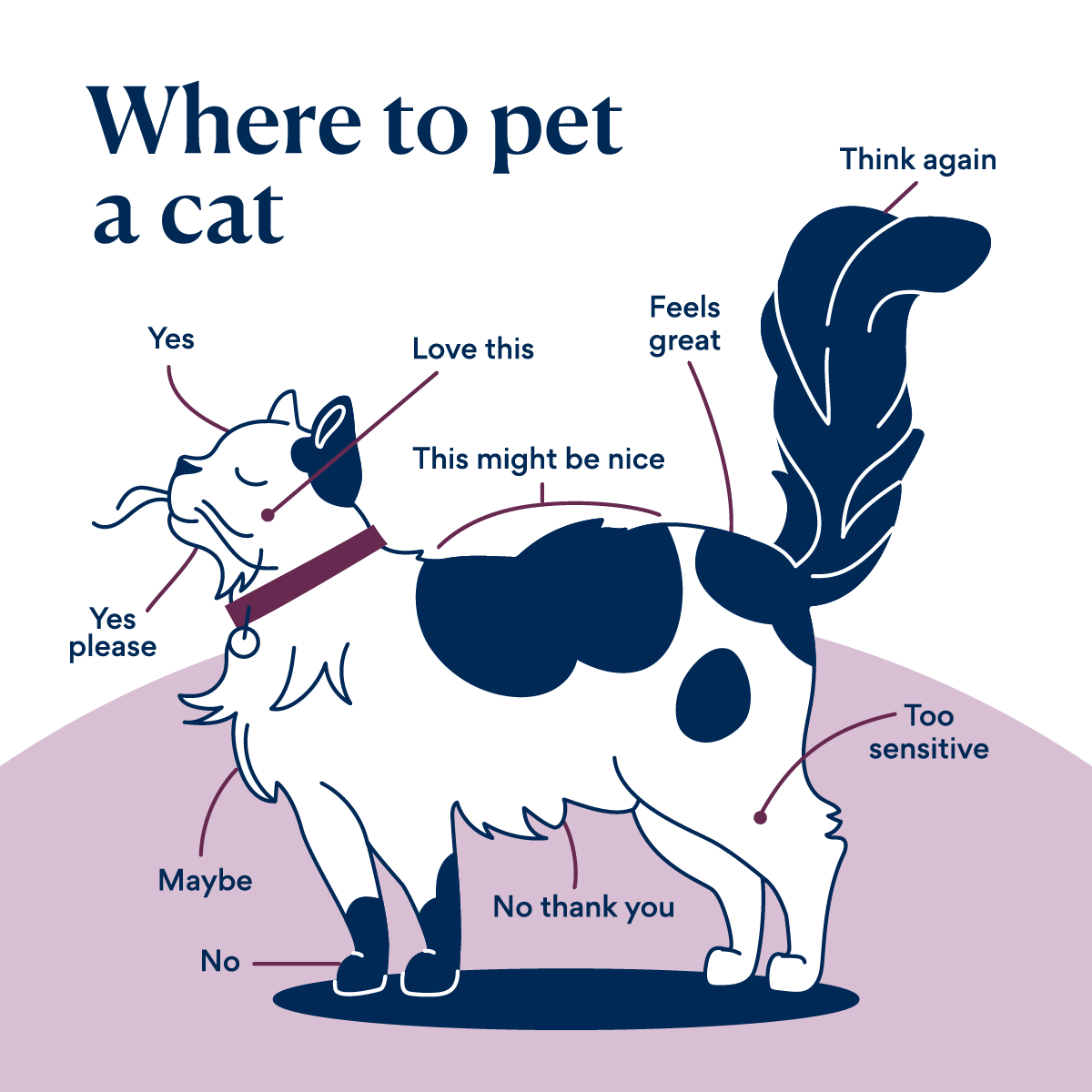
Credit: www.petmd.com
Reading Your Cat’s Mood
Understanding your cat’s mood can make all the difference in ensuring a positive petting experience. Cats are unique, each with their own quirks and personalities. By learning to read their moods, you can foster a closer bond and avoid misunderstandings. It’s not just about when you pet them, but how you approach them. Let’s dive into the subtle cues that reveal your cat’s mood.
Signs Of Enjoyment
When your cat is enjoying your attention, they exhibit several telltale signs. A purring cat is often a happy cat. If your feline friend is purring while you pet them, they’re likely content.
Watch their tail. A gentle, slow-moving tail indicates relaxation. If they rub against you or nuzzle your hand, they’re seeking your touch.
One evening, I noticed my cat, Luna, rolling on her back, exposing her belly—a clear sign she felt safe and wanted pets. These moments are precious, and recognizing them can deepen your connection.
Indicators Of Discomfort
Not every cat is ready for a petting session, and it’s crucial to spot signs of discomfort. A twitching or whipping tail can indicate irritation or agitation. If your cat’s ears are flattened, they’re likely unhappy.
Be cautious of sudden jerky movements. If their fur starts to bristle, they might be feeling threatened. My cat once hissed when I tried to pet her after she had a stressful vet visit. It was a reminder to respect her space.
Consider this: how often do you check your cat’s body language before petting them? Next time, take a moment to observe their behavior and adjust accordingly. This practice can prevent unwanted stress and strengthen your bond.
Creating A Bond Through Petting
Cats love gentle strokes on their heads and behind their ears. Softly rubbing their chin can build trust. Petting along their back often brings purrs. Each touch strengthens your bond.
Creating a bond with your cat can be a deeply rewarding experience. Petting is more than just a physical activity; it’s a way to communicate and connect with your feline friend. But have you ever wondered how to make these moments truly meaningful? The right approach can transform simple petting into a cherished ritual that strengthens your relationship.Consistency And Routine
Cats thrive on routine and consistency. Establishing a regular petting schedule can make your cat feel secure and valued. Try petting your cat at the same time every day. This could be after breakfast or before bedtime. Your cat will start to anticipate these moments, looking forward to them as part of their daily routine. Consistency also teaches your cat what to expect from you. It reassures them that you are a reliable presence in their life. Over time, this can deepen the trust between you and your cat, creating a lasting bond.Respecting Boundaries
Not all cats are the same; each has its unique preferences. Some cats love belly rubs, while others might prefer a gentle stroke on the head. Pay attention to your cat’s reactions and respect their boundaries. If your cat backs away or seems uncomfortable, give them space. Pushing them can break the trust you’re trying to build. Instead, listen to their cues and adjust your petting style accordingly. Think about how you would feel if someone crossed your personal boundaries. It’s similar for cats. Respecting their limits shows empathy and understanding, which are crucial in any relationship. Have you ever noticed your cat’s favorite spots for petting? Observing these preferences can guide you in offering affection that your cat truly enjoys.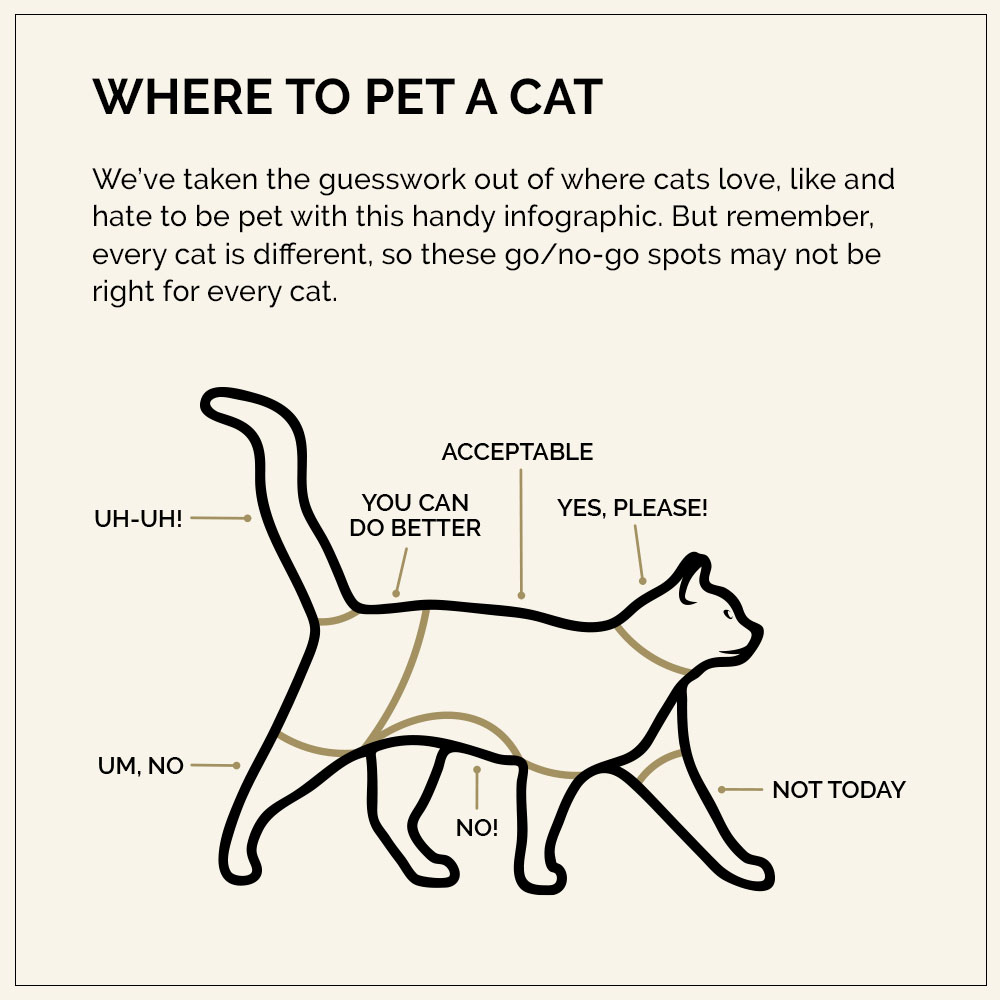
Credit: www.diamondpet.com
Using Toys And Tools
Petting a cat is a delightful experience, but it can get even better with the right toys and tools. These items not only enhance the bond between you and your cat, but they also provide mental and physical stimulation. From grooming tools to interactive toys, each accessory serves a unique purpose in enriching your cat’s life. Let’s explore how these can improve your petting sessions.
Brushes And Combs
Regular grooming with brushes or combs can be a bonding activity. Cats love the gentle sensation these tools provide. They help in removing loose fur and reducing shedding. Choose a brush that suits your cat’s coat type. Short-haired cats may prefer rubber brushes. Long-haired cats might need metal combs. These tools can prevent mats and tangles, keeping your cat’s fur smooth. Grooming also helps in spotting skin issues early.
Interactive Toys
Interactive toys keep cats engaged and active. They mimic hunting, satisfying a cat’s natural instincts. Wand toys with feathers or bells can be exciting. Laser pointers are also a favorite, providing endless entertainment. Ensure you end the game with a real toy to catch. This provides a sense of accomplishment. Interactive toys can reduce boredom and destructive behavior. They also strengthen your bond through play and interaction.
Petting Techniques For Different Breeds
Petting a cat might seem simple. Yet, different breeds enjoy varied techniques. Understanding these can deepen your bond with your feline friend. Cats have unique personalities. Their breed can influence their petting preferences. By learning specific techniques, you make your cat more comfortable. This guide will help you pet cats according to their breed.
Long-haired Vs. Short-haired Cats
Long-haired cats have lush, flowing fur. They often enjoy gentle strokes. Use slow, smooth movements. This helps to avoid tangling their fur. Pay attention to their back and sides. Short-haired cats, on the other hand, prefer quicker strokes. Use a gentle hand on their head and back. They enjoy having their cheeks and chin rubbed. Each stroke should be soft and soothing.
Breed-specific Preferences
Some breeds have unique petting needs. Siamese cats are social and love attention. They enjoy belly rubs and strokes on their back. Maine Coons, with their large size, prefer firm yet gentle strokes. Focus on their sides and back. Persian cats, known for their long fur, like gentle petting. Avoid their face and focus on their body. British Shorthairs enjoy having their head and chin scratched. Each breed has its own preference. Understanding these makes petting more enjoyable.
Training Cats To Enjoy Petting
Training cats to enjoy petting can be a rewarding experience. Some cats naturally love attention while others may be cautious. Understanding your cat’s comfort level is key. With patience and the right techniques, you can make petting a pleasant activity for both of you.
Positive Reinforcement
Use treats to encourage your cat during petting. Reward them when they stay calm or respond positively. This helps them associate petting with a pleasant experience. Speak softly to reassure them. A gentle voice can make your cat feel safe. Praise them during and after petting sessions. This builds trust and comfort over time.
Gradual Introduction
Start petting sessions briefly at first. Gradually increase the time as your cat gets comfortable. Focus on areas they enjoy. Most cats like being pet on the head and chin. Avoid sensitive areas until they show more trust. Watch their body language closely. If they seem anxious, stop and try again later. A slow approach helps prevent stress.

Credit: www.kskcollegebeed.com
Frequently Asked Questions
Where Do Cats Like To Be Petted?
Cats usually enjoy being petted on their head, chin, and behind the ears. They also like gentle strokes along their back. Always watch their body language for signs of discomfort.
What Is The 3-3-3 Rule For Cats?
The 3-3-3 rule helps cats adjust to new homes. It represents 3 days to decompress, 3 weeks to learn routines, and 3 months to fully settle and feel comfortable. This timeline guides pet owners in understanding their cat’s adaptation process.
Where Is The Best Place To Pet My Cat?
Gently pet your cat on their head, cheeks, and under the chin. Many cats enjoy strokes along their back, but avoid the tail area. Each cat is unique, so observe their reactions and adjust accordingly. Always approach your cat calmly to ensure a comfortable experience for both of you.
Where To Touch A Cat To Make It Happy?
Gently pet a cat on its head, cheeks, and under the chin. Most cats enjoy these areas. Avoid the belly unless the cat shows it likes it. Pay attention to your cat’s reactions to ensure it’s comfortable and happy.
Conclusion
Petting a cat can bring joy and relaxation. Find the right spots. Gently stroke the head, chin, and back. Avoid sensitive areas like the belly. Each cat has unique preferences. Pay attention to their reactions. A purr means they enjoy it.
Always be gentle and respectful. Build trust over time. This strengthens your bond with your feline friend. Remember, happy cats make happy owners. Enjoy your time together.

Similar Posts