Why Does My Cat Bite Me When I Pet Her: Unraveling Feline Behavior
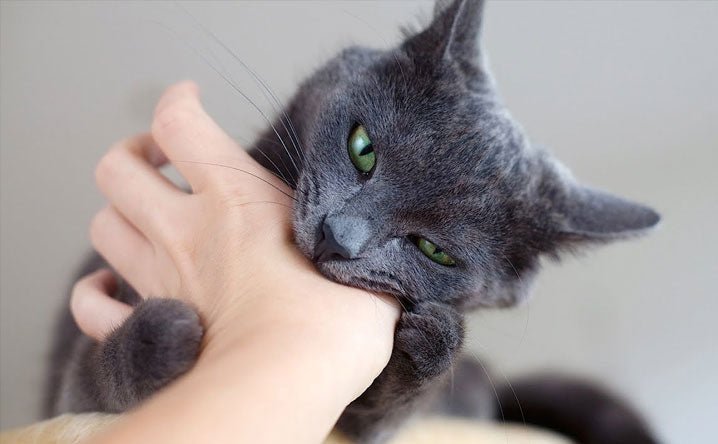
Have you ever been enjoying a peaceful moment with your cat, only to be startled by a sudden bite? It can be confusing and even a bit frustrating when your feline friend turns from purring to nibbling.
You’re not alone in wondering why this happens. Understanding the reasons behind your cat’s behavior is key to ensuring both of you enjoy quality time together without unexpected surprises. We’ll delve into why your cat might bite during petting sessions and how you can foster a more harmonious relationship.
Prepare to uncover insights that can transform your interactions with your beloved pet.
Common Reasons For Biting
Understanding why your cat bites during petting is crucial. Cats have reasons for such behavior. Knowing these can improve your relationship with your feline friend. Below, explore common reasons why your cat might bite you during petting.
Overstimulation
Overstimulation happens when your cat has had enough petting. Cats have a threshold for touch. Petting past this limit can irritate them. Signs of overstimulation include tail flicking and ears flattening. Your cat might also twitch its skin. Recognizing these signs can prevent bites.
Playful Behavior
Cats often bite during play. It’s their way of interacting. They mimic hunting behavior. Biting is part of their play routine. Young cats are more playful. They learn through biting and pouncing. Providing toys can redirect this behavior. It keeps your cat entertained and your hands safe.
Attention-seeking
Biting can be a cry for attention. Your cat might want you to notice it. Especially if you’re busy. Cats crave interaction from their owners. They might bite to get you to play or pet them. Responding positively can reduce this behavior. Regular playtime can fulfill their need for attention.
Understanding Cat Body Language
Understanding your cat’s body language can be the key to decoding why she might bite you when you’re petting her. Cats communicate in subtle ways, often through their tails, ears, and even sounds. Recognizing these signals can help you gauge her mood and predict her reactions, making your interactions more enjoyable and less painful.
Tail Movements
Have you ever noticed how your cat’s tail moves while you’re petting her? A cat’s tail is like a mood ring. A gentle, relaxed tail usually means she’s content. But if her tail starts twitching or swishing, it might be time to back off. This movement can signal irritation or overstimulation. It’s her way of saying, “I’ve had enough!”
Ear Positions
Your cat’s ears provide another clue. Ears perked forward typically mean she’s interested or relaxed. But when her ears are flattened or turned sideways, she’s likely feeling annoyed or threatened. When petting her, watch for these changes. A shift might be a warning sign that she’s about to bite.
Vocalizations
Listen to your cat when she speaks. A soft purr usually indicates she’s happy and enjoying the attention. However, growls or hisses are clear signs of discomfort or anger. If she starts vocalizing in a way that sounds unhappy, it’s wise to give her some space. Have you ever tried talking back to her? It might just calm her down.
So, next time you pet your cat, pay attention to her body language. Are you ready to decode what she’s trying to tell you? Understanding these subtle cues can transform your relationship with her. You might even find that she starts biting less often, leaving you with a happy, purring friend.
Establishing Boundaries
Cats often bite during petting to express discomfort or overstimulation. Understanding their signals helps establish boundaries. Recognizing these signs ensures a harmonious bond with your feline friend.
Cats are mysterious creatures, and their behaviors can sometimes leave us puzzled, especially when they bite us during a seemingly pleasant petting session. Understanding your cat’s boundaries is essential for a harmonious relationship. By respecting these limits, you can prevent those unexpected nips and foster a stronger bond with your feline friend.Recognizing Warning Signs
Cats often give subtle cues before they bite. Their tails might start twitching, ears could flatten, or they may suddenly stop purring. Pay attention to these signals as they indicate your cat is overstimulated or uncomfortable. Each cat has its unique set of warning signs. My cat, Whiskers, would always flick her tail before giving a playful nip. Learning these signs helps you adjust your petting style to keep both you and your cat happy. Consider your cat’s body language as communication. Are you noticing any changes in their behavior during petting? Recognizing these signs is the first step in respecting their boundaries.Setting Petting Limits
It’s essential to learn how long your cat enjoys being petted. Some cats love long sessions, while others prefer short and sweet interactions. Determine your cat’s preference by observing when they start showing warning signs. You could use a timer to track how long your cat enjoys petting. This method helps you understand their tolerance and avoid overstimulation. Adjusting your petting duration can make a big difference in your cat’s comfort. Experiment with different types of strokes and areas to pet. Does your cat prefer chin scratches over back rubs? Finding what your cat enjoys most can prevent unwanted bites.Respecting Personal Space
Cats value their personal space just like we do. Invading their space can lead to defensive behaviors, such as biting. Be mindful of where and when you approach your cat for petting. Create safe zones in your home where your cat can retreat without being disturbed. These areas should be free from excessive noise and foot traffic. Providing such spaces shows your cat that you respect their need for solitude. Observe your cat’s mood before initiating petting. Are they relaxed and receptive, or do they seem anxious? Understanding their current state helps you decide whether to engage or give them space. How often do you consider your cat’s boundaries during interactions? Establishing these boundaries not only prevents bites but also builds trust. By tuning into your cat’s needs, you can enjoy more affectionate moments together.Training Techniques
Cats may bite during petting due to overstimulation or discomfort. Understanding feline body language helps avoid unwanted bites. Gentle interactions and respecting boundaries can improve your bond.
Training your cat to respond positively to petting can be a rewarding experience. It’s not just about stopping the biting; it’s about building a trust-based relationship. Understanding the right techniques can transform your interactions and eliminate those unexpected nips. Let’s dive into practical approaches that can help.Positive Reinforcement
Rewarding your cat for good behavior can be a game-changer. Use treats or gentle praise when your cat remains calm during petting sessions. I found that my cat responded positively when I introduced a small treat every time she allowed petting without biting. This encourages her to associate being petted with pleasant outcomes. Think about what your cat enjoys most. Is it a specific treat or a favorite toy? Use these as rewards to reinforce calm behavior.Redirecting Aggression
Sometimes, your cat’s biting is just misplaced energy. Redirecting this aggression can be effective. Have toys nearby to divert her attention when she starts showing signs of irritation. When I noticed my cat’s tail twitching, a signal she might bite, I would quickly introduce a toy. This shift in focus can prevent a bite and keep the interaction positive. Consider your cat’s energy levels. After playtime, she’s less likely to bite during petting sessions. Redirecting energy before the situation escalates can be beneficial.Consistent Responses
Consistency is key in training. If your cat bites, calmly stop the petting and give her space. This teaches her biting leads to less attention. I learned that if I reacted differently each time my cat bit, it confused her and didn’t help the situation. Staying consistent with your response can create clear expectations. Reflect on your own reactions. Do you sometimes laugh off the biting or ignore it? Consistent and calm responses help your cat understand biting isn’t acceptable. Training your cat requires patience and understanding. What other techniques have you tried to improve your petting experience? Share your insights in the comments!Health Considerations
Cats may bite while being petted due to overstimulation or discomfort. Pay attention to their body language. Watch for signs like twitching tails or flattened ears. Understanding these cues can prevent bites and improve your bonding experience.
When cats bite during petting, health issues might be the cause. Understanding these considerations can help address your feline friend’s behavior. Cats often hide discomfort, but biting can be a sign of underlying problems. Identifying these issues early is crucial for their well-being. Let’s explore some common health concerns.Pain Or Discomfort
Cats may bite if they experience pain. This can be due to an injury or a chronic condition. Arthritis is common in older cats, causing joint pain. A sudden change in behavior might indicate discomfort. If your cat flinches or bites during petting, consult a vet. They can check for injuries or conditions causing pain.Dental Issues
Dental problems are a frequent issue in cats. Gum disease or tooth decay can be painful. Cats often hide dental pain, but biting might be a clue. Check for signs like bad breath or difficulty eating. Regular dental check-ups can prevent issues from escalating. A vet can assess and treat dental problems effectively.Skin Conditions
Skin issues can make petting uncomfortable for cats. Allergies or parasites like fleas can irritate their skin. Look for excessive scratching or redness. These signs indicate skin discomfort. A vet can identify and treat skin conditions. Proper care can make petting enjoyable again for your furry friend.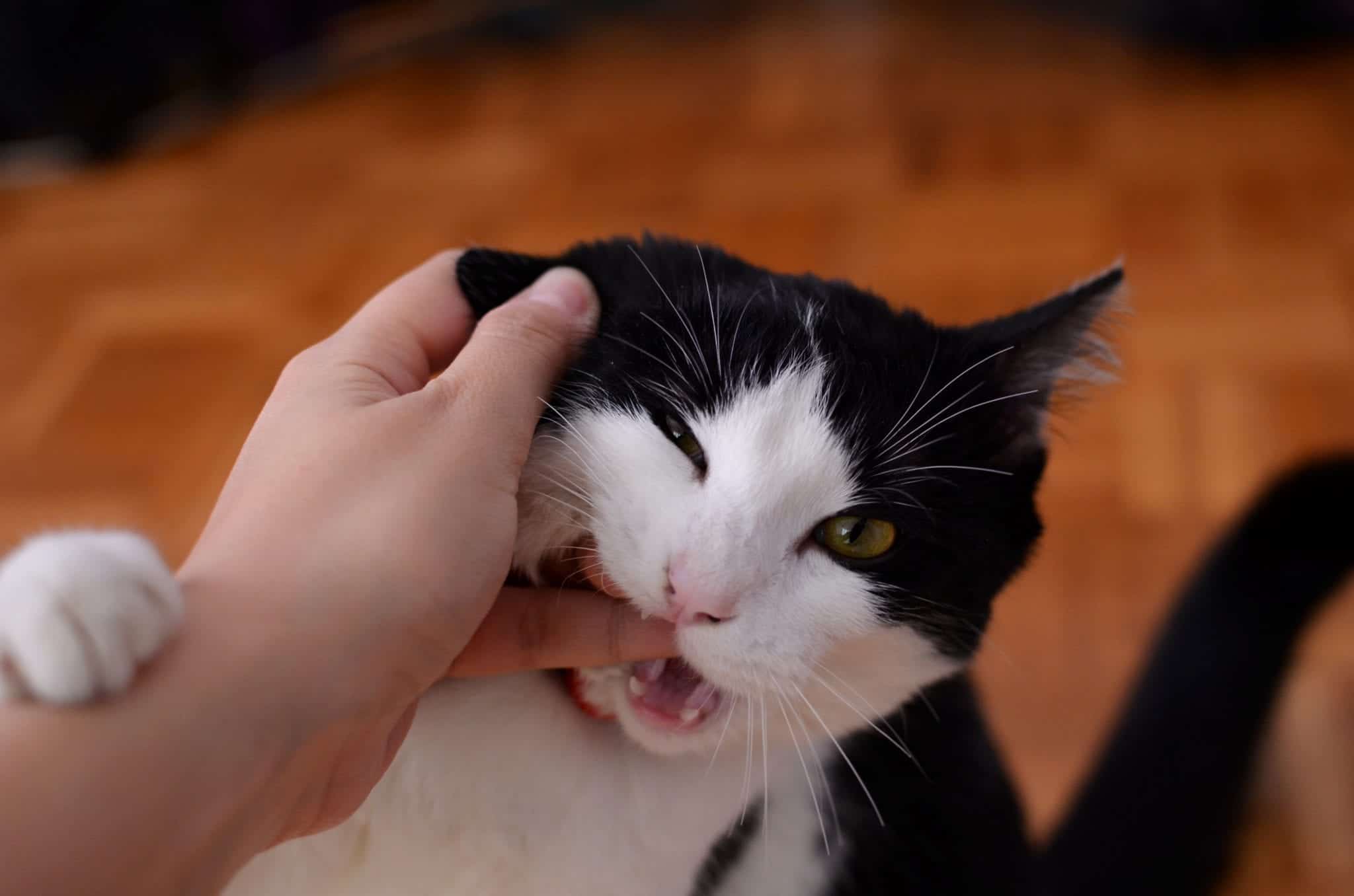
Credit: coleandmarmalade.com
Creating A Safe Environment
Cats may bite during petting due to overstimulation or discomfort. Understanding their body language helps create a safe space. Adjust petting techniques to ensure your cat feels secure and relaxed.
Creating a safe environment for your cat is crucial to reducing those unexpected bites. You might wonder why a typically affectionate pet suddenly turns into a tiny predator. Often, the root cause is discomfort or stress. A safe and comfortable space can significantly alter your cat’s behavior.Providing Safe Spaces
Every cat needs a place to retreat when feeling overwhelmed. This could be a quiet room, a cozy bed, or even a simple cardboard box. Ensure this space is away from loud noises and busy areas in your home. Consider my cat, Whiskers. She loved a corner by the window where she could watch birds without being disturbed. Your cat’s safe space should be as inviting and private. Where does your cat like to hide or relax?Offering Toys And Enrichment
Boredom can lead to frustration and unexpected nibbles. Providing a variety of toys can keep your cat entertained and mentally stimulated. Rotating toys every few days keeps them exciting. Engage your cat with interactive play sessions. A feather wand or a laser pointer can work wonders. Remember, a playful cat is often a happy cat. Are you keeping your cat entertained enough?Reducing Stress Factors
Cats are sensitive creatures. Even small changes in their environment can cause stress. Loud noises, new pets, or even rearranged furniture can be unsettling. Keep an eye on your cat’s behavior during changes. If you notice signs of stress, such as excessive grooming or hiding, consider what might be causing it. Have you recently made a change in your home that could be affecting your cat? Creating a safe environment isn’t just about physical spaces. It’s about understanding and responding to your cat’s emotional needs. With a little effort, you can reduce those unexpected bites and build a more trusting relationship with your feline friend.When To Seek Professional Help
Persistent biting from your cat during petting may signal discomfort or stress. If this behavior escalates, consider consulting a veterinarian or pet behaviorist. They can help identify underlying issues and provide guidance.
When your cat’s playful nibbles turn into unexpected bites, it can be confusing and concerning. Sometimes, these behaviors are normal, but other times, they may be a sign that something is off. So, when should you consider seeking professional help?Consulting A Veterinarian
Your first stop should be the veterinarian’s office. Cats might bite due to physical discomfort or underlying medical conditions. A vet can check for issues like dental problems or skin irritations that could cause your cat to lash out. I once had a cat who started biting more than usual. A quick vet visit revealed she had a toothache. The moment her dental issue was addressed, her biting reduced significantly. Do you notice any changes in your cat’s eating habits or energy levels? These might be red flags that require a vet’s expertise. Remember, your cat can’t tell you what’s wrong, so a vet’s evaluation is crucial.Engaging An Animal Behaviorist
If medical issues are ruled out, an animal behaviorist might be your next step. These professionals can decode the complex language of cat behavior. A behaviorist can help identify triggers that lead to biting and provide strategies to manage and modify your cat’s behavior. Have you ever wondered if your cat bites because of stress or anxiety? A behaviorist can offer insights and practical solutions tailored to your unique situation. Sometimes, simple changes in your environment or routine can make a big difference. Consider if your home has enough stimulating activities for your cat. Boredom can sometimes lead to negative behaviors like biting. Seeking professional help can provide peace of mind and a happier relationship with your furry friend.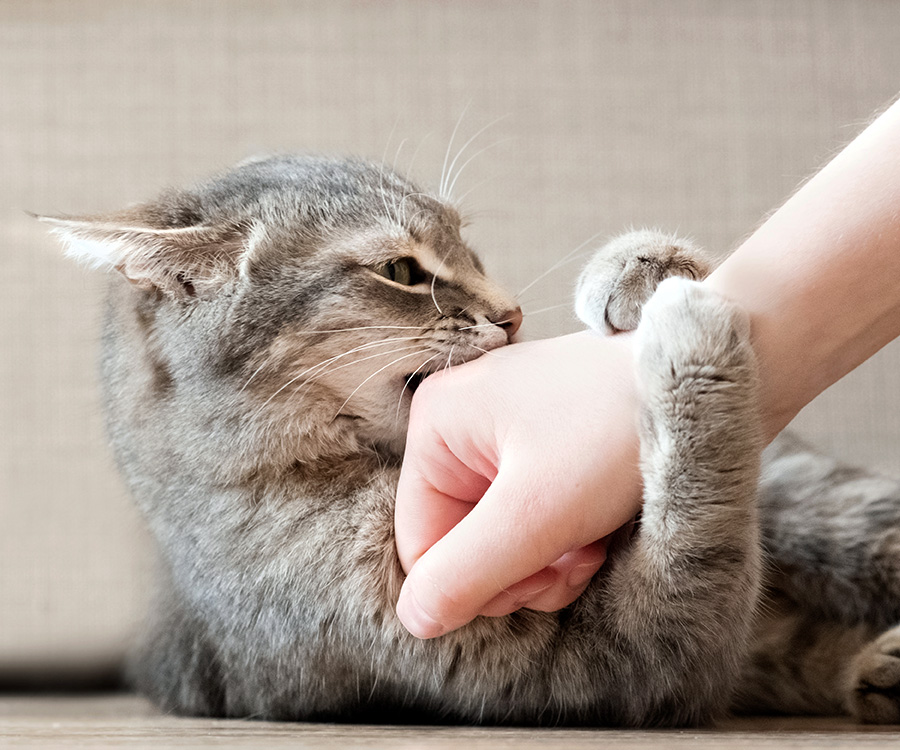
Credit: www.hartz.com
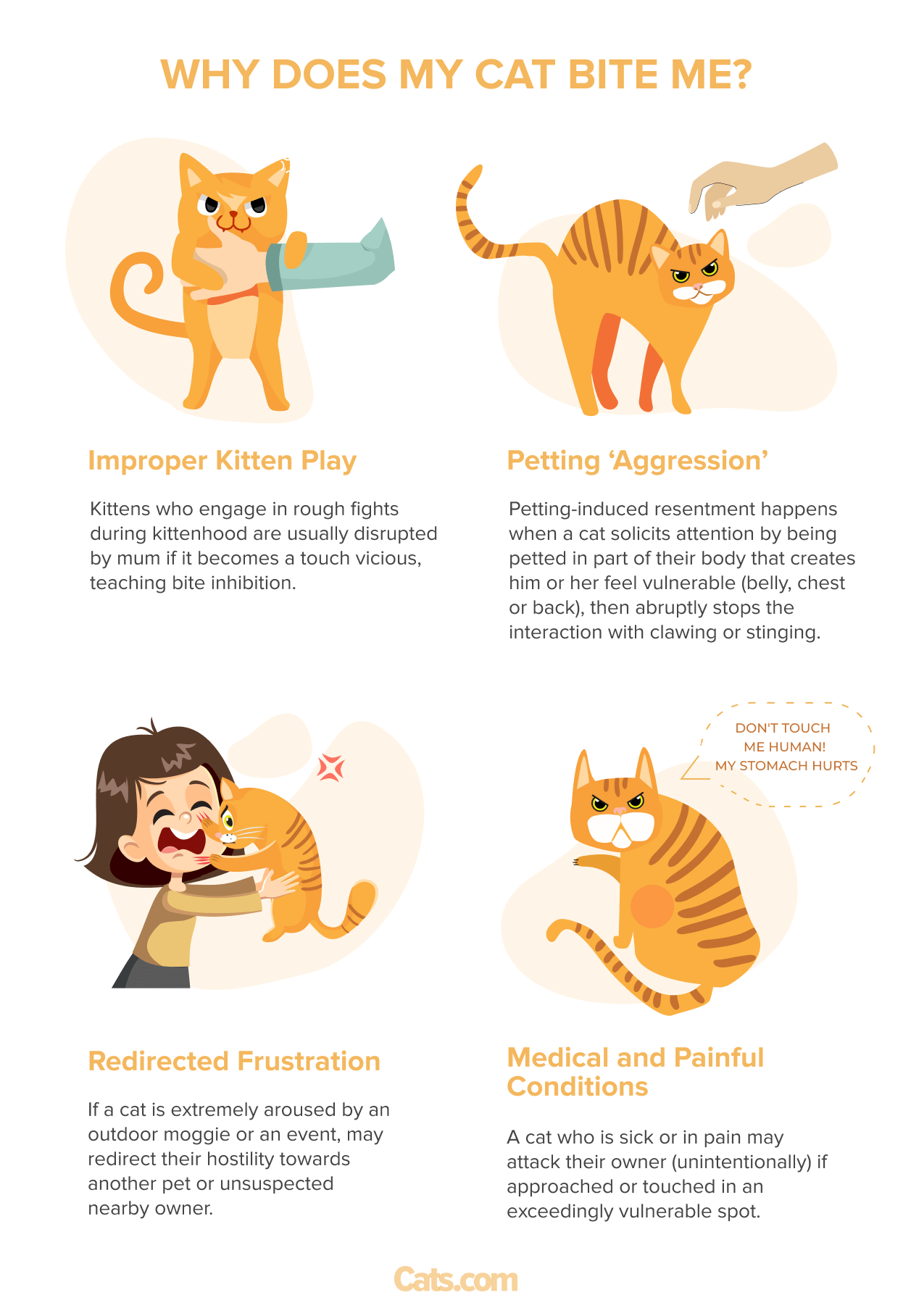
Credit: www.wb-iisg.com
Frequently Asked Questions
Why Does My Cat Want Me To Pet Her But Then Bites Me?
Cats often bite after petting due to overstimulation or sensitivity. They communicate discomfort or boundaries. Pay attention to their body language for signs like twitching tails or flattened ears. Offering breaks during petting can help. Understanding your cat’s cues can prevent biting incidents.
Why Does My Cat Bite During Petting?
Cats may bite during petting due to overstimulation. They might feel overwhelmed by too much petting. Some cats have sensitive areas, and touching them can trigger a bite. It’s essential to read your cat’s body language and stop when they show signs of discomfort.
How Can I Stop My Cat From Biting?
To stop your cat from biting, watch for signs of irritation. Pause petting if they seem agitated. Gradually desensitize them by gently petting and observing reactions. Reward calm behavior with treats. Consistent positive reinforcement can help reduce biting incidents over time.
Is Biting A Sign Of Affection In Cats?
Biting can sometimes be a sign of affection in cats. However, it’s usually a gentle nibble. If your cat bites softly, they might be showing love. It’s essential to distinguish between playful and aggressive biting. Understanding your cat’s behavior will help determine their intent.
Conclusion
Understanding your cat’s biting behavior helps strengthen your bond. Cats bite for many reasons. It could be playful or due to overstimulation. Observe your cat’s body language closely. Notice the signs before she bites. Ears back or tail twitching? Time to stop petting.
Always respect her boundaries. Provide toys to redirect her energy. Patience and love are key. Every cat is different. Learn what makes yours happy. Consistent actions build trust. A happy cat means a happy home. Enjoy the journey with your feline friend.