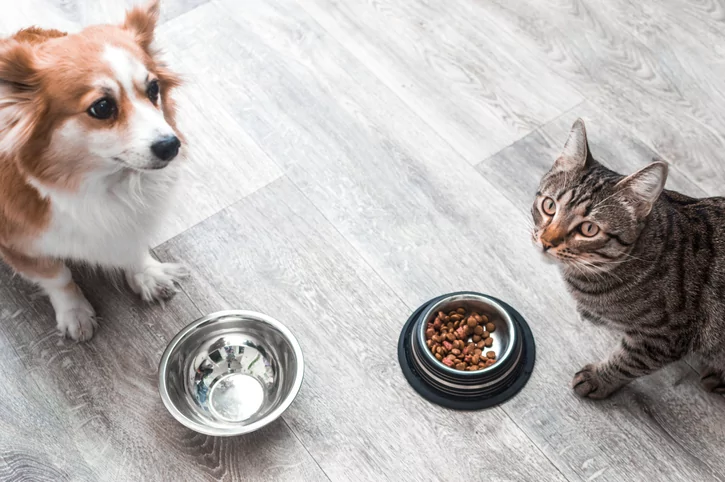
Your furry friend loves to explore, and sometimes that curiosity leads them to unexpected places—like your cat’s food bowl. You might be wondering, “What happens if my dog eats cat food?”
It’s a common scenario in many pet-loving households, and you’re not alone in seeking answers. The good news is, you’re about to uncover the truth behind this curious habit and find out how it affects your dog’s health. By understanding the differences between cat and dog nutrition, you’ll be better equipped to keep your pets healthy and happy.
Keep reading to discover why your dog is drawn to cat food, the potential risks involved, and how you can prevent this sneaky behavior. Your pet’s well-being is too important to leave to chance, so let’s dive in and unravel the mystery together.
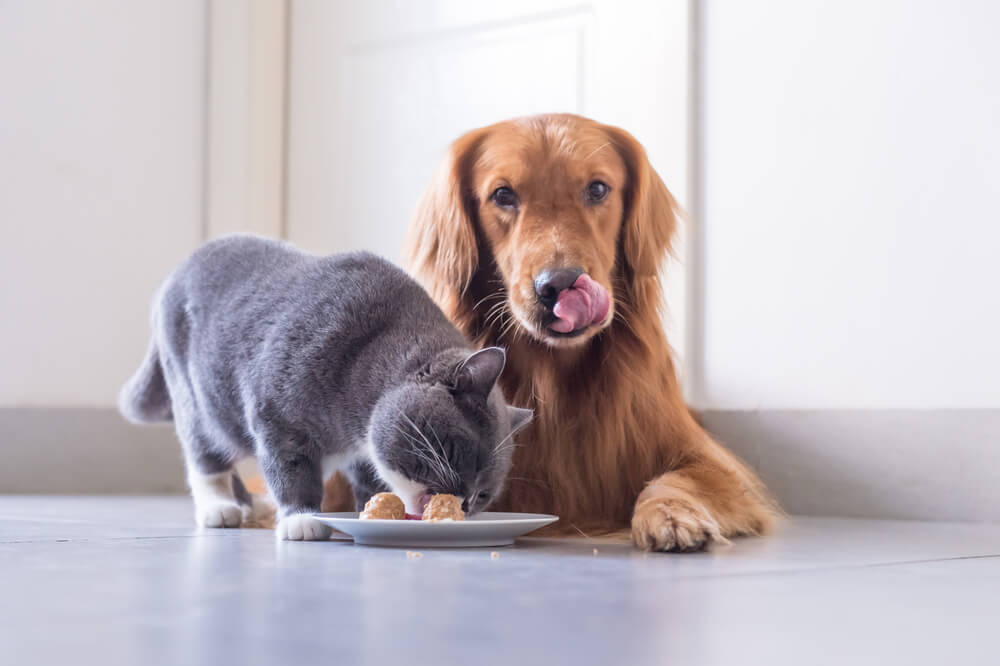
Credit: blog.myollie.com
Differences Between Dog And Cat Food
Understanding the differences between dog and cat food is crucial. Dogs and cats have unique dietary needs. Their foods reflect these differences. Feeding your dog cat food can cause health issues. Let’s explore the distinct features of dog and cat food.
Nutritional Composition
Dog food and cat food have different nutritional profiles. Dogs are omnivores. They need a balanced diet of proteins, carbohydrates, and fats. Cats are obligate carnivores. Their diet requires high protein and specific nutrients like taurine. Without taurine, cats can suffer serious health issues. Dog food lacks sufficient taurine for cats.
Cat food is higher in protein than dog food. This difference meets a cat’s dietary needs. Too much protein can be harmful to dogs. It could lead to kidney strain or obesity. Dog food contains more carbohydrates. This provides energy for active dogs. Cats do not need these extra carbs.
Ingredient Variations
Dog and cat foods use different ingredients. Cat food often has more meat. It provides essential amino acids. These are crucial for feline health. Dog food has a wider range of ingredients. It includes grains, vegetables, and meats. This variety supports a dog’s omnivorous diet.
Cat food often contains fish. It adds flavor and nutrients cats need. Dogs may not digest fish well. Cat food also has higher fat content. This satisfies a cat’s energy needs. High fat in a dog’s diet can lead to weight gain.
Preservatives and additives may vary too. Cat food may have more preservatives to maintain freshness. Dogs might react negatively to these preservatives. Always check ingredient lists. Ensure they suit your pet’s needs.

Credit: michupet.com
Why Dogs Might Eat Cat Food
Have you ever found your dog munching on cat food and wondered why? You’re not alone. Many dog owners experience this curious behavior, often leaving them puzzled and slightly amused. Dogs have their reasons for diving into the feline feast, ranging from behavioral quirks to the irresistible taste of cat food.
Behavioral Reasons
Dogs are naturally curious creatures. They explore their surroundings and sometimes indulge in things they shouldn’t. A change in your dog’s routine or environment can trigger this curiosity.
If your dog observes the cat eating, it might mimic the behavior just out of sheer interest. Dogs often act like copycats, especially if they perceive something as new or exciting.
Have you ever noticed your dog sniffing around the cat bowl after a meal? They might be seeking attention or acting out of boredom, turning to cat food as a source of entertainment.
Palatability Factors
Cat food is known for its rich aroma and taste, which can be very appealing to dogs. The higher protein content and unique flavors can entice your dog to sample a bite or two.
Some dog owners have reported that their pets show a preference for the smell of cat food over their own meals. This could be due to the different ingredients used in cat food formulations.
Imagine walking into a room filled with the delightful aroma of your favorite dish. That’s how enticing cat food can be for dogs. Have you ever thought about how your dog’s taste buds might be tickled by these feline feasts?
So, next time you catch your dog nibbling on cat food, remember it might be more than just a naughty act. How do you ensure your dog sticks to its own diet? Share your thoughts in the comments below!
Immediate Effects On Dogs
Dogs eating cat food might lead to stomach upset or diarrhea due to different protein and fat levels. Possible allergic reactions could occur if your dog is sensitive to certain ingredients in cat food. Immediate effects can vary, but monitoring for signs of discomfort is essential.
When your dog sneaks a bite of your cat’s food, you might wonder how it affects them immediately. Dogs and cats have different nutritional needs, and cat food is often richer in proteins and fats. This difference can lead to several immediate effects on your dog’s health. Let’s explore these effects to help you understand what to watch for.Digestive Discomfort
One of the most common immediate effects your dog may experience is digestive discomfort. This can manifest as stomach upset, diarrhea, or even vomiting. If your dog is sensitive, even a small amount of cat food could trigger these symptoms. Imagine the surprise of finding a mess on your carpet when you thought you’d be coming home to a wagging tail. It’s not just the cleanup; it’s a signal to monitor your dog’s diet more closely. You should watch for any changes in your dog’s bathroom habits following their culinary adventure.Energy And Activity Levels
Your dog’s energy levels might also take a hit after eating cat food. The high-fat content can make your dog feel sluggish or unusually tired. It’s like the feeling you get after a heavy meal that leaves you wanting nothing more than a nap. On the flip side, some dogs might experience a temporary spike in energy due to the extra calories. They might become hyperactive, bouncing off the walls before crashing into a deep sleep. Consider how this could disrupt your usual routine, from walks to playtime. Have you ever noticed your dog being less enthusiastic about their favorite toy or game after snacking on cat food? It’s a reminder of how critical it is to maintain a balanced diet tailored to your dog’s needs. Understanding these immediate effects can help you take better care of your furry friend. Keep an eye out and adjust their diet accordingly. After all, a happy and healthy dog is the best kind of company!Long-term Health Implications
Dogs consuming cat food regularly might face health issues. Cat food lacks nutrients essential for dogs. Over time, this can lead to obesity or digestive problems. Ensure a balanced diet for your dog to prevent long-term health risks.
Long-term health implications can arise if dogs eat cat food regularly. This behavior might seem harmless, but it can cause significant health issues over time. Understanding the potential risks helps in ensuring your dog’s well-being. Let’s explore how cat food affects a dog’s health in the long run.Potential Nutritional Deficiencies
Cat food doesn’t have all the nutrients dogs need. Dogs require different vitamins and minerals. Cat food is higher in protein, but lower in essential nutrients for dogs. Vitamin A is one such nutrient lacking in cat food for dogs. Deficiency in Vitamin A can lead to skin problems. Lack of proper nutrients can cause poor coat health. Over time, dogs might show signs of weakness or lethargy. This deficiency can also affect their immune system.Weight Gain And Obesity Risks
Cat food is calorie-dense, leading to weight gain in dogs. Dogs consuming cat food may face obesity issues. Extra weight can strain their joints. Obesity increases the risk of diabetes. Heart disease can also develop due to weight gain. A heavier dog has less energy for activities. This sedentary lifestyle can worsen health issues. Keeping a dog’s weight in check is crucial. Regular vet check-ups can help manage their weight.Signs Your Dog Ate Cat Food
Dogs eating cat food might show signs like upset stomach or vomiting. Excessive thirst or unusual energy levels can also occur. Regular consumption may lead to weight gain due to higher fat content in cat food.
Have you ever walked into the kitchen to find your dog munching away on your cat’s food? It happens more often than you’d think. While it might seem harmless, dog owners should be aware of the signs that their furry friend has indulged in feline cuisine. Understanding these signs can help you react quickly and ensure your pup stays healthy.Physical Symptoms
When a dog eats cat food, physical symptoms can appear quite rapidly. You might notice your dog experiencing digestive issues. This could include vomiting, diarrhea, or gas. These symptoms occur because cat food is rich in proteins and fats, which can be harsh on a dog’s digestive system. Keep an eye out for any changes in their appetite. If your dog suddenly refuses their regular meals, it could be a sign that their stomach is upset from the cat food. Also, check if they’re drinking more water than usual. This could indicate that the salty cat food has made them thirstier.Behavioral Changes
Beyond physical symptoms, your dog’s behavior might give clues that they’ve eaten cat food. They may appear more lethargic or less interested in their regular activities. This lethargy can result from an upset stomach or the extra calories making them feel sluggish. Another behavior to watch for is increased begging or scavenging. If your dog finds cat food tasty, they might start looking for more opportunities to sneak a bite. Are they spending more time around the cat’s feeding area? That’s a telltale sign they’re craving another taste. Understanding these symptoms can help you quickly identify if your dog has eaten cat food. Have you ever caught your dog in the act? Share your experience and how you handled it! It might just help another pet owner in the same situation.Steps To Take If Your Dog Eats Cat Food
Dogs often find cat food tasty, but it might upset their stomach. Observe your pet for any signs of discomfort, like vomiting or diarrhea. Contact your vet for advice if symptoms persist or if your dog consumes large amounts.
If your dog has just gobbled up a bowl of cat food, you might be wondering what to do next. Dogs eating cat food is more common than you think, and while it’s usually not a cause for panic, it’s important to know the steps to take. Addressing the situation promptly can prevent potential health issues and put your mind at ease. Let’s explore the actions you should consider if your furry friend decided that the cat’s dinner was too tempting to resist.Assessing The Situation
First, determine how much cat food your dog has eaten. Was it just a nibble or a full meal? A small amount might not be a big deal, but if your dog has consumed a significant portion, it could lead to digestive upset. Look for any immediate signs of distress in your dog. Are they showing symptoms like vomiting, diarrhea, or excessive thirst? These could be indicators that their stomach isn’t agreeing with the cat food. Check the ingredients of the cat food. Some ingredients might not be suitable for dogs, especially if your dog has specific allergies or dietary restrictions. Have you noticed any reactions to certain foods before?When To Contact A Veterinarian
If your dog shows signs of severe discomfort or distress, contact your veterinarian immediately. Symptoms like continuous vomiting, lethargy, or difficulty breathing are red flags. Consider the frequency of these incidents. If your dog regularly gets into the cat food, it might be time to discuss dietary adjustments or behavioral training with your vet. Reach out to a professional if you’re unsure. It’s always better to ask questions and ensure your pet’s safety than to second-guess yourself. Do you have your vet’s contact information handy for emergencies? Remember, while your dog might have enjoyed their little feast, your quick response can prevent any potential health issues. Always monitor their behavior closely and don’t hesitate to seek professional advice when needed. How will you keep the cat food out of reach next time?Preventing Access To Cat Food
Dogs eating cat food can lead to digestive problems. This includes upset stomachs and diarrhea. Additionally, cat food often lacks essential nutrients for dogs, leading to long-term health issues. Keep your dog’s diet separate to ensure balanced nutrition.
Preventing your dog from accessing cat food can be a crucial step in maintaining their health. While it might seem harmless, cat food is formulated differently and can lead to potential health issues in dogs. Ensuring your dog sticks to their own diet requires some strategic planning and adjustments at home.Feeding Strategies
One effective way to keep your dog from eating cat food is to create separate feeding schedules. Consider feeding your cat and dog at different times. This way, you can supervise their meals and prevent any sneaky snacking. If you have a busy schedule, automatic feeders for your cat can be a lifesaver. These devices dispense food at set times, reducing the chance of your dog having access to it. It’s a practical approach, especially if your dog is a curious eater. Another strategy is to place cat food in elevated areas. Cats can easily jump to higher surfaces that dogs can’t reach. A table or a countertop could be the perfect spot for your cat’s meal, keeping it out of your dog’s reach.Environmental Adjustments
Adjusting your home environment can also help in preventing access to cat food. Consider installing a pet gate to create a separate feeding area for your cat. This can be a simple yet effective barrier to keep your dog out. Using baby locks on cabinets where you store cat food is another preventive measure. Dogs are clever and can often get into places you might not expect, so securing these areas can provide peace of mind. Think about the layout of your home. If your cat’s food is in a room that your dog frequently visits, relocating the feeding station can make a difference. Choose a less accessible room for your dog, perhaps one with a door that can be closed when needed. Remember that consistency is key. Whatever changes you make, stick to them and monitor your pets’ behavior. Your commitment to these strategies will help keep your dog healthy and cat food-free.Alternatives To Cat Food For Dogs
If your dog has been munching on cat food, you might be wondering what alternatives are best suited for them. While cat food isn’t harmful in small quantities, it’s not ideal for long-term health. Providing your dog with appropriate alternatives can ensure they get the nutrients they need without compromising their well-being. Let’s dive into some options that can replace cat food for your furry friend.
Healthy Dog Treats
Ever watched your dog’s tail wag when you offer a treat? It’s pure joy. Treats can be a great alternative to cat food, offering both nutrition and happiness. You can opt for homemade treats, like frozen yogurt bites mixed with peanut butter. They’re easy to make and your dog will love them!
Commercial dog treats are also an option. Look for ones with natural ingredients like pumpkin or sweet potato. These treats not only taste great but also provide essential vitamins.
Think about your dog’s favorite flavors. You might find that a carrot stick or a slice of apple can be just as enticing as any store-bought treat.
Balanced Dog Diet Options
Have you considered a balanced diet for your dog? It’s essential for their health. Unlike cat food, dog-specific diets cater to their unique nutritional needs, ensuring they grow strong and stay healthy.
Opt for high-quality dog food brands that list meat as the first ingredient. This ensures they get the protein they need. Adding veggies like spinach or peas can further enhance their diet.
Why not try a mix of wet and dry dog food? It gives variety in texture and taste, keeping meals exciting for your pet. Remember to consult your vet to tailor the perfect diet plan for your dog.
Is your dog a picky eater? You can slowly introduce new foods to them, making mealtime an adventure rather than a chore.
Are you ready to make the switch from cat food to dog-friendly options? Your dog deserves the best, and with these alternatives, you can ensure they stay happy and healthy. What changes will you make in their diet today?
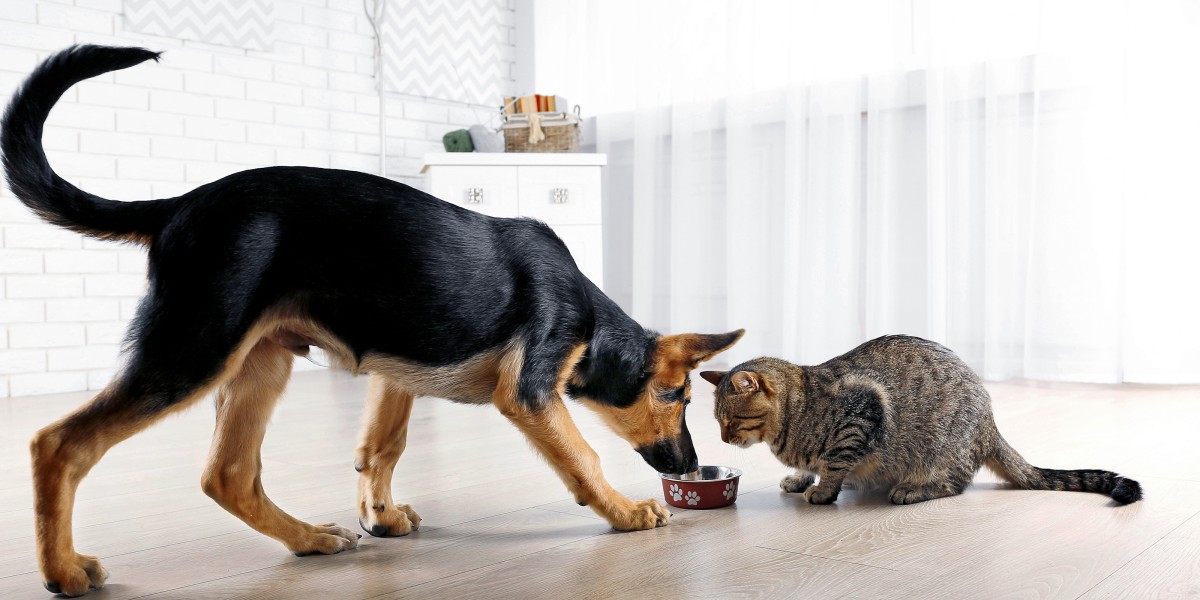
Credit: www.purina.com
Frequently Asked Questions
What Should I Do If My Dog Eats Cat Food?
Monitor your dog for any signs of discomfort or illness. Contact your vet if symptoms like vomiting occur. Prevent future access to cat food by storing it out of reach. Offer your dog their regular food to maintain a balanced diet.
How Long Will My Dog Be Sick After Eating Cat Food?
Dogs may feel unwell for a few hours to a day after eating cat food. Symptoms include vomiting or diarrhea. If symptoms persist beyond a day, consult a veterinarian immediately for proper advice and care. Always monitor your dog after accidental cat food consumption.
Is Cat Food Harmful To Dogs?
Cat food is not ideal for dogs due to different nutritional needs. Dogs may experience digestive issues or obesity. Feeding dogs cat food occasionally is unlikely to cause harm, but regular consumption is not recommended. Always provide food specifically formulated for dogs to ensure their health and well-being.
Can Dogs Safely Eat Cat Food?
Dogs can eat cat food occasionally without harm. However, cat food lacks nutrients essential for dogs. It’s higher in protein and fat, which may upset a dog’s stomach. Regular consumption can lead to obesity or nutritional imbalances. Always prioritize feeding your dog a balanced diet specifically formulated for them.
Conclusion
Dogs eating cat food can cause health issues. This is due to different nutritional needs. Cats require more protein. Dogs need balanced nutrients. Occasional consumption might not harm your dog. But regular intake isn’t ideal. Watch for signs like vomiting or diarrhea.
Consult a vet if symptoms persist. Better safe than sorry. Provide dog food suited to your pet’s needs. Always keep pet foods separate. Your dog’s health matters. Prevention is key. Keep them happy and healthy. It’s vital for their well-being.
Protect your furry friend with proper nutrition.