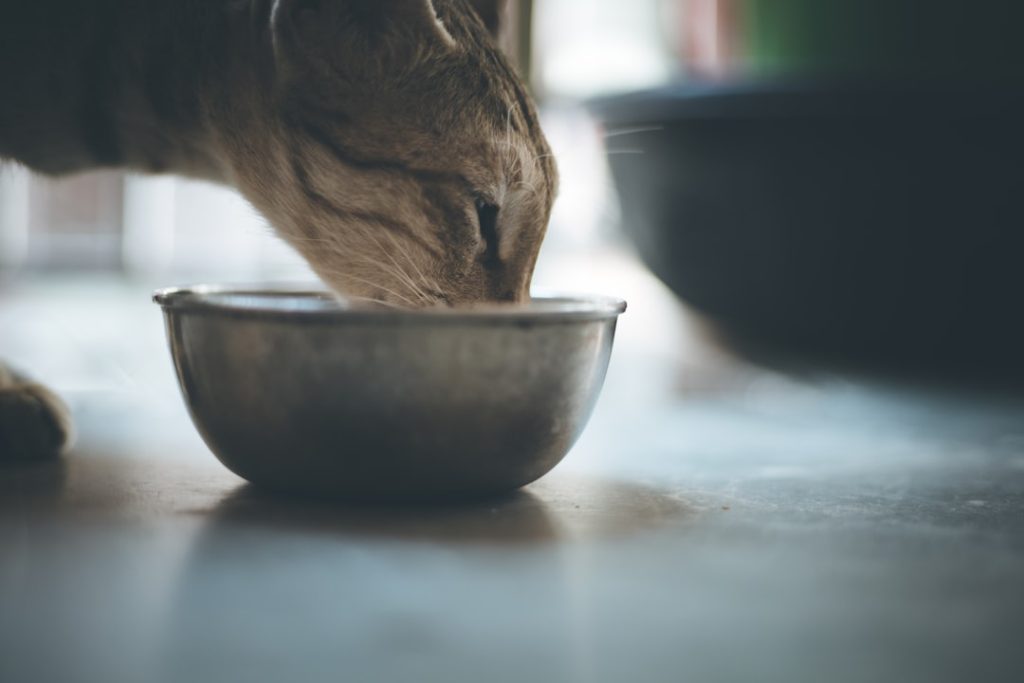
Imagine this: you run out of dog food and decide to feed your furry friend some cat food instead. It seems harmless, right?
But then you wonder, could this choice actually make your dog sick? If you’ve ever been in this situation or are simply curious about the dietary needs of your pets, you’re not alone. Understanding the differences between cat and dog nutrition is crucial for your pet’s health.
We’ll explore why feeding cat food to dogs might not be the best idea and what potential risks it poses. Stick around to discover the facts, ensure your pet’s well-being, and maybe even save yourself from an unexpected trip to the vet.

Credit: www.greensafaris.com
Differences Between Cat And Dog Food
Cat food and dog food have different nutritional needs. Cat food contains higher protein and fat levels. This can upset a dog’s stomach, leading to digestive problems.
Understanding the differences between cat and dog food is crucial for any pet owner. You might think that since both are furry friends, their food could be interchangeable. But this assumption could lead to health issues for your beloved pets.Nutritional Requirements
Cats and dogs have distinct nutritional needs. Cats are obligate carnivores, which means they need a diet high in protein and fat. Dogs, on the other hand, are omnivores. They thrive on a more varied diet that includes proteins, carbohydrates, and vegetables. Have you ever noticed your cat’s obsession with meat-based treats, while your dog seems just as happy with a carrot stick? This is due to their differing nutritional needs.Ingredient Composition
The ingredients in cat food and dog food differ significantly. Cat food often contains higher levels of taurine, an amino acid essential for their heart and vision health. Dog food, however, includes ingredients that support their more diverse diet, such as grains and vegetables. If you’ve ever run out of dog food and considered using cat food as a quick fix, think again. The higher protein content in cat food might upset your dog’s stomach or lead to nutrient imbalances over time. When you look at the labels, do you notice how cat food lists more animal-based ingredients compared to dog food’s mixed composition? This is intentional and necessary for meeting each species’ unique dietary needs. Understanding these differences not only helps you make informed choices but also ensures your pets live a healthy and happy life. Have you ever caught your dog sneaking a bite from the cat’s bowl? Knowing the risks can help you prevent any potential health issues.Potential Risks Of Cat Food For Dogs
Feeding dogs cat food can cause digestive issues and nutritional imbalances. Dogs need different nutrients than cats. Frequent consumption may lead to vomiting or diarrhea in dogs. Always ensure your pet eats the right food for its species.
Cat owners who also have dogs might wonder if sharing cat food with their canine companions is safe. While it might seem convenient, giving your dog cat food can lead to several health issues. Understanding the potential risks can help you make informed decisions about your pet’s diet.Digestive Issues
Feeding your dog cat food can lead to digestive problems. Cat food is richer and more protein-dense than dog food, which can upset your dog’s stomach. You might notice symptoms like diarrhea or vomiting, which are signs that your dog’s digestive system is struggling to process the cat food. I once gave my dog a small amount of cat food, thinking it wouldn’t hurt. Within hours, he had an upset stomach and seemed uncomfortable. It’s a reminder that even small amounts can cause distress. Have you ever wondered why dogs have such sensitive stomachs? Their digestive systems are not equipped to handle the high fat content in cat food. This can lead to more than just a tummy ache—it might cause serious digestive ailments over time.Nutrient Imbalance
Cat food is formulated specifically for cats’ nutritional needs, not dogs’. Dogs require a different balance of nutrients to stay healthy. Feeding your dog cat food regularly can lead to nutrient imbalances. For example, cat food often contains taurine, which is essential for cats but not necessary for dogs. Conversely, dogs need more fiber than cats, which cat food lacks. Over time, this imbalance can affect your dog’s health, leading to deficiencies or excesses in their diet. Think about it—would you eat a diet meant for someone else, knowing it lacks what your body needs? The same logic applies to your dog. Ensuring your dog gets the right nutrients is crucial for their well-being. Have you ever noticed how your dog might eagerly eat anything, including cat food? It’s up to you to ensure they get the right diet. Avoid the temptation of convenience and choose the right food for your pet.Common Symptoms In Dogs
Feeding your dog with the wrong type of food can lead to unexpected health issues. Cats and dogs have different nutritional needs, and giving your dog cat food can cause discomfort and illness. If you’ve ever wondered, “Can cat food make dogs sick?” understanding the common symptoms in dogs can be crucial in identifying and addressing any potential problems early.
Signs Of Illness
Your dog may exhibit various signs of illness after consuming cat food. Vomiting is a common symptom, as the rich ingredients in cat food can upset a dog’s stomach. Diarrhea might also occur, making it crucial to monitor your dog’s bathroom habits closely.
Notice any changes in your dog’s appetite? They might refuse their regular dog food after having a taste of the more flavorful cat food, leading to nutritional deficiencies. Weight fluctuations, either gain or loss, can also be a sign that something isn’t right.
Behavioral Changes
Have you observed any odd behavior in your dog after they’ve had a sneak taste of cat food? They might become lethargic, spending more time sleeping or lying around than usual. This could be due to the high protein and fat content in cat food, which isn’t suitable for dogs.
On the flip side, some dogs might become restless or show signs of hyperactivity. If your usually calm pup is suddenly bouncing off the walls, it might be related to what they’ve eaten. Mood swings can also occur, with your dog seeming more irritable or anxious.
Have you faced these issues before with your furry friend? Recognizing these symptoms early can help you prevent more serious health problems. Always keep an eye on what your dog eats and consult a vet if you notice these symptoms persisting.

Credit: propelbikes.com
Long-term Health Implications
Feeding dogs cat food might seem harmless. Many pet owners assume all animal food is similar. Yet, cat food has different nutrients. Over time, it can affect a dog’s health. Dogs eating cat food regularly face serious health issues.
Impact On Organ Function
Cat food has high protein levels. Dogs need less protein than cats. Excess protein stresses a dog’s kidneys. Over time, kidney function may decline. Liver health can also be impacted. This may lead to serious illnesses.
Weight Management Challenges
Cat food contains more fat. Dogs eating it often gain weight. Obesity in dogs leads to joint pain and diabetes. Extra weight makes daily activities harder. It reduces their quality of life. Maintaining a healthy weight is crucial for dogs.
Preventative Measures
Many pet owners often wonder if cat food can make their dogs sick. The simple answer is yes, it can. Cats and dogs have different nutritional needs, and feeding your dog cat food can lead to health issues. However, with the right preventative measures, you can ensure both your furry friends stay healthy and happy. Let’s explore how you can keep your pets safe.
Keeping Pets Separate
One of the simplest ways to prevent your dog from eating cat food is to keep their feeding areas separate. Designate a specific spot in your home for your cat’s meals that is out of reach for your dog. If your home allows, consider feeding your cat in a room with a door that can be closed during mealtime.
Raising the cat’s food bowl to a higher spot, like a counter or shelf, can also work wonders. Dogs often can’t reach these elevated spaces, whereas cats can easily jump up. This physical barrier ensures your dog doesn’t have access to food that might harm them.
Educating Pet Owners
Your role as a pet owner is crucial in safeguarding the health of both your cat and dog. Understanding the nutritional differences between cat and dog food is essential. Cats need more protein and certain vitamins that are not suitable for dogs in large amounts.
Have you ever considered reading labels more carefully? By doing so, you’ll gain insight into what each pet requires and how to provide it correctly. Engaging with your vet can also offer valuable guidance tailored to your pets’ needs.
Are you aware of the signs when your dog might have eaten something they shouldn’t have? Symptoms like vomiting, diarrhea, or lethargy can be a red flag. Quick response and seeking professional help can prevent potential health complications.
By taking these preventative steps, you ensure your pets enjoy their meals without sharing the wrong kind of food. It’s all about understanding their needs and creating a safe environment for them to thrive. So, what’s your plan to keep your pets’ diets separate and safe?
Veterinary Recommendations
Cats and dogs have different dietary needs. Feeding dogs cat food can lead to digestive issues or health problems. Veterinarians suggest sticking to dog food to ensure proper nutrition and avoid potential sickness.
Feeding your dog the right food is crucial for their health and well-being. While it might seem harmless to share your cat’s food with your dog, veterinary experts strongly advise against it. Cats and dogs have different nutritional needs, and what’s good for one might not be for the other. Understanding veterinary recommendations can help you make informed choices for your furry companions.Dietary Advice
Veterinarians often emphasize the importance of species-specific diets. Cat food typically contains higher levels of protein and fat, tailored to a cat’s nutritional needs. Dogs, on the other hand, require a more balanced diet with a mix of proteins, carbohydrates, and fats. Feeding dogs cat food occasionally might not seem harmful, but over time, it can lead to nutritional imbalances. Would you risk your dog’s health for convenience? Most vets recommend sticking to dog-specific food. They might also suggest consulting with them if you’re considering any dietary changes for your pet. Always read labels and choose foods that meet your dog’s age, size, and activity level.Monitoring Health
Keeping an eye on your dog’s health is essential if they’ve consumed cat food. Dogs might experience digestive issues such as vomiting or diarrhea. This can happen because their stomachs aren’t accustomed to the rich nutrients in cat food. If your dog shows signs of illness after eating cat food, consult your vet immediately. Early detection can prevent potential health issues from escalating. Are you attentive to the subtle changes in your dog’s behavior and health? Regular check-ups with your vet can help monitor your pet’s health. If you notice anything unusual, don’t hesitate to seek professional advice. Your vigilance can ensure your dog leads a healthy and happy life.
Credit: www.petmd.com
Frequently Asked Questions
What Happens If My Dog Eats Cat Food?
Dogs eating cat food occasionally is usually not harmful. Cat food is higher in protein and fat, which may cause digestive upset. Watch for vomiting or diarrhea. Frequent consumption can lead to obesity or pancreatitis. Consult your vet for guidance if symptoms persist or if your dog eats cat food regularly.
Can Cat Food Cause Issues In Dogs?
Yes, cat food can cause issues in dogs. It is high in protein and fat, which may lead to digestive problems, obesity, or pancreatitis in dogs. Always feed pets their species-specific food to ensure balanced nutrition and health.
How Long Will A Dog Be Sick After Eating Cat Food?
Dogs usually recover from eating cat food within 24 hours. Monitor for any signs of discomfort or illness. If symptoms persist or worsen, consult a veterinarian for advice. Always ensure your dog has access to appropriate dog food for their health and well-being.
What Are The Side Effects Of A Cat Eating Dog Food?
Cats eating dog food may face nutritional deficiencies, weight loss, and digestive issues. Dog food lacks essential nutrients like taurine, vital for cats. Prolonged consumption can lead to heart problems or vision issues. Always provide cat-specific food to ensure their health and well-being.
Consult a vet for concerns.
Conclusion
Feeding dogs cat food is risky. Different nutrients can cause health issues. Dogs need a balanced diet tailored for them. Cat food lacks specific vitamins for dogs. Over time, this can lead to nutritional deficiencies. Always choose dog-specific food for your canine friend.
Keep cat food out of reach. Consult a vet if your dog eats cat food. Prevention is better than cure. Ensure your dog stays healthy and happy. Proper diet leads to better well-being. Make informed choices for your pet’s health.
Your dog deserves the best care and nutrition.