How to Train My Cat to Walk on a Leash: Step-by-Step Guide
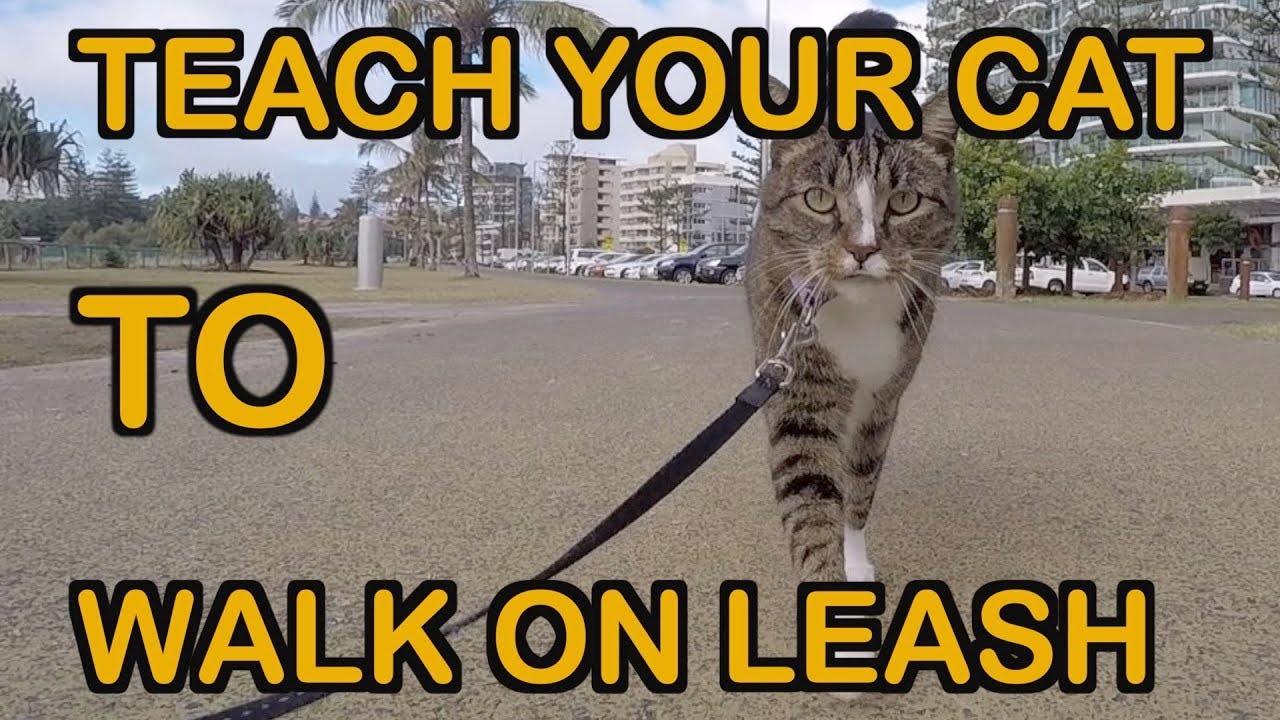
Imagine the joy of strolling through the park with your feline friend confidently striding alongside you. Sounds incredible, right?
Training your cat to walk on a leash opens up a world of adventure and bonding that both you and your pet will cherish. While it might seem like a daunting task, it’s entirely possible with the right approach. You might think, “My cat is independent and stubborn—can this really work?
” But with patience, understanding, and the right techniques, you can transform your indoor kitty into an outdoor explorer. You’ll discover simple, effective steps to guide your cat onto a leash and into a whole new world of exploration. Ready to unlock new experiences for you and your furry companion? Let’s dive in and make it happen!
Choosing The Right Leash And Harness
Select a comfortable and secure leash and harness to train your cat to walk outside. Opt for a lightweight design that fits snugly without being too tight. Ensure the harness has safety features to keep your cat safe during outdoor adventures.
Training your cat to walk on a leash can be a fun and rewarding experience. However, the success of this adventure largely depends on choosing the right leash and harness. Your cat’s comfort and safety should always come first. Let’s dive into understanding how to make the best choice for your feline friend.Types Of Leashes
When picking a leash, think about the length and material. A standard leash is usually around four to six feet long, offering a good balance between freedom and control. Retractable leashes provide more freedom but can be tricky to manage, especially if you’re new to leash training. They can sometimes cause unexpected jerks, which might startle your cat. Do you want something durable? Nylon leashes are lightweight and strong, great for everyday use. If you’re looking for something more stylish, leather is a classic choice. However, consider the weather in your area; leather might not hold up well in rain.Selecting A Suitable Harness
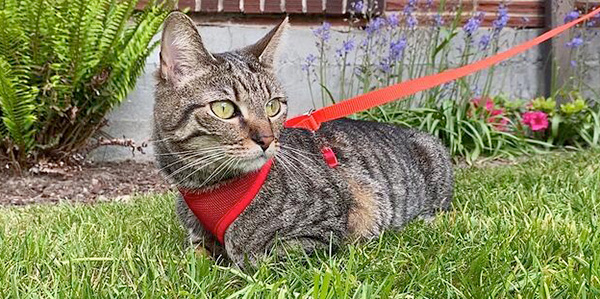
The harness is perhaps the most crucial part of the setup. It should be comfortable and secure to prevent any escape attempts. H-style harnesses are popular because they are easy to put on and adjust. They have a simple design that distributes pressure evenly across your cat’s body. For more adventurous cats, a vest-style harness might be a better option. These provide more coverage and can feel like a comforting hug for your feline, reducing anxiety. It’s essential to measure your cat’s chest and neck before purchasing. Most harnesses come with adjustable straps, but starting with a close fit helps. My cat, Bella, is a master escape artist, so I found a snug vest-style harness worked best. Have you ever tried on a pair of shoes that just didn’t fit right? Your cat feels the same discomfort with a poorly fitting harness. Always check for any signs of discomfort or irritation once the harness is on. Remember, your cat’s comfort and safety are the main priorities. With the right leash and harness, you’re setting the stage for enjoyable walks together. Wouldn’t you want the best gear for your feline companion?Getting Your Cat Comfortable
Training your cat to walk on a leash can be an exciting adventure for both of you. However, getting your cat comfortable with this new experience is essential to ensure a smooth transition. Cats are creatures of habit, and introducing them to something unfamiliar requires patience and understanding. You want to make this journey enjoyable rather than stressful. So, how can you get your feline friend comfortable with a harness and leash? Let’s explore some practical steps.
Introducing The Harness
The harness is the first step in leash training. Choose a harness specifically designed for cats, ensuring it’s secure yet comfortable. Soft fabrics that don’t irritate your cat’s skin are ideal.
Begin by letting your cat sniff and examine the harness. Leave it near their favorite resting spot so they can get familiar with its presence. Do this for a couple of days to build curiosity.
Once your cat seems curious about the harness, try putting it on without fastening it. Allow your cat to wear it around the house for short periods. Reward them with treats and praise to create positive associations.
Familiarizing With The Leash
After your cat is comfortable with the harness, it’s time to introduce the leash. Attach the leash to the harness and let your cat drag it around the house. This helps them get used to the weight and movement.
Supervise your cat as they explore with the leash. Make sure it doesn’t get tangled or stuck in places. You want this experience to be as smooth as possible.
Gradually start holding the leash while walking with your cat indoors. Use gentle guidance to lead them, rewarding them when they follow your direction. This builds trust and cooperation.
Training your cat to walk on a leash requires patience and a gentle approach. What strategies have you found effective in making your cat comfortable with new experiences? Share your thoughts in the comments below!
Practicing Indoors
Training a cat to walk on a leash begins indoors for safety. Start with a comfortable harness. Gradually introduce the leash, allowing the cat to explore its surroundings at its own pace.
Training your cat to walk on a leash requires patience. Practicing indoors creates a safe environment. It helps your cat feel comfortable and confident. Start with short sessions to avoid overwhelming your pet. This section covers indoor training steps that make the process smoother.Leash Training Inside
Begin by introducing the leash and harness. Let your cat sniff and explore them. This helps in building familiarity. Attach the harness gently and adjust it for comfort. Keep it loose enough to move but tight enough to stay on. Allow your cat to wear the harness without the leash first. This step helps your cat get used to the sensation. Once your cat seems comfortable, attach the leash. Let your cat drag it around. This way, it gets accustomed to the weight and feel. Gradually start holding the leash, keeping the sessions short. Use gentle tugs to guide your cat. Avoid pulling too hard, as it can scare them. Patience is key during this phase.Reward-based Training
Use treats to encourage positive behavior. Reward your cat for wearing the harness calmly. Give treats for taking steps with the leash attached. Praise your cat with a soothing voice. Positive reinforcement creates a pleasant association with the leash. Be consistent with rewards for best results. Playtime can be a reward too. After a successful session, engage your cat in a favorite activity. This reinforces the experience positively. Offer treats immediately after desired actions. This helps your cat link good behavior with rewards. Keep a treat bag handy for quick rewards. Training indoors sets a strong foundation. It prepares your cat for outdoor adventures. Remember to stay patient and positive. Your cat will gradually learn to enjoy walks with you.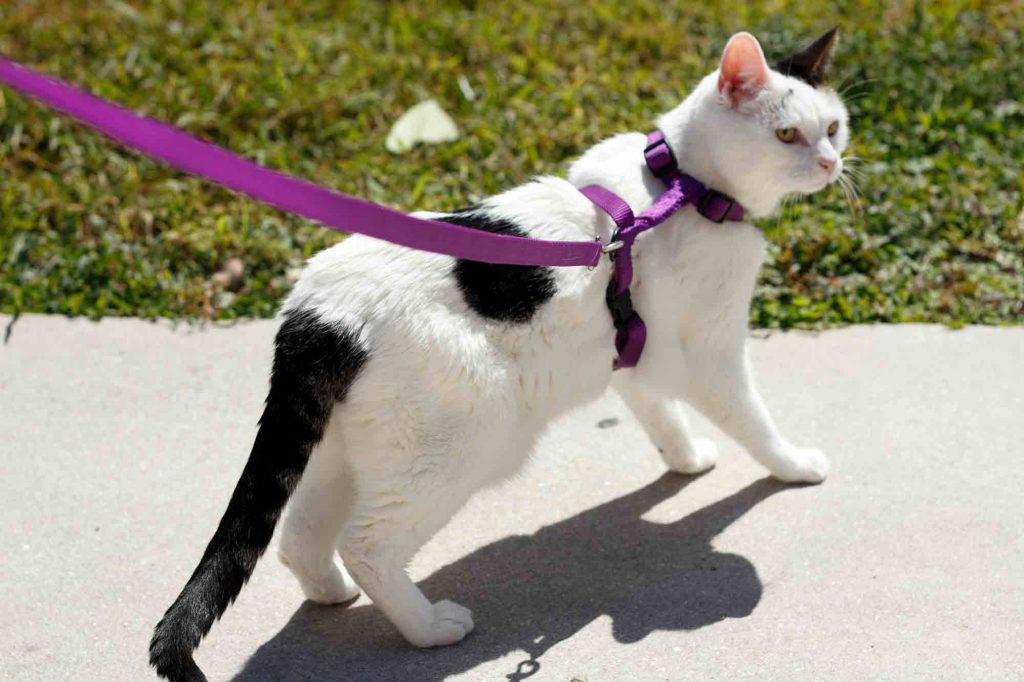
Credit: www.lonetreevet.com
Taking Your Cat Outdoors
Training a cat to walk on a leash can be a fun experience. Start by letting your cat get used to the harness indoors. Gradually introduce the leash, ensuring your cat feels comfortable and safe. Take short, calm walks in quiet areas to build confidence.
Taking your cat outdoors can open up a new world of exploration and bonding. Imagine the joy of watching your cat’s curiosity peak as they sniff the air and listen to the rustle of leaves. It’s a rewarding experience, but it requires patience and preparation. Your cat’s safety and comfort should be your priority, and this begins with selecting the right environment and introducing them gradually to the great outdoors.Choosing A Safe Location
Start with a quiet and secure area. Think of places like your backyard or a nearby park. Avoid busy streets or areas with lots of dogs. Check the ground for sharp objects or toxic plants. Keep an eye out for potential escape routes. A safe location ensures your cat won’t be overwhelmed or endangered. Choose a spot where you both can relax and enjoy the moment.Gradual Introduction To Outdoor Spaces
Begin indoors with the leash attached, allowing your cat to get used to the feeling. This familiarizes them with the sensation before stepping outside. Once comfortable, move to an enclosed outdoor space. Let your cat explore at their own pace. Praise them with treats or gentle words to build positive associations. Patience is key; give your cat time to adjust and feel secure. — Have you ever wondered what your cat dreams of when gazing out the window? By following these steps, you’re setting the stage for those dreams to come alive, safely and enjoyably.Handling Challenges
Training your cat to walk on a leash can be challenging. Cats are naturally independent creatures. They might resist the leash initially. Understanding common challenges is key. It’s crucial to handle these challenges with patience. This section dives into two main obstacles: fear and anxiety, and unwanted behaviors.
Addressing Fear And Anxiety
Cats may feel scared when first introduced to a leash. Fear can lead to anxiety and stress. Start by getting your cat used to the harness indoors. Let them wear it without attaching the leash. Praise them and offer treats during this process. Gradually introduce the leash by letting them drag it around. Supervise them closely. This helps them associate the leash with positive experiences.
Use calm and soothing voices. Avoid sudden movements around them. This can help reduce anxiety. Create a safe environment. Allow them to explore at their own pace. Encourage them with gentle strokes and reassuring words. Building trust is vital. It will make the transition to outdoor walks smoother.
Dealing With Unwanted Behaviors
Some cats may display unwanted behaviors on a leash. They might pull, refuse to move, or try to escape. Address these behaviors early. Use a firm but gentle approach. If they pull, stop walking and wait. Reward them when they stop pulling. This teaches them to walk calmly.
Distract them with toys or treats if they refuse to move. This can motivate them to walk. Consistent training is essential. Avoid punishing them. Punishment can lead to more resistance. Focus on rewarding positive behavior. This encourages them to repeat it.
Training a cat takes time and patience. Stay committed and patient. Celebrate small successes. This builds confidence in your cat. Enjoy the journey of training your feline friend.
Credit: www.preventivevet.com
Maintaining Consistency
Start with short, regular sessions. Keep the environment calm and reward your cat with treats. Consistency is key for success.
Maintaining consistency is crucial in training your cat to walk on a leash. Cats thrive on routine. A steady approach helps them feel secure and confident. This ensures progress while reducing stress for both you and your cat. Below, discover how a regular schedule and tracking progress can support your training efforts.Regular Training Schedule
A regular training schedule builds trust between you and your cat. Set aside time each day for leash training sessions. Keep each session short, around 10 to 15 minutes. Consistent timing helps your cat know what to expect. This routine builds confidence and reduces anxiety. Choose a quiet space for these sessions. This limits distractions and helps your cat focus. Gradually introduce new environments as your cat becomes more comfortable. This step-by-step approach helps in adapting to new experiences.Tracking Progress
Tracking your cat’s progress keeps you informed about improvements. Keep a journal or use a simple app. Record each session’s details. Note your cat’s reactions and any achievements. This helps identify patterns and areas needing improvement. Celebrate small victories. Did your cat walk a few steps on the leash? Record it. This positive reinforcement encourages continued progress. Tracking also helps adjust training methods if needed. Consistent training and tracking progress are keys to success. They create a supportive environment for your cat’s learning journey.Ensuring Safety
Teaching your cat to walk on a leash ensures safety during outdoor adventures. Start slowly indoors to build confidence. Use treats to encourage positive behavior.
Training your cat to walk on a leash is not just about the adventure; it’s about ensuring safety too. Imagine the world from your cat’s perspective—a vast, unpredictable place. You want to ensure this new experience is both enjoyable and secure. Safety should be your top priority when introducing your feline friend to the great outdoors. Let’s dive into some key aspects to keep in mind.Monitoring Environmental Hazards
Always be on the lookout for potential dangers in the environment. Do you live in a neighborhood with many dogs? Be aware of their presence and keep a safe distance. Ensure there are no sharp objects or toxic plants in the area where you plan to walk. Consider the weather conditions. Hot pavement can burn your cat’s paws, while wet or icy surfaces can be slippery. Before heading out, test the ground with your hand to ensure it’s comfortable for your cat.Emergency Preparedness
Prepare for unexpected situations. Does your cat have a microchip? If not, ensure they’re wearing a collar with an ID tag. This simple step can be a lifesaver if your cat slips out of their harness. Carry a small first-aid kit tailored for pets. It should include essentials like antiseptic wipes and bandages. You never know when you might need them. Have you practiced recall commands with your cat? Teaching your cat to respond to a specific sound or call can help you regain control if they startle and try to run. Practice this regularly in a safe, enclosed space before venturing out. Remember, your attentiveness and preparedness are key to a safe and enjoyable leash-walking experience. As you explore the world with your cat, what steps will you take to ensure their safety?
Credit: www.youtube.com
Frequently Asked Questions
Can A Cat Be Trained To Walk On A Leash?
Yes, cats can be trained to walk on a leash. Start slowly with a comfortable harness. Reward them with treats and patience. Practice indoors first before heading outside. Walking on a leash can provide mental and physical stimulation for your cat.
Is It Too Late To Teach My Cat To Walk On A Leash?
Teaching a cat to walk on a leash is possible at any age. Start with short indoor sessions, using treats for encouragement. Gradually introduce the harness, ensuring comfort. Patience and consistency are key for success. Older cats may take longer, but can still learn.
Is It A Good Idea To Walk Your Cat On A Leash?
Walking your cat on a leash can be beneficial. It provides exercise and mental stimulation. Ensure your cat is comfortable with the leash. Start slowly and in a safe environment. Always supervise to prevent escape or injury. Not all cats enjoy it, so observe your pet’s behavior.
Why Won’t Cats Walk On A Leash?
Cats resist leashes due to their independent nature and dislike of feeling restrained. They prefer exploring at their own pace. Training can help, but patience and positive reinforcement are essential. Each cat’s personality and comfort level with the leash will vary.
Conclusion
Training a cat to walk on a leash requires patience. Start slow and be consistent. Use treats to encourage your cat. Let them explore at their own pace. Celebrate small successes along the way. Practice in a quiet and safe area first.
Gradually introduce new environments once your cat is comfortable. Stay calm and positive during each session. Remember, every cat is unique. Some may take longer to adjust than others. Your effort will eventually pay off. Leash walking can become a fun activity for both of you.
Enjoy these moments together.

Similar Posts