How Long Does It Take to Toilet Train a Cat: Quick Guide

Imagine a home free from litter boxes, where your cat uses the toilet just like you do. Sounds like a dream, right?
You might be wondering, how long does it take to toilet train your cat? You’re not alone in this curiosity. Many cat owners are eager to ditch the litter box hassle. But before you dive into this training adventure, understanding the timeline can make all the difference.
You’ll discover not only the steps involved but also the tips and tricks to speed up the process. Stick around to learn how you can turn this seemingly daunting task into an achievable goal, making life easier for both you and your feline friend.
Benefits Of Toilet Training Cats
Training a cat to use the toilet can take a few weeks. This process saves money on litter and reduces odor. With patience and consistency, many cats adapt well to this change.
Toilet training a cat might sound like an ambitious task, but the benefits can be surprising and worthwhile. Imagine the convenience of saying goodbye to litter boxes and hello to a cleaner home environment. It’s not just about making life easier for you; it’s also about creating a more enriching experience for your feline friend.1. Elimination Of Litter Costs
One of the most immediate benefits is saving money on litter. Those weekly trips to buy litter add up over time. By toilet training your cat, you eliminate these recurring costs entirely.2. Cleaner Home Environment
A toilet-trained cat means less mess and odor in your home. No more litter scattered around the house or the lingering smell of a dirty litter box. You can enjoy a fresher, more pleasant living space.3. Reduced Environmental Impact
Think about the amount of litter that ends up in landfills. By toilet training your cat, you contribute to a greener planet. This simple change can significantly reduce your household’s waste footprint.4. More Space In Your Home
Litter boxes can take up precious space, especially in smaller apartments. Removing the litter box can open up more room for you and your cat to enjoy. It’s an easy way to declutter your living area.5. Improved Hygiene For Your Cat
Cats are naturally clean animals, and using the toilet can be more hygienic than stepping in and out of a litter box. It reduces the risk of tracking litter and bacteria throughout the house. Wouldn’t you prefer your cat to walk around with clean paws?6. Enhanced Bonding Experience
Toilet training can become a bonding experience between you and your cat. The process requires patience and attention, which can strengthen your relationship. It’s a unique challenge that, once completed, can be a source of pride for both you and your cat. Toilet training a cat isn’t for everyone, but the benefits are worth considering if you’re looking for a cleaner, more cost-effective, and environmentally-friendly alternative to litter boxes. Have you ever thought about how this could change your daily routine?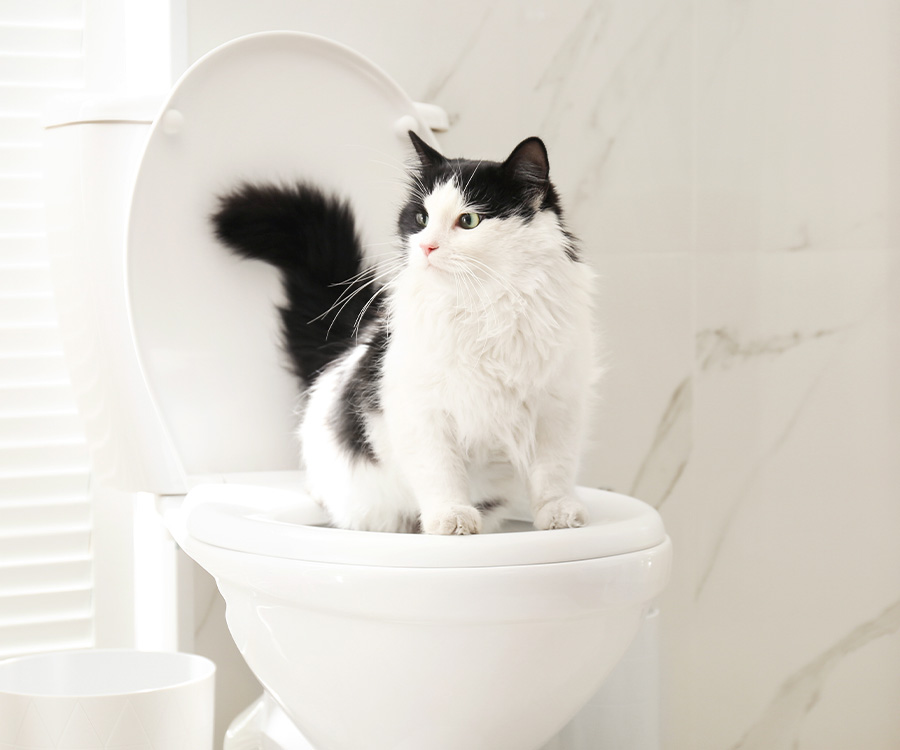
Credit: www.hartz.com
Choosing The Right Supplies
Choosing the right supplies is crucial for cat toilet training. The supplies you select can influence your cat’s success. The right tools make the process smoother. They help your cat feel comfortable and confident. Let’s explore the supplies you’ll need.
Toilet Training Kits
Toilet training kits simplify the process. They often include a special seat. This seat fits over your toilet. Some kits offer gradual steps. These steps guide your cat slowly. Your cat gets used to the toilet in stages. Kits also come with detailed instructions. Follow these for best results. Ensure the kit suits your toilet’s shape.
Cat-friendly Toilets
Cat-friendly toilets are another option. These toilets are designed for cats. They have features that attract cats. Some have lower rims for easy access. Others have surfaces that mimic litter. Cats feel more at ease with familiar textures. These toilets can be used as a transition. They help your cat move from litter to the toilet.
Preparing Your Cat For Training
Preparing your cat for toilet training can be an exciting journey. Cats are naturally curious and adaptable creatures, but they need the right environment and readiness to succeed. Before you start this adventure, it’s crucial to ensure your furry friend is comfortable and prepared for the change. Let’s dive into the essentials to get your cat ready for toilet training.
Assessing Your Cat’s Readiness
Is your cat curious and adaptable? These traits are key indicators of readiness for toilet training. Observe how your cat reacts to new experiences. Does she approach new objects with curiosity or caution? If she’s curious, she’s likely ready to start training.
Consider your cat’s age and health. Younger cats may adapt quicker. However, older cats can learn too with patience. Ensure your cat is healthy, as health issues can affect her ability to learn new habits. What’s her current litter box behavior like? If she’s consistent and reliable with her litter box use, it’s a positive sign.
Creating A Safe Environment
Your cat’s training environment plays a crucial role in her success. Start by removing potential stressors. Loud noises and frequent disturbances can make your cat anxious, hindering her progress. Choose a quiet, low-traffic area for the toilet training setup.
Make her feel comfortable with gradual changes. Introduce the new toilet setup slowly. Place her litter box closer to the toilet over time. This gradual transition can ease anxiety and promote acceptance. Think about her safety. Ensure the toilet setup is stable and secure to prevent accidents.
Remember, the key to successful toilet training is patience and observation. Are you ready to embark on this rewarding journey with your feline friend?
Step-by-step Training Process
Training a cat to use the toilet can take several weeks. Start by gradually moving the litter box closer to the toilet. Use positive reinforcement to encourage progress. Patience and consistency are key to success.
Toilet training a cat might sound like a magical feat, but with a clear, step-by-step process, it’s entirely achievable. This method requires patience, consistency, and a keen understanding of your feline friend’s behavior. Let’s walk through the steps to transform your cat into a toilet-using pro.Introducing The Litter Box
Begin by placing a litter box in a convenient location for your cat. Make sure it’s easily accessible and not too far from where they usually spend their time. This is the starting point of your journey, and it’s crucial that your cat feels comfortable using the litter box regularly. Keep the litter box clean and appealing. Scoop it daily to encourage your cat to use it. Consider using unscented litter, as some cats are sensitive to strong smells. Observe your cat’s habits. Do they have a particular time they like to use the box? Paying attention to these details will help you anticipate their needs during the training process.Gradually Moving To The Toilet
Once your cat is consistently using the litter box, start moving it closer to the bathroom. Gradually elevate it using old newspapers or magazines. This step-by-step elevation helps your cat get used to the height of the toilet. Place the litter box on top of the closed toilet seat. Give your cat time to adjust to this new position. If your cat shows any signs of stress, slow down the process to ensure they remain comfortable. Watch your cat’s reaction to each change. Are they confident jumping up to the new height? If not, take a step back and allow more time for adaptation.Transitioning To Toilet Use
With the litter box on the toilet seat, it’s time for the big transition. Start using a training seat designed for cats, which fits over your toilet. This helps them understand where they should go without the litter box. Slowly reduce the amount of litter in the training seat. Gradually, your cat will rely less on the litter and more on the toilet itself. This is a critical phase where patience is key. Encourage your cat with rewards and positive reinforcement. A little treat or extra playtime can go a long way in reinforcing their good behavior. Have you ever considered the benefits of a toilet-trained cat? Not only does it save on litter costs, but it’s also an impressive party trick. Remember, every cat is different. Adjust the pace based on your cat’s comfort level, and soon, you might just find yourself ditching the litter box for good.Common Challenges
Toilet training a cat can be rewarding and challenging. Many pet owners face common hurdles along the way. Understanding these challenges can help prepare for a smoother transition. This section explores two frequent obstacles: fear and anxiety, and accidents and setbacks.
Fear And Anxiety
Cats are creatures of habit. Introducing a new toilet routine may cause stress. Some cats feel uneasy with unfamiliar objects like a toilet seat. This fear can lead to resistance. They might avoid the bathroom altogether. Creating a calm environment helps reduce anxiety. Gradual introductions can ease their discomfort. Patience is key during this period.
Accidents And Setbacks
Accidents are part of the learning process. Cats may revert to old habits. This can happen if they feel confused or scared. A setback does not mean failure. Consistent training and positive reinforcement are crucial. Clean up mishaps quickly to discourage repeat behavior. Encourage your cat after each successful attempt. Persistence will lead to progress.
Credit: www.reddit.com
Tips For Successful Training
Training a cat to use the toilet can take weeks or months. Start by placing the litter box near the toilet. Gradually move the box onto the toilet seat. Patience and consistency are key for success.
Toilet training a cat can be a rewarding challenge. As you embark on this journey, it’s essential to arm yourself with effective strategies. Success hinges on your approach, your commitment, and your understanding of your cat’s unique personality. Let’s look at some practical tips to make this training smooth and effective.Consistency And Patience
Cats thrive on routine. Establish a consistent training schedule and stick to it. This helps your cat understand what’s expected. Be patient. Training can take weeks or even months. Remember when I was training my cat, Whiskers? He took his sweet time adjusting, but staying calm and consistent paid off. How do you handle setbacks? Simply reset and try again. Consistency is key, and patience is your ally.Positive Reinforcement
Reward your cat for small victories. Positive reinforcement encourages desired behavior. I used to reward Whiskers with his favorite treat whenever he made progress. It made him eager to learn. Avoid punishment. It can confuse your cat and slow down progress. Instead, focus on celebrating successes. What motivates your cat? Find that sweet spot and use it to your advantage.Signs Of Successful Training
Toilet training a cat can be a rewarding process, but how do you know when your feline friend has mastered the art? Recognizing the signs of successful training is crucial. It not only gives you confidence but also ensures your cat is comfortable with its new routine. Let’s delve into the indicators that show your efforts are paying off.
Consistent Use Of The Toilet
A clear sign of successful training is when your cat uses the toilet consistently without accidents. This demonstrates they have fully adapted to the change. Check if your cat heads to the bathroom at regular times, just like they would with a litter box.
Comfort And Confidence
Observe your cat’s behavior around the toilet. Are they calm and confident? A cat that jumps up confidently and stays relaxed while using the toilet shows they are comfortable with the process.
Minimal Supervision Needed
Initially, you might need to guide your cat or encourage them to use the toilet. But as training progresses, less supervision is a good sign. If your cat heads to the toilet on their own, they are well on their way to being fully trained.
Reduced Litter Usage
Notice the amount of litter you are using. A decrease in litter usage means your cat is relying more on the toilet. This not only saves you money but also indicates successful training.
Positive Body Language
Your cat’s body language can tell you a lot. Look for signs like a relaxed tail, no hissing or growling, and a calm demeanor. Positive body language means your cat is at ease with the toilet routine.
Have you noticed any of these signs in your cat? Reflect on your training process and celebrate the small victories. Toilet training a cat requires patience, but recognizing these signs can keep you motivated. What’s the next small step you can take to ensure continued success?
Credit: www.cruceroclick.com
Frequently Asked Questions
How To Potty Train A Cat Quickly?
Start by placing the litter box in a quiet, accessible location. Introduce your cat to the litter box, encouraging use with praise and treats. Keep the litter box clean and consistent. Gradually move it towards your desired location if needed.
Consistency and positive reinforcement accelerate the training process.
Is It Difficult To Toilet Train A Cat?
Toilet training a cat can be challenging but achievable with patience. Start gradually, using a litter box near the toilet. Gradually elevate the box until it’s level with the toilet. Transition to a training seat. Cats may resist change, so remain consistent and encouraging for successful results.
What Is The Success Rate Of Toilet Training For Cats?
Cat toilet training success rates vary, generally ranging from 50% to 70%. Success depends on the cat’s personality, patience, and consistency in training. Some cats adapt quickly, while others may resist. Proper guidance and persistence increase the chances of success.
At What Age Are Cats Fully Potty Trained?
Cats are typically fully potty trained by 6 to 8 weeks of age. They naturally learn from their mother. Ensure a clean litter box to encourage good habits. Early training helps maintain these habits.
Conclusion
Training a cat to use the toilet requires patience and time. Typically, it can take several weeks. Each cat learns at its own pace. Start with small steps. Use gradual changes. Consistency is key. Celebrate small successes. Stay calm during setbacks.
Your cat will sense frustration. Reward positive behavior often. Keep the process stress-free. A relaxed environment helps. Soon, your efforts will pay off. Your cat will appreciate its new skill. Both you and your cat will enjoy a cleaner home.
Remember, patience and persistence lead to success.

Similar Posts