How to Litter Train Cats: Expert Tips for Success
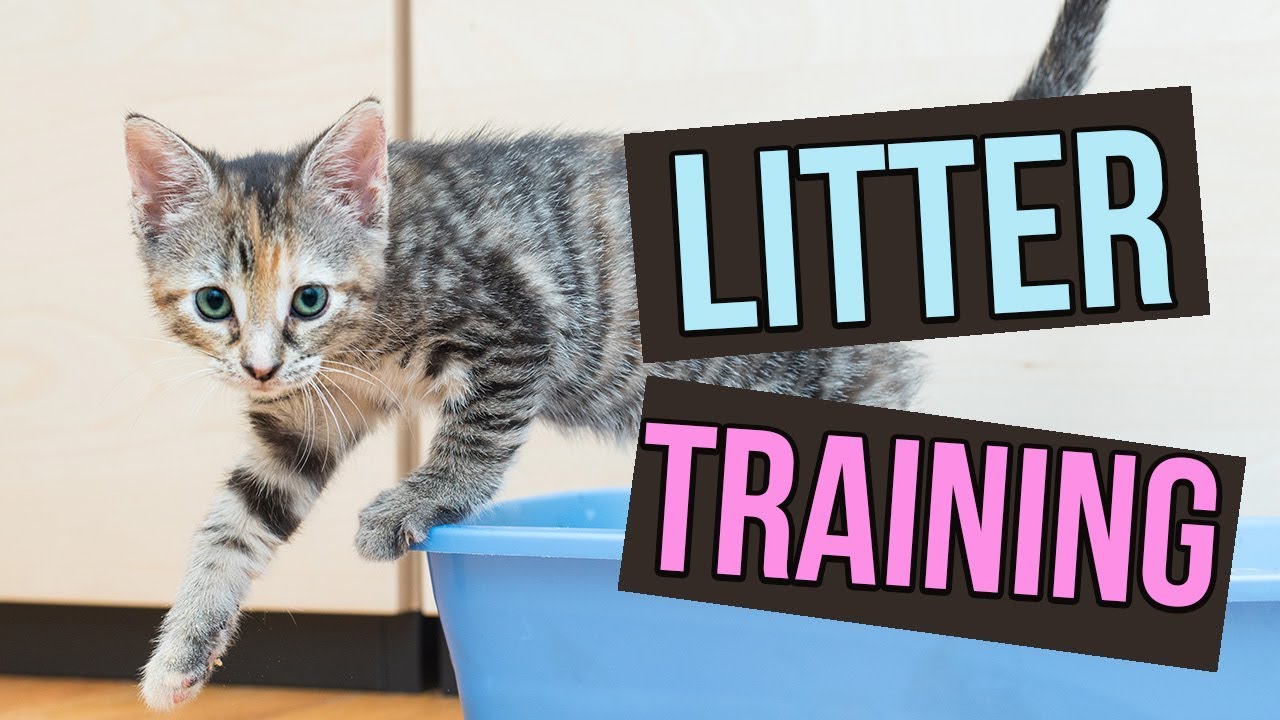
Are you tired of cleaning up after your feline friend? Does the thought of a litter-trained cat seem like a distant dream?
You’re not alone. Many cat owners struggle with this essential part of pet care. But don’t worry, there’s good news. Litter training your cat isn’t just possible; it’s easier than you might think. Imagine a world where your cat naturally knows where to go, saving you time and stress.
In this guide, we’ll reveal simple, effective steps to make litter training a breeze. Stay with us, and you’ll discover how to turn this daunting task into a rewarding experience. Your cleaner, happier home is just a few tips away. Let’s dive in!
Choosing The Right Litter Box
Finding the perfect litter box is crucial for your cat’s comfort. It can influence how quickly they adapt to using it. The right choice can make litter training smoother. Consider your cat’s needs and preferences. Each cat is unique. This makes the selection important.
Size And Shape Considerations
The size of the litter box matters. A small box can feel cramped. Ensure there’s enough room for your cat to move. Larger cats need bigger boxes. Kittens need smaller ones. The shape also plays a role. Some cats like rectangular shapes. Others prefer square ones. Observe your cat to decide. Their behavior can guide you.
Covered Vs. Uncovered Options
Covered litter boxes provide privacy. Some cats enjoy this. It reduces litter scatter. But not all cats like covered boxes. They can feel trapped. Uncovered boxes offer an open space. Cats can enter and exit freely. It depends on your cat’s personality. Try both to see which they prefer.

Credit: www.petmd.com
Selecting The Ideal Cat Litter
Choosing the right cat litter is crucial for successful litter training. Your cat’s comfort can be greatly influenced by the type of litter you select. The wrong choice might lead to a messy situation or even behavioral issues. So, how do you find the ideal cat litter that caters to your feline friend’s needs? Let’s break it down.
Clumping Vs. Non-clumping
Have you ever wondered why some litters clump while others don’t? Clumping litter forms solid masses when wet, making it easier to scoop out waste. This can make your cleaning routine quick and efficient.
On the other hand, non-clumping litter absorbs moisture but doesn’t form clumps. It may require more frequent changes to keep the litter box fresh. Think about your schedule—are you a busy bee or do you have time to spare for daily cleaning?
Consider your cat’s preference too. Some cats dislike the feel of clumps under their paws. Test a small amount first to see what your cat prefers.
Scented Vs. Unscented
Do you love a fresh-smelling home? Scented litter might seem like an obvious choice. It masks odors and can make the area around the litter box more pleasant for you.
However, cats have a sensitive sense of smell. Strong scents can be off-putting or even irritating for them. Unscented litter provides a neutral option that won’t overwhelm their senses.
Think about your cat’s comfort—would they appreciate a subtle scent or find it bothersome? You might need to experiment to find the right balance.
Ultimately, selecting the ideal cat litter requires a bit of trial and error. Consider both your and your cat’s preferences. How do you weigh the pros and cons of each option? Finding the perfect litter can lead to a happier, cleaner home for both of you.
Location Matters
Choosing the right location is crucial for litter training cats. Place the litter box in a quiet area. Ensure easy access and privacy to encourage use.
Training your cat to use a litter box is a crucial aspect of their care, but have you ever thought about how the location of the litter box affects this process? Where you place the litter box can significantly influence your cat’s willingness to use it. Choosing the right spot can make all the difference in making your cat feel comfortable and secure. It’s not just about convenience for you but also about creating a welcoming environment for your feline friend.Quiet And Accessible Areas
Cats appreciate a peaceful environment, especially when attending to nature’s call. A quiet area ensures they aren’t startled by sudden noises. Consider locations away from loud appliances like washing machines or TV sets. The spot should also be easily accessible. If your cat has to navigate a maze of obstacles, they might decide it’s not worth the effort. Think about how you can make it simple for them to find and use the box.Avoiding High Traffic Zones
Just like you prefer privacy in the bathroom, so does your cat. Placing the litter box in a high-traffic zone can make your cat anxious. This anxiety can lead to them avoiding the box altogether. Avoid areas like hallways or near doors where people frequently pass by. Instead, opt for a more secluded spot where your cat can have some privacy. Have you ever noticed your cat choosing a particular room to relax? This might be a good indicator of where they’d feel comfortable having their litter box. Consider their natural preferences and habits to guide your decision. Ultimately, the location of the litter box matters more than you might think. By choosing the right spot, you can make litter training a smoother experience for both you and your cat.Introducing Your Cat To The Litter Box
Introducing your cat to the litter box is a vital step. A well-trained cat leads to a clean home and a happy life. The process can be smooth with patience and understanding. Cats are naturally inclined to use a litter box, but they need guidance. Here, you’ll learn effective methods to help your cat adapt.
Gradual Introduction Techniques
Start with placing the litter box in a quiet area. Cats prefer privacy while using their box. Let your cat explore the new space at its own pace. Keep the litter box accessible and easy to find. Place your cat gently in the box after meals or naps. This helps them associate the box with their routine. Use familiar scents to make the box inviting. A piece of cloth or toy can comfort your cat.
Positive Reinforcement Strategies
Reward your cat with treats after using the litter box. Praise your cat with a gentle voice or pat. Positive feedback encourages them to use the box regularly. Avoid punishment if accidents happen. This can create fear and confusion. Patience and consistency are key to successful training. Celebrate small wins and progress every day.
Maintaining Cleanliness
Training cats to use a litter box involves simple steps. Start with placing the box in a quiet spot. Gradually show your cat the box after meals. Praise them when they use it correctly. Keep the box clean to encourage regular use and prevent any mess.
Maintaining cleanliness in your cat’s litter area is crucial for their health and your home’s hygiene. It may seem simple, but it requires dedication and consistency. Cleanliness not only prevents unpleasant odors but also ensures your cat feels comfortable using the litter box.Daily Scooping Routine
Make it a habit to scoop the litter box daily. This routine keeps the box fresh and your cat happy. Cats are creatures of habit, and a clean litter box encourages them to use it consistently. Think about it: would you want to use a dirty bathroom? Your cat feels the same way!Regular Litter Box Changes
Changing the litter regularly is as important as scooping. Don’t wait for the smell to remind you—have a schedule. Some cat owners find that changing the litter every week helps maintain a clean environment. Experiment with different types of litter to find one that controls odor and suits your cat’s preferences. Do you have a story about your cat refusing a dirty litter box? You’re not alone! Share your experience in the comments. Keeping your cat’s litter box clean is a small effort with big rewards. It fosters a happy, healthy home for both you and your feline friend.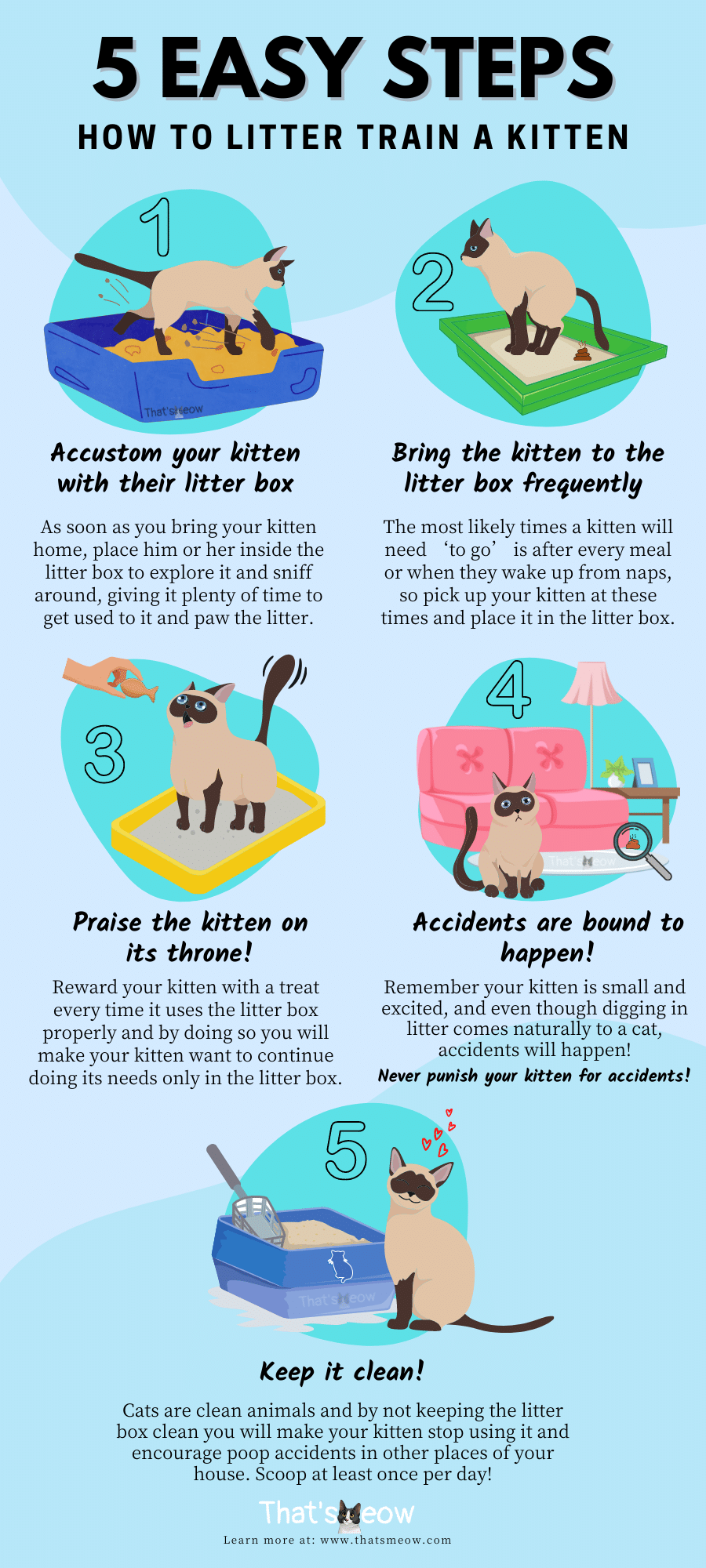
Credit: www.camipa.org
Handling Common Issues
Teaching a cat to use a litter box can be easy with patience and consistency. Place the box in a quiet spot and introduce your cat to it. Clean regularly to keep it inviting.
Handling common issues while litter training cats can be a bit challenging but is entirely manageable with patience and understanding. By addressing these issues head-on, you create a more harmonious environment for both you and your feline friend. Whether it’s dealing with accidents or understanding why your cat might avoid the litter box, each situation requires a tailored approach.Dealing With Accidents
Accidents are bound to happen, especially in the early stages of litter training. When they do occur, it’s crucial to stay calm and avoid scolding your cat. Instead, clean the area thoroughly to remove any lingering scent that might attract future accidents. Use an enzymatic cleaner to break down any odors. Cats are sensitive to smells, and any leftover scent might encourage them to return to the same spot. Consider placing an extra litter box in the area where accidents frequently happen to provide an immediate and acceptable alternative.Addressing Litter Box Avoidance
If your cat is avoiding the litter box, it might be trying to tell you something. Check if the box is clean; a dirty box can deter even the most well-trained cat. Ensure the litter box is in a quiet, accessible location where your cat feels safe. Observe your cat’s behavior and preferences. Some cats are particular about the type of litter used, while others might need more privacy. Experiment with different litter textures and box designs to find what suits your cat best. Remember, your goal is to make the litter box the most appealing option. Have you ever considered the location of the litter box from your cat’s perspective? A high-traffic area might not be the best choice. Engage with your cat’s needs and preferences to ensure a successful litter training experience.Expert Tips For Success
Training a cat to use a litter box successfully involves patience and understanding. Cats are independent creatures, yet they thrive on routine and environment. By using expert tips, you can make the litter training process smoother. Focusing on behavior and consistency helps in achieving successful results.
Understanding Cat Behavior
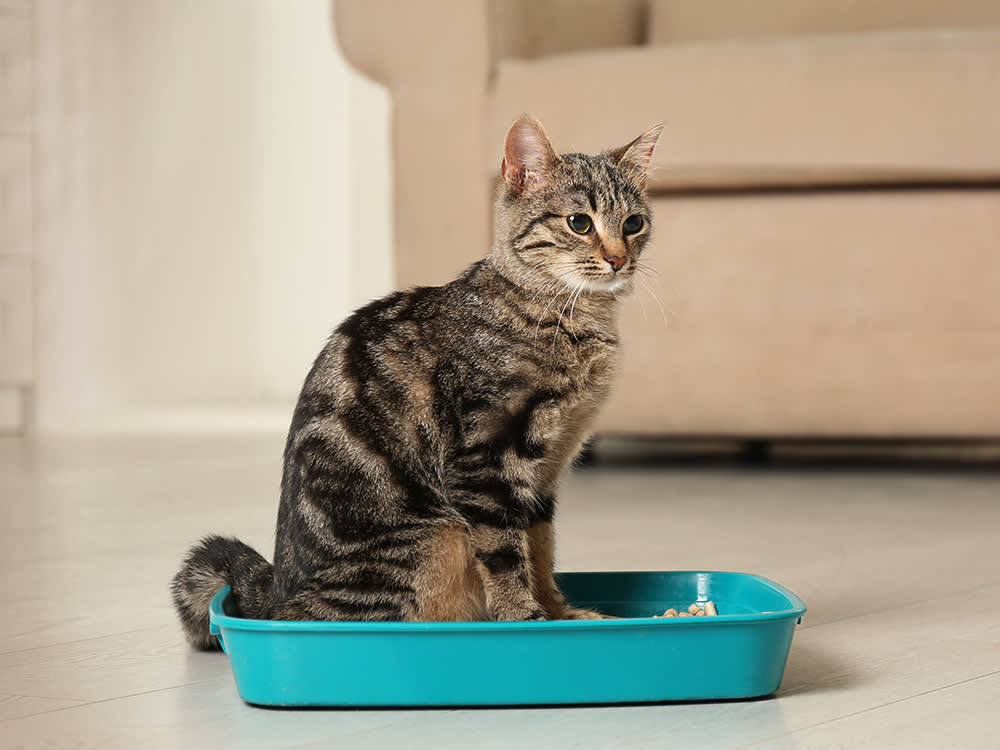
Cats are naturally clean animals. They prefer to bury their waste. This instinct makes them inclined to use a litter box. Observe your cat’s behavior to understand its preferences. Notice where it likes to eliminate. Place the litter box in that area initially. Ensure the box is easily accessible and quiet. Cats dislike noisy, busy areas. Respect their need for privacy.
Consistency Is Key
Consistency plays a crucial role in litter training. Ensure the litter box is always clean. Scoop waste daily to keep it fresh. Cats can be finicky about cleanliness. Choose a litter type your cat prefers. Stick to it once you find the right one. Changing litter types can confuse your cat. Keep the litter box in the same location. Moving it frequently can disrupt routine.
Credit: www.kinship.com
Frequently Asked Questions
How Long Does It Take To Litter Train Your Cat?
Training a cat to use the litter box typically takes 2-4 weeks. Start with a clean, accessible box. Encourage positive behavior with treats and praise. Consistency is key for success. Adjust as needed for age and temperament. Patience helps build good habits.
How To Litter Train A Cat Quickly?
Place the litter box in a quiet, accessible location. Encourage your cat to use it after meals. Clean the box regularly to maintain hygiene. Reward your cat with treats or praise for using the litter box. Consistency and patience are key to successful litter training.
Can You Litter Train Cats?
Yes, you can litter train cats. Start by placing them in the litter box after meals. Use positive reinforcement to encourage usage. Keep the litter box clean and in a quiet, accessible location. Most cats learn quickly, making litter training an effective solution for indoor cats.
Is It Too Late To Litter Train My Cat?
It’s never too late to litter train your cat. Start with a clean, accessible litter box. Introduce your cat gently, and reward positive behavior. Consistent reinforcement and patience are key for successful training.
Conclusion
Training your cat to use a litter box is essential. It promotes a clean home and a happy pet. Start with the right supplies and a good routine. Patience is key. Cats learn at their own pace. Encourage them with gentle guidance.
Maintain a clean litter box daily. It prevents issues and keeps your cat content. Each cat is unique. Observe their habits closely. Adjust as needed for their comfort. Successfully litter training creates a bond. It’s rewarding for both owner and cat.
Enjoy the process and cherish the results.

Similar Posts