How to Train Cats Not to Scratch Furniture: Expert Tips
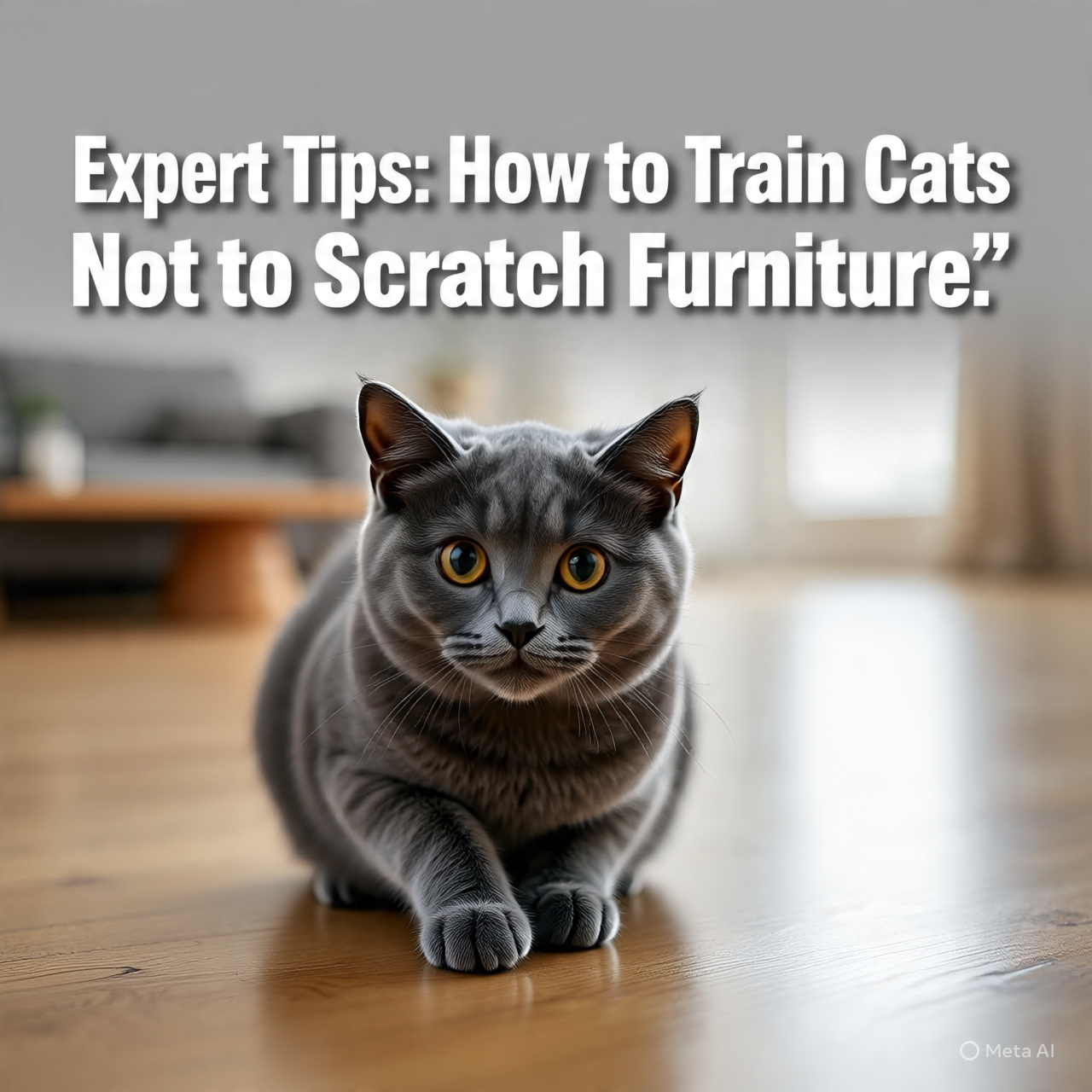
Are your beloved cats turning your beautiful furniture into their personal scratching posts? You’re not alone.
Many pet owners face this frustrating challenge. But here’s the good news: you can train your cats not to scratch your furniture, and it’s easier than you might think. Imagine walking into your living room and seeing your couch as pristine as the day you bought it, while your cats enjoy their favorite activities elsewhere.
This isn’t just a dream; it can be your reality. In this guide, you’ll discover simple, effective strategies to redirect your cat’s scratching habits. Get ready to reclaim your furniture and enjoy a more harmonious home with your feline friends. Don’t miss out on these tips that could save your furniture and your sanity!

Credit: patch.com
Understanding Cat Behavior
Understanding your cat’s behavior is the first step to training. Cats scratch for various reasons. It’s not just a habit. Recognizing the reasons helps in directing them properly. Let’s explore why cats scratch.
Instinctual Reasons For Scratching
Cats scratch due to natural instincts. It’s a way to maintain their claws. They remove the outer nail layers this way. Scratching also stretches their bodies. It keeps them flexible and fit. Claw health and physical fitness are important for cats.
Territorial Marking
Scratching marks a cat’s territory. Cats have scent glands in their paws. When they scratch, they leave their scent. This marks their territory. It’s a message to other cats. “This is mine.” Scratching is a communication tool for cats.

Credit: www.washingtonpost.com
Choosing The Right Tools
Training cats not to scratch furniture requires selecting the right tools. Opt for scratching posts and pads to redirect their natural behavior. Use cat-friendly sprays to deter them from furniture, encouraging them to use designated areas.
Training cats not to scratch furniture can feel like a daunting task, but choosing the right tools can make all the difference. The right tools not only protect your furniture but also cater to your cat’s natural instincts. You’ll find that providing alternatives can redirect their scratching habits in a positive way.Scratching Posts And Boards
Scratching posts and boards are essential for any cat owner. They give your cat a designated place to satisfy their urge to scratch. Consider the material—some cats prefer sisal, while others might like carpet or cardboard. Placement is crucial. Put the scratching post near the furniture your cat usually targets. You may need to try a few spots before finding the perfect one. Variety keeps things interesting for your cat. Mix different types of scratching surfaces to see which your cat prefers. This can help maintain their interest and keep your furniture safe.Cat Trees And Towers
Cat trees and towers offer more than just scratching surfaces. They provide your cat with an entire playground that includes climbing and perching areas. These structures can be a great distraction from your furniture. Height can be appealing to cats. It gives them a vantage point to observe their surroundings. The higher the perch, the more likely they are to use it over your couch. Consider your living space. Some cat trees are compact and fit well in small apartments, while others are more elaborate. Choose one that suits your home and your cat’s needs. Have you ever noticed how your cat chooses the highest spot in the room? That’s their natural instinct to survey their territory. A cat tree can fulfill this need, keeping them entertained and your furniture intact. By choosing the right tools, you’re not just protecting your furniture; you’re enriching your cat’s life. Which tool will you try first to save your beloved couch?Effective Training Techniques
Cats scratching furniture is a common concern for pet owners. Training your cat not to scratch can save your furniture and keep your home tidy. Effective techniques focus on understanding your cat’s natural behavior. This helps them learn alternative ways to satisfy their scratching needs.
Positive Reinforcement
Rewarding your cat for good behavior works wonders. When your cat uses a scratching post, give them a treat. Praise them with a gentle voice. This encourages them to repeat the action. Cats respond well to positive interactions. Over time, they associate the scratching post with rewards.
Redirection Methods
Redirecting your cat’s scratching habits is essential. Provide them with scratching alternatives like posts or pads. Place these near the furniture they often scratch. Use toys to draw their attention away from the sofa. Engage them in play near the scratching post. This shifts their focus from furniture to designated spots. Consistency is key in redirecting their behavior.
Deterrents And Alternatives
Preventing cats from scratching furniture involves using deterrents like sprays or tape. Redirect their focus with scratching posts. Offer alternatives such as cardboard or sisal mats to satisfy their natural instinct.
Training your cat not to scratch your furniture can feel like a daunting task. But with the right deterrents and alternatives, it becomes manageable. Often, your furry friend just needs a little guidance to understand where to direct their natural scratching instincts. Let’s dive into some practical solutions that can help you protect your beloved furniture while keeping your cat happy.Furniture Protectors
Furniture protectors can be a game-changer. These are specially designed covers that shield your furniture from sharp claws. They come in various forms like plastic shields, slipcovers, or adhesive tapes that are easy to apply and remove. I once used adhesive tape on my sofa, and it instantly discouraged my cat from scratching. The texture was not appealing to him. You can find these protectors in pet stores or online, offering an affordable and simple solution. Why not give it a try? It’s a small investment for peace of mind.Scent-based Deterrents
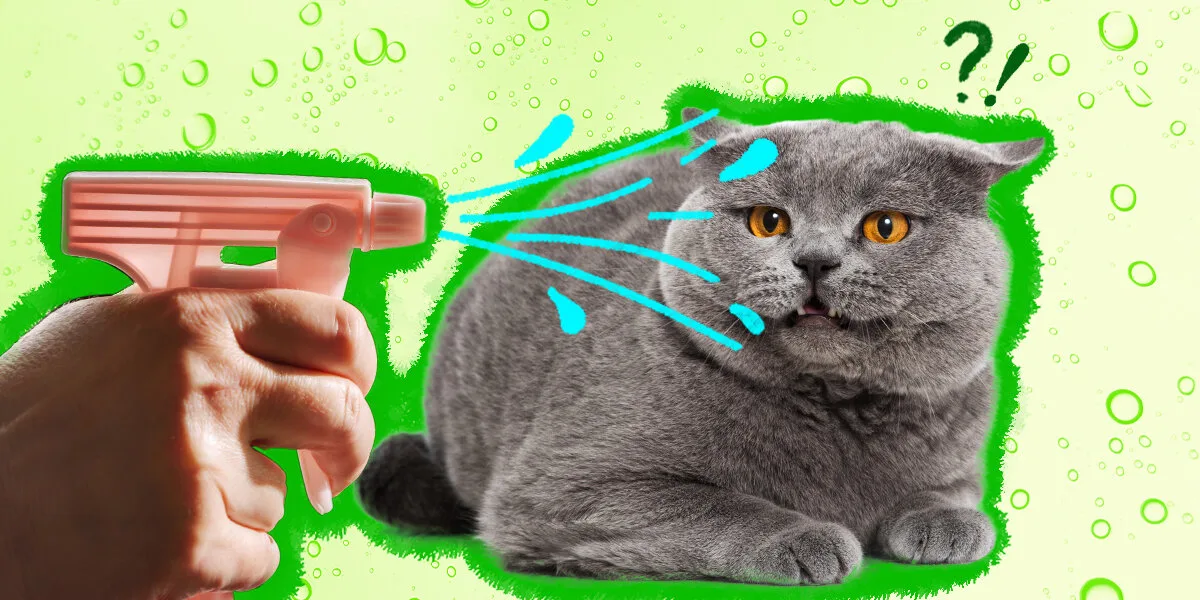
Cats have a keen sense of smell, which you can use to your advantage. Scent-based deterrents often contain smells that cats dislike, such as citrus or lavender. They are available in sprays or can be made at home with essential oils. A friend of mine swears by a citrus spray she used to protect her new armchair. Her cat, notorious for its scratching habits, immediately lost interest. Spraying the furniture lightly once a week kept it scratch-free. Are there any scents you’ve noticed your cat avoids? It might be worth experimenting. By providing your cat with suitable alternatives and deterrents, you’re not just protecting your furniture. You’re also enhancing their environment and strengthening your bond. What will you try first?Maintaining Consistency
Training your cat not to scratch furniture requires patience and consistency. Cats are creatures of habit, so maintaining consistent behavior patterns is key to steering them away from your beloved sofa or table. It’s about establishing a routine that both you and your cat can stick to, monitoring their progress, and adjusting strategies when necessary. Remember, every small success is worth celebrating.
Routine Establishment
Consistency starts with setting a routine. Just as you have habits, so does your cat. Establish a daily schedule that includes playtime, feeding, and training sessions. This helps your cat know what to expect and when. For instance, you can designate a specific time each day for redirecting their scratching behavior to a scratching post.
Consider this: every morning, before you enjoy your coffee, spend ten minutes engaging your cat with toys. This not only bonds you but also directs their energy away from furniture. Cats thrive on predictable patterns. Stick to your schedule, and watch them adapt over time.
Monitoring Progress
Observe how your cat responds to the routine. Are they using the scratching post more? Less interested in your couch? Keep an eye on their behavior changes. This will help you understand what’s working and what needs tweaking.
Engage with your cat during the process. Encourage positive behavior with treats or affection. If your cat scratches the post, reward them immediately. This reinforces good habits. If they stray, gently redirect them without punishment.
Regularly assess your cat’s progress. Keep a journal if it helps. Document any changes or setbacks. This keeps you informed and helps in making necessary adjustments. What new strategies might you try if progress stalls?
Consistency doesn’t mean rigidity. Flexibility in approach is crucial. Cats are unique, and they may surprise you with their adaptability. As you maintain consistency, be open to learning from your cat’s responses and adjusting your methods.

Credit: www.lissivigeenschool.com
Common Mistakes
Training cats not to scratch furniture can be challenging. Many cat owners often make common mistakes in this process. These errors can hinder progress and lead to frustration. Understanding these mistakes can make training more effective and less stressful.
Punishment Pitfalls
Punishing cats for scratching furniture is ineffective. Cats don’t associate punishment with the behavior. They might become fearful or anxious instead. Negative reinforcement can damage your bond with your cat. It’s better to use positive methods like rewards. Encourage good behavior with treats or praise.
Inconsistency Issues
Consistency is key in training cats. Inconsistent responses confuse cats. They don’t learn what is expected of them. Ensure everyone in the household follows the same rules. Use the same cues and rewards each time. Consistency helps cats understand and learn faster.
Frequently Asked Questions
How Do You Discipline A Cat For Scratching?
Provide a scratching post nearby to redirect the behavior. Use positive reinforcement with treats and praise. Keep claws trimmed to minimize damage. Distract with toys to engage them in play. Avoid punishment, as it can cause stress.
What Scent Keeps Cats From Scratching Furniture?
Citrus scents like lemon or orange deter cats from scratching furniture. Use essential oils or sprays with these scents. Cats dislike the strong smell, keeping them away from targeted areas. Regular application helps maintain effectiveness, ensuring your furniture stays scratch-free.
At What Age Do Cats Stop Clawing?
Cats typically stop excessive clawing by age 5. Regular scratching is a natural behavior throughout their life. Providing scratching posts and regular nail trims can help manage clawing effectively.
Is It Possible To Have A Cat That Doesn’t Scratch Furniture?
Yes, it’s possible. Train your cat with scratching posts and regular nail trims. Use deterrent sprays on furniture. Provide engaging toys to redirect scratching behavior. Consistent training and positive reinforcement can help prevent furniture damage.
Conclusion
Training cats not to scratch furniture takes time and patience. Start with understanding their needs. Provide scratching posts as alternatives. Reward good behavior consistently. Use deterrents to protect your furniture. Patience is key to success. It helps build trust with your cat.
Remember, every cat is unique. Observe and adjust your approach as needed. Celebrate small victories along the way. A happy cat means a happy home. Your effort will pay off in the long run. Enjoy a scratch-free home with your feline friend!

Similar Posts