How Much is Cat Food: A Comprehensive Price Guide
Are you a cat owner puzzled by the varying prices of cat food? You’re not alone.
Whether you’re a seasoned pet parent or new to the feline world, understanding the cost of cat food can feel overwhelming. You want the best for your furry friend, but you also need to manage your budget. This article will guide you through the factors that influence cat food prices, helping you make informed choices.
Discover how quality, brand, and type of food can impact your spending, and learn tips to ensure you’re getting the best value. Stay with us, and by the end, you’ll feel confident in your next cat food purchase, knowing you’re providing the best for your beloved pet.

Credit: www.expertcatcare.com
Factors Affecting Cat Food Costs
When determining how much you’ll spend on cat food, several factors come into play. It’s not just about picking a random bag off the shelf; understanding these elements can help you make a more informed choice. From brand reputation to the specific needs of your furry friend, each aspect plays a crucial role in the final cost.
Brand Reputation
Brand reputation can significantly impact the cost of cat food. Well-known brands often charge more because of their established credibility and customer trust. While you might pay a premium, these brands usually ensure quality and safety in their products, which can be worth the extra dollars for peace of mind.
Ingredients Quality
The quality of ingredients used in cat food is a major cost factor. Foods with real meat, organic produce, and no fillers are typically more expensive. Investing in high-quality ingredients can lead to better health for your cat, potentially saving on vet bills in the long run.
Cat’s Age And Health Needs
Your cat’s age and specific health requirements can also affect food costs. Kittens need different nutrients than adult cats, and senior cats might require special diets to manage health issues. Tailoring the food to your cat’s life stage and health can mean spending more, but it’s crucial for their well-being.
Packaging And Size
Packaging and size of the cat food you buy can influence the price. Larger bags or bulk purchases might offer cost savings over time, but require upfront investment. Consider your storage space and how quickly your cat consumes food to decide if bulk buying makes sense for you.
Have you ever noticed how buying smaller packages frequently tends to add up over time? Finding the right balance between cost efficiency and practicality can be a game-changer in managing your pet budget.
Understanding these factors can empower you to make better choices, ensuring your cat receives the nutrition they need without breaking the bank. What adjustments can you make today to optimize both cost and quality in your cat’s diet?
Types Of Cat Food
Understanding the different types of cat food is essential. It helps in making the best choice for your feline friend. Cats have unique dietary needs. The type of food you choose can impact their health. Let’s explore the main types of cat food available.
Dry Cat Food
Dry cat food, or kibble, is popular among cat owners. It’s convenient and easy to store. Kibble helps keep your cat’s teeth clean. It also lasts longer once opened. However, it contains less moisture. Ensure your cat drinks plenty of water.
Wet Cat Food
Wet cat food comes in cans or pouches. It is rich in moisture, aiding hydration. Cats often find it more palatable. This type of food is ideal for picky eaters. It also provides a variety of flavors. But, it spoils quickly when left out.
Raw And Homemade Options
Raw and homemade cat food is gaining popularity. It allows for control over ingredients. Many believe it mimics a cat’s natural diet. Preparing it requires time and knowledge. Always ensure a balanced diet. Consult a vet for guidance.
Average Price Range
As a cat parent, understanding the average price range for cat food can save you time and help you budget effectively. Whether you’re looking for cost-effective solutions or want to pamper your feline with premium meals, knowing the options available can make all the difference. Let’s explore the various categories and see where your choice might fit.
Budget-friendly Options
You’re on a tight budget but still want to provide quality meals for your cat. Look no further than budget-friendly options available in most grocery stores. Brands like Friskies and Meow Mix offer affordable choices without compromising on nutritional value. Many cat owners find these brands offer a good balance between cost and quality, with prices typically ranging from $0.50 to $1.50 per pound.
Opting for larger bags can often lead to savings. Have you ever considered buying in bulk to cut costs? It’s a strategy worth considering, especially if your cat has a favorite flavor. Just ensure you store it properly to maintain freshness.
Mid-range Choices
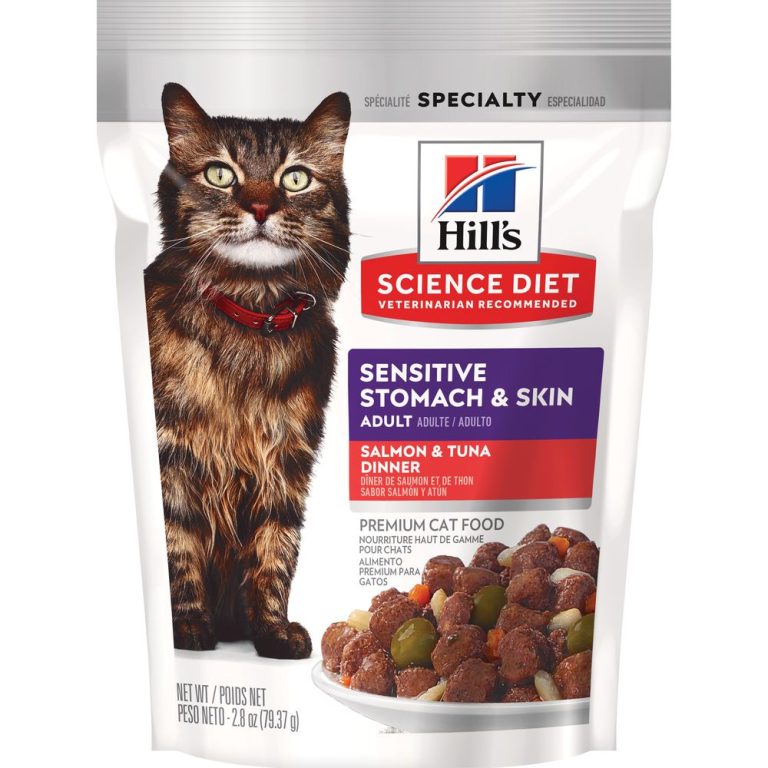
If you’re looking to balance cost with a slightly higher quality, mid-range cat food options are worth exploring. Brands such as Blue Buffalo and Hill’s Science Diet typically fall into this category. These offer enhanced nutrition and variety, catering to specific dietary needs.
Prices for mid-range cat food usually range from $2 to $4 per pound. Have you noticed how some cats develop preferences for certain textures or flavors? This range offers more options, allowing you to cater to those picky eaters.
Premium Brands
For those who want the best for their feline friend, premium brands offer top-notch quality. Brands like Royal Canin and Orijen are known for their superior ingredients and specialized formulas. These choices are perfect if you’re looking to address specific health concerns or simply spoil your pet.
Premium cat food can cost anywhere from $5 to $10 per pound. Are you paying for the brand or the quality? Often, it’s both. The investment might seem steep, but many pet owners swear by the health benefits and longevity it offers their cats.
Ultimately, the choice of cat food depends on your budget and your cat’s needs. What’s your priority when choosing cat food? Balancing cost with quality is key, and with this guide, you’re equipped to make informed decisions.
Where To Buy Cat Food
Finding the right place to buy cat food can save you money and ensure your feline friend gets the nutrition they deserve. With so many options available, from online retailers to local supermarkets, you might wonder which is best for you. Let’s explore the pros and cons of each option to help you make an informed choice.
Online Retailers
Online shopping is a game-changer for pet owners. Websites like Amazon and Chewy offer a vast range of cat food brands, often at competitive prices.
Buying cat food online is convenient. You can compare prices and read reviews from other pet owners without leaving your home.
Many online retailers provide subscription services. This means you can schedule regular deliveries and never worry about running out of cat food.
However, shipping costs can add up. Make sure to check if free shipping is available for larger orders.
Pet Stores
Pet stores offer a personalized shopping experience. You can speak to staff who are knowledgeable about pet nutrition and get recommendations tailored to your cat’s needs.
Visiting a pet store allows you to physically inspect the products. You can check expiration dates and see the packaging before purchasing.
Specialty stores may offer unique brands not available elsewhere, perfect if your cat requires a specific diet.
Consider the travel time and potential waiting in lines, especially during busy hours. Is the personal touch worth the effort for you?
Supermarkets
Supermarkets are convenient, especially if you’re already shopping for groceries. You can pick up cat food without making a separate trip.
Brands available in supermarkets tend to be more affordable. This is great if you’re on a tight budget but still want quality food for your cat.
The selection might not be as extensive as pet stores or online retailers. This can limit your options if your cat has dietary restrictions.
Think about your priorities. Is convenience your top concern, or are you looking for a specific brand?
Whether you choose online retailers, pet stores, or supermarkets, each option has its unique benefits. What suits your lifestyle best? Your choice could make all the difference for your furry friend’s health and your peace of mind.
Tips For Saving Money
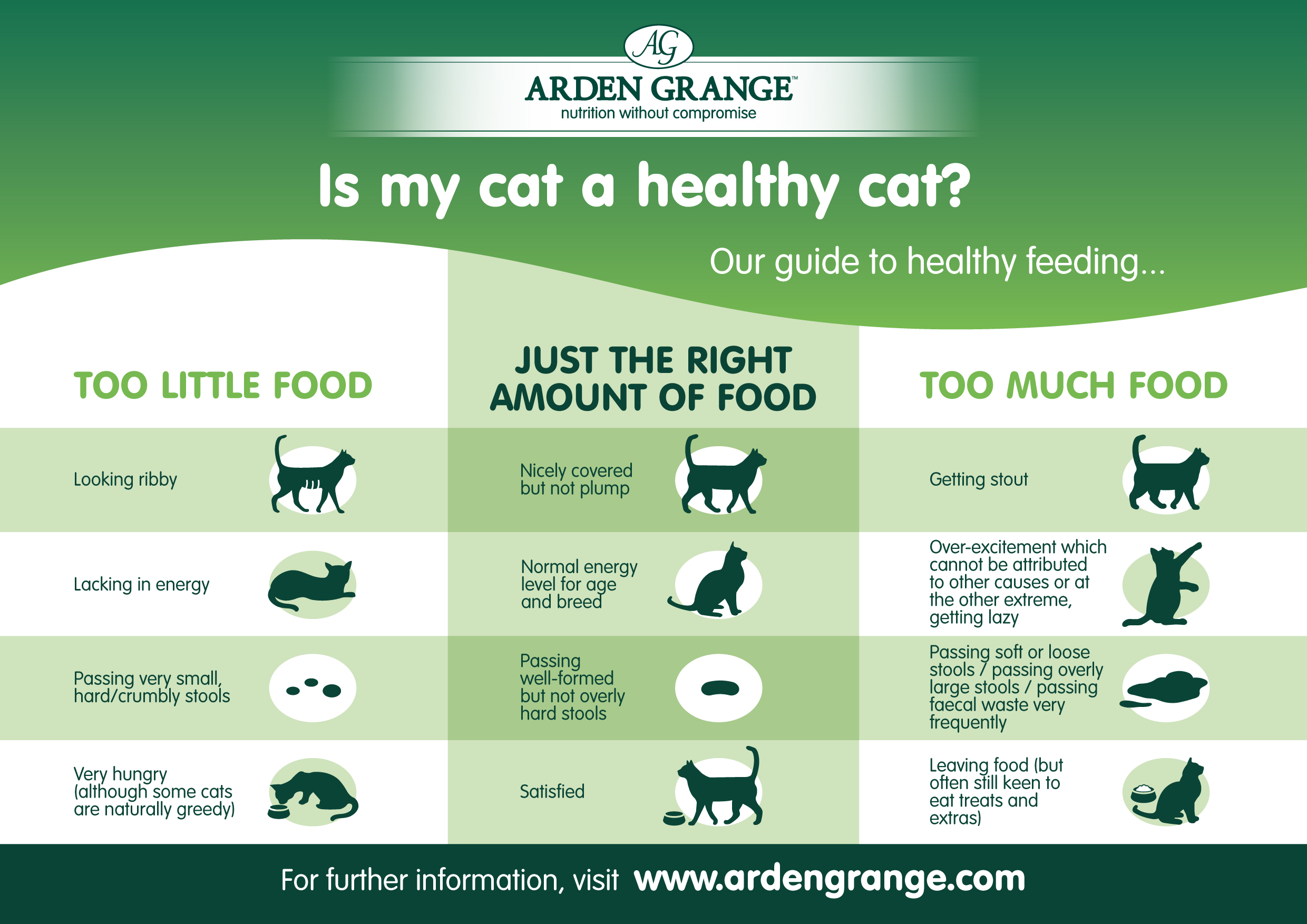
Feeding your cat can be costly, especially with rising pet food prices. Managing expenses requires some smart strategies. You can keep your furry friend happy without breaking the bank. Let’s explore some effective ways to save money on cat food.
Buying In Bulk
Purchasing cat food in bulk can lead to significant savings. Larger packages often cost less per pound than smaller ones. This approach reduces the number of trips to the store. It also ensures you always have food on hand. Check the expiration dates to ensure freshness.
Using Coupons And Discounts
Many brands offer coupons on their websites. Watch for special promotions in pet stores. Signing up for newsletters may also provide discounts. Loyalty programs can further reduce costs. Every little bit helps.
Subscription Services
Subscription services can offer convenience and savings. They deliver cat food regularly to your door. Many offer discounts for regular shipments. This ensures you never run out of food. Compare different services to find the best deal.
Credit: www.ardengrange.com
Comparing Price Vs. Quality
Choosing the right cat food involves more than just looking at prices. Quality matters too. Many pet owners face the dilemma of balancing cost with nutrition. It’s essential to understand what you’re paying for. A higher price doesn’t always mean better quality. Let’s explore how price and quality align in cat food choices.
Evaluating Ingredient Lists
Ingredients are the key to cat food quality. The first ingredient should be meat. Cats need protein for health. Avoid foods with fillers like corn and wheat. These offer little nutrition. Watch for artificial additives. Quality foods have natural ingredients. Compare labels before buying. This helps in making an informed choice.
Customer Reviews
Customer reviews provide real-world insights. They reveal if a product meets expectations. Positive reviews often highlight good nutrition and taste. Negative reviews might mention digestive issues or picky eaters. Consider both sides. Reviews can guide you in choosing the best option for your cat.
Expert Opinions
Veterinarians and pet nutritionists offer valuable advice. They understand cat dietary needs. Experts often recommend balanced diets. They might suggest brands known for quality ingredients. Listening to experts can help in selecting nutritious cat food. Their insights ensure your cat gets the best diet possible.
Special Dietary Needs
Cats, like humans, have unique dietary needs. Each cat’s health depends on its diet. Understanding these needs is crucial for their well-being. Cats may require specific foods due to allergies, weight issues, or age. Let’s explore these special dietary needs.
Allergy-friendly Options
Some cats suffer from food allergies. This can cause skin problems or digestive issues. Allergy-friendly cat foods help manage these symptoms. They often avoid common allergens like beef or dairy. These foods provide balanced nutrition while minimizing allergic reactions. Always consult your vet before changing your cat’s diet.
Weight Management Formulas
Obesity is a common problem in cats. It affects their health and lifespan. Weight management formulas help maintain a healthy weight. These foods have fewer calories but are still nutritious. They often include added fiber to keep cats feeling full. Regular exercise also supports weight management. Combined with the right diet, it helps keep your cat healthy.
Senior Cat Nutrition
As cats age, their nutritional needs change. Senior cat foods cater to these changes. They often include joint support ingredients like glucosamine. These foods have balanced nutrients for aging cats. They support kidney health and improve digestion. Always consider your senior cat’s specific health needs. Consult your vet for the best food options.
Credit: ironwillrawdogfood.com
Frequently Asked Questions
How Much Does Food Cost For A Cat?
Cat food costs vary by brand and quality. Budget options range from $10 to $30 monthly, while premium brands can exceed $50. Regularly compare prices and consider your cat’s dietary needs for accurate budgeting. Prioritize balanced nutrition for your cat’s health and well-being.
How Much Is Cat Food A Month On Average?
Cat food costs vary, but the average monthly expense ranges from $20 to $60. Premium brands may cost more. Consider factors like cat size, dietary needs, and brand choice for accurate budgeting. Always prioritize quality to ensure your cat’s health and well-being.
How Much Is A Normal Amount Of Food For A Cat?
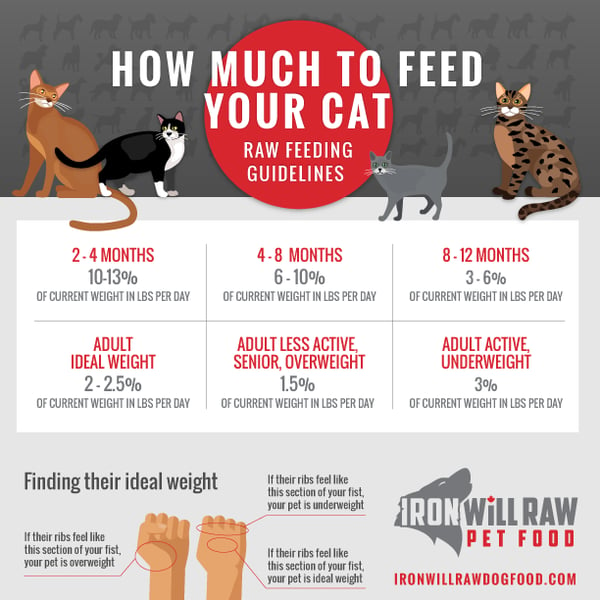
An average adult cat typically needs about 24 to 35 calories per pound daily. This equates to roughly 1/3 to 1/2 cup of dry food or 5. 5 ounces of canned food. Adjust portions based on activity level, age, and weight.
Consult your vet for specific dietary needs.
How Much Does A Month Supply Of Cat Food Cost?
A month’s supply of cat food typically costs between $20 to $50, depending on the brand and quality. Premium brands may be more expensive. Consider your cat’s dietary needs and preferences when choosing a suitable option. Always compare prices and read reviews for the best value.
Conclusion
Understanding cat food costs helps plan budgets better. Prices vary widely. Factors include brand, type, and quality. Wet food often costs more than dry. Premium brands charge extra for higher quality ingredients. Bulk buying saves money. Keep your cat’s health in mind when choosing food.
Quality impacts their well-being. A balanced diet is crucial for a happy, healthy pet. Regularly check for sales and discounts. Always read labels carefully. Make informed choices. Your cat deserves the best. Budget wisely, but prioritize nutrition. A healthy cat brings joy and companionship.