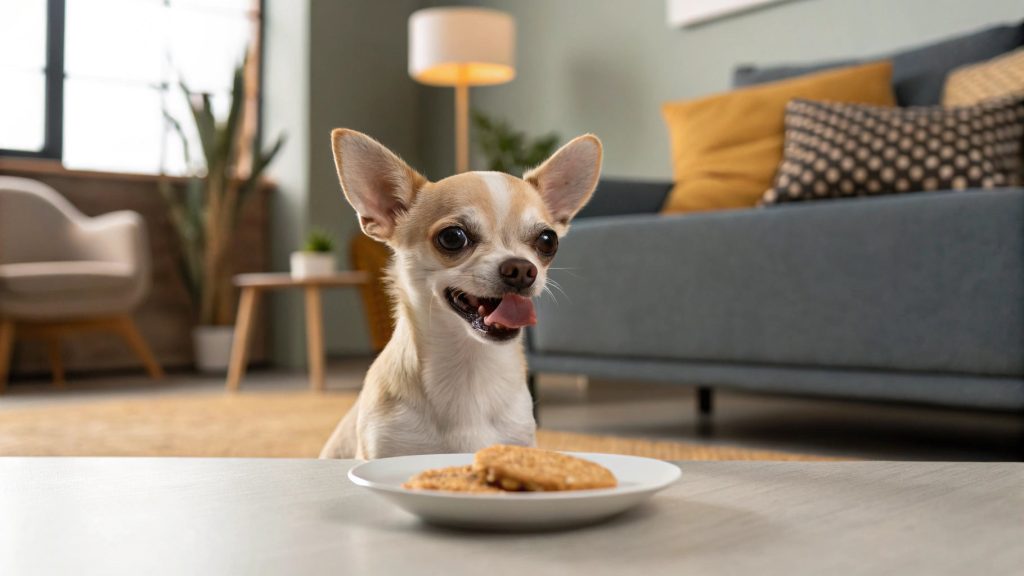
Have you ever caught your dog sneaking a nibble from your cat’s food bowl? You’re not alone.
Many pet owners have faced this curious situation, and it raises an important question: can cat food make a dog sick? As a loving pet owner, your dog’s health is a top priority, and knowing whether this seemingly harmless snack could harm them is crucial.
We’ll unravel the mystery behind cat food and its effects on dogs. You’ll discover what makes cat and dog foods different, and why these differences matter more than you might think. By the end, you’ll have the insights you need to keep your furry friend safe and healthy. So, let’s dive in and uncover what every pet parent should know!
Nutritional Differences
Dog and cat foods differ in many ways. These differences impact their health. Dogs and cats have unique dietary needs. Their food reflects this. Feeding your dog cat food can cause problems. Let’s explore these nutritional differences.
Protein Content Variations
Cat food often contains more protein. Cats are obligate carnivores. They need high protein to thrive. Dogs are omnivores. They require less protein. Excess protein can strain a dog’s kidneys.
Fat Levels And Their Effects
Cat food is higher in fat. This suits a cat’s energy needs. Dogs need moderate fat levels. Too much fat can cause obesity in dogs. It can also lead to pancreatitis.
Specific Nutrient Requirements
Cats need taurine in their diet. It’s an essential amino acid. Dogs produce taurine naturally. They don’t need it in their food. Cat food also contains more vitamin A. Dogs can get sick from too much vitamin A.
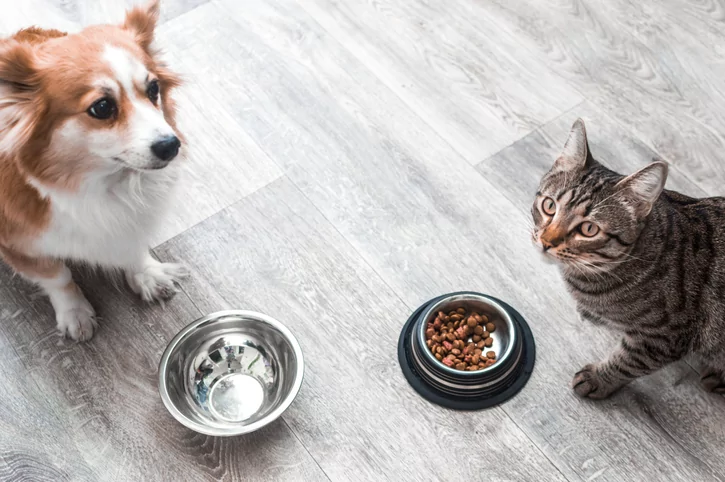
Credit: www.greensafaris.com
Digestive System Impact
Feeding your dog cat food can lead to digestive system issues. Dogs and cats have different dietary needs. Cat food often contains more protein and fat. These nutrients can be hard for dogs to digest. Understanding the impact on the digestive system is crucial.
Gastrointestinal Disturbances
Cat food can cause gastrointestinal disturbances in dogs. The high protein content can upset their stomach. It can lead to vomiting or diarrhea. Dogs might also experience gas or bloating. These symptoms indicate digestive discomfort.
Potential Allergic Reactions
Some dogs may have allergic reactions to cat food ingredients. Ingredients like fish or chicken are common allergens. These can cause itchy skin or ear infections. Allergic reactions may also lead to gastrointestinal problems. Monitor your dog for any signs of allergies.
Long-term Health Risks
Feeding dogs cat food regularly poses serious health risks. Dogs and cats have different nutritional needs. Cat food contains higher protein and fat levels. Long-term consumption can harm your dog’s health.
Obesity And Weight Management
Cat food is rich in calories. Dogs consuming cat food may gain weight quickly. Obesity can lead to joint problems and heart issues. Excess weight affects your dog’s quality of life. Maintaining a healthy weight is crucial for your dog’s well-being.
Kidney And Liver Concerns
High protein in cat food stresses a dog’s kidneys. Over time, this may lead to kidney disease. Liver function can also be compromised. Cat food contains nutrients that dogs cannot process well. Long-term consumption may damage vital organs. Protect your dog’s health by providing suitable food.
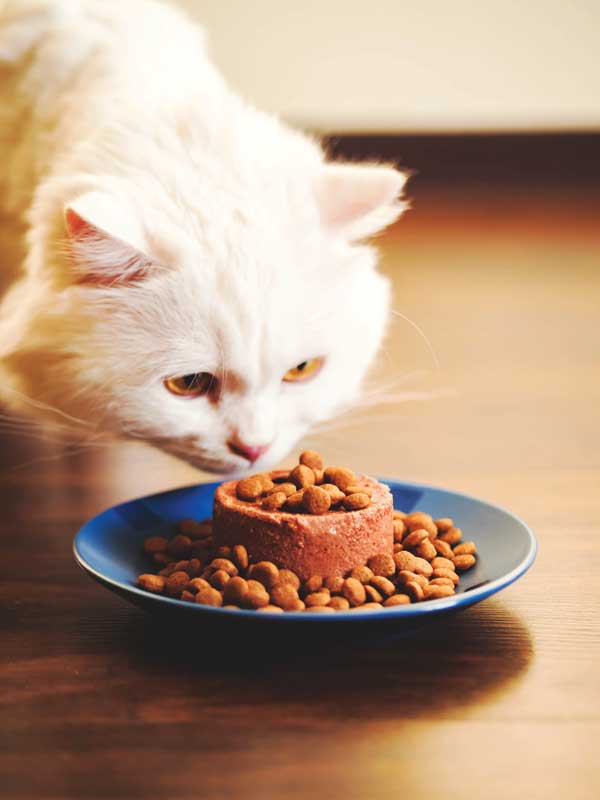
Credit: www.greensafaris.com
Behavioral Changes
Have you ever noticed unusual behaviors in your dog after they’ve had a bite of your cat’s food? It might seem harmless, but cat food can sometimes trigger behavioral changes in dogs. These changes can manifest in various ways, making it crucial for you to observe your pet closely. By identifying these signs early, you can ensure your dog stays healthy and happy.
Alterations In Eating Habits
Your dog’s eating habits might change dramatically after consuming cat food. You might find them losing interest in their own meals, eagerly waiting to sneak into the cat’s dish. Cat food is often richer and more flavorful than dog food, which can lead your pup to prefer it over their regular diet. This shift can disrupt their nutritional balance, potentially leading to digestive issues. Have you noticed your dog skipping meals or eating less? It’s time to reevaluate their diet and ensure they’re getting the right nutrients.
Energy And Activity Levels
Has your dog suddenly become lethargic or overly hyperactive? Cat food can affect your dog’s energy levels in unexpected ways. Due to its high protein and fat content, some dogs may experience a burst of energy, while others might feel sluggish. For example, your typically playful dog might spend more time lounging than running around. This imbalance can impact their overall health and mood. Keeping a close eye on your dog’s energy levels can help you determine if cat food is the culprit.
Next time you notice these behavioral changes, consider whether your dog has been munching on cat food. It’s not just about what they eat, but how it affects their daily life and well-being. Have you had any similar experiences with your furry friends? Share your thoughts and tips below!
Preventive Measures
Preventive measures are crucial for ensuring your dog’s health. Dogs have different dietary needs compared to cats. Feeding them cat food can lead to health issues. Understanding safe feeding practices and monitoring dietary intake helps prevent sickness.
Safe Feeding Practices
Feed your dog high-quality dog food. It contains balanced nutrients for their growth. Keep cat food out of your dog’s reach. Store it in a secure place. Teach your dog commands to avoid food meant for cats. This minimizes chances of accidental consumption.
Monitoring Dietary Intake
Observe your dog’s eating habits regularly. Notice changes in appetite or behavior. Such changes might indicate dietary issues. Keep a food diary for your dog. Note the type and amount of food consumed daily. This helps track and manage their diet effectively.
Consult a vet for dietary advice. They provide guidance based on your dog’s health needs. Regular vet visits are essential. They help identify potential health risks early. Ensuring your dog eats properly prevents sickness and promotes well-being.

Credit: www.greensafaris.com
When To Consult A Veterinarian
Cats and dogs have different dietary needs. Feeding dogs cat food can upset their stomachs or lead to health issues. Consult a veterinarian if your dog shows signs of illness after eating cat food.
When you notice your dog feeling unwell, it can be worrying. Consuming cat food might cause this. Cats and dogs have different dietary needs. Cat food often contains more protein and fat than dog food. This can upset a dog’s stomach. It’s crucial to know when to see a veterinarian. Early action can prevent serious health issues.Signs Of Illness
Watch for signs that your dog may be sick. Vomiting is a common symptom. Diarrhea often follows a dietary change. Lethargy can indicate something is wrong. Loss of appetite is another red flag. Changes in behavior may also signal illness. If these signs persist, consult a vet. Quick response can make a difference.Professional Advice
Veterinarians provide expert guidance. They understand the unique needs of dogs. A vet can diagnose the problem accurately. They may ask about recent diet changes. Sharing details about your dog’s symptoms helps. They might suggest tests for further investigation. Professional advice ensures your dog gets the right care.Frequently Asked Questions
What Happens If My Dog Ate Cat Food?
Dogs can eat cat food occasionally without harm. Frequent consumption might cause digestive issues or nutritional imbalance. Monitor your dog for any adverse reactions and consult a vet if concerns arise. Always provide dog-appropriate food to ensure balanced nutrition for your pet’s health.
How Long Does Cat Food Make Dogs Sick?
Cat food can upset a dog’s stomach. Symptoms usually last a few hours to a day. If symptoms persist, consult your vet for advice. Avoid feeding your dog cat food to prevent digestive issues.
Can Cat Food Cause Issues In Dogs?
Yes, cat food can cause issues in dogs. It often contains higher fat and protein levels. This can lead to digestive problems, obesity, or pancreatitis in dogs. It’s essential to feed dogs food specifically formulated for them to ensure they receive proper nutrition and avoid health issues.
Will One Bowl Of Cat Food Hurt My Dog?
One bowl of cat food likely won’t harm your dog. Dogs have different nutritional needs than cats. Regular consumption could lead to health issues. If your dog eats cat food occasionally, monitor for allergic reactions or digestive upset. Always provide dog-specific food for balanced nutrition.
Conclusion
Feeding dogs cat food can lead to health problems. Dogs need balanced nutrition specific to their species. Cat food lacks some essential nutrients for dogs. It might cause digestive upset or other health issues. Always choose dog food for your canine friend.
Consult your vet for guidance. Keep dog food separate from cat food. This prevents accidental consumption. Your dog’s health should be the priority. Proper diet supports their well-being. Make informed choices for your pet’s diet. Remember, their health depends on you.
Stay attentive and care for your furry friend.