What Cat Food is Best for Sensitive Stomachs: Top Picks
Finding the right cat food for your furry friend with a sensitive stomach can feel like a daunting task. You want to ensure your cat enjoys their meals without any discomfort or digestive issues.
But with so many options on the market, how do you know which one is truly the best? Imagine the peace of mind knowing that your beloved pet is not only eating something they love but also something that keeps their tummy happy.
We’ll explore the top cat foods designed specifically for sensitive stomachs, helping you make an informed decision that could transform your cat’s well-being. Stick with us to discover how you can enhance your cat’s diet and ensure they’re purring with satisfaction at every meal.
Credit: www.petsense.com
Understanding Sensitive Stomachs In Cats
Understanding sensitive stomachs in cats is vital for their health. Cats with digestive issues often require special diets. These diets can prevent discomfort and promote well-being. Recognizing signs early helps you address these concerns. Let’s delve into common causes and symptoms.
Common Causes Of Digestive Issues
Several factors can lead to digestive problems in cats. Dietary changes are a major cause. A sudden switch in food can upset their stomach. Food allergies and intolerances are also common. Cats may react to certain ingredients, causing discomfort. Stress is another factor affecting digestion. Changes in environment or routine can lead to stress. This stress often manifests as digestive issues.
Signs Of A Sensitive Stomach
Identifying symptoms of a sensitive stomach is crucial. Vomiting is a frequent sign. Cats may vomit after eating certain foods. Diarrhea is another symptom. Loose stools indicate digestive distress. Loss of appetite can also suggest sensitivity. Cats may refuse food if it causes pain. Excessive gas and bloating are additional signs. These symptoms require attention and care.
Ingredients To Look For In Cat Food
Choosing the right cat food for sensitive stomachs can be challenging. Certain ingredients can ease digestion and prevent discomfort. Look for foods that prioritize these gentle components. This helps keep your feline friend happy and healthy.
Easy-to-digest Proteins
Cats need protein for energy and growth. Sensitive stomachs require proteins that are easy to digest. Chicken and turkey are great choices. They are less likely to upset stomachs. Fish is another option. It provides omega-3 fatty acids for skin and coat health. Avoid beef and lamb, as they can be harder to digest. Always check the label for protein sources.
Beneficial Fibers
Fiber helps regulate digestion. It can prevent constipation and diarrhea. Pumpkin and sweet potato are excellent sources. They are gentle on the stomach. Rice and oat fiber are also effective. They add bulk to stools and improve gut health. Fiber should be balanced with other nutrients. Too much can cause gas or bloating.
Probiotics And Prebiotics
Probiotics are good bacteria. They support a healthy gut. Prebiotics feed these bacteria. Together, they improve digestion and nutrient absorption. Look for foods with added probiotics. Yogurt and kefir are natural sources. Prebiotics like inulin support probiotic growth. They help maintain a balanced gut flora. This reduces digestive issues over time.
Ingredients To Avoid
Selecting cat food for sensitive stomachs demands careful attention to ingredients. Wheat, corn, soy, and artificial additives often trigger digestive issues. Opt for natural, limited ingredient formulas to ease discomfort and support feline health.
Choosing the right cat food for sensitive stomachs is crucial. Some ingredients can upset your cat’s digestion. Identifying these can help keep your cat healthy. This section will explore specific ingredients to avoid. Let’s dive into the details.Artificial Additives
Artificial additives can irritate a cat’s stomach. These include artificial colors, flavors, and preservatives. Such additives can cause allergies or digestive issues. Natural alternatives are often better for sensitive cats. Check labels carefully for these ingredients.Grain-based Fillers
Grain-based fillers, like corn and wheat, can be hard to digest. Cats are carnivores and need protein, not grains. Fillers add bulk but little nutrition. They can trigger allergies or stomach upset. Opt for grain-free cat food for sensitive stomachs.Common Allergens
Common allergens include beef, dairy, and fish. These can cause inflammation or discomfort. Each cat is different; what bothers one might not affect another. Testing different proteins can help identify allergens. Choose foods with limited ingredients for easy digestion. Understanding these ingredients can aid in choosing the best food. Your cat deserves a diet that supports its health and comfort. Avoid these ingredients to ensure a happy, healthy cat.Top Cat Food Brands For Sensitive Stomachs
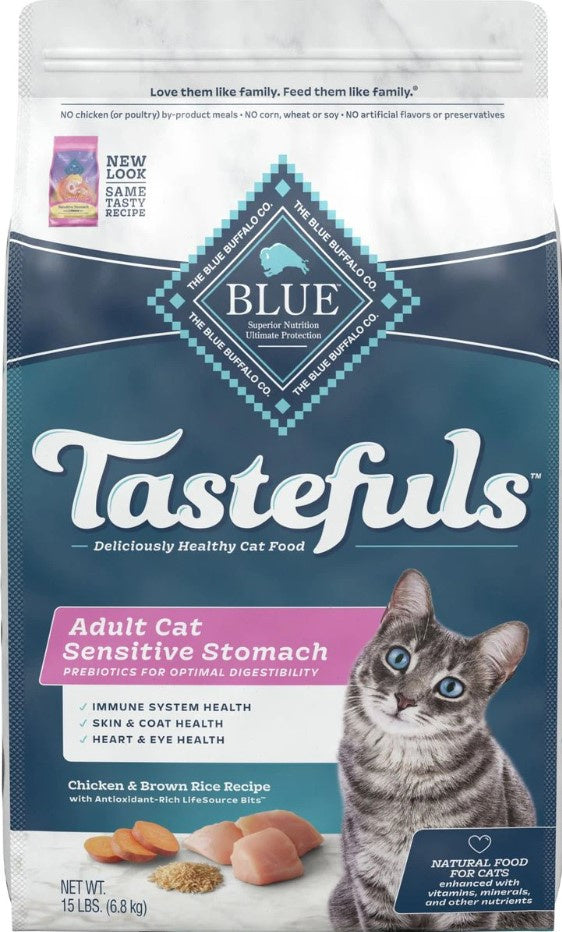
Sensitive stomachs in cats need gentle food options. Discover top brands offering nutritious, easily digestible formulas. Ensure comfort and health with specially crafted ingredients.
When a cat has a sensitive stomach, finding the right food is crucial. Many brands offer specialized formulas that cater to cats with digestive issues. Choosing the right brand can help improve your cat’s health and comfort. Below are some of the top cat food brands that offer options for sensitive stomachs.Dry Food Options
Dry cat food is convenient and easy to store. Brands like Hill’s Science Diet and Royal Canin offer dry formulas designed for cats with sensitive stomachs. These foods often contain high-quality ingredients that are gentle on digestion. They focus on proteins and fibers that promote gut health. These options can help reduce vomiting and diarrhea in sensitive cats.Wet Food Options
Wet cat food can be more digestible for cats with sensitive stomachs. Brands such as Blue Buffalo and Purina Pro Plan have wet food recipes tailored for digestive health. Wet food is often softer and easier to digest. It also provides more moisture, which aids in digestion. These brands use natural ingredients and avoid common allergens.Specialized Diets
Some cats need a specialized diet for their sensitive stomachs. Veterinary diets from brands like Royal Canin and Hill’s Prescription Diet are designed for specific health needs. These diets often include prebiotics and probiotics. They help maintain a healthy digestive system. Specialized diets may require a vet’s recommendation but can offer targeted relief for your cat’s issues.Homemade Cat Food Recipes
Creating homemade cat food for sensitive stomachs can provide numerous benefits. It allows you to control the ingredients and cater to your cat’s specific needs. Many cats suffer from digestive issues, and commercial foods might not always suit them. Homemade meals can offer a gentle alternative that may alleviate discomfort. Cooking for your cat can also strengthen your bond. Plus, it’s often more economical in the long run.
Simple Recipes For Sensitive Stomachs
Crafting simple recipes can be a rewarding experience. Start with boiled chicken. It’s easy on the stomach. Shred the chicken into small pieces. Add a bit of cooked rice for fiber. Mix in some pumpkin puree. This helps with digestion. Avoid spices and seasonings. They can irritate the stomach.
Another option is a fish-based meal. Use boiled white fish. It’s light and gentle on digestion. Combine it with mashed sweet potatoes. This adds necessary fiber. Make sure the fish is boneless. Bones can cause harm.
Essential Nutrients For Homemade Meals
Ensure your cat’s meals contain essential nutrients. Protein is crucial. Cats need it for energy and health. Chicken and fish are great sources. Include healthy fats. Salmon oil is a good choice. It supports skin and coat health.
Calcium is also important. It supports bone health. Crushed eggshells can provide this. Just ensure they’re clean and finely ground. Taurine is vital too. Cats can’t produce it themselves. Meat and fish usually contain enough.
Consider adding a multivitamin supplement. This ensures all nutrient needs are met. Consult your vet for recommendations. They can guide you on safe and effective options. Balance is key in homemade diets.
Tips For Transitioning To New Food
Selecting the right cat food eases sensitive stomachs. Opt for easily digestible ingredients like chicken or rice. Gradual diet changes can prevent digestive issues.
Transitioning your cat to a new food, especially when dealing with a sensitive stomach, requires a thoughtful approach. Sudden changes in diet can lead to digestive upset or exacerbate existing problems. By following a few simple tips, you can make the switch smoothly, ensuring your cat’s health and happiness. Let’s dive into some actionable strategies to help you along the way.Gradual Introduction
Start by slowly mixing the new food with your cat’s current diet. Consider a ratio of 25% new food to 75% old food for the first couple of days. Gradually increase the amount of new food while decreasing the old over the course of a week. This gradual transition helps your cat’s digestive system adjust without causing stress. Have you ever tried changing your diet overnight? It’s tough, right? Cats feel the same way! If your cat refuses to eat the new mix, try warming the food slightly or adding a small amount of tuna juice for added flavor. Sometimes a little tweak can make all the difference.Monitoring Your Cat’s Reaction
Keep a close eye on your cat’s behavior and litter box habits during the transition. Look for signs like vomiting, diarrhea, or changes in appetite. These can indicate that the new food isn’t agreeing with your cat. Imagine you’ve just started a new diet and feel off—your cat can’t voice it, but their body will show it. If adverse reactions occur, slow down the transition process or consult your vet. A journal can be helpful. Note any changes and discuss them with your veterinarian if needed. This proactive approach can prevent small issues from becoming big problems. Transitioning your cat to new food for a sensitive stomach doesn’t have to be daunting. With patience and careful observation, you can ease your feline friend into a healthier diet. What strategies have you found helpful in making dietary changes for your pet? Your insights could help fellow cat owners!Consulting Your Veterinarian
Consulting your veterinarian can help identify the best cat food for sensitive stomachs. They provide advice based on your cat’s specific needs. A balanced diet is crucial for maintaining your cat’s digestive health.
When your cat is struggling with a sensitive stomach, it can be a challenging time for both of you. Consulting your veterinarian is a crucial step in finding the right diet. Vets can provide expert advice tailored to your cat’s specific needs, ensuring their health and happiness.When To Seek Professional Advice
If your cat is frequently vomiting or has diarrhea, it’s time to consult a vet. Prolonged symptoms can lead to dehydration and malnutrition. A vet can pinpoint the underlying cause, whether it’s food-related or something more serious. Have you noticed any unusual behavior around mealtime? Reluctance to eat or excessive hunger can also signal digestive issues. Seeking advice early can prevent complications. Sometimes, over-the-counter solutions just don’t cut it. When symptoms persist, a vet’s insight is invaluable in crafting a long-term dietary plan.Tailoring Diets To Individual Needs
Every cat is unique, and what works for one might not work for another. A vet can help tailor a diet plan that considers your cat’s age, weight, and health condition. You might be tempted to switch foods on your own, but a vet-guided approach ensures you’re not missing key nutrients. They can recommend specific brands or formulations that you might not have considered. Is your cat allergic to certain ingredients? A vet can help identify allergens and suggest alternatives. This personalized approach can make a world of difference in your cat’s comfort and well-being. In my experience, I thought my cat’s issues were solely food-related. However, after consulting our vet, we discovered an underlying thyroid issue. This led to a comprehensive treatment plan, not just a diet change. How do you ensure your cat gets the best care possible? Starting with your vet is a wise choice. Their expertise can guide you through the maze of options, ensuring your feline friend thrives.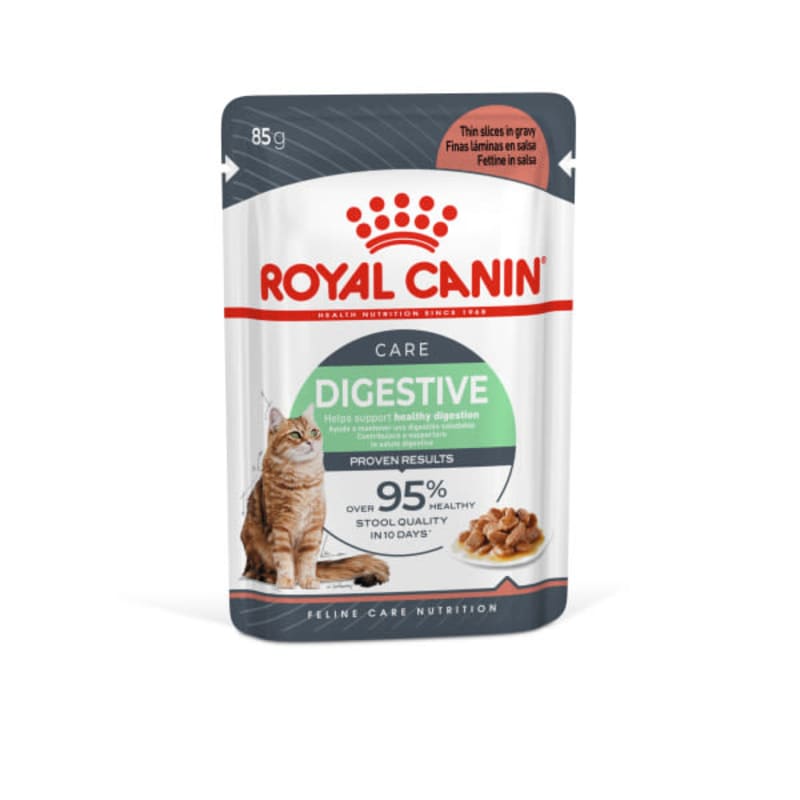
Credit: www.greensafaris.com

Credit: portlandpetfoodcompany.com
Frequently Asked Questions
What Is The Best Cat Food For Cats That Throw Up A Lot?
Choose cat food with high digestibility and limited ingredients. Opt for formulas designed for sensitive stomachs. Brands like Hill’s Science Diet, Royal Canin, and Blue Buffalo offer specialized options. Consult a veterinarian to ensure the right nutritional balance for your cat’s health.
Is Grain-free Better For Cats With Sensitive Stomachs?
Grain-free diets may benefit cats with sensitive stomachs. Always consult a vet for personalized advice. Monitor your cat’s reaction to dietary changes. Some cats might digest grain-free food better, while others may not. Each cat’s needs can vary.
What Food Is Best For A Cat With An Upset Stomach?
Feed your cat boiled chicken or rice to soothe an upset stomach. Ensure food is bland and easily digestible. Consult a vet for persistent issues to ensure proper care and dietary advice. Hydration is crucial, so provide fresh water consistently.
Avoid foods rich in fat or spices to prevent further irritation.
What To Do If Your Cat Has A Sensitive Stomach?
Feed your cat easily digestible, high-quality food. Offer small, frequent meals. Consult a vet for dietary recommendations. Keep fresh water available. Monitor your cat’s response to changes.
Conclusion
Choosing the right food for your cat’s sensitive stomach is crucial. Focus on ingredients that aid digestion. Consider high-quality protein sources and low-carb options. Check labels for allergens and fillers. Each cat is unique. Monitor how your cat responds to new foods.
Consult your vet for personalized advice. A healthy diet leads to a happy cat. Finding the perfect food takes time. Be patient and observant. Your cat’s comfort and health matter most. Balanced nutrition ensures a long, happy life. Keep your feline friend purring with the right choice.