Will Cat Food Harm Dogs: Unveiling the Truth
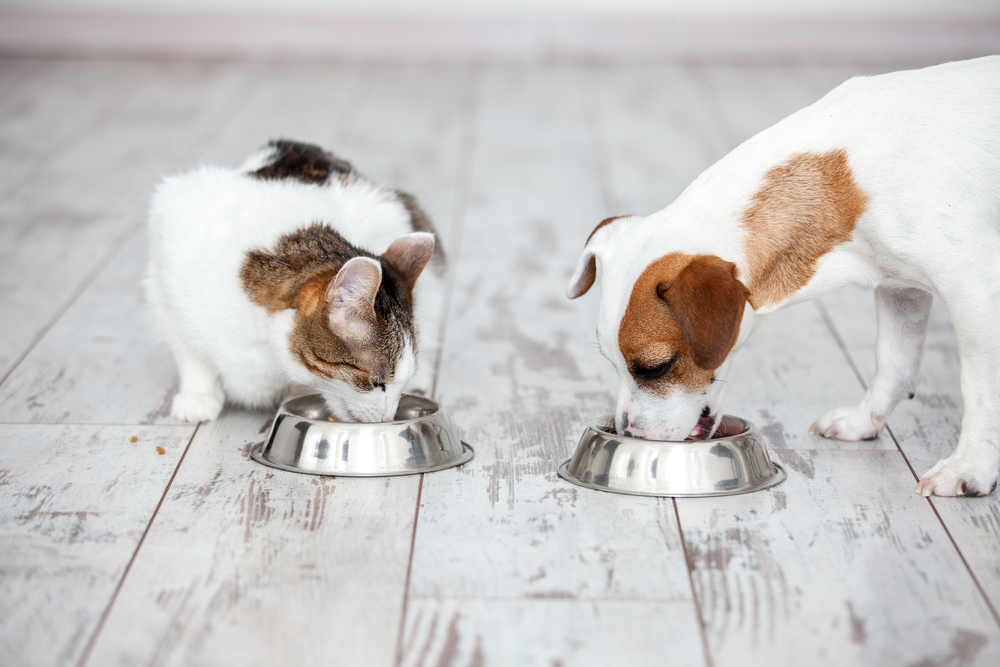
Have you ever caught your dog sneaking a bite from your cat’s food bowl? You might wonder if this seemingly harmless act is safe for your canine companion.
After all, cats and dogs have different dietary needs, and what nourishes one might not be suitable for the other. As a caring pet owner, you want the best for your furry friend. Understanding the impact of cat food on your dog’s health is crucial for their well-being.
Stay with us as we unravel the truth behind this common concern and provide you with the insights you need to make informed decisions for your pet’s diet. Your dog’s health could depend on it!
The Ingredients In Cat Food
Cat food contains high protein levels and fats suitable for felines. Dogs can eat it occasionally without harm. Regular consumption may lead to digestive issues and obesity in dogs.
The ingredients in cat food are meticulously selected to meet the dietary needs of felines. Cats are obligate carnivores, meaning their bodies thrive on a diet rich in animal-based proteins and fats. This nutritional requirement makes cat food distinct and raises questions about its suitability for other pets, like dogs.Nutritional Composition
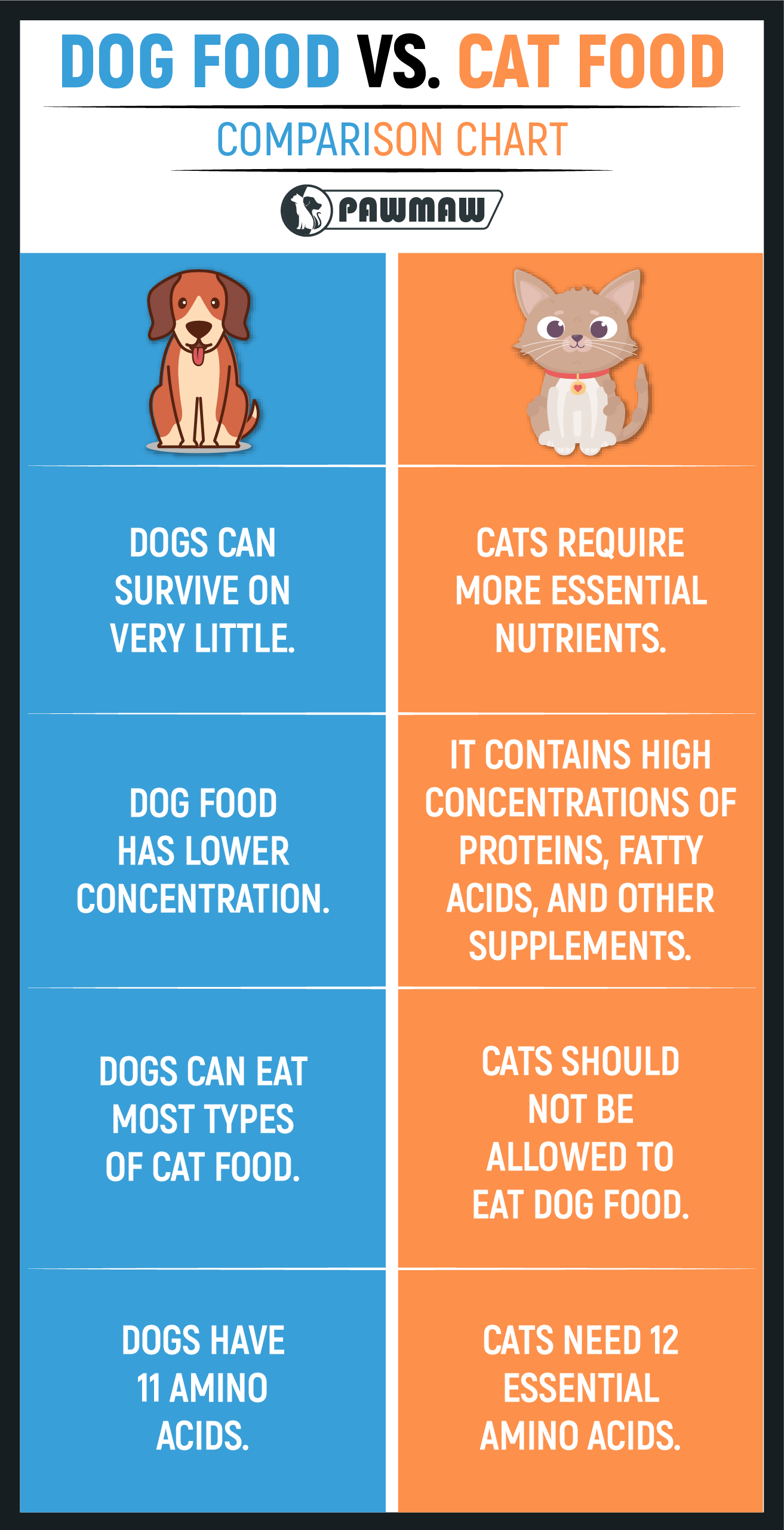
Cat food is generally higher in protein and fat compared to dog food. This is because cats require essential amino acids like taurine that are found in animal proteins. Dogs, however, are omnivores and have different nutritional needs. Their diet can include plant-based ingredients, which are less common in cat food. Feeding your dog cat food occasionally may not pose an immediate threat, but consistently high protein and fat intake can lead to health issues. Is it worth risking your dog’s health for a few bites of cat food?Common Additives
Cat food often includes additives to enhance flavor and appeal to the feline palate. These may include fish oils, vitamins, and minerals specifically beneficial to cats. Dogs might find these flavors tempting, but the additives don’t cater to their dietary needs. Excessive vitamins or minerals can sometimes lead to complications in dogs. Would you consider reading ingredient labels more carefully next time? Understanding what’s in your pet’s food can prevent potential health risks. Being informed about the food you give your pets ensures they lead healthy, happy lives. What steps will you take today to better understand your pet’s diet?Differences Between Cat And Dog Nutrition
Cats and dogs require different nutrients. Cat food often contains higher protein and fat levels. Feeding it to dogs may lead to health issues. Dogs need balanced diets with nutrients specific to their needs. Always choose food tailored for your pet’s species and age.
Understanding the differences between cat and dog nutrition is crucial if you own both pets. While they might share your living room, their dietary needs are quite different. Feeding your dog cat food might seem harmless, but it can lead to nutritional imbalances.Protein Requirements
Cats are obligate carnivores, meaning they need a diet high in protein. Their bodies rely on animal-based proteins for essential nutrients. Dogs, on the other hand, are omnivores and can thrive on a more varied diet. They don’t require as much protein as cats, and too much could strain their kidneys. Have you ever noticed how your cat’s food smells more enticing than your dog’s kibble? That’s because it’s packed with protein, something your dog might not need in excess. Dogs need a balanced diet that includes grains and vegetables, alongside protein.Vitamin And Mineral Needs
Cats have specific vitamin needs, such as taurine, which is essential for their heart and eye health. Dogs can produce taurine on their own, so they don’t need it added to their food. This is a key reason why dog and cat foods are formulated differently. Think about this: if your dog regularly eats cat food, they might miss out on crucial nutrients. A dog’s diet should include vitamins and minerals like vitamin E, selenium, and zinc, which support their coat and immune system. Cat food might not provide these in the right amounts, leaving your dog at risk for deficiencies. Have you ever caught your dog sneaking a bite of your cat’s dinner? It might be cute, but it’s not ideal for their health. Next time, consider if your dog is getting all they need from their own food. Could their sneaky behavior be a sign of missing nutrients? Understanding these differences can help you make better choices for your pets’ health. What changes can you make today to ensure both your cat and dog get the nutrition they need?Potential Risks For Dogs Eating Cat Food
Feeding dogs cat food might lead to health issues. Dog’s digestive systems struggle with high fat and protein levels found in cat food. This can cause stomach upset, obesity, and nutritional deficiencies over time. Ensuring dogs eat appropriate dog food supports their health and well-being.
Eating cat food can be risky for dogs. Though it might seem harmless, it poses health concerns. Cat food is formulated for cats, not dogs. It has different nutrients and calorie content. Understanding these risks helps ensure your dog’s health.Digestive Issues
Cat food can upset a dog’s stomach. It has high protein and fat content. Dogs may experience vomiting or diarrhea. Their digestive systems differ from cats’. This can lead to discomfort and health problems.Weight Gain Concerns
Cat food is calorie-dense. Dogs eating it may gain weight quickly. Obesity in dogs leads to other health issues. Joint problems and heart disease are common. Keeping their diet in check is crucial.Allergic Reactions
Some dogs may be allergic to cat food ingredients. It might cause skin irritations or itching. Allergies can lead to infections. It’s important to monitor your dog’s reaction. Consult a vet for severe symptoms.
Credit: www.spunkyjunky.com
Short-term Effects On Dogs
Feeding dogs cat food occasionally might seem harmless. However, it can have short-term effects. Dogs and cats have different dietary needs. Cat food is richer in proteins and fats. This can affect a dog’s health temporarily.
Immediate Symptoms
A dog eating cat food might show immediate symptoms. Upset stomach is common. Diarrhea or vomiting could occur. Excessive gas is another possibility. These symptoms arise due to rich ingredients. Dogs digest differently than cats. The high protein and fat content in cat food can overwhelm a dog’s system.
Behavioral Changes
Behavioral changes might be noticed. Dogs could become more lethargic. This happens due to excess fats. They might also drink more water. Increased thirst is a common reaction. This is due to the high salt content. Dogs may experience a change in energy levels. They might appear sluggish or overly tired. These changes are temporary but notable.
Long-term Health Implications
Feeding cat food to dogs regularly can lead to health issues. Cats and dogs have different nutritional needs. Over time, this diet may cause weight gain or nutrient imbalances in dogs.
Long-term health implications of feeding cat food to dogs are a significant concern. While a bite here and there might seem harmless, regular consumption can lead to serious health issues over time. This is not just about the ingredients; it’s about the balance and nutritional needs unique to each animal.Organ Health Risks
Dogs have specific dietary requirements that differ from cats. Cat food is rich in proteins and fats, which can strain a dog’s liver and kidneys. Over time, this can lead to organ damage. You might notice your dog acting lethargic or even suffering from digestive issues. Imagine a scenario where you find your dog unusually tired after meals. It could be due to the high protein content in cat food affecting their liver function. Would you rather have peace of mind knowing they’re eating what’s best for them?Chronic Conditions
Feeding your dog cat food can also lead to chronic health conditions. Obesity is a common issue because of the calorie-dense nature of cat food. Dogs eating cat food regularly can also develop heart disease due to the high fat content. Think about it: Would you want your dog to struggle with weight problems or heart issues simply because of their diet? A balanced diet tailored for dogs can prevent these risks and ensure a healthier life. Taking proactive steps to understand your pet’s nutritional needs can save you from costly vet visits and heartache. Are you willing to make the necessary changes to ensure your dog’s long-term health?
Credit: www.spunkyjunky.com
Safe Alternatives For Dogs
Feeding dogs cat food can lead to health issues. Cat food lacks essential nutrients for dogs, like protein and fiber. Consider safe dog-specific alternatives to ensure your pet’s well-being.
When it comes to feeding your pets, ensuring their health and well-being should always be your top priority. While your dog might eagerly gobble up leftover cat food, it’s crucial to know that this isn’t the best dietary choice for them. Luckily, there are safe alternatives for dogs that provide the right balance of nutrients tailored to their needs. Let’s explore some excellent options to keep your furry friend happy and healthy.Balanced Dog Diets
A balanced diet is vital for your dog’s health. Unlike cats, dogs are omnivores and require a mix of proteins, carbohydrates, fats, vitamins, and minerals. Feeding them a balanced diet ensures they receive all the necessary nutrients. Consider homemade meals if you prefer more control over your dog’s diet. Combine lean meats like chicken or turkey with vegetables like carrots and peas. Always consult your vet to ensure you’re meeting all their dietary requirements.Specialty Dog Foods
Specialty dog foods are crafted to address specific health needs. Whether your dog has allergies, is overweight, or requires a grain-free diet, there’s a specialty food available. For dogs with allergies, hypoallergenic dog food can be a game-changer. These foods are formulated to avoid common allergens like beef or chicken, using alternative protein sources like duck or venison. Have you ever noticed your dog gaining a little extra weight? Low-calorie dog foods can help manage their weight without sacrificing nutrition. They often contain higher fiber content to keep your dog feeling full longer. Choosing the right food for your dog doesn’t have to be daunting. Think about their specific needs, consult with your vet, and you’ll find the perfect option for your four-legged friend. Remember, your dog’s health starts with what’s in their bowl. Are you feeding them the best possible diet?Expert Opinions And Studies
Pet owners often wonder if cat food is safe for their dogs. While some believe it’s harmless, others worry about potential risks. Understanding expert opinions can provide clarity. This section explores insights from veterinarians and scientific research findings.
Veterinarian Insights
Veterinarians highlight key differences between cat and dog food. Cat food contains more protein and fat. This suits feline nutritional needs. Dogs have different dietary requirements. A dog eating cat food occasionally isn’t harmful. Regular consumption can lead to health issues. Obesity, pancreatitis, and nutrient imbalances are common concerns. Veterinarians advise feeding pets species-specific food. This ensures their unique dietary needs are met.
Scientific Research Findings
Research studies have delved into the effects of cat food on dogs. Findings indicate nutrient imbalances with prolonged consumption. Cat food lacks essential nutrients for dogs. Taurine, an amino acid, is abundant in cat food. Dogs require less taurine. Excessive intake may cause health issues. Studies also highlight the risk of obesity in dogs. High protein and fat levels contribute to weight gain. Proper diet management is essential for pet health.
Credit: www.masterclass.com
Frequently Asked Questions
What Happens If A Dog Eats Cat Food?
Dogs eating cat food may experience digestive issues like diarrhea or vomiting. Cat food is high in protein and fats, which can lead to weight gain or pancreatitis. Occasional consumption isn’t usually harmful, but frequent eating can cause nutritional imbalances.
Always consult a vet for persistent issues.
Is It Bad To Feed Cat Food To My Dog?
Feeding cat food to your dog occasionally isn’t harmful, but it’s not ideal. Cat food lacks essential nutrients dogs need. Regular consumption can lead to nutritional imbalances and health issues. Always ensure your dog gets a balanced diet specifically formulated for canine health.
Consult a vet for dietary advice.
What Is In Cat Food That Makes Dogs Sick?
Cat food contains higher protein and fat levels, which can upset a dog’s stomach. It may also lack essential nutrients dogs need. Consuming cat food regularly can lead to digestive issues or nutrient imbalances in dogs. Always ensure your dog eats food formulated specifically for them.
What Should I Do If My Dog Only Wants To Eat Cat Food?
Gradually transition your dog back to dog food. Mix small amounts of dog food with cat food. Increase dog food gradually until fully transitioned. Consult a veterinarian for nutritional advice. Ensure dog food meets your pet’s dietary needs. Avoid long-term feeding of cat food.
Conclusion
Feeding your dog cat food is not a good idea. Dogs and cats have different dietary needs. Cat food is high in protein and fats. This can upset your dog’s stomach. It might cause health problems over time. Always choose food designed for dogs.
Consult your vet for the best options. Keep pet feeding areas separate. This helps avoid accidental swaps. Ensure your dog gets the right nutrients. They deserve a healthy, balanced diet. Proper nutrition keeps them happy and active. So, stick to dog food for your furry friend’s well-being.

Similar Posts