Can You Make Your Own Cat Food: A DIY Guide
Are you curious about crafting your feline friend’s meals right in your own kitchen? If you’ve ever wondered about making your own cat food, you’re not alone.
Many pet owners are exploring homemade cat food for a variety of reasons, from ensuring high-quality ingredients to tailoring meals to suit their cat’s unique dietary needs. But where do you start, and is it really the best option for your cat?
You’ll discover the benefits of making cat food at home, learn what essential nutrients your cat requires, and find out how you can create balanced meals that keep your furry companion healthy and happy. Plus, we’ll debunk common myths and provide practical tips to make the process smooth and rewarding. Dive in to learn how you can take control of your cat’s nutrition and make informed choices that benefit your beloved pet’s health and well-being.
Credit: www.knowbetterpetfood.com
Benefits Of Homemade Cat Food
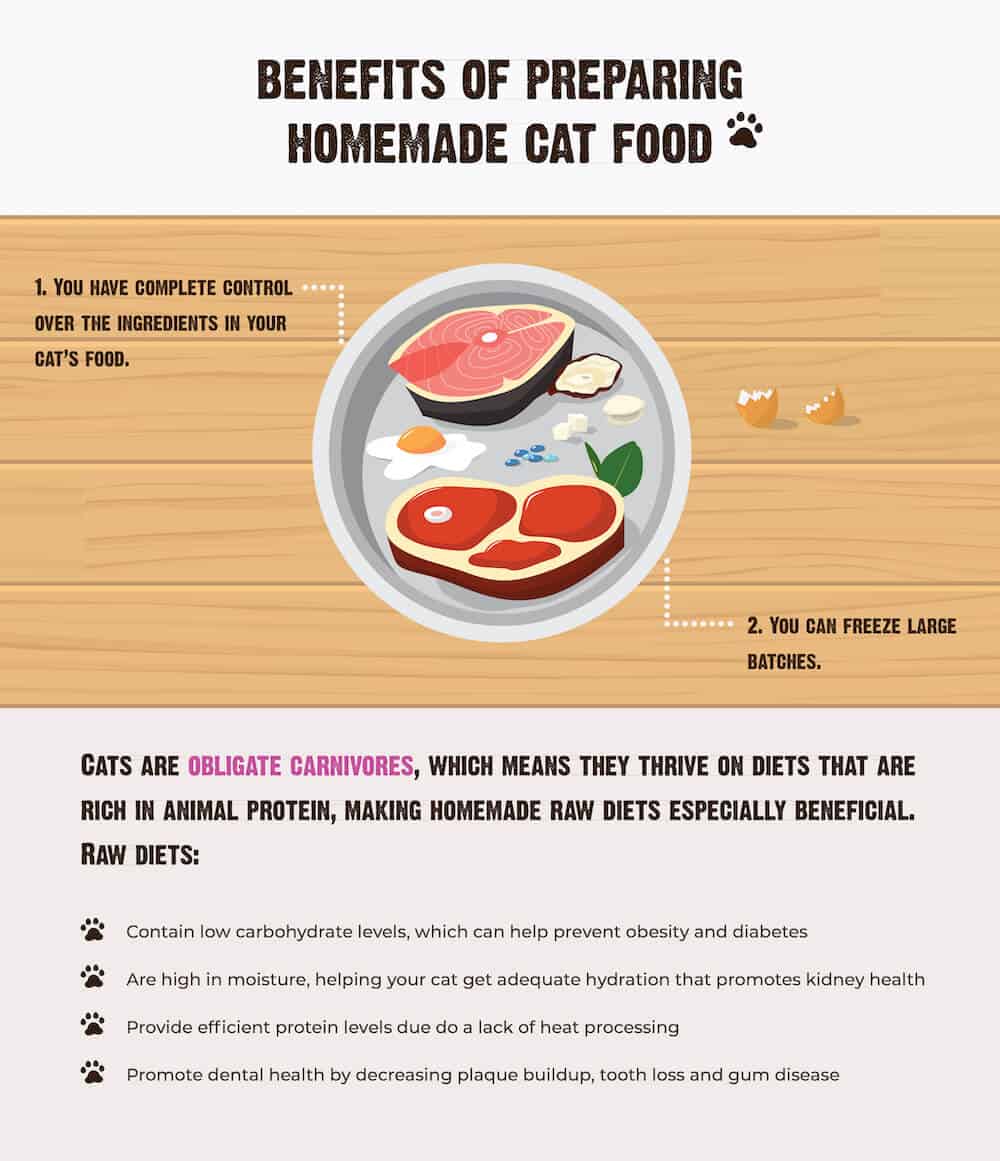
Crafting homemade cat food offers control over ingredients, ensuring natural and nutritious meals for your feline friend. Tailor recipes to meet dietary needs, promoting health and vitality.
Making homemade cat food can offer numerous benefits that might surprise you. It allows you to have complete control over what your feline friend consumes, ensuring they get the best nutrition possible. You can tailor meals to your cat’s specific dietary needs, which can be particularly beneficial if your cat has allergies or health issues.Personalized Nutrition
Preparing your own cat food means you can select ingredients that suit your cat’s unique needs. Does your cat have a sensitive stomach or a picky palate? You can adjust recipes to accommodate these quirks. A friend of mine started making her cat’s food after discovering allergies to certain commercial brands. Her cat now enjoys meals without any digestive issues.Quality Ingredients
When you make cat food at home, you choose the quality of the ingredients. You have the power to avoid preservatives and fillers commonly found in store-bought options. Imagine the peace of mind knowing exactly what goes into your pet’s bowl. This can lead to healthier skin, a shinier coat, and more energy for playtime.Cost-effectiveness
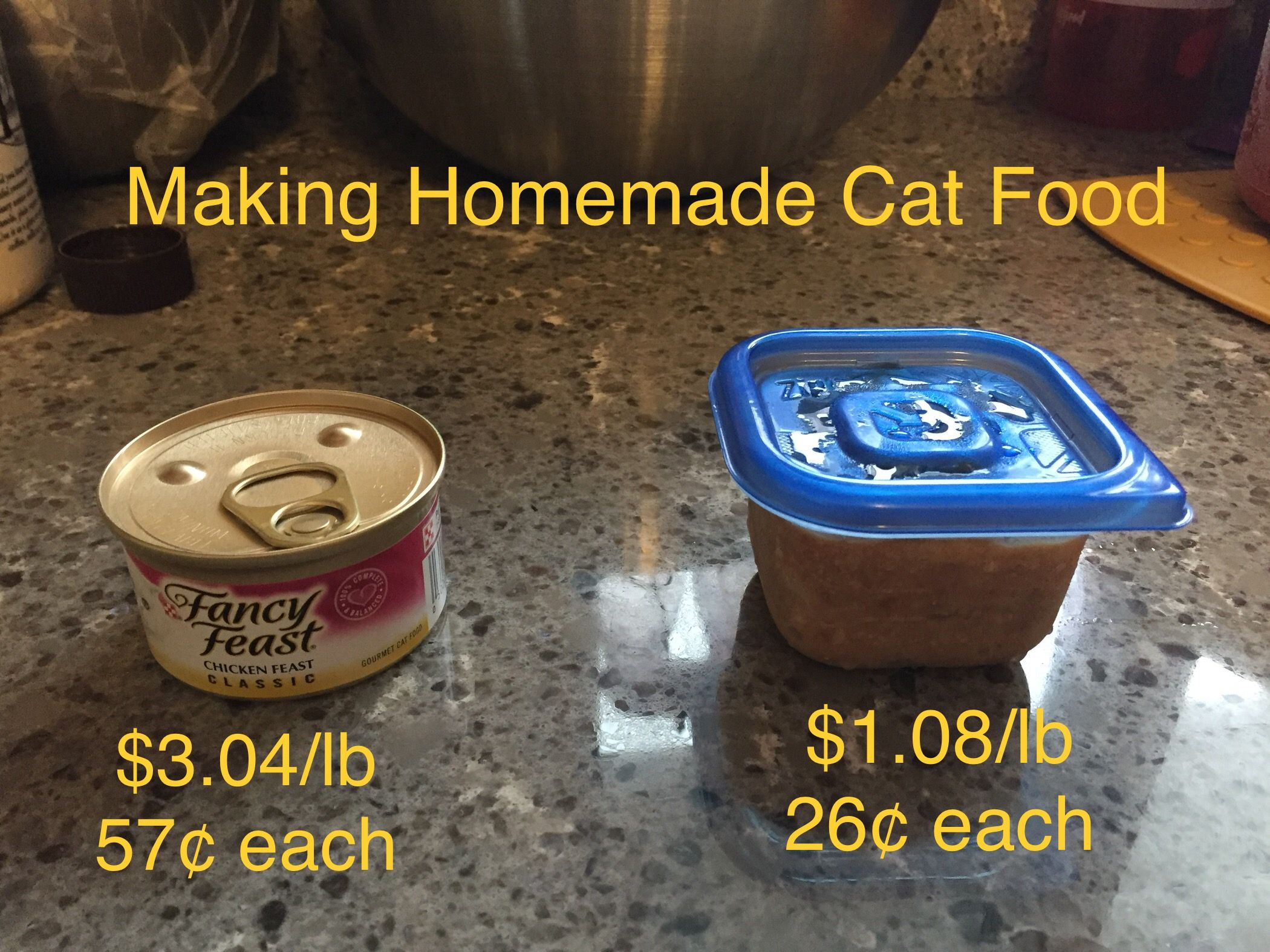
Have you ever calculated how much you spend on premium cat food each month? Making your own cat food can be a budget-friendly alternative. While there’s an initial investment in sourcing good ingredients, it often proves to be cheaper in the long run. Plus, you’re spending on quality rather than quantity.Bonding Experience
Cooking for your cat can be a delightful bonding experience. It’s a chance to show your love through nourishment. As you prepare their meals, you might find yourself understanding their preferences better. Why not make mealtime an event they look forward to?Environmental Impact
By making cat food at home, you reduce packaging waste. Think about the number of cans and bags you dispose of weekly. Making food at home cuts down on this waste, contributing to a greener planet. Isn’t it satisfying to know you’re doing your bit for the environment while caring for your pet? Are you ready to take control over what your cat eats? Whether it’s for health reasons or simply to offer a variety of flavors, homemade cat food can be a rewarding choice.
Credit: cats.com
Essential Nutrients For Cats
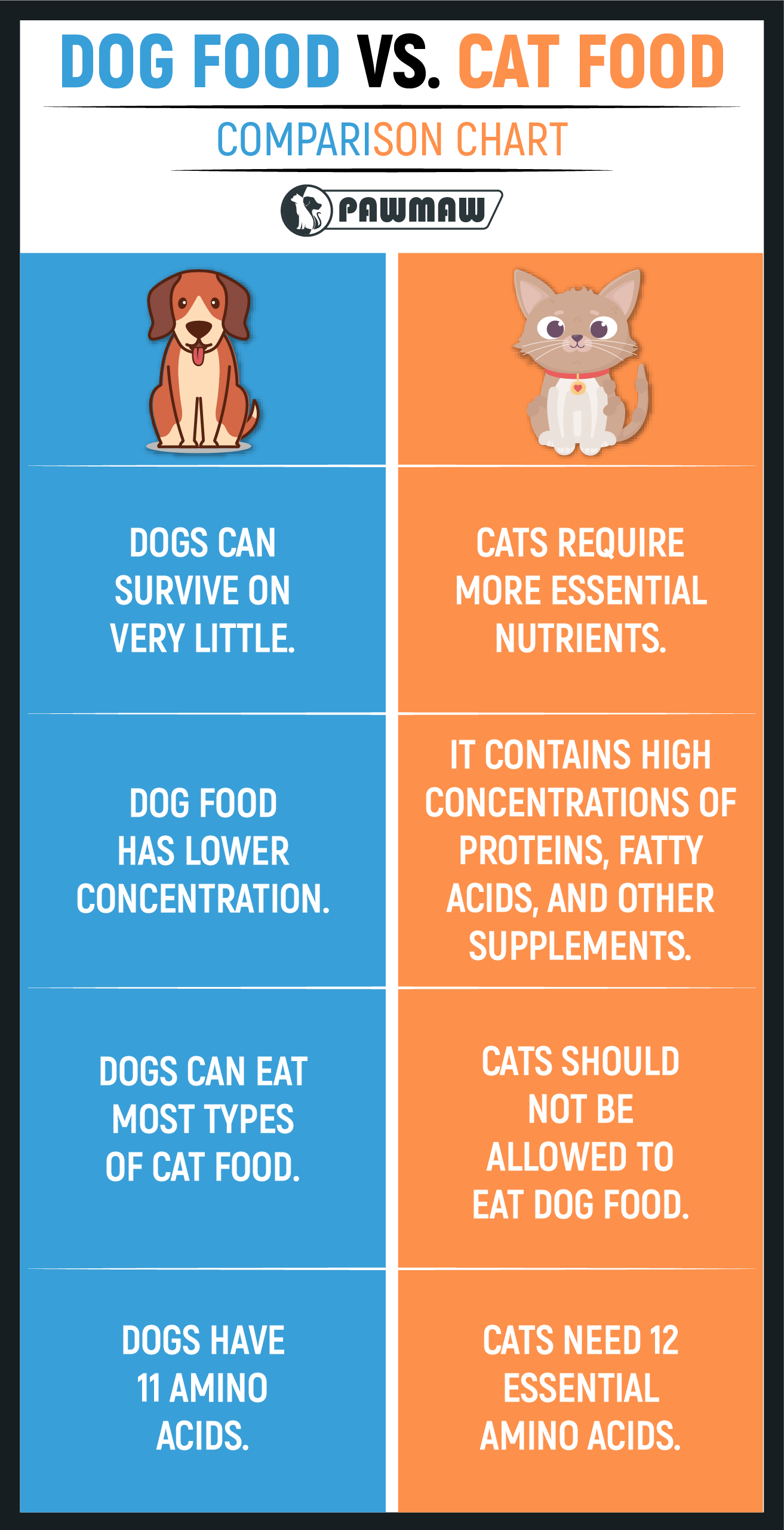
Cats need specific nutrients to stay healthy and active. Making your own cat food can be rewarding, but it’s crucial to understand these needs. Cats are obligate carnivores, meaning they must eat meat. They require a diet rich in proteins, vitamins, minerals, and fatty acids. This ensures their well-being and longevity.
Protein Requirements
Proteins are vital for your cat’s muscle growth and repair. Cats need more protein than dogs or humans. Animal-based proteins are best. Chicken, turkey, and fish are excellent choices. Ensure the meat is fresh and properly cooked. Avoid using raw fish, as it may contain harmful parasites. Taurine, an essential amino acid, is crucial. It supports heart health and vision. Commercial cat foods often add taurine, but homemade meals must include taurine-rich ingredients.
Vitamins And Minerals
Vitamins and minerals keep your cat’s body functioning well. Vitamin A supports vision and skin health. It is found in liver and fish oils. Vitamin D aids in calcium absorption, promoting strong bones. Most meats contain some level of vitamin D. Calcium and phosphorus are essential for bone health. Balance these minerals to avoid deficiencies or excesses. A simple ratio of 1.2:1 calcium to phosphorus is effective. Consider adding bone meal or eggshell powder to your recipes.
Fatty Acids
Fatty acids play a role in your cat’s skin and coat health. Omega-3 and omega-6 fatty acids are crucial. Fish oils and flaxseed are good sources. They also support brain function and reduce inflammation. Ensure your cat’s diet has a balanced amount of these fats. Too much fat can lead to obesity. Pay attention to the type and quantity of fats you include. Moderation is key for a healthy, happy cat.
Common Ingredients
Crafting homemade cat food involves selecting common ingredients like chicken, fish, and rice. These basics provide essential nutrients for feline health. Proper preparation ensures a balanced diet for your furry friend.
Making your own cat food can be a fulfilling experience that strengthens the bond with your furry friend. You gain control over what your cat eats, ensuring they receive the best nutrition possible. But, what exactly goes into homemade cat food? Understanding the common ingredients can help you create a balanced diet for your feline.Meat And Fish
Cats are obligate carnivores, which means they thrive on a diet rich in meat and fish. Chicken, turkey, and beef are popular choices. They provide essential proteins and amino acids. Fish like salmon and tuna can add variety and essential omega-3 fatty acids. When preparing these meats, ensure they are cooked thoroughly to kill any bacteria. Have you ever noticed how your cat’s eyes light up at the smell of fish? That’s your cue to include it in their meals occasionally.Grains And Vegetables
While cats don’t need grains and vegetables as much as meat, these ingredients can offer necessary fiber and vitamins. Brown rice, oats, and barley are good options that can aid digestion. Vegetables like carrots, peas, and spinach supply vitamins A and C. Cook them well to make them easier for your cat to digest. Does your cat turn up their nose at veggies? Try mashing them into the meat to sneak in those nutrients.Supplements
Even with fresh ingredients, your homemade cat food might lack some essential nutrients. Supplements can fill these gaps. Taurine is crucial, as cats can’t produce enough of it naturally. Calcium ensures strong bones, while fish oil supplements boost their skin and coat health. How do you know if your cat needs supplements? Observe their behavior and consult your vet for advice. Remember, it’s better to be safe than sorry with your cat’s nutrition. Creating your own cat food is not just about mixing ingredients. It’s about understanding your cat’s needs and preferences. So, what common ingredients will you choose to start with today?Recipes For Homemade Cat Food
Creating your own cat food can be a rewarding experience, allowing you to ensure your feline friend receives the best nutrition possible. You might be surprised at how easy it is to make homemade cat food that caters to your cat’s unique dietary needs. Let’s dive into some recipes that can bring joy to your kitchen and health to your cat.
Raw Food Recipe
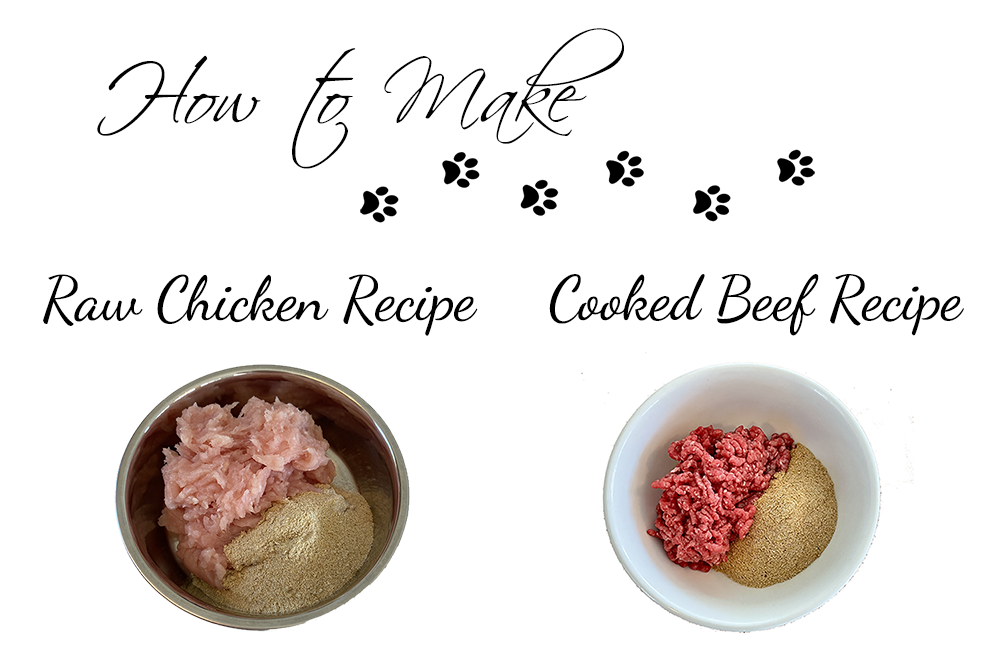
Raw cat food is gaining popularity for its freshness and natural ingredients. It’s simple to make and can align with your cat’s carnivorous instincts. Consider using lean meats like chicken or turkey. Mix them with small amounts of organ meats, such as liver or heart.
- Start with 2 pounds of chicken, bone-in for calcium.
- Add 1 ounce of chicken liver for vitamin A.
- Include a raw egg yolk for extra nutrients.
Blend these ingredients until smooth. Serve raw or freeze in portions. This recipe can enhance your cat’s energy levels and support their natural diet.
Cooked Food Recipe
If raw food doesn’t suit your cat or your preferences, cooked meals can be just as nutritious. Cooking cat food is straightforward and can be a delightful experience. Use high-quality proteins like beef or fish, paired with cooked grains.
- Begin with 1 pound of lean beef, minced.
- Add 1 cup of cooked rice for fiber.
- Include half a cup of peas and carrots for vitamins.
Cook the beef until tender, mix with other ingredients, and let it cool. Your cat will love the taste, and you’ll enjoy the peace of mind from knowing exactly what’s in their meal.
Vegetarian Options
While cats are obligate carnivores, some owners seek vegetarian options for specific reasons. These recipes aren’t a complete diet but can supplement their meals. Consider blending plant-based proteins with essential nutrients.
- Use half a cup of cooked lentils for protein.
- Add 1 tablespoon of nutritional yeast for flavor.
- Include a quarter cup of mashed sweet potato for fiber.
Ensure you consult with a vet before making vegetarian meals a regular part of your cat’s diet. How do you balance the convenience of store-bought food with the health benefits of homemade meals?
Safety Tips
Making your own cat food can be a rewarding experience. It allows you to control ingredients and ensure quality. Yet, it’s crucial to prioritize safety throughout this process. Adhering to safety tips will keep your feline friend healthy and happy.
Avoiding Toxic Foods
Cats are sensitive to certain foods that might seem harmless. Onions, garlic, and chocolate are toxic to cats. Grapes and raisins should also be avoided. Check your ingredients carefully before preparing meals. Ensure they are safe for cats.
Proper Storage Techniques
Store homemade cat food correctly to prevent spoilage. Use airtight containers to maintain freshness. Refrigerate food if not used immediately. Label containers with preparation dates. This helps track freshness and quality.
Monitoring Your Cat’s Health
Watch for changes in your cat’s behavior or appetite. Homemade diets might affect health differently. Regular vet visits are essential. Discuss your cat’s diet with the vet. Monitor weight and energy levels closely.
Credit: teslaclub.sk
Cost Analysis
Creating homemade cat food can be a rewarding experience. Cost is a significant factor to consider. Many pet owners wonder if making cat food is cheaper than buying it. Let’s explore the cost implications of homemade cat food.
Comparing With Commercial Food
Commercial cat food prices vary greatly. High-quality brands often cost more. These brands include premium ingredients. On the other hand, budget brands are cheaper. Yet, they may lack nutritional value. When making your own cat food, you control the ingredients. This can lead to savings.
Homemade cat food requires fresh ingredients. Chicken, fish, and vegetables are common choices. Buying these in bulk can reduce costs. Plus, you avoid additives in some commercial brands. Over time, homemade food can prove more affordable. Especially for households with multiple cats.
Budget-friendly Options
Many recipes for homemade cat food are budget-friendly. Use seasonal produce for cost savings. Consider less expensive protein sources, like chicken liver. These options provide essential nutrients without breaking the bank.
Another tip is to shop at local farmers’ markets. Fresh produce often costs less there. These savings can add up over time. You can make nutritious meals at a lower cost.
Homemade cat food also reduces waste. You control portion sizes, minimizing leftovers. This efficiency further cuts costs.
Consulting With Veterinarians
Consulting with veterinarians helps ensure homemade cat food meets nutritional needs. Proper guidance prevents health issues in cats. Learn about essential ingredients and portion sizes for a balanced diet.
Creating your own cat food can be a rewarding venture, but it’s crucial to consult with a veterinarian before diving in. Your vet can help ensure your furry friend receives all the essential nutrients. Ignoring expert advice might lead to nutritional imbalances that could harm your cat.Nutritional Advice
Veterinarians provide essential nutritional advice tailored to your cat’s needs. They can guide you on the right balance of proteins, fats, and carbohydrates. You’ll also learn about the necessary vitamins and minerals to incorporate. Consider discussing specific ingredients with your vet. Some foods that are healthy for humans might be harmful to cats. Knowing what to include and what to avoid makes a big difference. Have you ever wondered about the role of supplements in homemade cat food? Your vet can offer insights on whether supplements are needed to fill nutritional gaps.Tailoring Diet To Individual Needs
Every cat is unique, and their diet should reflect that. Your veterinarian can help tailor a diet plan that considers your cat’s age, weight, and health conditions. This personalized approach ensures your pet’s specific needs are met. Imagine your cat is overweight or has a medical condition like diabetes. Your vet can help create a diet plan that addresses these issues. Tailoring the diet can improve your cat’s health and quality of life. Engage your vet in regular discussions about your cat’s dietary plan. As your cat ages or if their health status changes, adjustments might be necessary. How often do you review your cat’s diet with a professional? Regular check-ins can help maintain your cat’s optimal health.Frequently Asked Questions
How Can I Make My Own Cat Food?
To make your own cat food, use high-quality proteins like chicken or turkey. Include essential nutrients like taurine. Add cooked vegetables and avoid onions, garlic, and grapes. Consult your vet for a balanced recipe. Ensure clean preparation and storage for safety.
Is Homemade Food Better For Cats?
Homemade food can be healthier for cats if balanced with essential nutrients. It’s crucial to consult a vet for guidance. Cats need specific nutrients found in commercial food. Homemade diets require careful planning to ensure your cat gets all the necessary vitamins and minerals for optimal health.
What Is The 25 Rule For Cat Food?
The 25% rule for cat food means a product labeled as “dinner” must contain at least 25% of the named ingredient, excluding water. This ensures the primary ingredient is significant in the composition. Always check the label for clarity on ingredient percentages.
Is Making Your Own Cat Food Cheaper?
Making your own cat food can be cheaper, depending on ingredient costs and portion sizes. Homemade meals might reduce expenses, but ensure nutritional balance. Consult a vet to create a cost-effective and healthy diet. Quality ingredients and preparation time may impact overall savings.
Conclusion
Making your own cat food can be rewarding. It ensures quality and control over ingredients. Always consult a vet before changing your cat’s diet. This ensures nutritional balance. Homemade food can improve your cat’s health. It requires time and effort but can be worth it.
Your cat deserves the best nutrition. Research recipes and ingredients carefully. Safety is crucial in preparation. Freshness matters for your pet’s health. Consider your cat’s specific needs. Every cat is unique. Homemade cat food can strengthen the bond with your pet.
A happy, healthy cat is the goal.

Similar Posts