Can Kittens Eat Wet Cat Food: Essential Guide

Imagine bringing home a new kitten. Its tiny paws pitter-patter around your home, and you can’t help but wonder: what should you feed your adorable new pet?
You might be asking yourself if wet cat food is a suitable option for your kitten. It’s a common question, especially when you want only the best for your furry friend. Knowing what to feed your kitten is crucial for its growth and health.
You want to make sure you’re providing the right nutrients, but with so many options out there, it can be overwhelming. This is where understanding the benefits and potential drawbacks of wet cat food comes into play. You may have heard that kittens can eat wet cat food, but is it really the best choice for them? By the end of this article, you’ll have a clearer picture of whether wet cat food is appropriate for your kitten. You’ll learn about its nutritional benefits, and potential downsides, and get tips on how to introduce it to your kitten’s diet. So, let’s dive into the world of kitten nutrition and discover what’s truly best for your little companion.
Credit: www.chewy.com
Nutritional Needs Of Kittens
Kittens are bundles of energy, curiosity, and rapid growth. As a new kitten owner, you might find yourself pondering what the best diet for your furry friend is. Understanding the nutritional needs of kittens is crucial to ensure they grow into healthy, happy cats.
Growth And Development Requirements
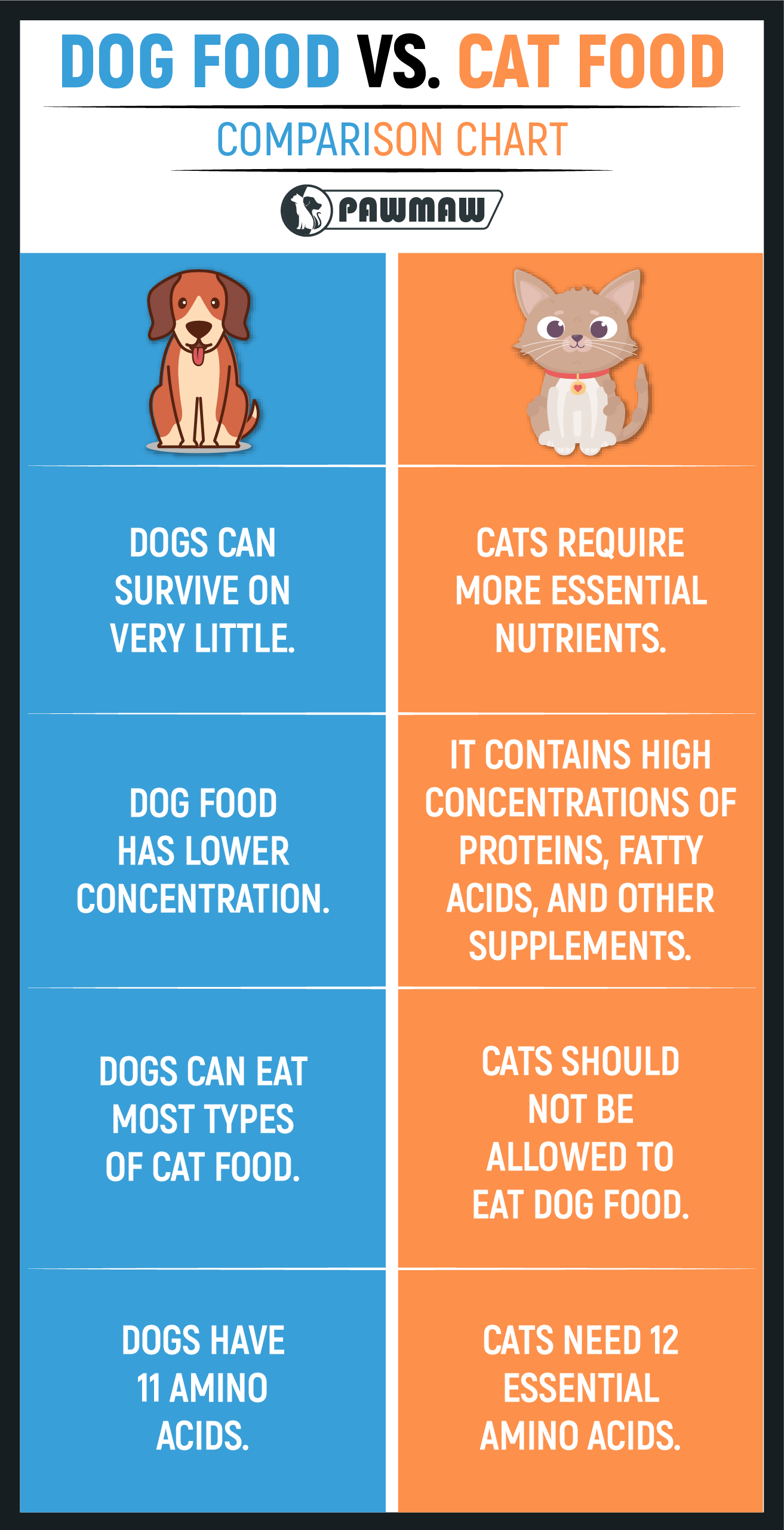
Kittens undergo significant growth and development during their first year. Their bodies need extra nutrients and calories compared to adult cats. A diet rich in high-quality proteins and fats supports their energy and growing muscles.
Your kitten’s brain development also kicks into high gear. Essential fatty acids, like DHA, are crucial during this stage. This is why specially formulated kitten wet food can be a great choice.
Think about a toddler’s needs compared to an adult’s. Kittens, like toddlers, have specific dietary requirements that aren’t suitable for adult cats. Are you feeding your kitten like a tiny adult cat?
Key Nutrients For Healthy Growth
Proteins are the building blocks for your kitten’s muscles and tissues. Look for wet cat food with a high protein content to support their growth.
Fats provide concentrated energy and are crucial for brain development. Omega-3 fatty acids, in particular, play a vital role in cognitive function.
Calcium and phosphorus are essential for strong bones and teeth. Ensure the wet food you choose is fortified with these minerals to support your kitten’s skeletal health.
Vitamins and antioxidants are also critical. They boost your kitten’s immune system, helping them fight off potential illnesses. When you select wet cat food, check the label for these key nutrients.
Remember the time when you switched to a healthier diet and noticed a difference in your energy levels? Your kitten will thrive with the right nutrients in their wet cat food, setting the stage for a healthy life. Are you ready to give your kitten the best start possible?

Credit: www.youtube.com
Benefits Of Wet Cat Food For Kittens
Introducing wet cat food to a kitten’s diet offers numerous advantages. It’s not just a tasty treat. It provides vital nutrients and benefits that support growth and development.
Hydration And Moisture Content
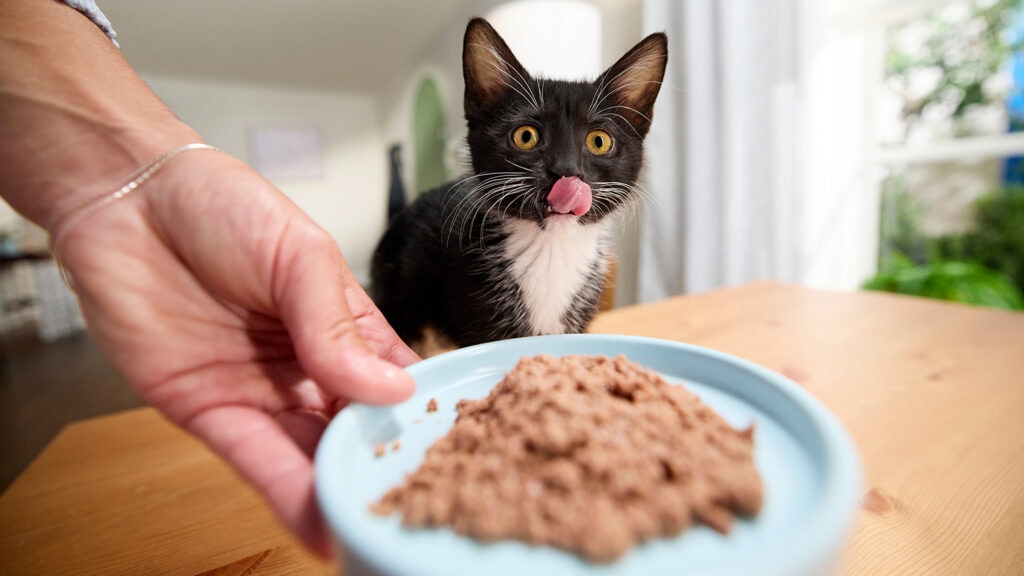
Kittens often don’t drink enough water on their own. Wet cat food helps with hydration. It contains high moisture content. This keeps kittens well-hydrated. Proper hydration aids in digestion and kidney health. It also helps maintain a healthy urinary tract. Wet food supports overall kitten health by providing much-needed water.
Flavor And Palatability
Wet cat food comes in a variety of flavors. This makes it more appealing to kittens. They are often picky eaters. A flavorful meal encourages them to eat more. This ensures they get necessary nutrients. Wet food’s soft texture is gentle on developing teeth. It makes the eating process easier for young kittens.
Choosing The Right Wet Cat Food
Choosing the right wet cat food for your kitten is crucial for their health and growth. It’s not just about picking any can off the shelf; the quality of the food can affect your kitten’s development. As a pet owner, you want to ensure your furry friend gets the best start in life. But how do you know what to look for? Let’s break it down.
Ingredients To Look For
High-quality protein should be at the top of your list. Look for wet cat food with chicken, turkey, or fish as the main ingredient. These proteins help support muscle growth and energy levels.
Whole grains and vegetables are also beneficial. Ingredients like brown rice and sweet potatoes provide essential nutrients and fiber. They can aid digestion and help maintain a healthy weight.
Consider foods with added vitamins and minerals. Calcium and phosphorus are important for strong bones and teeth. Taurine is essential for heart health and vision.
Avoiding Harmful Additives
Check labels for artificial preservatives. Ingredients like BHA, BHT, and ethoxyquin can be harmful over time. Opt for natural preservatives like vitamin E or citric acid.
Steer clear of artificial colors and flavors. These additives can cause allergic reactions and are generally unnecessary. Natural flavors are a safer and healthier choice.
Watch out for fillers like corn and soy. While they make the food cheaper, they offer little nutritional value. Instead, focus on food with higher meat content.
Have you ever wondered how your kitten reacts to different foods? Observing their energy levels and coat condition can be telling. What you feed them now sets the stage for their future health. So, what will your choice be?
Feeding Guidelines For Kittens
Welcoming a kitten into your home is an exciting journey filled with cuddles and playful antics. However, understanding the right feeding guidelines is crucial for their growth and health. You might wonder if wet cat food is suitable for these tiny furballs. Let’s explore how to properly feed your kitten with wet cat food.
Portion Sizes And Frequency
It’s easy to overfeed kittens because of their adorable begging eyes. But did you know that their tiny stomachs can only handle small amounts? Aim to feed them three to four times a day. Each portion should be about one tablespoon of wet cat food.
Think about their energy levels. Kittens are active and burn calories quickly. Frequent meals keep their energy stable and support healthy development. Consult your vet to adjust portions based on your kitten’s weight and age.
Transitioning From Milk To Solid Food
Remember the first time you tried solid food? Your kitten is experiencing that transition too. Start introducing wet cat food when they are around four weeks old. Mix it with a little kitten milk replacer to ease the shift.
Gradually reduce the milk and increase the food over the next few weeks. Watch for any changes in their digestion or behavior. It’s a delicate process, so patience is key. What challenges have you faced during this transition?
Feeding your kitten is more than just providing nutrition. It’s about nurturing their growth and ensuring they thrive in your loving care. As you navigate these guidelines, you’re setting a foundation for a healthy and happy life for your furry companion. Are you ready for this rewarding journey?
Common Concerns And Misconceptions
Kittens are cute and curious creatures. Many pet owners wonder about their diet. Wet cat food is often considered. Yet, there are common concerns and misconceptions. Let’s explore these worries.
Digestive Issues
Some believe wet food can upset kitten tummies. Kittens have sensitive stomachs. Wet food is easier to digest for them. It has more moisture than dry food. This can help with digestion. Proper hydration aids in nutrient absorption. Choose high-quality wet food for fewer problems.
Allergies And Sensitivities
Allergies in kittens worry many pet owners. Wet cat food rarely causes allergies. Ingredients are often simple. They are less likely to upset kittens. Some kittens may be sensitive to certain proteins. Monitor your kitten’s reaction to new foods. Consult a vet if you notice unusual symptoms.
Credit: www.aspca.org
Monitoring Kitten Health
Kittens can safely eat wet cat food, providing essential nutrients for growth. Soft textures suit their tiny teeth. Regular feeding supports their active lifestyle and healthy development.
Monitoring the health of your kitten is crucial, especially when introducing wet cat food into their diet. It’s essential to ensure they receive all the necessary nutrients for their growth and development. As a pet owner, you play a vital role in observing any changes in your kitten’s health and behavior. Catching any health issues early can make a significant difference in your kitten’s well-being.Signs Of Nutritional Deficiency
When feeding your kitten wet cat food, watch for signs of nutritional deficiency. These signs might include dull fur, lethargy, or slow growth. If your kitten seems less playful or energetic, it could be a sign that they aren’t getting the nutrients they need. Kittens need a balanced diet to thrive. Wet cat food can be a great option, but it’s important to ensure it meets their dietary requirements. Check the packaging for essential nutrients such as taurine, which is vital for kittens’ vision and heart health. Have you ever noticed your kitten scratching excessively or developing skin issues? These can also be symptoms of nutritional gaps. If any of these signs appear, consider adjusting their diet or consulting with a vet.Regular Veterinary Check-ups
Scheduling regular veterinary check-ups is essential for monitoring your kitten’s health. A vet can provide insights into your kitten’s nutritional needs and overall well-being. They can also recommend specific wet cat food brands tailored to your kitten’s age and health status. During these check-ups, discuss any changes in your kitten’s behavior or eating habits. This information can help the vet identify potential health issues early on. Regular vet visits not only help in maintaining your kitten’s health but also build a relationship with your vet, making it easier to address any future concerns. Have you found a trusted vet who genuinely cares for your kitten’s health? Building this partnership can be a game-changer in ensuring your kitten’s long-term wellness. By keeping a close eye on your kitten’s health and maintaining regular vet appointments, you can ensure they grow up healthy and strong. Keep questioning and observing to provide the best care for your little feline friend.Frequently Asked Questions
Can Kittens Eat Wet Cat Food Safely?
Yes, kittens can eat wet cat food safely. Wet food provides essential nutrients and hydration. It’s easier for kittens to chew and digest. Ensure the wet food is specifically formulated for kittens to support their growth and development. Always introduce new foods gradually to avoid digestive issues.
At What Age Can Kittens Eat Wet Food?
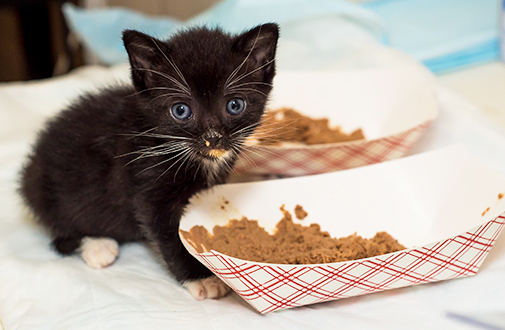
Kittens can start eating wet food around 4 to 5 weeks old. At this age, their teeth begin to develop, and they can handle soft textures. Wet food can be introduced as a supplement to their mother’s milk or a milk replacer.
Always consult your vet for personalized advice.
How Often Should Kittens Eat Wet Food?
Kittens should eat wet food three to four times daily. Consistent feeding helps support their rapid growth and energy needs. Divide their daily portion into smaller meals to keep them satisfied. Adjust the frequency as they grow, transitioning to fewer meals around six months.
Is Wet Food Better Than Dry For Kittens?
Wet food can be better for kittens due to its moisture content. It helps keep them hydrated and is easier to chew. However, a balanced diet with both wet and dry food is ideal. Consult your vet for the best feeding plan tailored to your kitten’s needs.
Conclusion
Kittens can safely enjoy wet cat food. It provides essential nutrients. Always choose quality brands. Check labels for kitten-specific formulas. These ensure balanced nutrition. Start with small portions. Gradually introduce wet food into their diet. Observe your kitten’s reaction. Look for any signs of allergies.
Consult your vet for guidance. They can offer personalized advice. A balanced diet supports healthy growth. It keeps your kitten energetic and playful. Wet cat food can be a great choice. Just ensure it’s suitable for kittens. Your furry friend deserves the best care.

Similar Posts