Is It Bad to Give Dogs Cat Food: Hidden Risks
Have you ever found yourself staring at a bowl of cat food, wondering if your dog can have a taste? You’re not alone.
Many pet owners face the same dilemma. Your furry friend might seem eager to try the food meant for their feline counterparts, but is it really safe? You care deeply about your dog’s health and happiness, and making the wrong choice could have consequences.
This article will uncover the truth about feeding your dog cat food, highlighting potential risks and benefits. Dive in to ensure your beloved pet is getting the nutrition they truly need.
Credit: greensafaris.com
Nutritional Differences
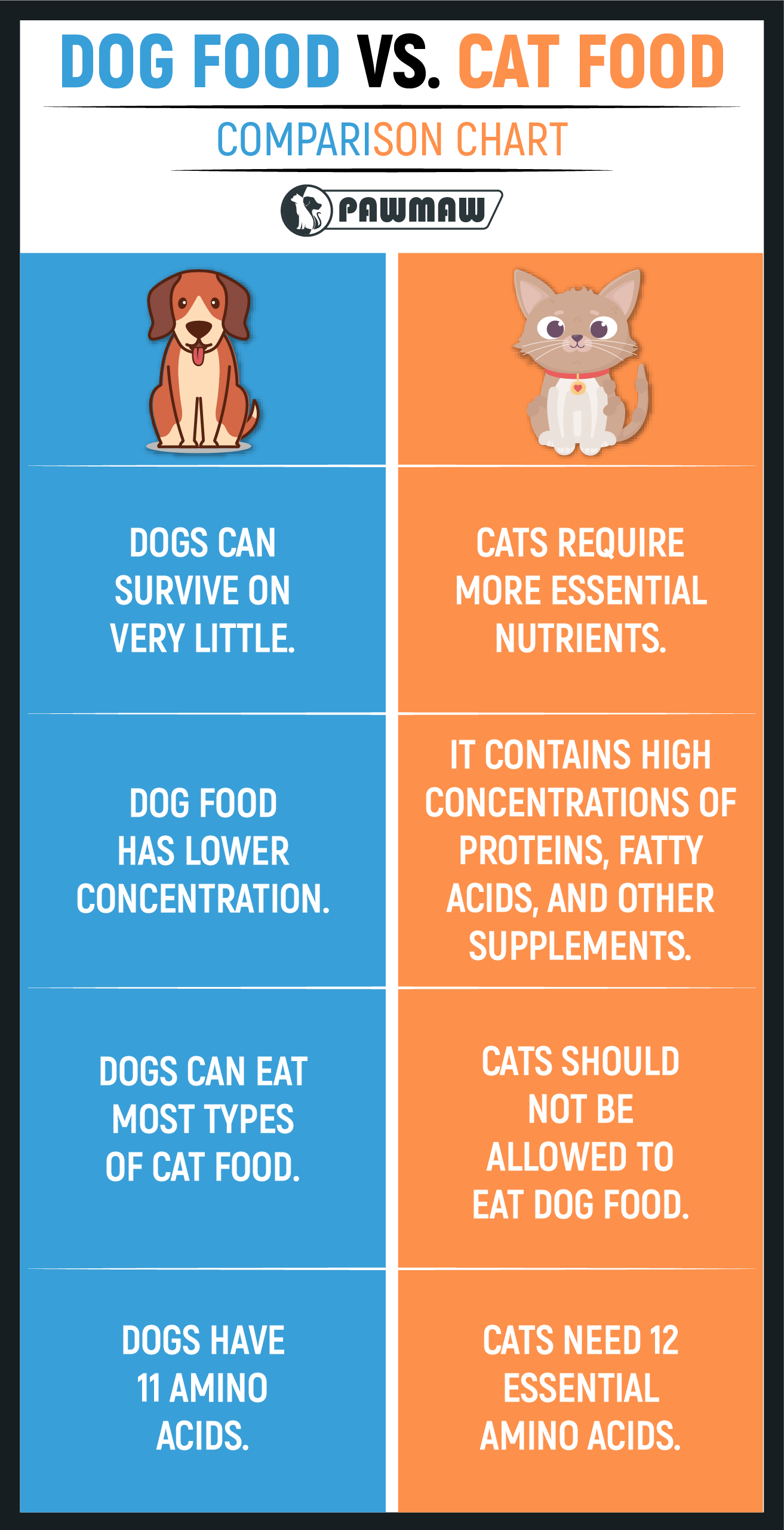
Understanding the nutritional differences between cat and dog food is crucial. Cats and dogs have distinct dietary needs. Feeding your dog cat food can lead to health issues. Let’s explore these differences.
Protein Content Variations
Cats need more protein than dogs. Their diet is rich in animal protein. Cat food has higher protein levels to meet their needs. Dogs require less protein. Excess protein can strain a dog’s kidneys. This can lead to health problems over time.
Vitamin And Mineral Imbalances
Cat food contains specific vitamins for feline health. Taurine is essential for cats but not for dogs. Dogs need different vitamins and minerals. Feeding dogs cat food can cause nutrient deficiencies. It may lead to poor health and growth issues.
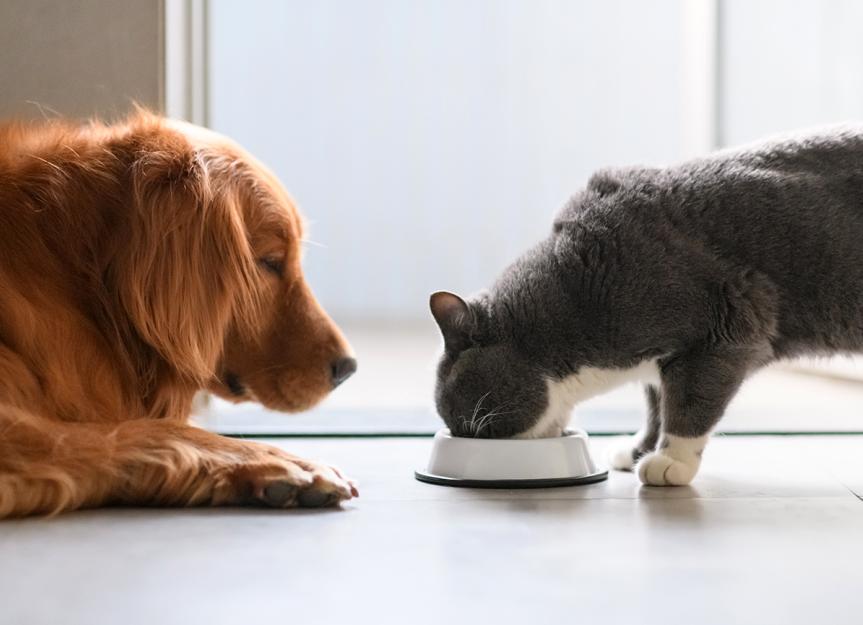
Credit: www.petmd.com
Digestive Health Concerns
Feeding dogs cat food can raise digestive health concerns. Dogs and cats have different dietary needs. Cat food often has higher protein and fat levels. This difference can affect a dog’s digestive system. Understanding these impacts helps in making informed feeding choices.
Potential For Upset Stomach
Dogs eating cat food may experience stomach upset. Their systems aren’t designed for high protein diets. This can lead to diarrhea or vomiting. Such symptoms indicate digestive discomfort. Owners should monitor any changes in their pet’s digestion. It helps identify food-related issues early.
Risk Of Long-term Digestive Issues
Long-term consumption of cat food poses risks. Dogs may develop chronic digestive problems. High fat content can lead to pancreatitis. This condition is painful and requires treatment. Regular vet visits help monitor digestive health. Early intervention can prevent serious health concerns.
Impact On Weight And Energy Levels
Feeding dogs cat food can impact their weight and energy levels. Cat food is designed for the nutritional needs of felines. Dogs have different dietary needs. Consuming cat food regularly can lead to health issues in dogs.
Caloric Differences
Cat food often contains higher calorie content than dog food. Cats need more protein and fat for their energy. Dogs have lower protein and fat needs. This caloric difference can cause dogs to gain weight.
Excess weight can lead to obesity. Obesity affects a dog’s overall health and longevity. It is crucial to monitor your dog’s weight when feeding them. Ensure they receive the right amount of calories.
Effect On Activity Levels
A dog’s activity level can decrease with weight gain. Excess weight makes movement difficult. Dogs may become lethargic and less playful. Lower energy levels can affect their mental and physical health.
Active dogs need balanced nutrition for energy. Feeding them cat food can disrupt their energy balance. It is important to provide food that supports their activity levels. Keep them happy and healthy.
Allergen And Sensitivity Risks
Feeding your dog cat food might seem harmless. But have you ever considered the allergen and sensitivity risks involved? Dogs and cats have different dietary needs. This can lead to unexpected allergic reactions in dogs when they consume cat food. Understanding the risks can help you make informed choices for your pet’s health.
Common Ingredients In Cat Food
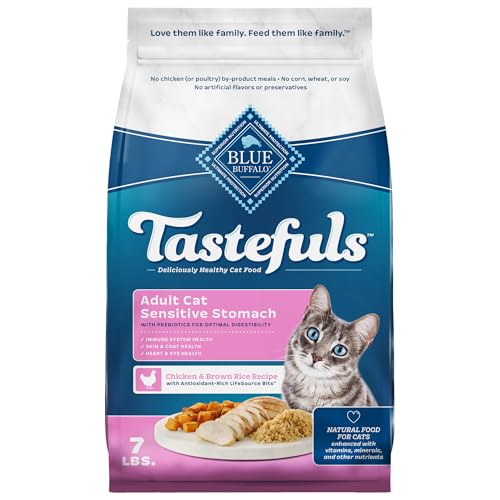
Cat food often contains higher levels of protein and fat. Ingredients like fish meal, chicken by-products, and taurine are common. These are essential for cats but can upset a dog’s stomach.
Grains and fillers are also prevalent in cat food. While they provide bulk, they might not suit your dog’s digestive system. Some cat foods include artificial flavors and colors, which can trigger sensitivities in dogs.
Signs Of Allergic Reactions
If your dog eats cat food, watch for symptoms like itching, redness, or swelling. These can be signs of an allergic reaction. Sneezing or coughing might also indicate sensitivity issues.
Vomiting or diarrhea after eating cat food warrants caution. Consider how your dog behaves. Are they less active or more irritable? These changes might signal a reaction.
Have you noticed your dog scratching more than usual? It might be time to review their diet. Your dog’s comfort and health are paramount.
So, next time you think about sharing food between your pets, ask yourself: Is it worth the risk to their health? Your careful choices today can lead to a healthier tomorrow for your furry friend.
Behavioral Changes
Feeding dogs cat food can lead to unexpected behavioral changes. Dogs and cats have different nutritional needs. So, when a dog consumes cat food, it may affect its behavior. Understanding these changes can help you make informed decisions.
Altered Eating Habits
Dogs might start to prefer cat food over their own. This can lead to them ignoring their regular meals. Cat food is often richer and can be more appealing to dogs. Over time, this preference can lead to nutrition imbalance. Dogs may also become picky eaters. They could refuse regular dog food altogether. This can make meal times a challenge.
Influence On Social Dynamics
Feeding dogs cat food can affect their interactions with other pets. Dogs may become possessive over food. This can create tension between pets. Sharing food can lead to conflicts. Dogs might guard cat food fiercely. This behavior can disrupt harmony at home.
Changes in social dynamics can affect pet relationships. Dogs may act differently around cats. This can lead to stress among pets. It’s important to monitor these interactions. Ensuring pets get along is crucial for household peace.
Long-term Health Implications
Feeding dogs cat food occasionally might seem harmless. Yet, long-term consumption can cause serious health problems. Dog and cat foods differ significantly in nutrients. This can lead to various health issues for dogs. Understanding these implications is crucial for pet owners.
Potential Organ Damage
Cat food contains high levels of protein and fat. Dogs, especially those with pre-existing conditions, may struggle to process these. Over time, excessive protein can harm a dog’s kidneys. Liver damage is another risk due to different nutrient needs. Dogs require fewer proteins and fats than cats. Excessive intake strains their organs.
Influence On Lifespan
A balanced diet supports a dog’s lifespan. Feeding cat food regularly disrupts this balance. Nutrient imbalances can lead to obesity and related diseases. These conditions can shorten a dog’s life. Proper nutrition ensures a long, healthy life for pets.
Safe Feeding Practices
Feeding dogs cat food can lead to nutritional imbalances. Dogs need different nutrients than cats. Cat food is rich in protein and fat, which may harm dogs over time. Always opt for dog-specific food to ensure balanced health.
Feeding your dog the right food can significantly impact their health and happiness. Many dog owners wonder if cat food is a suitable alternative, especially during those times when you run out of dog food unexpectedly. However, understanding safe feeding practices is crucial to ensure your furry friend gets the nutrients they need. Let’s explore some key practices to keep your dog healthy and satisfied.Choosing Appropriate Dog Food
Selecting the right dog food is more than just picking any bag off the shelf. Dogs have specific nutritional needs that differ from cats. Cat food typically contains higher levels of protein and fat, which may not be suitable for dogs in the long run. Reading the labels can help you understand what goes into the food. Look for ingredients that list whole meats and vegetables, and avoid those with excessive fillers like corn or soy. Have you ever noticed how your dog’s energy levels fluctuate with different foods? That’s a clear sign of how important proper nutrition is.Consulting A Veterinarian
Before making any significant changes to your dog’s diet, it’s wise to consult a veterinarian. They can provide insights based on your dog’s age, weight, and health condition. Vets can recommend a diet that meets your dog’s specific needs, ensuring they get all the necessary vitamins and minerals. During a visit to the vet, you might learn that your dog has unique dietary requirements or allergies you weren’t aware of. This is valuable information that can help you make informed decisions. When’s the last time you checked in with your vet about your dog’s diet? It might be time for a quick chat to make sure your furry friend is on the right track. In summary, sticking to safe feeding practices can help you avoid potential health issues and keep your dog thriving. Pay attention to what you feed them, and don’t hesitate to seek professional advice when needed. Your dog’s well-being is worth the effort.
Credit: greensafaris.com
Frequently Asked Questions
What Happens If A Dog Eats Cat Food?
Dogs eating cat food occasionally is not harmful. Cat food is high in protein and fat, which can upset a dog’s stomach. Regular consumption may lead to obesity or pancreatitis. Monitor your dog for any signs of discomfort and consult a vet if necessary.
Always provide a balanced diet for your dog.
Is It Okay To Feed Cat Food To A Dog?
Feeding cat food to a dog occasionally isn’t harmful, but it’s not recommended for regular meals. Dogs need a balanced diet specifically formulated for their nutritional needs. Cat food is higher in protein and fat, which can upset a dog’s stomach over time.
Always provide appropriate dog food for optimal health.
Will It Hurt To Feed A Cat Dog Food?
Feeding a cat dog food isn’t recommended. Cats need specific nutrients like taurine, absent in dog food. Regularly feeding dog food can cause health issues in cats. Always provide cat-specific food to ensure they receive essential nutrients for optimal health.
Can Dogs Eat Cat Food Safely?
Dogs can eat cat food occasionally without harm. However, it’s not recommended as a regular diet. Cat food is high in protein and fat, which can lead to weight gain and nutritional imbalances in dogs. Always prioritize dog-specific food for optimal health.
Conclusion
Feeding dogs cat food isn’t ideal for their health. Dogs and cats have different nutritional needs. Cat food lacks essential nutrients for dogs. Over time, this could lead to health issues. Balance is key in a pet’s diet. Always choose the right food for your furry friend.
Consult your vet for the best advice. Pets deserve the best care and nutrition. Stick to dog-specific food for their well-being. Your dog will thank you with a wagging tail. Remember, a healthy pet is a happy pet. Make informed choices to keep your dog healthy.

Similar Posts