Is Canned Cat Food Bad for Dogs: Uncover the Truth

Have you ever found yourself in a pinch, reaching for a can of cat food to feed your dog? You’re certainly not alone.
Maybe you ran out of your dog’s favorite kibble or perhaps you’re curious about whether sharing is caring when it comes to our furry friends’ meals. Before you open that can, though, it’s crucial to understand what you’re feeding your loyal companion.
You want the best for your dog, and knowing the difference between cat food and dog food could make all the difference to their health and happiness. So, is canned cat food bad for dogs? Discover the surprising truths that could change the way you view your pet’s diet forever. Dive in and learn what really goes into that can—and what it means for your beloved pup.
Credit: www.carecredit.com
Canned Cat Food Ingredients
Ever found yourself in a situation where your dog got into the cat’s food stash? You might wonder, what’s actually in canned cat food? Understanding the ingredients is crucial, especially if you’re considering feeding it to your dog occasionally. Let’s break down what goes into that tiny can.
Ingredients Overview
Canned cat food typically contains high-protein ingredients. Cats are obligate carnivores, meaning their diet is primarily meat-based. You’ll often find chicken, beef, fish, or turkey as the main ingredients. This might sound appealing to your dog, who loves meat too.
However, cat food often includes taurine, an amino acid essential for cats but not necessary for dogs. Your dog gets taurine naturally from their own diet. This could be an unnecessary addition to your dog’s nutritional intake.
Fat Content
Cat food is richer in fats compared to dog food. While your dog might enjoy the taste, this excess fat can lead to weight gain if consumed regularly. Dogs need a balanced diet to maintain their energy levels without packing on extra pounds.
Minerals And Vitamins
Canned cat food is fortified with minerals and vitamins specific to feline health. Cats require higher levels of vitamin A and niacin than dogs. Feeding your dog cat food could disrupt their vitamin balance, leading to potential deficiencies or excesses.
Do you recall a time when your dog ate something unusual? Did it affect their mood or energy? If your dog occasionally sneaks some cat food, monitor them for any changes in behavior or health. It’s important to ensure their diet remains balanced.
Unexpected Ingredients
Some canned cat foods contain ingredients like fish oil or flaxseed, which are good for a cat’s coat and skin. For dogs, these ingredients might not be needed and could alter their normal dietary routine.
Have you ever checked the label of your pet’s food? It’s a simple action that can reveal a lot. Next time your dog eyes the cat’s food, take a minute to read the ingredients. You’ll be better equipped to decide if it’s safe for a little treat or best left in the cat’s bowl.
Next time you shop for pet food, consider both pets’ needs separately. It’s tempting to think one type of food fits all, but that’s rarely the case. Your dog deserves their own tailored nutrition, just as your cat does.
:strip_icc()/GettyImages-1137504605-4ea3ceec185f4d1e9dc39fb71f8ae04c.jpg)
Credit: propelbikes.com
Nutritional Differences
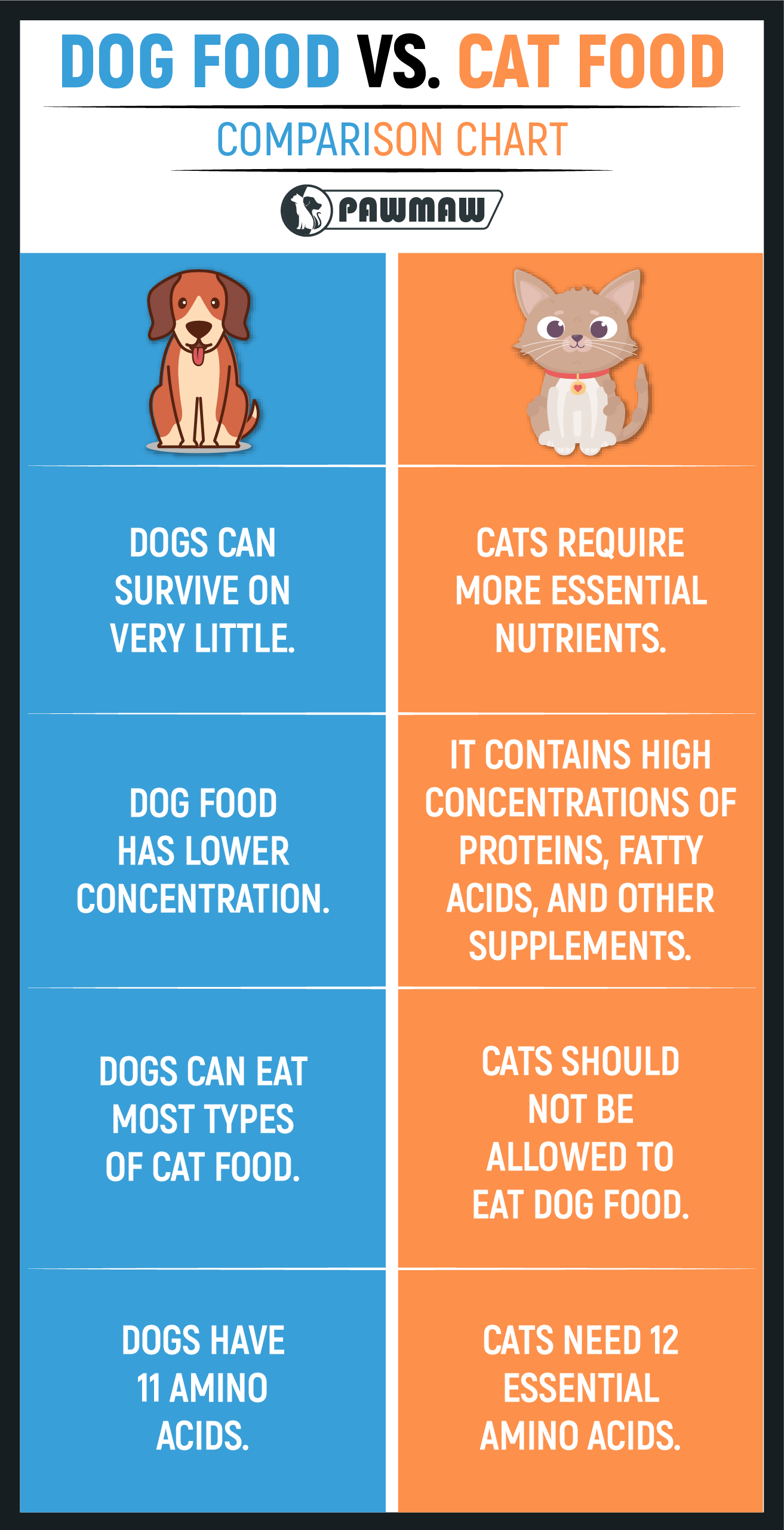
Canned cat food isn’t ideal for dogs due to different nutritional needs. Cats require higher protein and fat levels. Dogs, on the other hand, thrive on balanced carbohydrates and proteins. Feeding dog canned cat food may lead to digestive issues or nutritional deficiencies.
Understanding the nutritional differences between canned cat food and dog food can be the key to ensuring the health and well-being of your furry friends. You might be tempted to give your dog a taste of your cat’s canned food, but are you aware of the nutritional implications? Cats and dogs have distinct dietary needs, and feeding your dog cat food might not be the best choice. Let’s dive into how these nutritional differences can affect your pets.Protein Levels
Cat food is generally higher in protein than dog food. Cats are obligate carnivores, meaning they need a meat-rich diet to thrive. Your dog, however, is an omnivore and doesn’t require the same high protein content. Feeding your dog cat food occasionally might not harm them, but consistently high protein levels can lead to kidney issues or obesity in dogs. Have you ever noticed your dog gaining weight or appearing more lethargic after sneaking into the cat’s meals?Fat Content
Canned cat food often contains more fat than what is ideal for dogs. Cats need more fat for energy and maintaining their sleek fur, while dogs need a more balanced diet. If your dog regularly eats cat food, they might consume too much fat, leading to pancreatitis or other health concerns. It’s crucial to check the fat content of any treats or food you give your dog, even if it’s just a small amount of cat food.Taurine Requirements
Taurine is an amino acid that cats absolutely require but dogs do not need in large amounts. Cat food is supplemented with taurine, which is vital for cats but unnecessary for dogs. A dog’s body can produce taurine on its own, so feeding them food with added taurine is redundant and could potentially lead to imbalances. Do you know if your dog’s regular diet is meeting all their amino acid needs without the extras found in cat food?Vitamin And Mineral Content
Cats need higher amounts of certain vitamins and minerals compared to dogs. Nutrients like vitamin A and niacin are more concentrated in cat food. While these are essential for cats, too much can be harmful to dogs over time. Have you ever considered if your dog might be getting too much of a good thing by eating cat food?Fiber Content
Dog food typically contains more fiber than cat food. Dogs benefit from fiber to support healthy digestion and prevent constipation. Cat food lacks this component because cats do not need as much fiber. If your dog eats cat food, they might miss out on necessary fiber, leading to digestive issues. Have you noticed any changes in your dog’s bathroom habits after they’ve had a taste of cat food? Understanding these nutritional differences can help you make informed choices about your pet’s diet. It’s always a good idea to consult with your veterinarian if you have concerns about what your dog is eating. Would you reconsider letting your dog enjoy that can of cat food now?Potential Health Risks
Canned cat food might seem like a convenient treat for dogs. But it can pose several health risks. Understanding these risks can help keep your dog healthy.
Digestive Issues
Dogs and cats have different digestive systems. Canned cat food often contains more protein and fat. This can upset a dog’s stomach. Vomiting and diarrhea are common signs. A dog eating cat food might also experience bloating. It’s crucial to monitor your dog’s reactions.
Nutrient Imbalances
Cat food is designed for cats’ nutritional needs. Dogs need different nutrients to stay healthy. Feeding them cat food can lead to nutrient imbalances. Dogs might miss out on essential vitamins and minerals. Long-term, this can affect their growth and energy levels. Provide food tailored to your dog’s needs instead.
Allergic Reactions
Some dogs might be allergic to ingredients in cat food. Common allergens include fish and certain grains. Symptoms of allergies include itching and skin rashes. Sneezing and coughing might also occur. Always watch for any unusual symptoms after feeding. Consult a vet if allergies are suspected.

Credit: www.consolata.org
Benefits Of Canned Cat Food
Canned cat food is not only for cats. Surprisingly, it can offer benefits to dogs too. While it’s not a substitute for dog food, certain aspects can be advantageous. Let’s explore some benefits canned cat food can have for dogs.
High Moisture Content
Dogs need plenty of water. Canned cat food contains high moisture levels. This can help keep dogs hydrated. Especially helpful for dogs that don’t drink enough water. Moisture aids digestion and maintains healthy kidneys.
Palatability
Canned cat food often smells and tastes great. Dogs might find it irresistible. This can be useful for picky eaters. It encourages them to finish their meals. Ensuring they get necessary nutrients.
Comparing Dietary Needs
Have you ever wondered if your dog could share your cat’s canned food? While it might seem convenient, understanding the dietary needs of dogs and cats is crucial. Both animals have unique nutritional requirements that must be met to ensure their health and well-being.
Protein Requirements
Dogs and cats both need protein, but the amount and type differ. Dogs are omnivores and can thrive on a varied diet with moderate protein levels. They need protein for muscle growth, tissue repair, and energy. Imagine your dog as a runner who needs a balanced diet to keep going.
Cats, on the other hand, are obligate carnivores. They require higher protein levels from animal sources. Their bodies are designed to extract nutrients from meat. Feeding a dog cat food might overload them with protein, leading to potential health issues.
Vitamin And Mineral Needs
Dogs and cats have distinct vitamin and mineral requirements. Dogs need vitamins like A, D, and E, along with minerals such as calcium and phosphorus in balanced amounts. These nutrients support bone health, vision, and immune function.
Cats require a different set of nutrients, like taurine, which is essential for their heart and eye health. Cat food is formulated to meet these needs. If your dog eats cat food regularly, they might miss out on essential vitamins and minerals.
Have you noticed your dog eyeing the cat’s food bowl? It’s important to resist those puppy eyes and stick to dog-specific nutrition. Mixing up their diet could lead to imbalances and health problems. Remember, your dog’s dietary needs are not the same as your cat’s.
Are you tempted to let your dog snack on cat food sometimes? Consider how this could impact their health in the long run. Stick to food designed for dogs to ensure they’re getting the right nutrients they need to thrive.
Safe Alternatives For Dogs
Feeding dogs canned cat food can be harmful due to different nutritional needs. Dogs require balanced diets with specific nutrients. Safer alternatives include dog food designed for their dietary requirements, ensuring their health and well-being.
When you find your dog eyeing a can of cat food, you might wonder if it’s safe to let them have a taste. While a small nibble might not harm your dog immediately, regularly feeding them cat food isn’t ideal. It’s packed with nutrients specifically designed for cats, which aren’t always suitable for dogs. So, what should you feed them instead? Here are some safe alternatives to consider for your furry friend.Specialized Dog Foods
Specialized dog foods are crafted with your dog’s nutritional needs in mind. They contain the right balance of proteins, fats, and carbohydrates tailored for different breeds and life stages. If your dog has specific health issues, you can find foods designed to address those needs, like joint health or sensitive stomachs. Next time you’re at the pet store, take a moment to read the labels. Look for brands that use high-quality ingredients. Have you ever noticed how your dog seems more energetic after switching to a better brand? That’s the difference quality nutrition can make.Homemade Options
Making your dog’s meals at home can be a rewarding experience. You control the ingredients and can ensure everything is fresh and wholesome. Chicken, beef, and vegetables can be cooked and mixed to create a balanced meal. But how do you ensure you’re meeting all their nutritional needs? Consulting with a vet or a pet nutritionist can help you craft a meal plan. Have you ever tried adding a small amount of pumpkin to your dog’s food? It can be a great source of fiber and is often a hit with dogs. Creating safe alternatives for your dog doesn’t have to be complicated. With a little research and effort, you can provide meals that keep them happy and healthy. What changes will you make to your dog’s diet today?Expert Opinions
Veterinarians advise against feeding dogs canned cat food. Cat food contains higher protein and fat levels than dogs need. This can lead to health issues. Always consult your vet before changing your pet’s diet.
When it comes to feeding your pets, you might wonder if canned cat food is bad for dogs. While it may seem convenient to share food between your furry friends, experts have some specific opinions on this topic. Understanding these perspectives can help you make informed choices for your pet’s diet.Veterinarian Insights
Veterinarians emphasize the unique dietary needs of dogs and cats. Cats are obligate carnivores, needing diets rich in proteins. Dogs, on the other hand, are omnivores and require a more balanced diet, including vegetables and grains. Feeding your dog canned cat food occasionally might not harm them. But, relying on it regularly can lead to nutritional imbalances. This could result in health issues over time.Pet Nutritionists’ Perspective
Pet nutritionists highlight the differences in nutritional formulation. Cat food often has higher protein and fat content. While this is vital for cats, it may cause weight gain in dogs. Consider the long-term effects of such dietary habits. For example, excessive protein can stress a dog’s kidneys. Would you want to risk your dog’s health for convenience?Dog Trainers’ Observations
Dog trainers often report behavioral changes when dogs consume cat food regularly. Some dogs might become more energetic or hyperactive. This is due to the high-fat content in cat food. Training becomes challenging with unpredictable energy spikes. Would you prefer a manageable training routine or a chaotic one?Personal Experiences From Pet Owners
Many pet owners have shared their experiences online. Some noticed their dogs developing a preference for cat food. This can make it hard to transition back to dog food. Others observed digestive issues like diarrhea or vomiting. Is it worth the risk of discomfort to your pet?Conclusion: Making The Right Choice
Ultimately, feeding your dog canned cat food regularly is not advisable. It’s essential to ensure your dog receives a balanced diet tailored to their needs. Consult with your veterinarian for the best dietary plan. Think about the long-term health and happiness of your furry friend. Are you ready to make informed decisions for their well-being?Choosing The Right Food
Choosing the right food for your pet can be a daunting task. You want to ensure they get the nutrition they need while keeping them safe. But what happens when your dog sneaks a bite of your cat’s canned food? Is it really bad for them? While cats and dogs have different dietary needs, a small amount of cat food might not harm your dog. However, consistently feeding canned cat food to dogs can lead to health issues. Let’s dive into how you can choose the right food for your furry friends.
Label Reading Tips
Reading pet food labels is crucial. Look for ingredients and nutritional content. Compare protein, fat, and fiber percentages to what’s recommended for dogs. Keep an eye out for additives and preservatives that might not be suitable for dogs.
A personal tip: I once found that my dog was reacting poorly to a certain brand. Checking the label revealed an ingredient that was upsetting his stomach. This experience taught me the importance of scrutinizing labels before purchasing.
Consulting A Veterinarian
If you’re unsure about your dog’s diet, consult a veterinarian. They can provide tailored advice based on your dog’s health needs. Veterinarians can also help you understand if occasional cat food consumption is a concern.
Have you considered how your dog’s age and activity level affect their dietary needs? A vet can guide you on adjusting their food accordingly. Don’t hesitate to ask questions about mixing pet foods or alternatives for picky eaters.
Choosing the right food is more than just picking what’s convenient. It involves understanding your pet’s unique nutritional needs. With the right approach, you can ensure your pets remain happy and healthy.
Frequently Asked Questions
What Will Happen If A Dog Eats Wet Cat Food?
Dogs can eat wet cat food occasionally without harm. It might upset their stomach due to different nutritional needs. Regular consumption can lead to obesity or nutrient imbalances. Always monitor your dog’s health and consult a vet for frequent occurrences.
Ensure a balanced diet tailored for dogs to maintain their health.
Do Vets Recommend Wet Cat Food?
Yes, vets often recommend wet cat food. It provides hydration and can be beneficial for urinary health. Wet food is also generally more palatable for cats. Always consult your vet to determine the best diet for your cat’s specific needs.
What Happens If You Feed A Cat Dog Food?
Feeding a cat dog food can cause nutritional deficiencies. Cats need taurine, which dog food lacks. This may lead to heart and vision issues. It’s essential to provide cat-specific food to meet their dietary needs. Always consult a vet for proper guidance on your cat’s nutrition.
Is Canned Cat Food Bad For A Dog?
Feeding canned cat food to dogs isn’t ideal. Dog nutrition differs from cats, requiring different nutrients. Occasional consumption might not harm, but regular feeding can lead to health issues. Choose dog-specific food for balanced nutrition. Always consult your vet for dietary advice.
Conclusion
Feeding dogs canned cat food isn’t ideal. Cat food lacks nutrients dogs need. Dogs need different vitamins and minerals. Occasional consumption might not harm, but regular feeding isn’t wise. It’s best to choose dog food for your furry friend. Always consult a vet for dietary changes.
They can guide you properly. Keep your pet’s health a priority. Balanced meals ensure happy, healthy dogs. Proper nutrition supports their growth and energy. Make informed food choices for your pet’s well-being. Your dog’s health depends on it.

Similar Posts