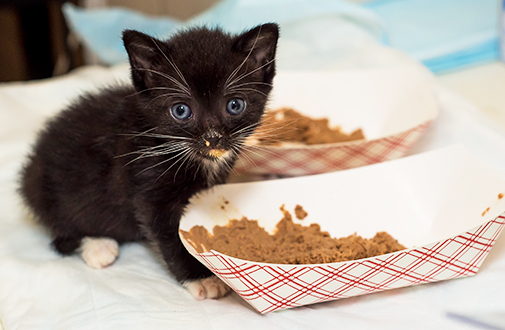
Are you wondering when your adorable little furball can transition from nursing or kitten formula to regular cat food? You’re not alone.
Many new cat parents face this question and want to ensure they’re making the best choices for their growing kittens. Understanding the right time to make the switch can significantly impact your kitten’s health and happiness. We’ll guide you through the process, helping you avoid common pitfalls and giving your kitten the best start in life.
Stay with us to uncover the secrets to a smooth transition that ensures your kitten thrives.
Credit: www.catster.com
Kitten Development Stages
Around four weeks old, kittens start nibbling on soft cat food as their teeth develop. This transition marks an important step from mother’s milk to solid food. By eight weeks, most kittens can eat regular cat food, though gradual introduction is key to avoid digestive issues.
Welcoming a kitten into your home is an exciting journey filled with curiosity and joy. Understanding the kitten development stages is crucial to ensuring your furry friend grows up healthy and happy. From the moment they are born to when they become independent adults, each stage requires specific nutritional needs and care.Newborn To Weaning
In the newborn stage, kittens rely solely on their mother’s milk for nourishment. This milk provides all the essential nutrients they need to build strong bones and a healthy immune system. If you’re caring for an orphaned kitten, you’ll need to use a specialized kitten milk replacer. By about four weeks, you’ll notice the kittens starting to explore their surroundings more. This is the time when you can introduce them to the concept of solid food. However, it’s crucial to ensure they continue nursing during this period for optimal growth.Transition To Solid Foods
The transition to solid foods typically begins around four to six weeks of age. Start by offering a mixture of wet kitten food and warm water to create a gruel-like texture. This makes it easier for kittens to lap up the food. Gradually, you can decrease the amount of water, allowing them to get used to the consistency of wet food. Have you noticed how playful they become when they finally master eating solid food? It’s a vital milestone in their development.Adolescence To Adulthood
As kittens approach adolescence, around six months, they begin requiring more calories and nutrients to support their rapid growth. Switching to a high-quality kitten formula is essential at this stage. Keep an eye on their weight and adjust portions as needed to prevent obesity. By the age of one, your kitten transitions into adulthood. This is the time to switch to adult cat food. Have you thought about the change in your kitten’s behavior and dietary needs during this phase? Staying observant and adjusting their diet accordingly can make all the difference. Understanding the development stages of kittens not only ensures their health but also strengthens your bond with them. Are you ready to embrace each stage with the love and attention your kitten deserves?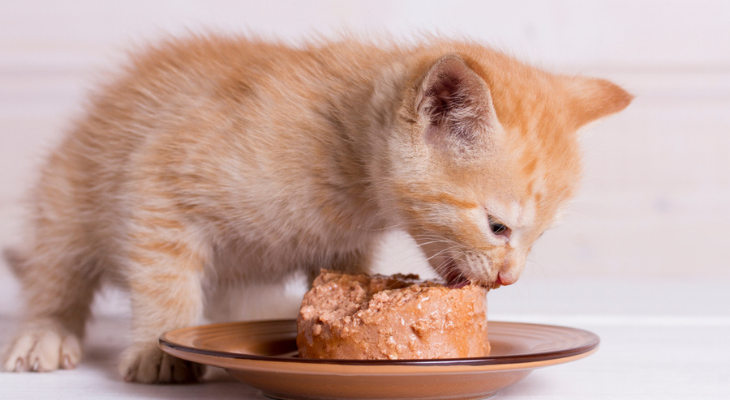
Credit: www.brownvet.com
Nutritional Needs Of Kittens
Feeding your kitten isn’t just about filling their bowl; it’s about understanding what fuels their tiny bodies to grow strong and healthy. Kittens are in a critical stage where their nutritional needs are unique compared to adult cats. The right diet can impact their development significantly, paving the way for a healthy life. Have you ever wondered what exactly goes into a kitten’s diet to ensure they thrive?
Importance Of High Protein
Protein is the building block of life, and for kittens, it’s essential. Their rapidly growing muscles and tissues demand a diet rich in high-quality protein. A kitten needs more protein than an adult cat because they’re constantly growing and developing. Have you noticed how active your kitten is? That energy comes from protein, supporting their playful antics and explorations. Look for cat food labeled specifically for kittens; it’s designed to meet their higher protein needs.
Vitamins And Minerals
Vitamins and minerals are crucial for a kitten’s growth. They support everything from vision to bone development. Vitamin A is vital for eyesight, while calcium and phosphorus help build strong bones and teeth. These nutrients should be present in their food to ensure balanced growth. Reading labels helps you understand what’s included. Does your kitten’s food list essential vitamins and minerals? If not, it might be time to reconsider their diet.
Hydration Needs
Hydration is just as important as food. Kittens need plenty of water to aid digestion and keep their bodies functioning smoothly. Wet cat food can be a great option as it provides additional moisture. Have you noticed your kitten drinking less water? Offering wet food might encourage them to stay hydrated, ensuring their kidneys and urinary tract stay healthy. Don’t forget to keep their water bowl clean and filled; sometimes a simple change can make all the difference.
Understanding these nutritional needs helps you make informed choices for your kitten’s diet. What changes can you make today to ensure your kitten is receiving the nutrition they need? The right diet is more than just feeding; it’s about nurturing their growth and well-being.
Choosing The Right Cat Food
Choosing the right cat food for kittens is crucial. It impacts their growth and health. Kittens have specific nutritional needs. These needs differ from adult cats. Selecting the right type of food can seem overwhelming. Focus on quality and nutritional value. This ensures your kitten grows strong and healthy.
Wet Vs Dry Cat Food
Wet cat food contains more moisture. This is beneficial for hydration. It also has a strong aroma. This can tempt picky eaters. Dry cat food is convenient. It can be left out longer without spoiling. It helps keep teeth clean. Both options have their advantages. Consider your kitten’s preference and lifestyle.
Specialized Kitten Formulas
Kitten formulas are designed for growth. They contain higher protein levels. They also have essential vitamins and minerals. These formulas support healthy development. Look for products labeled for kittens. They provide the right nutrients. Avoid adult cat food at this stage. It might not meet their dietary needs.
Reading Labels And Ingredients
Reading labels is important. Check for high-quality ingredients. The first ingredient should be meat. Avoid foods with fillers. Look for added vitamins and minerals. These support bone and immune health. Check for taurine. It’s essential for heart health. Understanding labels helps you choose wisely.
:max_bytes(150000):strip_icc()/kitten-6-weeks-145561913-2000-d72330d398054c918a52cee93ad6bdc9.jpg)
Credit: www.dailypaws.com
Feeding Schedule Recommendations
Kittens can start eating cat food around eight weeks old. Gradually introduce them to wet or dry food. Always ensure food is suitable for kittens, promoting healthy growth and development.
When your adorable kitten starts to grow, you’ll notice changes that signal it’s time to adjust their feeding schedule. How do you know when to switch from milk to cat food? Understanding the feeding schedule is crucial for your kitten’s healthy development. A well-planned feeding routine can ensure they get the right nutrition at the right time. Let’s dive into some practical recommendations for feeding your kitten.Frequency Of Meals
Initially, kittens require frequent meals to support their rapid growth. Aim to feed your kitten four times a day. This frequency mimics their natural nursing pattern, keeping their energy levels steady. As your kitten matures, you can gradually reduce the number of meals. By six months, transitioning to three meals a day often works well.Portion Sizes
Proper portion sizes prevent overfeeding and underfeeding. Start with small amounts and observe your kitten’s appetite. A tablespoon of food per meal can be a good starting point. Adjust portions based on their eating behavior and body condition. If your kitten consistently leaves food, you might be offering too much. Conversely, if they finish quickly and beg for more, consider slightly increasing the portion.Adjusting As Kittens Grow
Your kitten’s needs change as they grow. Regularly assess their weight and activity levels. Is your kitten active and constantly exploring, or do they prefer lazy naps? Adjust the quantity and type of food accordingly. Larger, more active kittens may need more calories. Remember, every kitten is unique. Consult your vet for personalized advice, especially if you notice sudden changes in their behavior or appetite. Feeding your kitten isn’t just a routine—it’s an opportunity to bond and ensure their health. How do you manage the balance between feeding schedules and portion sizes? Share your experiences and insights in the comments below!Common Feeding Mistakes
Kittens often start eating cat food too early, leading to digestive issues. Introducing solid food before they’re ready can cause discomfort. Gradually transition to cat food when they reach eight weeks, ensuring a smooth and healthy adaptation.
Feeding kittens can be an exciting yet challenging task. As they transition from mother’s milk to solid food, you might make some common feeding mistakes without realizing it. Understanding these pitfalls will not only help your kitten grow healthy but also strengthen your bond with your furry friend. Are you aware of these common feeding errors, and how can you avoid them?Overfeeding Risks
Kittens are tiny creatures with small stomachs. It’s easy to overestimate their needs and give them more food than necessary. Overfeeding can lead to obesity, which might cause health issues later. Monitor your kitten’s weight and adjust portions accordingly. Ask yourself, are you feeding them out of habit or because they truly need it?Inadequate Nutrition
Providing your kitten with the right nutrition is crucial for their development. Some pet owners might choose cheaper food options that lack essential nutrients. This can stunt their growth and weaken their immune system. Check the labels for protein-rich formulas. Is your kitten getting the vitamins and minerals they need for a playful, energetic life?Switching Foods Too Quickly
Sudden changes in diet can upset your kitten’s stomach. It’s tempting to experiment with different foods, but this can lead to digestive issues. Gradually introduce new foods by mixing them with the current diet. Observe their reaction and adjust slowly. Are you giving your kitten enough time to adapt to new tastes and textures? Feeding your kitten is a learning experience for both of you. By avoiding these common mistakes, you ensure your kitten grows strong and healthy. Keep these insights in mind, and your little one will thrive with the right balance and care.Signs Of Healthy Growth
Observing kittens play energetically signals readiness for cat food. At eight weeks, kittens gradually switch from mother’s milk to solid food. Their growing curiosity and playful behavior indicate healthy development and readiness for new dietary experiences.
Understanding the signs of healthy growth in your kitten is crucial for determining when they can transition to cat food. Observing these signs can help ensure your kitten is developing properly and getting the nutrition they need. If you’re unsure whether your kitten is ready for this change, look for these key indicators.Weight And Size Milestones
A healthy kitten will reach specific weight and size milestones as they grow. Around eight weeks, most kittens weigh about two pounds. This is a good time to start considering a gradual transition to cat food. You can weigh your kitten weekly to track their progress. Consistent growth in weight and size indicates they are developing well. Is your kitten reaching these milestones?Active And Playful Behavior
Kittens should be full of energy and curiosity. They should be actively exploring their environment, playing with toys, and interacting with you. This active behavior is a clear sign of healthy growth. Notice if your kitten is less active or seems lethargic. These could be red flags that something isn’t right. A playful kitten is usually a healthy kitten ready for new experiences, including trying out new food.Bright Eyes And Coat Condition
A kitten’s eyes should be bright and clear. Their coat should be soft, shiny, and free from any bald spots. These physical signs are often indicators of good health and proper nutrition. If your kitten’s eyes appear dull or their coat looks scruffy, they might not be getting the nutrients they need. Keep an eye on these signs to ensure your kitten is thriving. Would you notice if your kitten’s coat changed? Remember, each kitten is unique, and their readiness for cat food may vary. Pay attention to these signs and trust your observations. Your kitten’s healthy growth is the best guide to when they’re ready for the next step.Consulting With A Veterinarian
Consulting with a veterinarian is crucial for your kitten’s health. A vet can guide you in transitioning your kitten to cat food. They ensure the diet suits your kitten’s growth needs. Regular check-ups, custom dietary plans, and monitoring health changes are essential steps.
Regular Check-ups
Regular vet check-ups are vital. They help track your kitten’s growth and development. The vet can assess if your kitten is ready for cat food. Early detection of health issues is possible through these visits.
Custom Dietary Plans
Every kitten is unique. Custom dietary plans address individual needs. A veterinarian can craft a diet plan tailored to your kitten. This ensures balanced nutrition for healthy growth. The right diet helps prevent future health problems.
Monitoring Health Changes
Monitoring health changes is important. Regular vet visits help spot any issues. Changes in weight, energy, or behavior need attention. A vet can adjust dietary plans based on these changes. This proactive approach keeps your kitten healthy.
Frequently Asked Questions
When Can A Kitten Start Eating Regular Cat Food?
Kittens can start eating regular cat food at around 8 to 10 weeks old. Ensure it’s high-quality and suitable for their age. Introduce it gradually to avoid digestive issues.
When Can Kittens Start Eating Cat Food?
Kittens can start eating cat food around four weeks old. Begin with soft, wet food to ease the transition. Gradually introduce dry kibble as they grow. This helps them adapt to different textures and ensures they receive essential nutrients. Always ensure fresh water is available.
Is Kitten Food Different From Adult Cat Food?
Yes, kitten food is specially formulated for their growth needs. It contains higher protein and fat content. This supports their rapid development and energy needs. Adult cat food lacks the necessary nutrients for growing kittens. Always choose age-appropriate food for optimal health.
How Often Should Kittens Eat Cat Food?
Kittens should eat small meals three to four times daily. Their growing bodies need frequent nourishment. As they mature, you can reduce meal frequency. Consistent feeding times help establish a routine. Monitor their weight and adjust portions accordingly to maintain a healthy growth rate.
Conclusion
Kittens need the right food for healthy growth. Start with mother’s milk. Then, introduce kitten food around four weeks. Gradually mix in cat food by eight weeks. Watch their reactions closely. Ensure they eat comfortably. Balance nutrients and energy levels.
Avoid sudden changes in diet. Always consult your vet for guidance. Monitor their weight and health regularly. Proper feeding ensures a happy, healthy kitten. Remember, every kitten is unique. Adjust feeding plans as needed. Keep their water bowl full. A well-fed kitten grows into a strong, playful cat.
Your care makes all the difference.