What Cat Food is Best for Hairballs: Expert Picks
Are you tired of finding surprise hairballs scattered around your home? You’re not alone.
Many cat owners face this messy and sometimes frustrating issue. But what if there was a way to minimize those unsightly hairballs? Choosing the right cat food can be a game-changer for both you and your furry friend. It’s not just about feeding your cat; it’s about enhancing their well-being and your peace of mind.
We’ll explore the best cat food options specifically designed to tackle hairballs. Discover how the right diet can make all the difference, and say goodbye to those pesky hairball problems for good. Ready to find the perfect solution for your cat? Let’s dive in.
Understanding Hairballs In Cats
Hairballs are a common issue that many cat owners face, yet they remain a somewhat misunderstood phenomenon. These pesky, matted clumps of fur can lead to discomfort for your furry friend and a messy cleanup for you. Understanding hairballs in cats is crucial to addressing this issue effectively. By knowing what causes them and recognizing their symptoms, you can take steps to help your cat live a more comfortable and healthy life. But what truly causes hairballs, and how can you spot them before they become a bigger problem?
Causes Of Hairballs
Hairballs, scientifically known as trichobezoars, are mainly caused by cats grooming themselves. Cats have tiny hook-like structures on their tongues, which trap loose and dead hair. As they groom, they swallow a portion of this hair. While most of it passes through the digestive system without issue, some may accumulate in the stomach, forming a hairball.
Long-haired breeds are more prone to hairballs due to their fur type. But don’t be fooled—short-haired cats can also experience them. Stress and anxiety may increase grooming habits, leading to more hair consumption. Have you noticed your cat grooming excessively during stressful times?
Symptoms To Watch For
Hairballs can manifest in several ways, and knowing the signs can help you act promptly. If your cat is frequently gagging, retching, or vomiting, it might be struggling with hairballs. While occasional vomiting can be normal, frequent episodes are a red flag.
Keep an eye on your cat’s appetite and behavior. A decrease in appetite or noticeable lethargy can indicate discomfort caused by hairballs. Constipation and a dry cough are also signs you should watch for. Have you ever seen your cat trying to cough something up without success?
By understanding the causes and symptoms of hairballs, you can better manage your cat’s health. Choosing the right cat food can make a significant difference in reducing hairballs. Are you ready to explore options that can help your feline friend? Let’s dive into the best cat food for hairball control!
Credit: www.businessinsider.com
Nutritional Needs For Hairball Control
Cats often deal with hairballs, which can be uncomfortable for them. Proper nutrition helps manage and reduce hairballs effectively. Specific nutrients in cat food play a crucial role in controlling hairball formation. Understanding these nutritional needs aids in selecting the best food for your cat’s health and comfort.
Importance Of Fiber
Fiber is essential for managing hairballs in cats. It aids digestion and helps move hair through the digestive system. Foods high in fiber can prevent hair from clumping into hairballs. Look for cat food with natural fiber sources like beet pulp or psyllium husk. These ingredients help to bulk up stools, making it easier for hair to pass through.
Role Of Omega Fatty Acids
Omega fatty acids play a vital role in a cat’s coat health. They maintain skin moisture and reduce excessive shedding. A healthy coat means less loose hair for your cat to ingest. Foods rich in omega-3 and omega-6 fatty acids are beneficial. They support skin health and reduce the occurrence of hairballs.
Top Cat Food Brands For Hairball Prevention
Finding the right cat food to prevent hairballs can feel overwhelming. Every cat owner wants their furry friend to be happy and healthy. But how do you choose the best food for hairball prevention? You’re in luck! We’ve narrowed down some top brands that are known for tackling this hairy problem. Keep reading to discover vet-recommended brands and popular choices among cat owners.
Vet-recommended Brands
Veterinarians often suggest specific brands due to their proven formulas and quality ingredients. Hill’s Science Diet stands out as a preferred choice. It offers a hairball control formula that’s rich in fiber to help manage hairballs effectively.
Royal Canin is another favorite among vets. Their Hairball Care formula is designed to stimulate intestinal transit, reducing the chance of hairball formation. It’s an option worth considering, especially if your cat often struggles with hairballs.
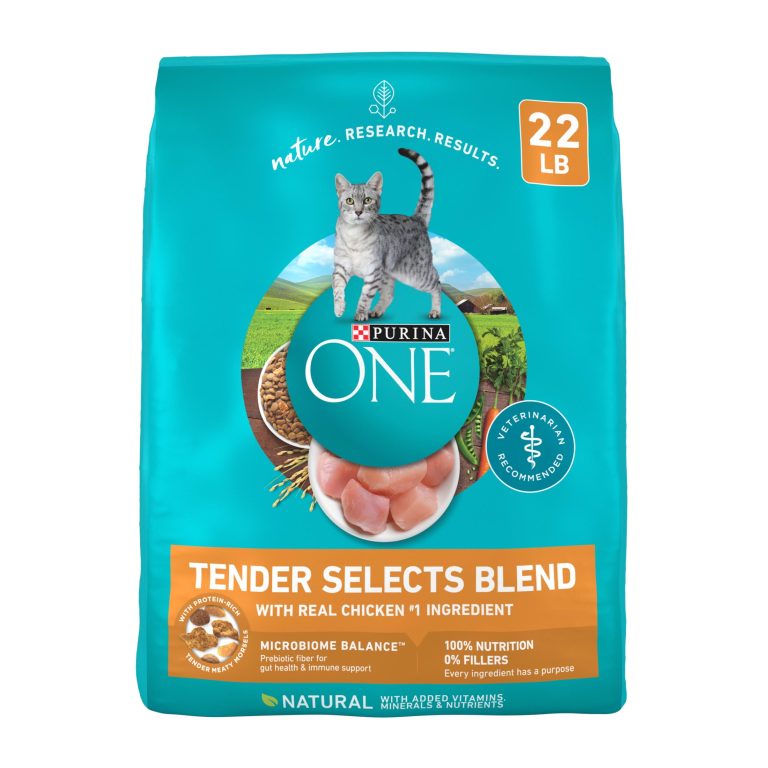
Think about asking your vet about Purina Pro Plan. Known for its nutritional balance, it includes natural fibers that aid digestion and minimize hairball issues. Have you tried any of these brands?
Popular Choices Among Cat Owners
Cat owners share their experiences and recommendations, often leading to popular choices. Iams ProActive Health is frequently mentioned due to its blend of fibers that helps reduce hairballs while supporting overall health.
Another popular brand is Blue Buffalo. Their hairball formula includes wholesome ingredients like whole grains and garden veggies. Many owners appreciate its natural approach to hairball management.
Have you ever considered Nutro Wholesome Essentials? It is beloved for its natural ingredients and effectiveness in reducing hairball formation. Hearing from other cat owners can often lead you to discover the perfect choice for your feline friend.
Choosing the right cat food can make a significant difference in your pet’s comfort and health. Which brand will you try next to keep your cat happy and hairball-free?
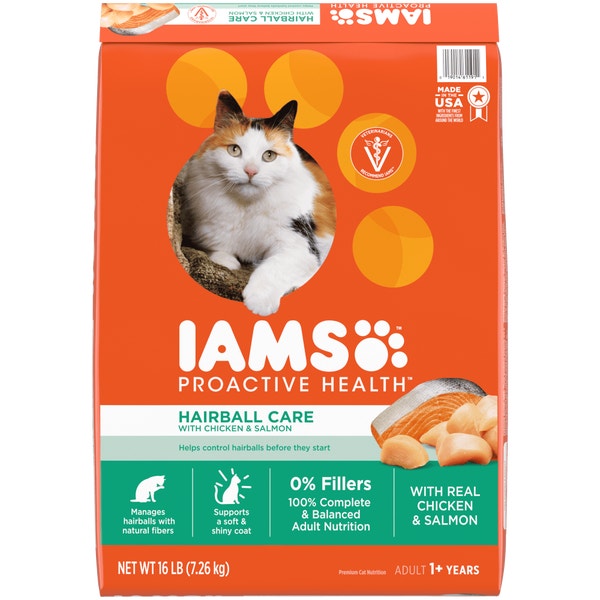
Credit: www.iams.com
Homemade Vs. Commercial Cat Food
Choosing the right cat food is vital for managing hairballs. Many cat owners face a dilemma: homemade cat food or commercial products? Each option offers distinct benefits. Homemade cat food allows control over ingredients. Commercial products provide convenience and variety.
Benefits Of Homemade Options
Homemade cat food offers control over every ingredient. You choose fresh, high-quality components. This ensures your cat receives the best nutrition. You can tailor the diet to reduce hairball issues. Homemade recipes allow adjustments based on your cat’s needs. Natural ingredients often aid in digestion. This helps to minimize hairball formation.
Convenience Of Commercial Products
Commercial cat food offers unmatched convenience. It saves time with ready-to-serve meals. These products require no preparation. They are easily accessible in stores and online. Manufacturers design formulas to address hairball problems. The wide variety caters to different dietary needs. It simplifies feeding routines for busy pet owners.
Tips For Reducing Hairballs
Cats are adorable companions, but dealing with hairballs can be a challenging part of pet ownership. Hairballs occur when cats groom themselves and ingest loose fur, which forms into a ball in their digestive system. Understanding how to reduce hairballs can lead to a happier, healthier cat. Here are some practical tips to help minimize hairball formation.
Grooming Practices
Regular grooming is key in reducing hairballs. By brushing your cat frequently, especially during shedding seasons, you can remove loose fur before your cat ingests it. A daily brushing routine can drastically cut down on the amount of hair your cat swallows.
Consider using grooming tools specifically designed for hair removal. Tools like de-shedding brushes can be more effective than standard brushes. You might even find grooming time as an opportunity to bond with your cat. Ever tried singing a silly song while brushing? It might just make the process more enjoyable for both of you!
Environmental Enrichment
Keeping your cat mentally stimulated can indirectly help reduce hairballs. When cats are bored, they tend to groom excessively. Providing toys and interactive play sessions can distract them and reduce the time spent grooming.
Think about how often your cat engages in playful activities. Adding vertical spaces like cat trees can encourage physical activity and exploration. This not only reduces boredom but also helps maintain a healthy weight, further minimizing hairball issues.
What strategies have you found effective in reducing hairballs for your feline friend? Sharing your experiences can help others struggling with the same issue. Remember, every cat is unique, and sometimes, a combination of approaches works best.
Consulting With A Veterinarian
Consulting with a veterinarian helps find the best cat food for hairballs. Experts recommend food with high fiber. This reduces hairball formation, making your cat healthier and happier.
Cats are mysterious creatures with unique needs, especially when it comes to their diet. If you’ve ever owned a cat, you know they can be prone to hairballs. These pesky lumps can be unpleasant for both you and your furry friend. Finding the right cat food can help reduce hairballs, but where do you start? Consulting with a veterinarian can be invaluable. A professional can guide you toward the best dietary choices, ensuring your cat’s health and comfort.When To Seek Professional Advice
It’s easy to feel overwhelmed with the abundance of cat food options available. If your cat is experiencing frequent hairballs, it’s time to consult a vet. Consistent hairball issues may indicate dietary deficiencies or underlying health problems. An expert can assess your cat’s overall health and recommend suitable food options. They can also rule out any other conditions that might be causing the problem. Don’t wait for the situation to worsen; early intervention can make a world of difference.Questions To Ask Your Vet
When meeting with your vet, come prepared with questions. What food brands do they recommend for hairball control? Are there specific ingredients you should look for or avoid? Inquire about the right balance of fiber in your cat’s diet, as it can help reduce hairballs. Ask if there are any specific feeding guidelines you should follow. Understanding these aspects can help you make informed decisions. Remember, your vet is a resource. They have the knowledge to help you navigate the complexities of feline nutrition. So, what will you ask at your next appointment? Your cat’s well-being is worth every effort. By consulting with a veterinarian, you ensure that your furry companion receives the best care possible.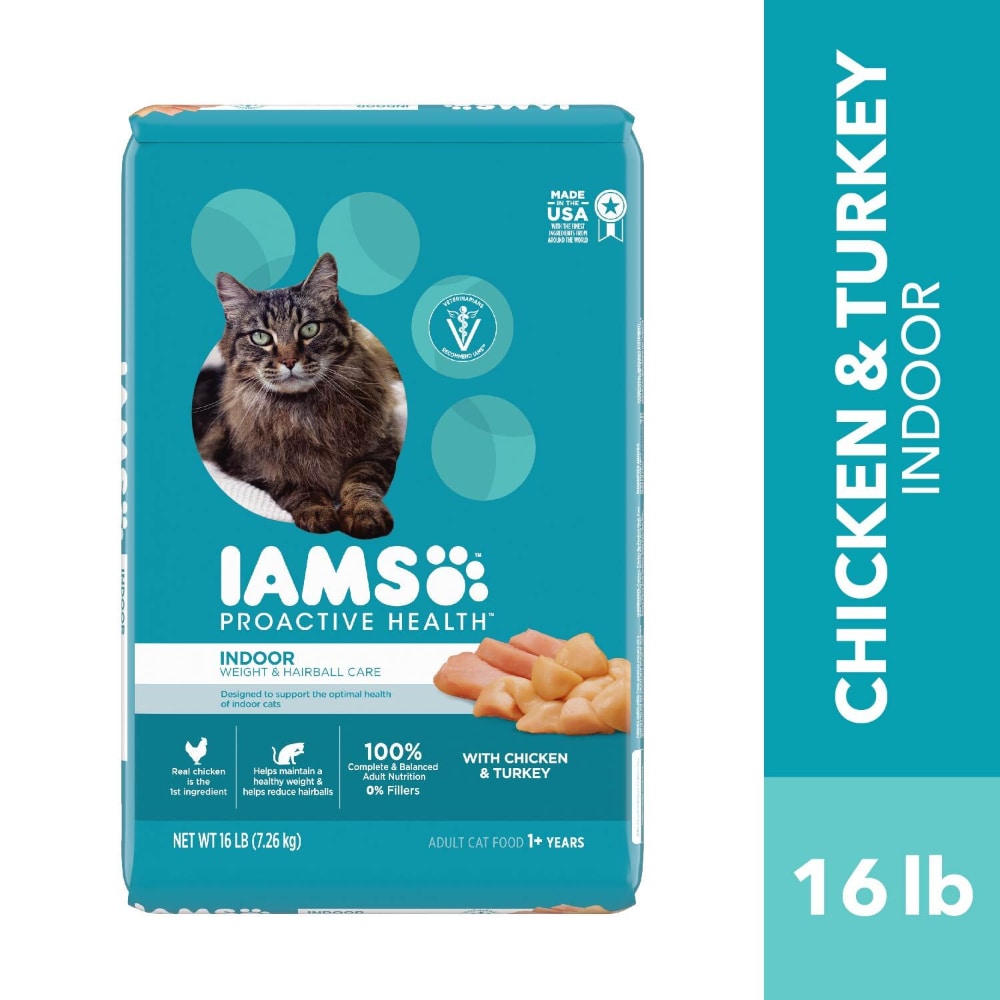
Credit: www.ralphs.com
Frequently Asked Questions
What Is The Best Hairball Control Cat Food?
The best hairball control cat food includes Royal Canin Hairball Care, Hill’s Science Diet Hairball Control, and Purina ONE Hairball Formula. These brands offer balanced nutrition and unique fiber blends to reduce hairballs. Always consult your vet to choose the most suitable option for your cat’s needs.
Is Wet Or Dry Food Better For Hairballs In Cats?
Wet food often helps reduce hairballs in cats. It provides more moisture, aiding digestion and hairball passage. Dry food has less moisture, which might not be as effective for hairball control. Consult a vet for specific dietary recommendations tailored to your cat’s needs.
What Do Vets Recommend For Cat Hairballs?
Vets suggest high-fiber cat food to prevent hairballs. Regular grooming helps reduce shedding. Use hairball control treats or supplements. Ensure your cat stays hydrated. Consult your vet for specific recommendations.
What Is The Best Cat Food For Cats That Throw Up?
Choose a high-quality, easily digestible cat food with limited ingredients. Opt for grain-free or hypoallergenic options. Wet food with real meat and minimal fillers can help reduce vomiting. Consult your vet for specific dietary needs.
Conclusion
Choosing the right cat food can help reduce hairballs. Look for food with high fiber content. It aids digestion and helps move hair through the system. Wet food can also be beneficial. It adds moisture, reducing hairball formation. Check for ingredients that promote a healthy coat.
Omega-3 and Omega-6 fatty acids are great. Always consult your vet for personalized advice. Each cat is unique. The best choice depends on their specific needs. A balanced diet ensures your cat stays healthy and happy.