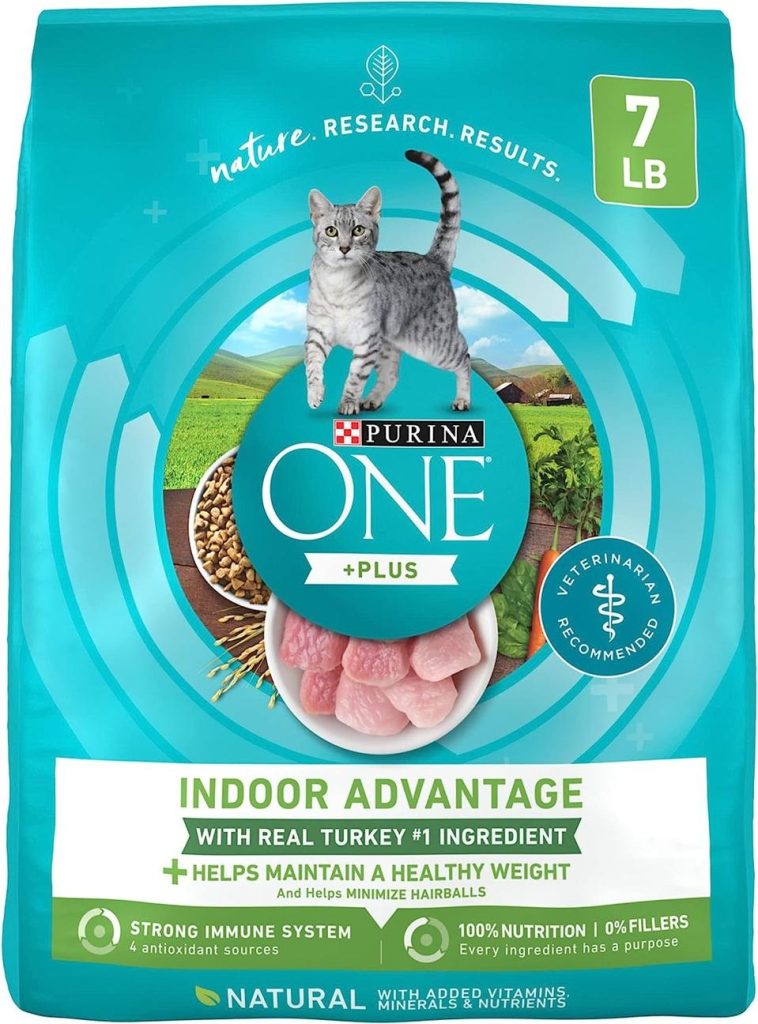
Choosing the right food for your indoor cat can feel like a puzzle. You want them to be healthy, energetic, and happy.
But with so many options on the shelves, how do you know which one is best? You might find yourself asking, “Is this brand nutritious enough? ” Or “Does this flavor really matter? ” Your cat’s diet plays a crucial role in their well-being, much like how your meals impact your own health.
In this post, we’ll uncover what makes the best cat food for indoor cats, helping you make informed choices that your feline friend will love—and you will feel good about. Stick around to discover tips that could transform your cat’s meals from ordinary to extraordinary!
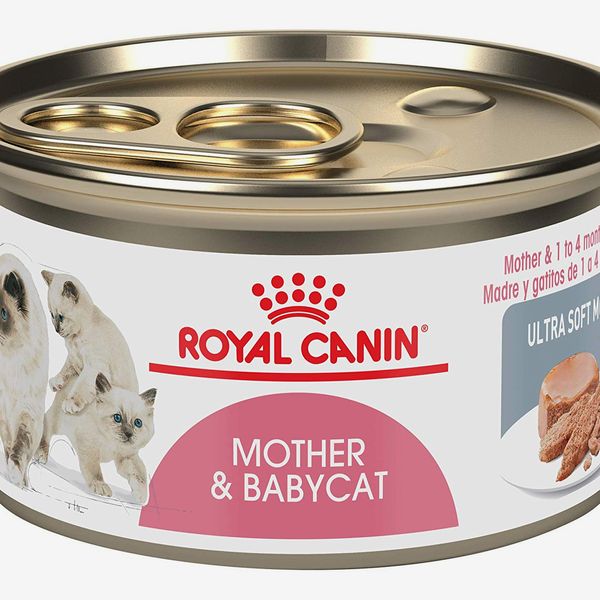
Credit: www.greensafaris.com
Nutritional Needs Of Indoor Cats
Indoor cats have unique nutritional needs that differ from their outdoor counterparts. They often lead a more sedentary lifestyle, which means their diet must be tailored to prevent obesity and maintain health. Understanding these needs can make all the difference in ensuring your feline friend stays happy and healthy.
Indoor cats require fewer calories than outdoor cats because they are less active. It’s crucial to monitor their weight to avoid obesity. A balanced diet rich in protein and low in calories can help maintain their ideal weight.
Protein is the building block for muscles and energy. A diet high in quality protein supports muscle maintenance and growth. Look for cat foods where chicken, turkey, or fish are the main ingredients.
Importance Of Fiber
Fiber is vital for indoor cats to aid digestion and prevent hairball formation. Hairballs can be a common issue due to constant grooming. Cat foods with added fiber can help reduce this problem.
You might be surprised at how much fiber helps with weight management too. It keeps your cat feeling full, reducing the risk of overeating.
Hydration And Moisture Content
Hydration is often overlooked but is essential for indoor cats. Cats naturally drink less water, so consider wet cat food to boost moisture intake. This not only hydrates them but also supports kidney health.
Have you ever noticed your cat’s reluctance to drink from their bowl? Providing a mix of wet and dry food can ensure they get enough fluids.
Essential Vitamins And Minerals
Vitamins and minerals are key to a cat’s overall health. Indoor cats benefit from added nutrients like omega fatty acids for a shiny coat and joint health. Ensure their food includes vitamins A, D, and E, alongside taurine for heart health.
Does your cat have a dull coat or seem lethargic? It might be time to check their food’s vitamin content. A simple switch can make a big difference.
Personal Experience
When I switched my indoor cat’s food to one with higher protein and fiber, I noticed a marked improvement in her energy levels and coat condition. She became more playful and her fur was noticeably shinier. It’s amazing how the right nutrition can transform your pet’s wellbeing.
Are you confident that your indoor cat’s food meets all these nutritional needs? A little research can go a long way in enhancing your cat’s health and happiness. Choose wisely and watch them thrive indoors.
Key Ingredients To Look For
Choose cat food with high-quality protein for muscle health. Look for omega-3 fatty acids, supporting skin and coat. Fiber aids digestion and weight management.
When choosing the best cat food for your indoor feline, focusing on the right ingredients is crucial. Each element in their diet plays a significant role in their overall health and well-being. By understanding these key ingredients, you can make informed decisions to ensure your indoor cat thrives.High-quality Protein
Cats are obligate carnivores, which means they require protein to stay healthy. Look for cat food that lists real meat, like chicken or fish, as the first ingredient. High-quality protein supports muscle development and helps maintain a healthy weight. Have you ever noticed how your cat’s coat shines after a meal rich in protein? This is because good protein sources enhance skin and coat health. Avoid foods with vague terms like “meat by-products” as they might not provide the necessary nutrients your cat needs.Essential Vitamins And Minerals
Indoor cats might not get all the nutrients they need from their environment. Ensure their food contains essential vitamins like A, B, and E, and minerals such as calcium and phosphorus. These are vital for everything from vision to bone health. Consider how you feel when you take your daily vitamins—energized and ready for the day. The same goes for your cat. A diet rich in vitamins and minerals supports their immune system and keeps them active.Fiber Content
Fiber is often overlooked but is vital for your cat’s digestive health. It helps prevent hairballs and supports regular bowel movements. A balanced fiber content in cat food can make a world of difference in your cat’s comfort. Have you ever had to clean up after a hairball incident? It’s not fun. Choosing a food with adequate fiber can reduce these occurrences, making life easier for both you and your cat. Check the label for ingredients like pumpkin or beet pulp, which are excellent fiber sources. When buying food for your indoor cat, these key ingredients should be top of mind. They ensure your cat stays healthy, happy, and full of life. What do you prioritize when selecting your cat’s food?Common Ingredients To Avoid
Finding the right food for your indoor cat can be a challenge, especially with so many options available. While you want to ensure your feline friend gets the best nutrition, it’s equally important to know what ingredients to avoid. Your cat’s health and happiness depend on the food they eat, and some common ingredients can do more harm than good. Let’s dive into the specifics of what to keep out of your cat’s bowl.
Artificial Preservatives
Artificial preservatives are often added to cat food to extend shelf life. However, these can be harmful to your cat’s health. Ingredients like BHA, BHT, and ethoxyquin have been linked to various health issues.
Would you feed your cat something you wouldn’t eat yourself? These chemicals can cause allergic reactions and digestive problems. It’s better to choose foods with natural preservatives like vitamin E or C.
Fillers And By-products
Fillers and by-products are cheap ingredients used to bulk up cat food. They offer little nutritional value and can be hard for cats to digest. Think about what your cat needs—high-quality protein, not empty calories.
By-products can include parts of animals not typically consumed, like beaks and feathers. Would you want your cat eating that? Check labels for real meat as the main ingredient, not ambiguous terms.
Excessive Carbohydrates
Cats are obligate carnivores, meaning their bodies are designed to digest meat, not carbs. Excessive carbohydrates can lead to weight gain and other health issues. Have you noticed your indoor cat getting a bit chubby?
Many cat foods add corn, wheat, or soy as fillers. These can spike your cat’s blood sugar levels. Aim for foods with high protein content and limited carbs to keep your cat healthy and active.
Dry Vs. Wet Food Options
Indoor cats often thrive on dry food due to its convenience and teeth-cleaning benefits. Wet food offers hydration and flavor, appealing to picky eaters. Balancing both types can ensure a cat’s nutritional needs are met efficiently.
Choosing the right food for your indoor cat can be a puzzling task with the myriad of options available. Dry and wet cat foods each come with their own set of benefits and drawbacks. Understanding these can help you make an informed decision. You may find that a combination of both might be the ideal solution for your furry friend.Benefits Of Dry Food
Dry food is often more convenient for cat owners. It can be left out all day without spoiling, allowing your cat to graze at its own pace. This is especially useful if you have a busy schedule. Moreover, dry food tends to be more affordable and easier to store. You can buy in bulk without worrying about expiration dates. Another advantage is dental health. The crunchiness of dry food can help reduce plaque buildup, contributing to healthier teeth.Advantages Of Wet Food
Wet food is typically more enticing for cats due to its aroma and texture. Many cats find it irresistible, which can be beneficial if your cat is a picky eater. Additionally, wet food provides more moisture, which is crucial for indoor cats who may not drink enough water. Proper hydration supports urinary health and prevents kidney issues. Wet food also tends to be lower in carbohydrates, which can help prevent obesity—a common concern for indoor cats.Combination Feeding
Why choose one when you can have the best of both worlds? Mixing dry and wet food can provide a balanced diet, catering to your cat’s nutritional needs and preferences. You might start with dry food in the morning and serve wet food in the evening. This routine can keep your cat excited about meal times and ensure they receive both dental benefits and adequate hydration. Think about the unique needs of your cat. Is your cat more active or sedentary? Does your cat have any health concerns? Combining both food types can be adjusted as per these needs. Ultimately, your cat’s happiness and health should guide your choice. Experiment and observe what works best for your pet, and don’t hesitate to consult your vet for tailored advice.Top Brands For Indoor Cats
Choosing the right cat food for your indoor feline friend is crucial for their health and happiness. With numerous brands on the market, finding the perfect match can be overwhelming. But don’t worry; we’ve got you covered with some top picks that cater specifically to indoor cats. Let’s dive into the best options available!
Brand A
Brand A is a favorite among cat owners for its tailored formula. It focuses on maintaining a healthy weight and ensuring your indoor cat gets all the nutrients they need. My own cat, Whiskers, thrived on Brand A’s diet, showing noticeable improvement in her energy levels.
This brand includes high-quality protein sources that support muscle health. Plus, it contains natural fibers that help minimize hairballs, a common issue for indoor cats. Have you noticed your cat struggling with hairballs lately? Brand A might be the solution you need.
Brand B
Brand B is renowned for its holistic approach to feline nutrition. It integrates essential vitamins and minerals that boost your cat’s immune system, making it perfect for keeping indoor cats active and playful. My neighbor swears by Brand B; her cat’s coat has never been shinier.
This brand prides itself on using no artificial preservatives or fillers. It’s an excellent choice if you’re looking to avoid unnecessary additives in your cat’s diet. Are you concerned about artificial ingredients in pet food? Brand B offers peace of mind.
Brand C
Brand C is a hit with pet owners seeking grain-free options. It offers recipes rich in omega fatty acids, promoting healthy skin and fur. A friend of mine switched to Brand C, and her cat’s fur became noticeably softer and more lustrous.
This brand is also known for its diverse flavors, keeping your cat’s meals exciting and ensuring they never get bored. Do you often find your cat turning away from their food bowl? Brand C’s variety might reignite their interest.
With these top brands, you’re equipped with choices that cater to different needs and preferences. Which brand resonates with your cat’s needs? Consider trying out one of these options and watch your indoor cat thrive.
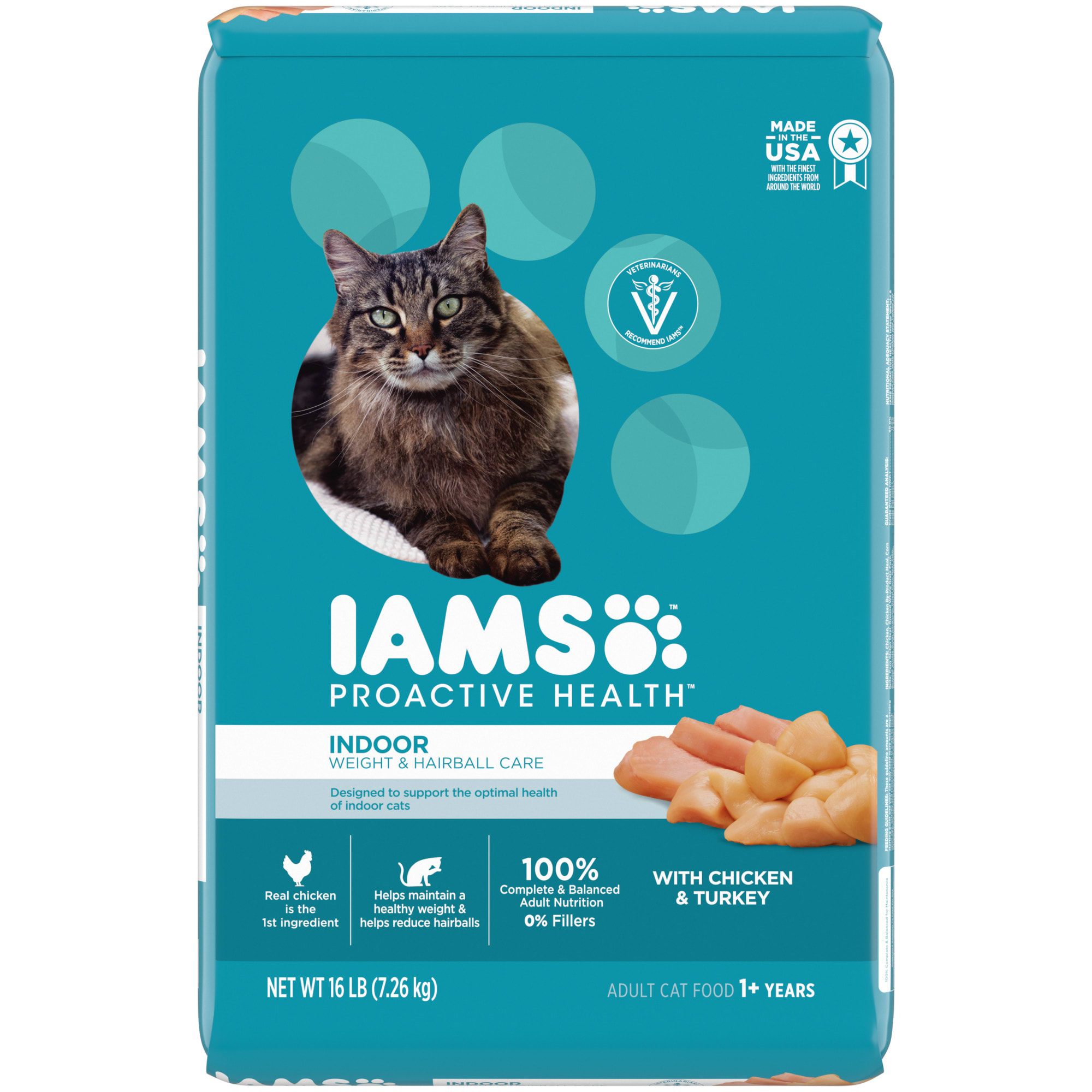
Credit: www.petco.com
Specialty Diets And Formulas
Choosing the best cat food for indoor cats means considering specialty diets and formulas. Opt for high-protein, low-calorie options to maintain a healthy weight. Balanced nutrition supports indoor cats’ energy needs and overall well-being.
Choosing the right food for your indoor cat can feel like a daunting task with so many options available. Specialty diets and formulas offer tailored nutrition to meet specific needs. Whether your feline friend struggles with weight issues, has dietary sensitivities, or is entering their golden years, there’s a specialized formula designed to support their health.Grain-free Options
Grain-free cat foods are gaining popularity, especially for indoor cats that might have sensitive stomachs or allergies. These formulas often use alternative carbohydrate sources like potatoes or peas. If your cat frequently experiences digestive issues, switching to a grain-free option might help. It can be surprising how much a change in diet can affect your cat’s energy levels. My own cat, Whiskers, became noticeably more playful after transitioning to a grain-free formula. Has your cat shown any signs of food sensitivities?Weight Management Formulas
Indoor cats tend to be less active, making weight management crucial. Specialized weight management formulas provide balanced nutrition with fewer calories. They often include high-quality proteins and fibers to keep your cat feeling full longer. If your cat’s weight is a concern, consult your vet for recommendations on these formulas. My neighbor’s cat, Bella, thrived on a weight management diet, shedding unnecessary pounds and gaining more energy. Could a similar approach benefit your pet?Senior Cat Diets
As cats age, their nutritional needs change. Senior cat diets are formulated to support aging joints, maintain lean muscle, and promote overall health. These formulas often include added vitamins and minerals beneficial for older cats. When our family cat, Felix, turned ten, we switched him to a senior diet. We noticed his coat became shinier and he seemed more comfortable. Are you noticing signs that your cat might need a diet change as they age? Choosing the right specialty diet can significantly improve your indoor cat’s quality of life. Exploring these options can make a noticeable difference in their health and happiness. What changes have you seen in your cat after a diet adjustment?Tips For Transitioning Foods
Choosing the right food for indoor cats can improve their health and happiness. Opt for high-quality, protein-rich cat food that meets their nutritional needs. Gradually introduce new foods to avoid digestive upset and ensure a smooth transition.
Transitioning your indoor cat to a new type of food can be a delicate process. Cats are creatures of habit, and abrupt changes to their diet can sometimes lead to digestive upset or rejection of the new food. Here are some practical tips to ensure a smooth transition that keeps your furry friend happy and healthy.Gradual Introduction
Start by mixing a small amount of the new food with their current food. Over the next 7-10 days, gradually increase the portion of new food while decreasing the old one. This slow introduction helps your cat get used to the new taste and texture, minimizing the risk of tummy troubles. I remember when I transitioned my cat, Whiskers, to a grain-free diet. Initially, he was suspicious, but by blending the new food with his favorite, he barely noticed the change.Monitoring Cat’s Response
Keep a close eye on your cat’s behavior and health during the transition. Look for signs like changes in appetite, energy levels, or litter box habits. Any unusual symptoms might indicate that the new food isn’t agreeing with them. When my cat started leaving food in the bowl, it was a red flag. I adjusted the ratio back to more of his old food and tried a slower transition.Adjusting Portions
Once your cat is comfortable with the new food, ensure that the portion size is appropriate. Indoor cats can be less active, so they may require fewer calories. Check the feeding guidelines on the packaging but also consider your cat’s unique needs and activity level. I discovered that Whiskers needed slightly less than the recommended amount to maintain a healthy weight. It’s essential to adjust based on your cat’s specific requirements rather than sticking rigidly to the label. Transitioning foods might seem like a daunting task, but with patience and observation, you can make it a positive experience. What strategies have you found successful in changing your cat’s diet?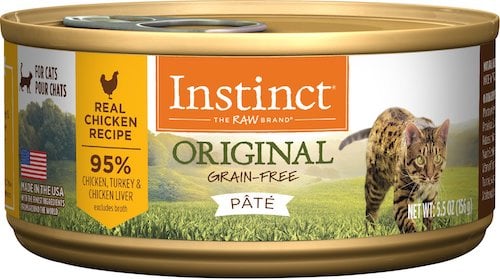
Credit: greensafaris.com
Frequently Asked Questions
What Is The Healthiest Cat Food For An Indoor Cat?
Choose high-quality cat food with balanced nutrients, including proteins, fats, and essential vitamins. Look for brands offering grain-free options with real meat. Consult your vet for personalized recommendations based on your cat’s health needs. Prioritize trusted brands with positive reviews and transparent ingredient lists.
What Is The Best Food To Feed A House Cat?
Feed your house cat high-quality, protein-rich cat food. Choose options with real meat as the first ingredient. Ensure the food contains essential nutrients like taurine. Wet food can provide hydration, while dry food helps dental health. Consult your veterinarian for specific dietary needs based on your cat’s age, weight, and health.
What Should You Feed An Indoor Cat?
Feed indoor cats high-quality, balanced cat food with protein, fats, and essential nutrients. Offer wet and dry food options. Provide fresh water daily. Avoid human food and toxic items like chocolate, onions, and garlic. Consult your vet for specific dietary needs based on age, weight, and health conditions.
What Is The Best Fresh Cat Food For Indoor Cats?
Fresh cat food brands like Smalls and Nom Nom are ideal for indoor cats. They offer balanced nutrition and high-quality ingredients. These options cater to cats’ dietary needs, promoting health and vitality. Always choose fresh food tailored for indoor cats to ensure they get essential nutrients.
Conclusion
Choosing the right cat food keeps indoor cats healthy and happy. Consider your cat’s age, weight, and health needs. Look for high-quality ingredients and balanced nutrition. Avoid fillers and artificial additives. Cats need protein and moisture-rich food. Consult your vet for specific dietary advice.
Test different brands to find what your cat enjoys. A healthy diet supports your cat’s long life. Keep observing your cat’s response to food changes. Their well-being depends on your choices. Remember, a healthy cat is a happy cat. Make informed decisions for your feline friend’s diet.