
Choosing the right food for your diabetic cat can feel overwhelming. You want the best for your feline friend, but the options are endless, and the stakes are high.
What if you could simplify this decision and find the perfect diet that promotes your cat’s health and happiness? The good news is, you can. We’ll explore exactly what makes certain cat foods ideal for managing diabetes. You’ll learn how to make informed choices that could improve your cat’s quality of life.
So, if you’re ready to discover the best nutrition for your diabetic cat, keep reading. This guide is designed to empower you with knowledge that could transform your pet’s well-being.
Diabetic Cat Nutrition
Diabetes in cats is a growing concern for pet owners. A proper diet plays a critical role in managing this condition. Understanding diabetic cat nutrition helps you choose the best food for your feline friend. By focusing on specific nutritional needs, you can improve your cat’s health. Let’s explore the essential components of a diabetic cat’s diet.
Importance Of Diet
Diet is crucial in managing diabetes in cats. It helps regulate blood sugar levels. A consistent diet can prevent health complications. Feeding your cat the right food supports insulin therapy. It can also enhance your cat’s quality of life. Choosing the right diet involves understanding what your cat needs. A balanced diet is essential for maintaining stable blood glucose levels.
Nutritional Needs
Diabetic cats need a specific diet to stay healthy. High-protein, low-carbohydrate foods are ideal. Protein helps maintain muscle mass. Low carbohydrates prevent blood sugar spikes. Fiber is also important. It aids in digestion and helps control weight. Look for foods with essential vitamins and minerals. Omega-3 fatty acids can support overall health. Always consult your veterinarian for personalized advice.

Credit: www.youtube.com
Low-carbohydrate Options
Choosing the right cat food for diabetic cats is crucial. Opt for low-carbohydrate options to manage blood sugar levels effectively. These foods help maintain healthy weight and improve energy.
For diabetic cats, diet plays a crucial role in managing their condition. Low-carbohydrate options can be beneficial. They help maintain stable blood sugar levels. Finding the right cat food can be challenging. But understanding the benefits makes it easier.Benefits Of Low-carb Diet
Low-carb diets can improve a diabetic cat’s health. They help control blood glucose levels. This reduces the need for insulin. Low-carb foods often contain more protein. This supports muscle maintenance and energy. Cats are obligate carnivores. They thrive on protein-rich diets. A low-carb diet can promote weight loss. It can improve overall health. It may also enhance your cat’s quality of life.Popular Low-carb Brands
Several brands offer low-carb options for diabetic cats. One popular choice is “Tiki Cat.” It provides high-quality protein with low carbs. “Weruva” is another trusted brand. It offers grain-free, protein-rich meals. “Young Again” cat food is also recommended. It emphasizes low-carb content. These brands focus on natural ingredients. They avoid fillers and unnecessary carbs. Always consult your vet before changing diets. Your cat’s health should always come first.High-protein Formulas
Diabetic cats benefit from high-protein formulas that stabilize blood sugar levels. Choose foods with lean meat sources. Avoid high carbohydrate content to maintain balanced nutrition.
High-protein formulas play a vital role in managing a diabetic cat’s diet. They support muscle maintenance and provide energy without spiking blood sugar levels. Choosing the right cat food can be challenging, especially for diabetic cats. High-protein options offer a balanced approach to managing their condition effectively.Role Of Protein In Diabetes Management
Protein helps regulate blood sugar levels in diabetic cats. It slows down the absorption of carbohydrates, reducing sudden spikes. A protein-rich diet also supports lean muscle mass. This is crucial for maintaining a healthy weight. Cats need protein for energy and overall health. Diabetic cats benefit greatly from a high-protein diet. It minimizes fat content and carbs, helping manage diabetes. Protein aids in keeping blood glucose levels stable. It also ensures your cat stays active and healthy.Recommended High-protein Foods
Several brands offer high-protein foods for diabetic cats. Look for options with low carbohydrates and no added sugars. Foods with chicken, turkey, or fish are excellent choices. These proteins are lean and beneficial for diabetic cats. Choose cat foods labeled “high-protein” and “low-carb.” Wet foods often have higher protein content. They are generally better for diabetic cats. Consider brands like Hill’s, Purina, and Royal Canin. Always check labels for nutritional information. Your vet can guide you in selecting the best formula.Wet Vs Dry Food
Choosing the right food for a diabetic cat is crucial. It helps manage their blood sugar levels effectively. Owners often wonder if wet or dry food is better. Each type has its benefits and drawbacks. Understanding these differences can guide you in making an informed decision.
Pros And Cons Of Wet Food
Wet food usually contains higher moisture content. This helps maintain hydration, especially for cats that drink less water. It often has fewer carbohydrates, which is important for diabetic cats. The high protein content can support muscle health. Wet food is generally more palatable, attracting picky eaters. On the downside, it can be more expensive than dry food. It requires refrigeration and has a shorter shelf life once opened. Wet food can also be messy, making cleanup a hassle.
Advantages Of Dry Food
Dry food is convenient and easy to store. It has a longer shelf life, making it budget-friendly. Many cats enjoy the crunch, which helps dental health. It’s less messy and easy to measure. Some dry foods are specially formulated for diabetic cats. They often contain higher fiber levels. Fiber helps regulate blood sugar levels. Yet, dry food typically has more carbohydrates. This can affect a diabetic cat’s condition negatively.
Prescription Diets
When your cat is diagnosed with diabetes, their diet becomes a crucial aspect of managing the condition. Prescription diets are specifically formulated to meet the needs of diabetic cats. These diets are often recommended by veterinarians and can be an effective way to regulate your cat’s blood sugar levels. But what makes these prescription diets stand out? Let’s explore some key aspects.
Overview Of Prescription Options
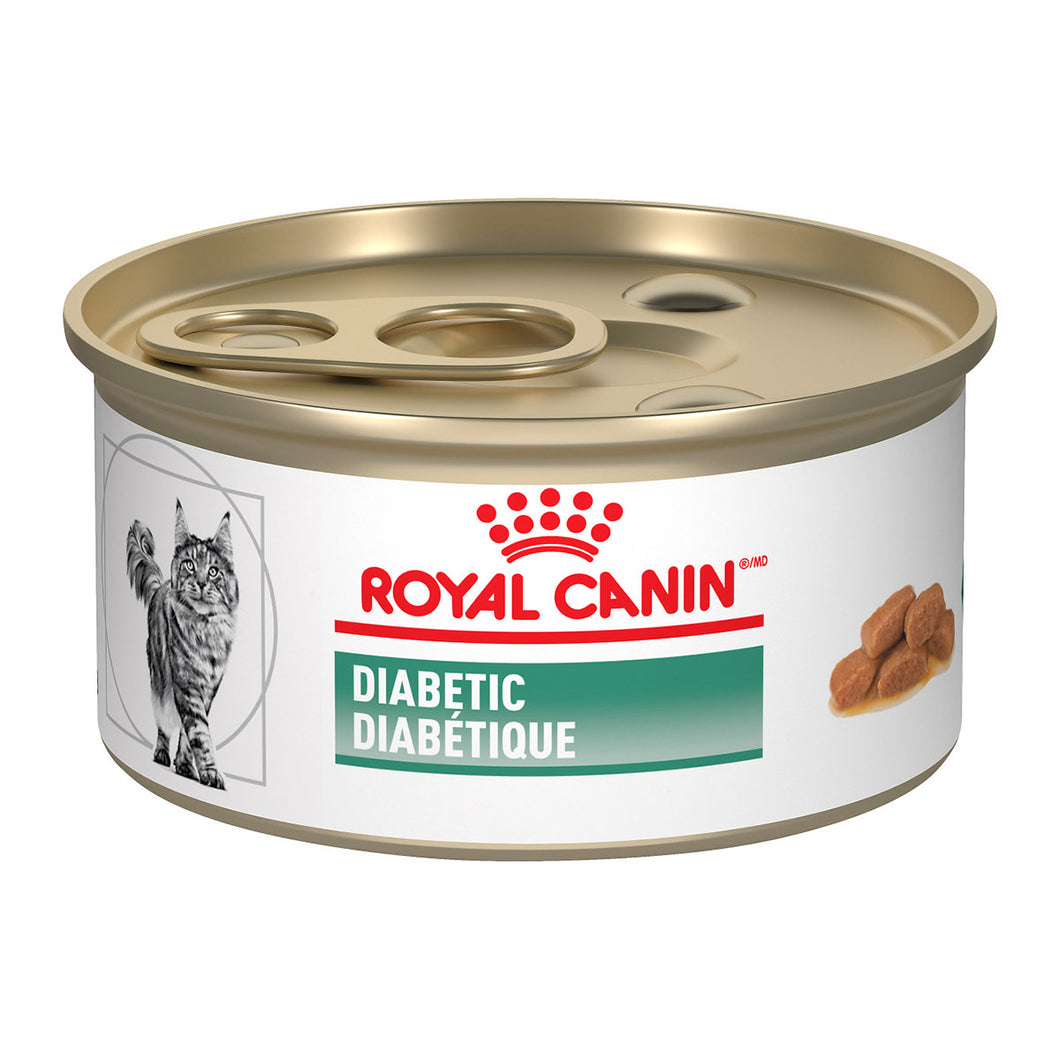
Prescription diets for diabetic cats are tailored to control carbohydrate intake, manage weight, and ensure balanced nutrition. Brands like Hill’s Prescription Diet and Royal Canin offer specialized formulas. They typically include higher protein levels and lower carbohydrates. This helps stabilize blood sugar, which is vital for diabetic cats.
These diets are available in both dry and wet forms. Wet food can be easier for your cat to digest and often contains fewer preservatives. However, dry food can be more convenient for long-term storage. You might find your cat has a preference, making one option more effective than the other.
Effectiveness Of Prescription Diets
Prescription diets can significantly impact your cat’s health. Many pet owners notice improved energy levels and weight management in their diabetic cats. The controlled ingredients help maintain steady glucose levels, reducing the risk of complications.
It’s important to monitor your cat’s response to the diet. Some cats may require adjustments or additional medications. Regular vet check-ups ensure your cat is on the right track. Have you noticed any changes in your cat’s behavior or health since switching to a prescription diet?
Prescription diets can be more costly than standard cat food. However, the potential for better health and fewer vet visits may offset the cost. Consider the long-term benefits and weigh them against your budget. Would the peace of mind knowing your cat is receiving optimal nutrition be worth the investment?
Choosing the right prescription diet involves understanding your cat’s unique needs. Consult with your vet to find the most suitable option. Each cat is different, and what works for one might not work for another. Are you ready to make the switch for a healthier future for your cat?
Credit: www.petco.com
Homemade Food Considerations
Selecting the right cat food for a diabetic cat is crucial. Focus on high-protein, low-carbohydrate options. Homemade meals can offer more control over ingredients. Consult a vet for balanced recipes.
Caring for a diabetic cat can be a challenging journey, especially when it comes to deciding on the right diet. Many cat owners have turned to homemade meals, hoping to provide better nutrition and control over their pet’s health. But is this the right choice for your feline friend? Let’s dive into the considerations for crafting a homemade diet for diabetic cats and how you can make the best choice for your furry companion.Benefits Of Homemade Diet
Creating homemade meals for your diabetic cat offers a number of advantages. First, you have complete control over the ingredients, ensuring your cat gets fresh and high-quality food. This can lead to better blood sugar control, as you can avoid fillers and carbs that are often found in commercial foods. Another benefit is the personalization of your cat’s diet. Every cat is unique, and with homemade food, you can tailor meals to suit your cat’s specific needs and preferences. This can lead to happier mealtimes and potentially better health outcomes. Finally, making your own cat food can be a rewarding experience. Knowing that you are providing the best for your pet can bring peace of mind and a deeper connection with your furry friend. Have you ever considered how much love and care you can pack into a single meal?Recipes For Diabetic Cats
Crafting the perfect meal for a diabetic cat requires careful consideration of ingredients. Here are some simple recipes to get you started: 1. Chicken and Pumpkin Delight: – Ingredients: – 1 cup cooked chicken breast, shredded – ½ cup pure pumpkin puree – 2 tablespoons chicken broth (low sodium) – Instructions: 1. Mix all ingredients in a bowl until well combined. 2. Serve fresh or store in the refrigerator for up to 3 days. 2. Fish and Green Bean Medley: – Ingredients: – 1 cup cooked white fish (like cod or tilapia), flaked – ½ cup steamed green beans, chopped – 1 tablespoon olive oil – Instructions: 1. Combine the fish, green beans, and olive oil in a mixing bowl. 2. Serve immediately or refrigerate for later use. 3. Beef and Spinach Special: – Ingredients: – 1 cup ground beef, cooked and drained – ½ cup steamed spinach, finely chopped – 1 tablespoon flaxseed oil – Instructions: 1. Mix the beef, spinach, and flaxseed oil together. 2. Ensure the meal is at room temperature before serving. When preparing homemade meals, remember to consult with your vet to ensure these recipes meet your cat’s nutritional needs. Tailor the portions to your cat’s size and activity level. Isn’t it amazing how simple adjustments can make a significant difference in your pet’s health?Consulting A Veterinarian
When managing a diabetic cat’s diet, consulting a veterinarian is crucial. Their expertise helps ensure your cat’s health and well-being. A vet can guide you through the complexities of feline diabetes. They offer insights into nutrition needs and suitable food options.
Importance Of Professional Guidance
Professional guidance is vital for diabetic cats. Vets understand the unique needs of diabetic pets. They provide expert advice on dietary choices. This ensures balanced nutrition and blood sugar control. Without guidance, managing diabetes becomes challenging.
Vets have access to the latest research. They can recommend specialized cat foods. These foods often cater specifically to diabetic needs. With a vet’s help, your cat receives proper care. This reduces risks associated with improper diets.
Personalized Diet Plans
Each cat is unique. Personalized diet plans cater to individual needs. Vets consider your cat’s age, weight, and health status. They tailor meal plans to suit these factors.
Customized diets help maintain stable blood sugar levels. They support your cat’s overall health. A personalized approach ensures your cat eats the right foods. This improves quality of life significantly.
Monitoring Your Cat’s Health
Your diabetic cat’s health is a journey, not a destination. It’s essential to keep a close eye on their well-being as they transition to a new diet. Monitoring your cat’s health is crucial to ensure that they are responding positively to dietary changes. This involves understanding what signs to look for and how to adjust their diet based on their health.
Signs Of Improvement
Spotting signs of improvement in your diabetic cat can be truly rewarding. Look for increased energy levels and a more playful demeanor, indicating better blood sugar control.
Improved coat condition and reduced thirst are also positive signs. These changes suggest your cat’s body is responding well to dietary adjustments. Have you noticed a decrease in accidents outside the litter box? This could mean your cat’s glucose levels are stabilizing.
Adjusting Diet Based On Health
Adjusting your cat’s diet based on their health is not a one-time task. It requires ongoing observation and action. If your cat is gaining weight despite eating less, consider reducing carbohydrates further in their diet.
Consult with your vet regularly to tweak your cat’s food choices. They may suggest adding more protein or fiber to aid in digestion and blood sugar management. Are you seeing fluctuating energy levels? You might need to reassess the timing and portion sizes of meals.
Incorporating these strategies can significantly impact your cat’s quality of life. Your commitment to monitoring their health can lead to a happier, healthier feline friend.
Credit: www.businessintelligence-insights.com
Frequently Asked Questions
What Is The Best Food To Feed A Diabetic Cat?
Choose a high-protein, low-carbohydrate diet for your diabetic cat. Wet canned food is often best. Look for grain-free options with balanced nutrients. Consult your veterinarian for specific recommendations tailored to your cat’s needs. Regular monitoring and adjustments can improve your cat’s health.
What Not To Feed A Diabetic Cat?
Avoid feeding a diabetic cat high-carbohydrate foods, sugary treats, and dry kibble. Stick to low-carb, high-protein wet food to help manage blood sugar levels effectively. Always consult your veterinarian for specific dietary recommendations tailored to your cat’s needs.
Is Wet Cat Food Better For Diabetic Cats?
Wet cat food often aids diabetic cats. Its high moisture content supports hydration, while lower carbohydrates help control blood sugar levels. Consult a vet for tailored advice, ensuring the best diet for your cat’s health.
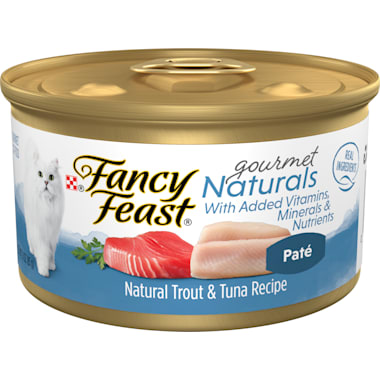
Is Fancy Feast Cat Food Good For A Diabetic Cat?
Fancy Feast cat food is not ideal for diabetic cats due to high carbohydrate content. Consult your vet for better options. Always prioritize low-carb, high-protein diets for managing feline diabetes effectively.
Conclusion
Choosing the right food helps manage your diabetic cat’s health. Focus on low-carb and high-protein options. These control blood sugar levels effectively. Check labels for quality ingredients. Consult your vet for personalized advice. Regular check-ups ensure the diet works well.
Keep your cat hydrated with fresh water. Monitor their weight and energy levels. A balanced diet promotes a happier, healthier life. Your diabetic cat deserves the best care and attention. With the right food, you support their well-being. Stay informed and proactive in their care journey.