What to Do for Ear Mites in Cats: Effective Solutions

Is your feline friend scratching their ears more than usual? If so, ear mites might be the culprits.
These tiny pests can cause big problems for your beloved cat, leading to discomfort and even infection if left untreated. But don’t worry, you can help your kitty find relief with the right steps. Understanding what to do for ear mites in cats can make all the difference in your pet’s comfort and health.
You’ll discover simple, effective ways to identify, treat, and prevent ear mites, ensuring that your cat stays happy and healthy. Ready to give your furry companion the care they deserve? Let’s dive in and explore how you can tackle this issue head-on.

Credit: lbah.com
Identifying Ear Mites
Cats often shake their heads or scratch their ears due to ear mites. These tiny pests cause itchy, uncomfortable ears. Regular cleaning and vet-approved treatments can help eliminate them.
Identifying ear mites in your feline friend is crucial for their health and comfort. These tiny parasites can cause significant discomfort for your cat and, if left untreated, lead to more severe ear problems. Understanding how to identify ear mites early can save your cat from unnecessary pain and you from expensive vet bills. Let’s dive into how you can spot these pesky intruders.Signs And Symptoms
Cats affected by ear mites often exhibit clear signs that are hard to miss. You might notice your cat shaking their head more than usual or scratching their ears intensely. A common symptom is a dark, coffee-ground-like discharge in the ear canals. This discharge is a telltale sign of ear mites and should prompt further investigation. Your cat may also show signs of irritation or discomfort around the ears. If they seem more restless or agitated, ear mites could be the culprit.Visual Inspection
Conducting a visual inspection is a straightforward way to identify ear mites. Gently hold your cat’s head and look inside their ears. Use a flashlight to get a better view if necessary. You’re looking for that characteristic dark discharge and any signs of redness or inflammation. If you notice tiny moving specks, these might be the mites themselves. While the inspection may seem daunting, it’s an essential step in ensuring your cat’s ear health. Taking the time to observe your cat’s behavior and perform a simple ear check can prevent a small problem from escalating. Are you ready to become your cat’s hero by identifying ear mites early? Your furry friend will thank you!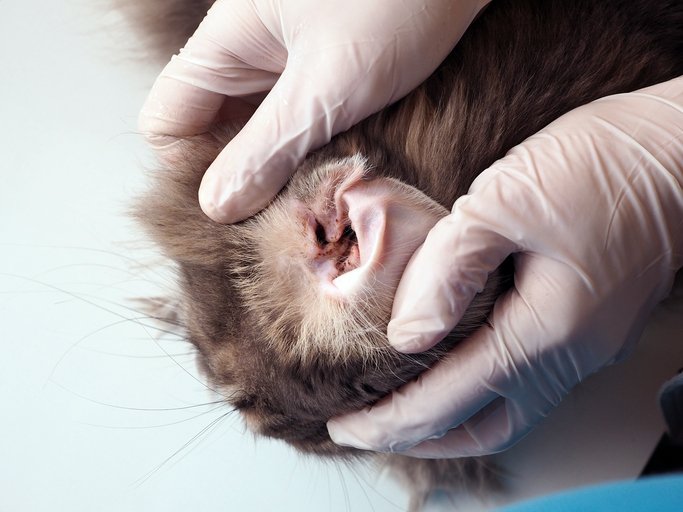
Credit: www.reedanimalhospital.com
Consulting A Veterinarian
Ear mites in cats cause discomfort and itching. Consulting a veterinarian ensures proper diagnosis and treatment. Expert guidance provides relief for your pet’s ears, promoting swift recovery and overall health.
When your cat shows signs of ear mites, it’s essential to consult a veterinarian. Ignoring the problem could lead to severe discomfort or even permanent damage to your cat’s hearing. A veterinarian can provide a clear diagnosis and effective treatment plan. But what happens when you take your cat to the vet?Diagnostic Tests
During your visit, the vet will likely perform diagnostic tests. These tests help confirm the presence of ear mites. The vet might use an otoscope to look inside your cat’s ears and take a sample for microscopic examination. This might sound daunting, but it’s a straightforward process. The goal is to ensure that your cat receives the right treatment. A misdiagnosis could mean ineffective treatment, prolonging your cat’s discomfort.Professional Advice
Once the diagnosis is confirmed, the veterinarian will offer professional advice on treatment options. You might receive a prescription for medicated drops or ointments that target ear mites. It’s crucial to follow the vet’s instructions precisely. Incomplete treatment could lead to a resurgence of the mites. Have you ever wondered what might happen if you miss a dose or stop treatment too early? Professional advice doesn’t stop at medication. Vets often provide tips on cleaning your cat’s ears and preventing future infestations. These insights can be invaluable. They ensure your cat’s comfort and long-term health. Remember, consulting a veterinarian isn’t just about solving a current problem. It’s about ensuring your cat’s well-being and preventing future issues. So, when was the last time you took your furry friend for a check-up?Treatment Options
Ear mites can cause discomfort for your cat. These tiny pests need proper treatment. Various options help get rid of them effectively. Each treatment method offers unique benefits. Choose one that suits your cat’s needs. Explore these options with your veterinarian.
Topical Treatments
Topical treatments are easy to apply. They work directly on the affected area. These medicines come in ointment or drop form. Apply them to your cat’s ears as directed. They kill mites on contact. These treatments provide relief quickly. Consult your vet for the best topical solution.
Oral Medications
Oral medications offer another solution. They work from inside your cat’s body. These medicines target mites effectively. Your veterinarian will prescribe the right dosage. Oral treatments are easy to administer. They ensure your pet receives full coverage. Follow your vet’s instructions carefully.
Natural Remedies
Natural remedies appeal to many pet owners. They use common household items. Olive oil is a popular choice. It can suffocate mites and soothe the ears. Apply a few drops to the ear canal. Repeat this process for several days. Always monitor your cat for any reactions.
Preventive Measures
Ear mites in cats are a common issue. Prevention can save your cat from discomfort. Implementing regular preventive measures is crucial. These steps will help maintain your cat’s ear health. They reduce the risk of ear mite infestations.
Regular Cleaning
Clean your cat’s ears weekly. Use a vet-recommended solution. This removes dirt and wax build-up. It creates an environment where mites find it hard to thrive. Gently wipe the outer ear using cotton balls. Avoid pushing debris deeper into the ear canal.
Routine Veterinary Checkups
Schedule regular vet visits. They help detect early signs of ear mites. Vets can offer tailored advice for your cat’s ear care. Professional checkups ensure your cat’s ears are healthy. Early detection prevents severe infestations. Discuss preventive treatments with your vet.
Home Care Tips
Dealing with ear mites in cats can be challenging for many pet owners. While professional treatment is crucial, effective home care can support recovery. This guide provides simple tips to care for your cat at home. These methods ensure comfort and track progress.
Comfort And Support
Ensure your cat’s environment is calm and quiet. Noise can stress your cat, slowing recovery. Provide a soft, cozy bed for relaxation. Regularly clean their sleeping area to prevent reinfestation. Gentle petting can soothe your cat. Avoid touching their ears directly. Offer treats or toys to distract them. This keeps your cat engaged and happy.
Monitoring Progress
Observe your cat’s ears daily. Look for signs of improvement. Less scratching indicates healing. Check for redness or swelling. These may signal persistent issues. Keep a journal of symptoms. Note any changes in behavior. Regular updates help track recovery. Consult a vet if symptoms worsen. Early intervention can prevent complications.
Potential Complications
Ear mites in cats can lead to infections and hearing loss if untreated. Regular vet check-ups prevent complications. Home remedies are not recommended without professional advice.
Ear mites in cats are more than a minor annoyance. Left untreated, they can lead to serious problems. These complications can cause discomfort and health issues for your feline friend. Understanding the potential complications helps in taking prompt action.Secondary Infections
Ear mites cause cats to scratch and shake their heads. This can lead to wounds and inflammation. Open wounds can get infected easily. Bacteria and yeast thrive in the moist environment of the ear. These infections can cause pus, foul odor, and severe pain. You might notice your cat acting irritable or distressed. A vet visit is crucial to treat these infections. They may prescribe antibiotics or antifungal medications. Early treatment prevents these infections from worsening.Chronic Ear Issues
Chronic ear problems can develop from untreated mite infestations. The constant irritation can thicken and scar the ear canal. This can lead to long-term hearing problems for your cat. Persistent inflammation may cause polyps or growths in the ear. These growths can block the ear canal. Chronic issues may require ongoing medical attention. Regular check-ups ensure any chronic issues are managed effectively. Keeping your cat’s ears clean helps prevent such complications. `
Credit: www.broglilaneweaver.com
Frequently Asked Questions
How To Treat Ear Mites In Cats At Home?
Clean your cat’s ears gently with a vet-approved solution. Apply ear mite medication as directed by your vet. Ensure your cat’s bedding and surroundings are clean to prevent re-infestation. Regularly check your cat’s ears for signs of mites. Consult your vet for persistent issues.
Do Ear Mites In Cats Go Away On Their Own?
Ear mites in cats usually do not go away on their own. They require veterinary treatment to eliminate. Left untreated, they can cause infections or other complications. Early diagnosis and treatment are crucial for your cat’s health. Always consult a veterinarian for proper diagnosis and treatment options.
How Do Cats Get Ear Mites?
Cats typically get ear mites through contact with infected animals. The mites are microscopic parasites that thrive in a cat’s ear canal. Outdoor cats are more susceptible due to increased exposure. Regular vet check-ups can help detect and treat infestations early, preventing discomfort and complications for your pet.
What Are The Symptoms Of Ear Mites In Cats?
Common symptoms include excessive scratching, head shaking, and dark ear discharge. Cats may also experience irritation and inflammation in the ear area. If you notice these signs, consult a veterinarian for diagnosis and treatment. Early intervention can prevent further discomfort and potential ear damage.
Conclusion
Caring for your cat’s ears is important. Ear mites can cause discomfort. Regular checks and cleaning help prevent issues. Look out for scratching or head shaking. These signs may indicate mites. Consult your vet for proper treatment. They can recommend the right medication.
Consistent care keeps your cat healthy. Remember, clean ears mean a happy cat. Stay attentive to their needs. Your furry friend will thank you. By following these steps, you ensure comfort and health. Prevention and early action are key. Keep your cat’s ears mite-free and healthy.

Similar Posts