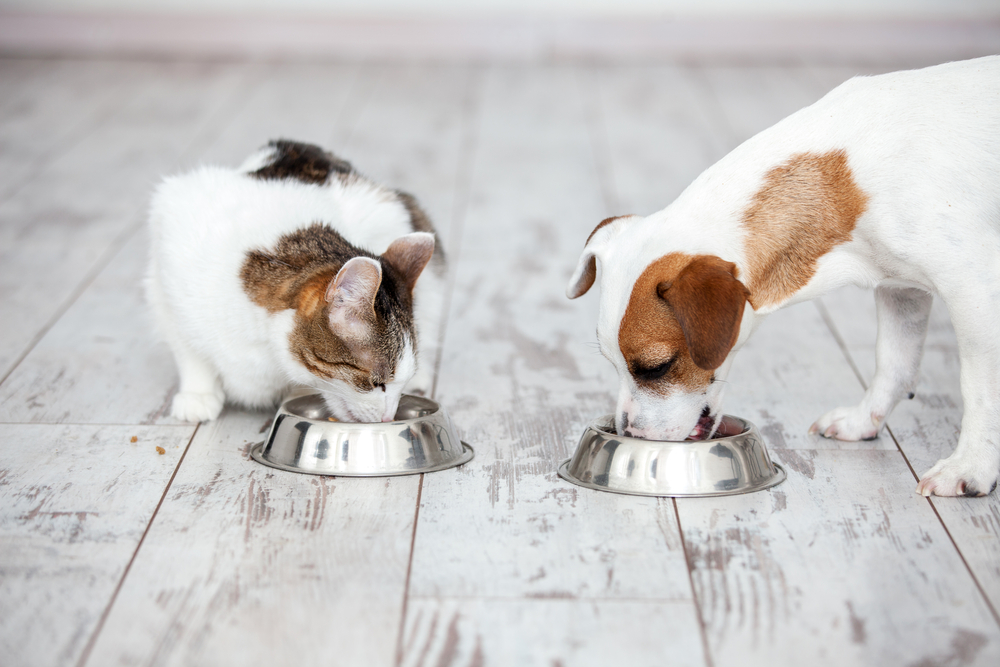
You’ve probably wondered, “Can my dog eat cat food?” It’s a question that pops up in many pet-loving households, especially when your curious canine eyes the cat’s dish with interest.
You care about your pets’ health and want to make sure they’re eating what’s best for them. Yet, when faced with eager eyes and wagging tails, it can be tempting to just give in. Before you decide, it’s important to know how cat food affects your dog’s health.
This article will reveal everything you need to know about the differences between cat and dog food. You’ll discover why it’s crucial to keep these two foods separate and how it can impact your dog’s well-being. Keep reading to ensure you’re making the right dietary choices for your furry friend.
Nutritional Differences
Dogs and cats have different nutritional needs. Cat food often contains more protein and fat, which isn’t ideal for dogs. Feeding dogs cat food occasionally may not harm them, but it’s not recommended as a regular diet.
When it comes to feeding your furry friends, you might wonder if it’s okay for your dog to nibble on cat food. Understanding the nutritional differences between dog and cat food is crucial for ensuring your pet’s health. Dogs and cats have distinct dietary needs, and feeding them the wrong food can lead to nutritional imbalances or health issues. Let’s dive into the specifics of what makes dog food different from cat food.Key Nutrients In Dog Food
Dog food is designed to provide a balanced diet with specific nutrients dogs need. Protein is a major component, but not as high as in cat food. Dogs also require carbohydrates for energy, which are often derived from grains or vegetables. Unlike cats, dogs can synthesize certain nutrients, like vitamin A, from plant sources. So, their food often contains a variety of fruits and vegetables. Fats in dog food are crucial for energy and keeping their coat shiny. Omega-3 and omega-6 fatty acids are commonly included for this purpose.Essential Nutrients In Cat Food
Cats are obligate carnivores, meaning they must eat meat to meet their nutritional needs. Protein levels in cat food are significantly higher than in dog food. This is because cats need more protein to maintain their muscle mass and energy levels. Taurine, an amino acid, is vital for cats, as they can’t produce it naturally. Cat food is fortified with taurine to prevent deficiencies that could lead to heart problems. Vitamin A is another critical nutrient in cat food. Unlike dogs, cats cannot convert beta-carotene from plants into vitamin A. So, they rely on animal-derived vitamin A found in their food. Have you noticed your dog sneaking a bite of your cat’s food? While it might seem harmless, regular consumption could lead to nutritional imbalance. Dogs don’t need the high protein and fat levels present in cat food. Over time, this could lead to obesity or other health issues. Ensuring your pets get the right food tailored to their needs is essential. It not only supports their health but also keeps them active and happy. So, next time you see your dog eyeing your cat’s food, remember the importance of their unique nutritional requirements. Have you ever caught your pet munching on the wrong food? What steps did you take to ensure they got the right nutrients? Share your experiences and insights in the comments!Health Implications
Have you ever caught your dog sneaking a bite from the cat’s food bowl? It’s a common scenario in pet-friendly households, but is it safe? Understanding the health implications of feeding your dog cat food is crucial. While it might seem harmless, there are specific risks and benefits that you should be aware of.
Potential Risks For Dogs
Cat food is designed with a different nutritional balance than dog food. It often contains higher protein and fat levels, which can be challenging for dogs to digest. Over time, this imbalance can lead to obesity or pancreatitis.
Imagine your dog gaining weight without you realizing why. The extra fat content in cat food might be the culprit. Additionally, the high protein can strain your dog’s kidneys, especially if they have pre-existing health conditions.
Ask yourself: Is a temporary taste worth a long-term health issue? You might think it’s just a one-time snack, but repeated consumption could cause serious health challenges.
Benefits And Drawbacks
While cat food is not ideal, it can be tempting to use it in emergencies. If you run out of dog food, a small amount of cat food can serve as a temporary fix. However, it’s not a sustainable solution.
On the plus side, cat food’s richer taste might entice picky eaters. But, remember, its appeal doesn’t make it suitable for regular meals. Your dog’s nutritional needs are different and require specific care.
Consider whether the ease of feeding cat food outweighs potential health risks. Would you want your dog to suffer from digestive issues just because you didn’t plan ahead?
Ultimately, your dog’s health is in your hands. Making informed choices about their diet can prevent unexpected health problems down the line. Is it worth the risk? You decide.
Behavioral Factors
Dogs may show interest in cat food due to smell and texture. Curiosity and territorial instincts can drive this behavior. While occasional consumption isn’t harmful, cat food lacks nutrients dogs need, potentially causing health issues.
Behavioral Factors Understanding why dogs might occasionally prefer cat food over their own can shed light on some interesting behavioral factors. Dogs are curious creatures, often driven by their senses and surroundings. This curiosity sometimes leads them to explore, and even taste, the food meant for their feline friends.Why Dogs Might Prefer Cat Food
Have you ever noticed your dog hovering near the cat’s bowl, eyes wide with interest? The intense aroma of cat food can be quite enticing for dogs. Cat food typically contains more protein and fat, which creates a richer scent. Dogs are naturally drawn to strong smells. This allure might make them choose a bowl of cat food if given the chance. Dogs can also be attracted to the novelty of something different. If a dog’s routine diet is bland, the unique taste of cat food might be a delightful change.Habitual Eating Patterns
Dogs, like humans, can develop habits based on past experiences. If a dog has tasted cat food once, they might remember the flavor and seek it out again. This can become a pattern if not monitored. Consider your dog’s daily routine. Do they often have access to the cat’s food area? If so, they might have formed a habit of sneaking bites. Observing your dog’s behavior can help you recognize these patterns. Are they eagerly waiting near the cat’s feeding time? This might indicate a learned behavior that needs to be addressed. By understanding the behavioral factors at play, you can better manage your dog’s eating habits. Are you paying attention to what your furry friend is really craving?
Credit: www.usatoday.com
Veterinary Insights
Many pet owners wonder if dogs can eat cat food. Understanding this requires insights from veterinary experts. Dogs and cats have different dietary needs. Cat food contains nutrients tailored for feline health. Dogs may enjoy the taste, but it might not be safe.
Veterinarians can offer guidance. They assess the nutritional differences. This helps pet owners make informed decisions.
Expert Opinions
Veterinary experts agree that cat food isn’t ideal for dogs. Dogs require more carbohydrates. Cat food is higher in protein and fat. This imbalance can cause health issues in dogs.
Dr. Lisa Thompson, a renowned veterinarian, notes that occasional consumption might not harm healthy dogs. But regular intake could lead to digestive problems. She suggests consulting a vet before allowing dogs to eat cat food.
Case Studies And Observations
Several case studies highlight the risks. One study observed dogs that ate cat food regularly. These dogs showed signs of nutrient deficiency. Fatigue and weight loss were common symptoms.
Veterinary observations indicate digestive distress in some dogs. Vomiting and diarrhea occurred in sensitive canines. Experts recommend monitoring any changes in behavior or health.
Real-life experiences from pet owners also provide insights. Some noticed their dogs became lethargic after eating cat food. Others reported improved energy when switching back to dog food.
Safe Feeding Practices
Understanding the dietary needs of dogs and cats is essential for pet owners. Feeding practices play a critical role in ensuring pets stay healthy. Many wonder if dogs can eat cat food safely. While it might be tempting, it’s crucial to follow safe feeding guidelines. This ensures your furry friends get the nutrition they need.
Balancing Diets
Dogs and cats have different nutritional needs. Cats require more protein and fat compared to dogs. Their diet is rich in taurine, which dogs can produce naturally. Feeding dogs cat food occasionally might not harm them. Regular feeding can cause nutritional imbalances. It can lead to health issues over time. Ensure your dog’s diet is balanced. Include proteins, carbohydrates, and fats suited for dogs.
Transitioning Between Foods
Switching between dog and cat food requires caution. Sudden changes can upset a dog’s stomach. Gradual transition is recommended. Start by mixing a small amount of cat food with dog food. Increase the cat food gradually over several days. Monitor your dog’s reaction closely. Look for signs of discomfort or allergies. This method helps avoid digestive issues.
:strip_icc()/GettyImages-1137504605-4ea3ceec185f4d1e9dc39fb71f8ae04c.jpg)
Credit: www.fireline.com
Alternative Solutions
Dogs might nibble on cat food, but it’s not ideal for their health. Nutritional needs differ between cats and dogs. Offering a balanced diet tailored for each pet ensures their well-being and happiness.
When your dog shows interest in the cat’s food, it might be tempting to let them share a meal. However, cat food isn’t suitable for dogs due to its higher fat and protein content. So, what can you do instead? There are several alternative solutions to ensure your dog gets the nutrition they need without causing any harm. Let’s dive into some practical options that will keep both your furry friends happy and healthy.Homemade Diet Options
Creating a homemade diet for your dog can be a rewarding experience. It gives you control over every ingredient and ensures your pet’s nutritional needs are met. You might start by cooking lean meats like chicken or turkey and pairing them with cooked vegetables such as carrots and peas. Consider including rice or sweet potatoes for carbohydrates. These ingredients are not only healthy but also usually well-received by dogs. Remember, it’s crucial to consult with a veterinarian to ensure your homemade diet includes all necessary nutrients.Specialized Pet Foods
Pet food stores offer a variety of specialized dog foods that cater to specific dietary needs. If your dog has a penchant for cat food, try finding a dog food that mimics those flavors. Look for labels that indicate high protein content but are still balanced for canine health. There are also formulas for dogs with specific health concerns, like allergies or sensitive stomachs. Exploring these options can lead you to a food that satisfies your dog’s taste buds while maintaining their health. Have you ever tried switching to a different brand or type to see if your dog prefers it? By exploring these alternative solutions, you can ensure your dog enjoys meals that are both delicious and nutritious. Remember, keeping your pets’ diets separate is beneficial for their health. What changes will you make to keep your dog away from the cat’s bowl?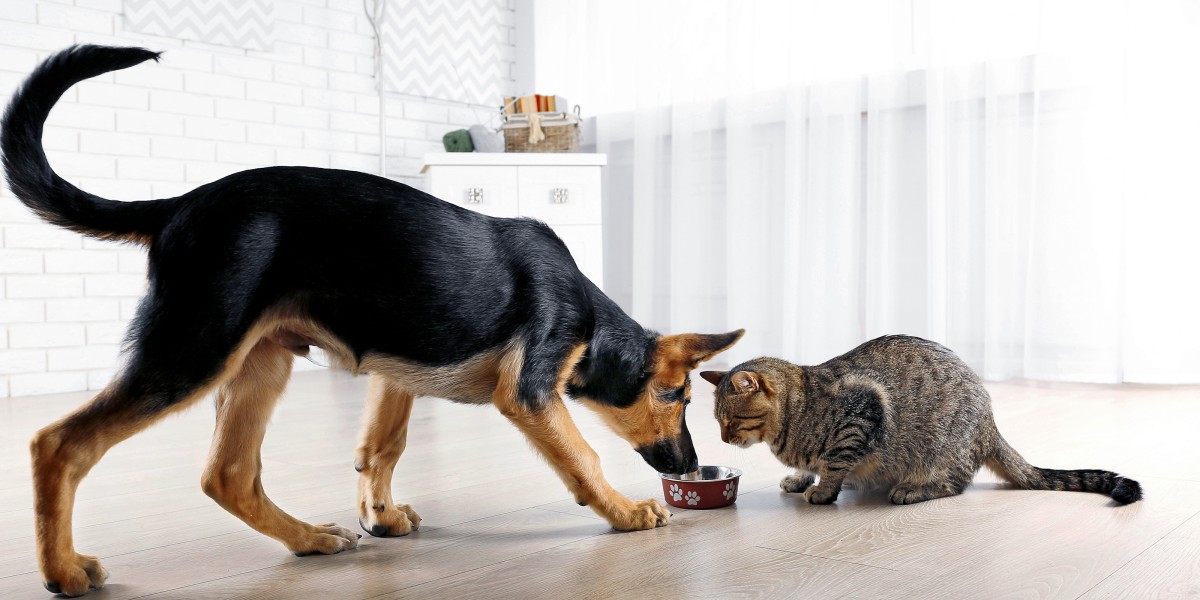
Credit: www.purina.com
Frequently Asked Questions
What Happens If My Dog Eats Cat Food?
Dogs eating cat food occasionally isn’t harmful. Cat food is high in protein and fat, potentially causing digestive issues or obesity. Consult a vet if your dog regularly consumes cat food or shows adverse symptoms. Ensure dogs eat balanced diets designed for them.
Can You Feed Cat Food To A Dog?
Feeding cat food to a dog is not recommended. Cat food lacks nutrients that dogs need. It can lead to health issues, including digestive problems and nutrient deficiencies. Dogs require a diet specifically formulated for their nutritional needs to stay healthy and active.
Always provide dog-specific food for optimal health.
What Happens If My Dog Eats A Cat?
If your dog eats a cat, contact a veterinarian immediately for advice. It may cause digestive issues or infections. Monitor your dog’s behavior for any signs of distress or unusual symptoms. Always keep animals safe and separated to prevent such incidents.
Is It Good For Dogs To Eat Dry Cat Food?
Dogs should not eat dry cat food regularly. Cat food lacks essential nutrients for dogs. It can lead to digestive issues and malnutrition. Dog-specific food is crucial for their health. Occasionally eating cat food isn’t harmful, but it’s not recommended as a staple.
Always choose food designed for dogs.
Conclusion
Feeding your dog cat food occasionally won’t harm them. Dogs and cats have different dietary needs. Regularly giving dog cat food can cause health issues. Dogs need more protein and specific nutrients. Cat food lacks these. Always consult your vet for advice.
Ensure your dog gets balanced meals. Proper nutrition supports health and energy. Avoid using cat food as a dog’s main diet. Choose dog food for their specific needs. Understanding these differences helps maintain your pet’s health. Keep both your dog and cat happy and healthy.