How Can You Stop a Cat from Scratching the Furniture: Proven Tips
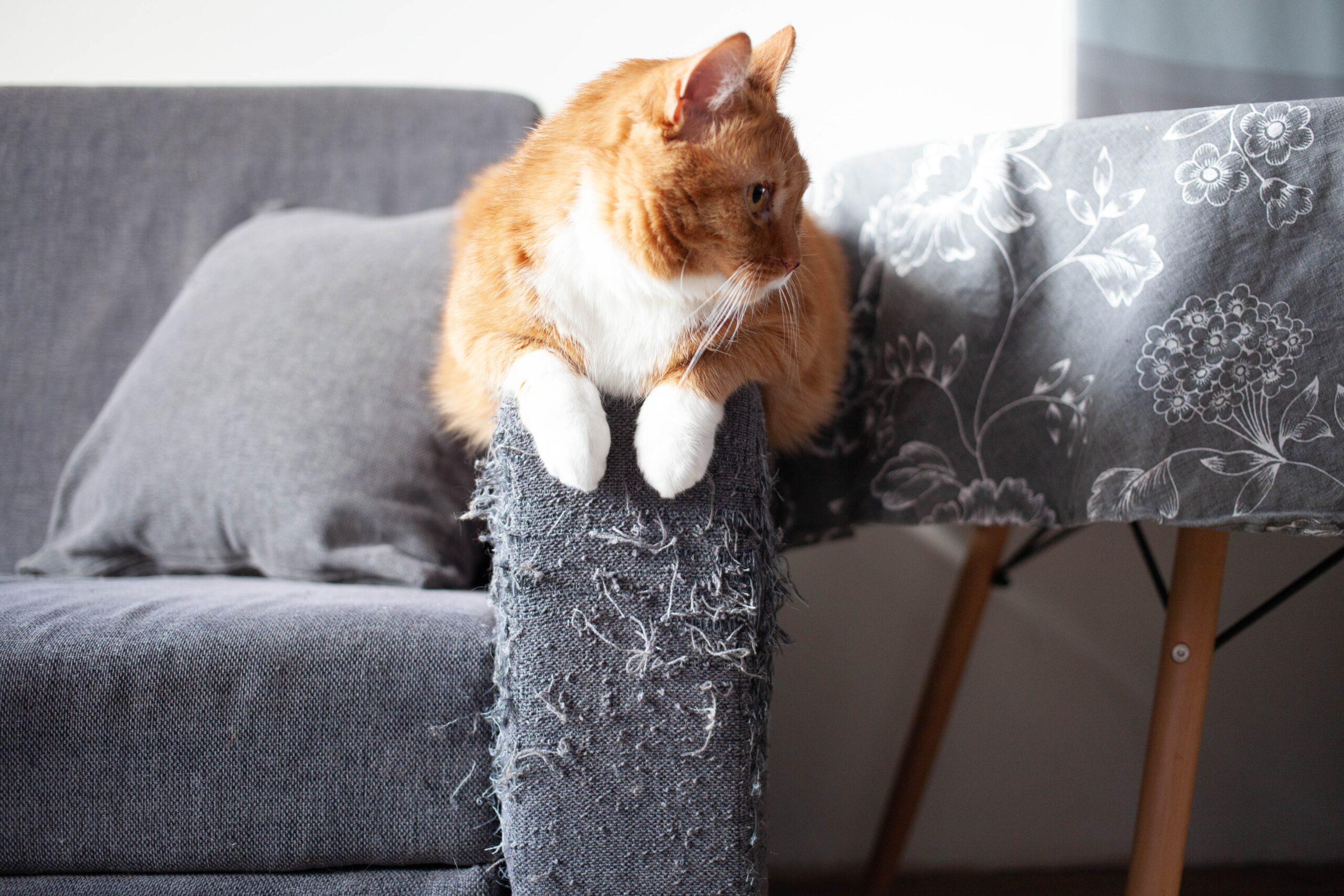
Are you tired of finding your beloved couch in tatters, courtesy of your feline friend? Scratching is a natural behavior for cats, but it can turn your home into a battleground if left unchecked.
You’re not alone in this struggle; countless cat owners face the same challenge. The good news is, there are effective ways to redirect your cat’s clawing instincts away from your furniture. Imagine a home where your furniture remains pristine, and your cat is happy and healthy.
Intrigued? Keep reading to discover simple strategies to save your furniture and keep your kitty content.
Understanding Cat Behavior
Understanding why your cat scratches furniture is crucial in addressing this common issue. Cats have natural instincts that drive their behavior, and scratching is a significant part of it. By delving into their behavior, you’ll gain insights into how to effectively redirect their actions.
Why Cats Scratch
Cats scratch for several reasons, and it’s not just to annoy you. Scratching helps cats mark their territory, both visually and through scent glands in their paws. It’s a fundamental way for them to communicate with other animals.
Scratching also helps cats keep their claws sharp and healthy. By removing dead nail layers, they maintain their claws in top condition. It’s essentially a grooming activity that they instinctively perform.
Moreover, scratching allows cats to stretch their bodies and flex their feet and claws. Think of it as a feline workout routine. It’s essential for their physical health and well-being.
Natural Instincts And Needs
Understanding your cat’s natural instincts is key to managing their scratching behavior. Cats are predators by nature, and their claws are vital tools for hunting and defense. Even domesticated cats retain these instincts, leading them to scratch instinctively.
Instead of viewing scratching as a bad habit, consider it a natural need that requires a suitable outlet. Offering alternatives like scratching posts or boards can satisfy this need without compromising your furniture. Cats are more likely to use these alternatives if they are appealing and strategically placed around your home.
Have you ever noticed your cat scratching right after a nap? This behavior is linked to their instinctual need to stretch and prepare for activity. Providing a nearby scratching post can redirect this instinct to a more appropriate spot.
Your understanding and patience can make a difference in managing your cat’s scratching habits. By aligning your solutions with their natural behaviors, you create a more harmonious living environment. Are you ready to work with your cat’s instincts rather than against them?

Credit: www.washingtonpost.com
Effective Deterrents
Prevent cats from scratching furniture by using effective deterrents like scratching posts and furniture covers. Spray cat-safe repellents on surfaces. Encourage positive behavior with treats when using approved scratch areas.
Cats are adorable companions, but their instinct to scratch can sometimes clash with your desire for well-kept furniture. You might find yourself asking, how can I stop my cat from turning my sofa into a scratching post? Fortunately, there are effective deterrents that can help redirect this behavior without compromising your cat’s need to scratch. Let’s dive into some practical solutions.Using Scratch-resistant Materials
One of the simplest ways to protect your furniture is by using scratch-resistant materials. These fabrics are designed to withstand the sharp claws of your feline friend, reducing the risk of damage. Consider switching to tightly woven materials like microfiber or leather. They are less appealing for scratching and can withstand a cat’s playful attacks. You might also use slipcovers for added protection. They are easy to replace and can save your furniture from unsightly scratches.Applying Safe Repellents
Safe repellents can deter your cat from scratching furniture without harming them. These products can be found in pet stores and are easy to apply. Try using sprays with natural ingredients that cats dislike, such as citrus or lavender. Their scents can discourage scratching while leaving your home smelling pleasant. Consider sticky tape as a physical deterrent. Cats generally dislike the sensation, and it can teach them to stay away from specific areas. Have you ever considered using aluminum foil? Its crinkly texture and noise can be a surprising yet effective way to keep cats off your prized possessions. Do these methods resonate with your experience? Are there other creative solutions you’ve tried? Your journey to a scratch-free home can be both fun and rewarding.Providing Alternatives
Offer a scratching post to divert your cat’s attention from furniture. Place it near their favorite scratching spots. Use catnip to make the post more attractive.
Cats are natural scratchers, and while it’s a behavior that’s essential for their well-being, it can wreak havoc on your furniture. The key to protecting your precious couch lies in providing alternatives. By understanding your cat’s needs and preferences, you can redirect this instinctive behavior to more suitable surfaces.Choosing The Right Scratching Post
Selecting the perfect scratching post is crucial. Consider your cat’s size and scratching style. Tall posts are ideal for cats who like to stretch out fully. If your cat prefers horizontal scratching, a flat scratching pad might be more suitable. Texture matters too. Some cats love sisal, while others prefer carpet or cardboard. Observe your cat’s habits and test different materials to find the one they favor. Remember, a sturdy post is non-negotiable. If it wobbles, your cat won’t use it. Invest in a stable option to ensure it withstands their enthusiastic clawing.Placement And Encouragement
Location is everything. Place the scratching post where your cat spends most of their time, like near their favorite nap spot or in a common area. This makes it convenient for them to use. Encourage your cat by engaging them with the post. Use catnip to lure them in or demonstrate the scratching motion yourself. Praise them when they use it, reinforcing positive behavior. Think about your cat’s current furniture targets. Placing a scratching post near that chair or couch can help redirect their attention. Wouldn’t you rather have them claw a designated post than your brand-new sofa? Providing alternatives is not just about protecting your home; it’s about understanding and meeting your cat’s natural needs. Take the time to invest in the right tools and see the difference it makes in preserving your furniture and keeping your feline friend happy.Training Techniques
Cats can be trained to stop scratching furniture by using alternatives like scratching posts. Reward positive behavior to encourage use. Protect furniture with covers and use deterrents like sprays to discourage scratching.
Training your cat to stop scratching the furniture might seem challenging, but with the right techniques, you can achieve a peaceful home environment. Cats scratch to mark territory, stretch their bodies, and maintain their claws. Instead of viewing this as a problem, consider it a chance to teach your cat new habits. Let’s dive into some practical training techniques that can make a significant difference.Positive Reinforcement
Reward your cat when it scratches appropriate items like scratching posts. Offer treats, petting, or verbal praise immediately after they use the post. This will help your cat associate the scratching post with positive experiences. Consistency is key. If you only sometimes reward your cat, they may get confused. Keep treats nearby so you’re always ready to reinforce good behavior. Have you ever noticed how your cat purrs louder when you praise them? Use this to your advantage. Cats respond well to affection, making it a powerful training tool.Redirecting Scratching Behavior
Provide your cat with a variety of scratching posts and pads. This gives them options and helps prevent boredom. If one doesn’t work, try different textures or positions. Place scratching posts near the furniture your cat likes to scratch. This encourages them to use the post instead of your couch. Gradually move the post to a more convenient location once they develop the habit. If your cat starts scratching the furniture, gently redirect them to the scratching post. A simple clap or soft spray of water can deter them without causing fear. Over time, your cat will learn which items are off-limits. Think about your own habits. How did you train yourself to avoid certain behaviors? The same patience and consistency apply to training your feline friend. What techniques have you tried with your cat? Share your experiences in the comments below. Your insights might just help another cat owner find the perfect solution.Protecting Your Furniture
Have you ever walked into your living room only to find your cat treating your favorite couch like its personal scratching post? It’s a common problem, but don’t worry—there are ways to protect your furniture without compromising your cat’s happiness. Keep reading to discover practical strategies to keep your home looking great while keeping your feline friend entertained.
Covers And Guards
One simple solution is to use covers and guards. These are specially designed products that act as barriers between your cat’s claws and your furniture. Think of them as armor for your couch and chairs.
Furniture covers can be stylish and functional. Choose durable materials like denim or canvas to withstand scratching. Consider colors that match your décor to keep your home looking cohesive.
Plastic guards are easy to install and typically transparent, so they won’t disrupt your room’s aesthetic. They attach directly to the furniture, providing a layer your cat can’t penetrate.
Have you tried using double-sided tape on your furniture? It’s less conventional, but many cats hate the sticky texture. This can deter them from attacking your sofa.
Strategic Furniture Arrangement
Consider rearranging your furniture to create a less tempting environment for your cat. If your cat loves to scratch the couch, try moving it away from their favorite spots.
Place furniture that your cat tends to scratch in less accessible areas. This might involve moving the couch away from windows or doors where your cat spends most of their time.
Think about creating an alternate path for your cat. Arrange furniture so they have to walk around rather than directly past your prized possessions.
Are you using your furniture as barriers? Position tall items like bookshelves or plants to block direct access to your cat’s scratching zone.
Reflect on your space’s layout. Could a few changes make it less appealing for your cat to scratch? You might be surprised at how effective this can be.
Ultimately, understanding why your cat scratches and adapting your home to meet both your needs can lead to a peaceful coexistence. What strategies have you tried to protect your furniture? Share your experiences below!
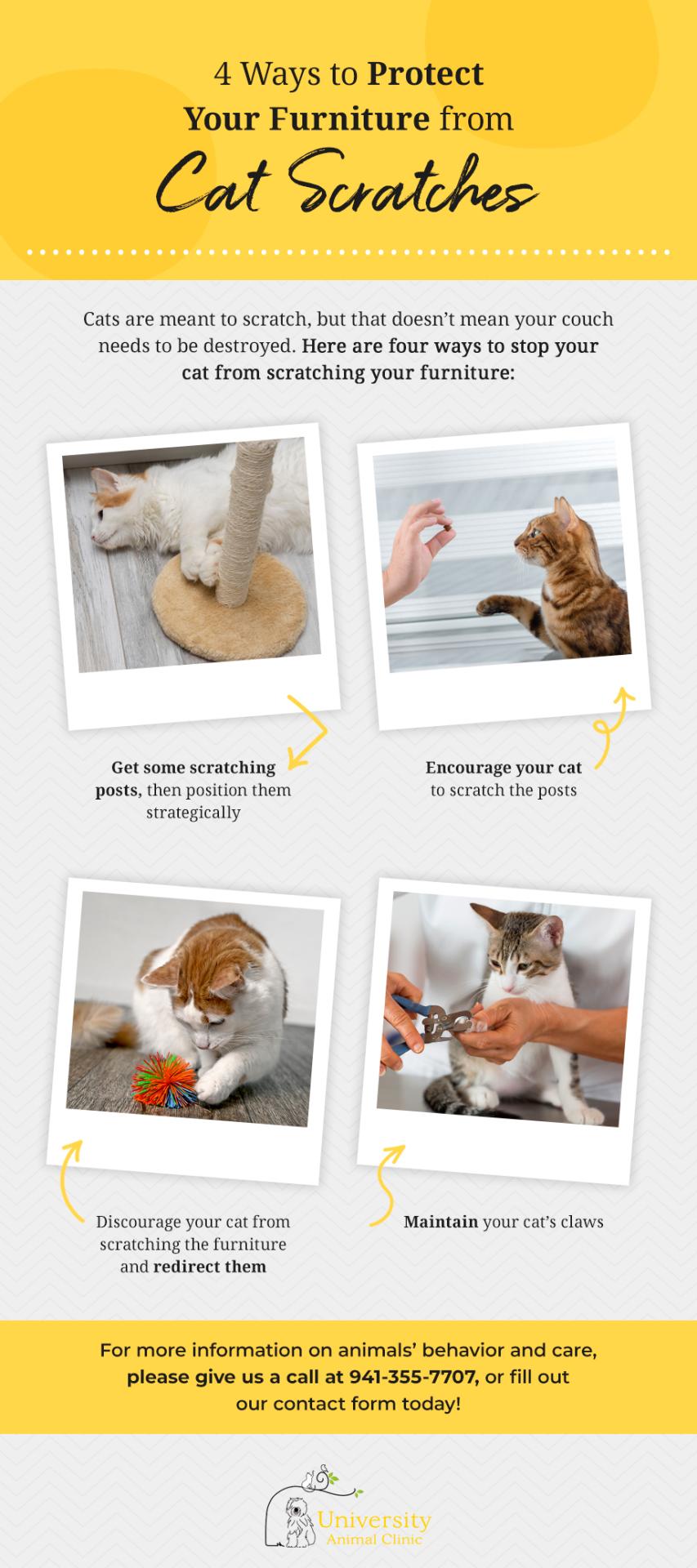
Credit: www.theuniversityanimalclinic.com
Addressing Stress And Anxiety
Preventing cats from scratching furniture involves understanding their behavior. Providing scratching posts can satisfy their natural urge. Use coverings to protect furniture and redirect their attention.
Addressing stress and anxiety in cats is crucial to prevent them from scratching your furniture. While your feline friend might seem independent, they can be quite sensitive to changes in their environment. By identifying stressors and creating a calm environment, you can help alleviate their anxiety and protect your beloved couch.Identifying Stressors
Cats are creatures of habit. A new piece of furniture, a change in routine, or even a new family member can be stressful for them. Pay attention to your cat’s behavior. Have they been hiding more often or meowing excessively? These could be signs of stress. A few years ago, I noticed my cat, Whiskers, scratching the armchair more than usual. After some observation, I realized it coincided with my new work schedule. Identifying this helped me understand his behavior.Creating A Calm Environment
Once you’ve identified potential stressors, it’s time to create a soothing atmosphere. Consider setting up a dedicated space for your cat, like a cozy corner with their favorite blanket and toys. This gives them a safe retreat. Use calming aids, like pheromone sprays or diffusers, to help ease their anxiety. I found that playing soft classical music during the day helped Whiskers relax. Ever thought about how your cat might feel? Their environment plays a huge role in their emotional well-being. By making a few adjustments, you can ensure they’re not only happy but also less likely to scratch your furniture. Taking these steps not only reduces unwanted scratching but also strengthens the bond between you and your furry companion. After all, a calm cat is a content cat.Consulting A Veterinarian
Scratching is a natural behavior for cats, but when it turns destructive, it can be incredibly frustrating. If your cat’s scratching habits are causing chaos in your home, it might be time to consider consulting a veterinarian. Veterinarians can offer insights into your cat’s behavior and suggest solutions that you might not have thought of.
When To Seek Professional Help
Have you tried every trick in the book to stop your cat from scratching the furniture, but nothing seems to work? This might be a sign that it’s time to seek professional help. If your cat is scratching excessively or seems agitated, a vet visit can help identify underlying issues.
Sometimes, scratching can be a symptom of stress or anxiety. A vet can help determine if your cat’s behavior is due to a medical issue or behavioral problem. Don’t wait until your favorite chair is in shreds; getting advice early can save you both time and money.
Medical Interventions
Did you know that there could be medical reasons for your cat’s scratching? Cats might scratch more if they’re dealing with skin conditions or allergies. A veterinarian can examine your cat and prescribe treatments to relieve these issues.
In some cases, vets might recommend soft nail caps or even a temporary medication to reduce anxiety. While these interventions might sound extreme, they can be very effective in combination with behavioral modifications. It’s essential to address the root cause rather than just treating the symptoms.
So, what should you do next? Schedule a vet appointment if your cat’s scratching seems out of control. A vet’s guidance can be invaluable in developing a strategy that keeps your cat happy and your furniture intact.

Credit: www.wb-iisg.com
Frequently Asked Questions
What Is The Best Way To Stop Cats From Clawing Furniture?
Provide scratching posts near furniture to redirect your cat’s attention. Use deterrent sprays on furniture. Trim your cat’s nails regularly. Offer toys and engage your cat in interactive play. Cover furniture with protective materials like slipcovers or double-sided tape to discourage scratching.
What Can I Spray On My Furniture To Keep Cats From Scratching?
Use a citrus-based spray or a commercial cat deterrent spray to prevent cats from scratching furniture. Cats dislike the scent of citrus, making it an effective solution. Test a small area first to ensure it doesn’t damage the material. Regularly reapply for best results.
How To Punish A Cat For Scratching A Couch?
Redirect your cat’s attention to a scratching post. Reward them when they use it. Use double-sided tape on the couch to deter scratching. Never use physical punishment; it can cause fear and anxiety. Regularly trim your cat’s nails to minimize damage.
Consistent training ensures better behavior over time.
Can I Train A Cat Not To Scratch?
Yes, you can train a cat not to scratch. Use positive reinforcement like treats and toys. Provide scratching posts as alternatives. Consistency and patience are key. Redirect their attention when they start scratching furniture. Avoid punishment, as it can lead to stress.
Conclusion
Stopping a cat from scratching furniture takes patience and understanding. Provide your cat with alternatives like scratching posts. Reward positive behavior to encourage good habits. Consistency is key. Keep your furniture safe by using covers or deterrents. Remember, cats scratch to mark territory and stretch.
Meet their needs with toys and attention. Your cat can learn with time and care. Stay patient and keep trying. Your furniture will thank you. So will your happy, well-behaved cat.

Similar Posts